Group Adventure Dates.  4.9 of 489 reviews
  4.8 of 232 reviews
4.9 of 489 reviews 4.8 of 232 reviews 
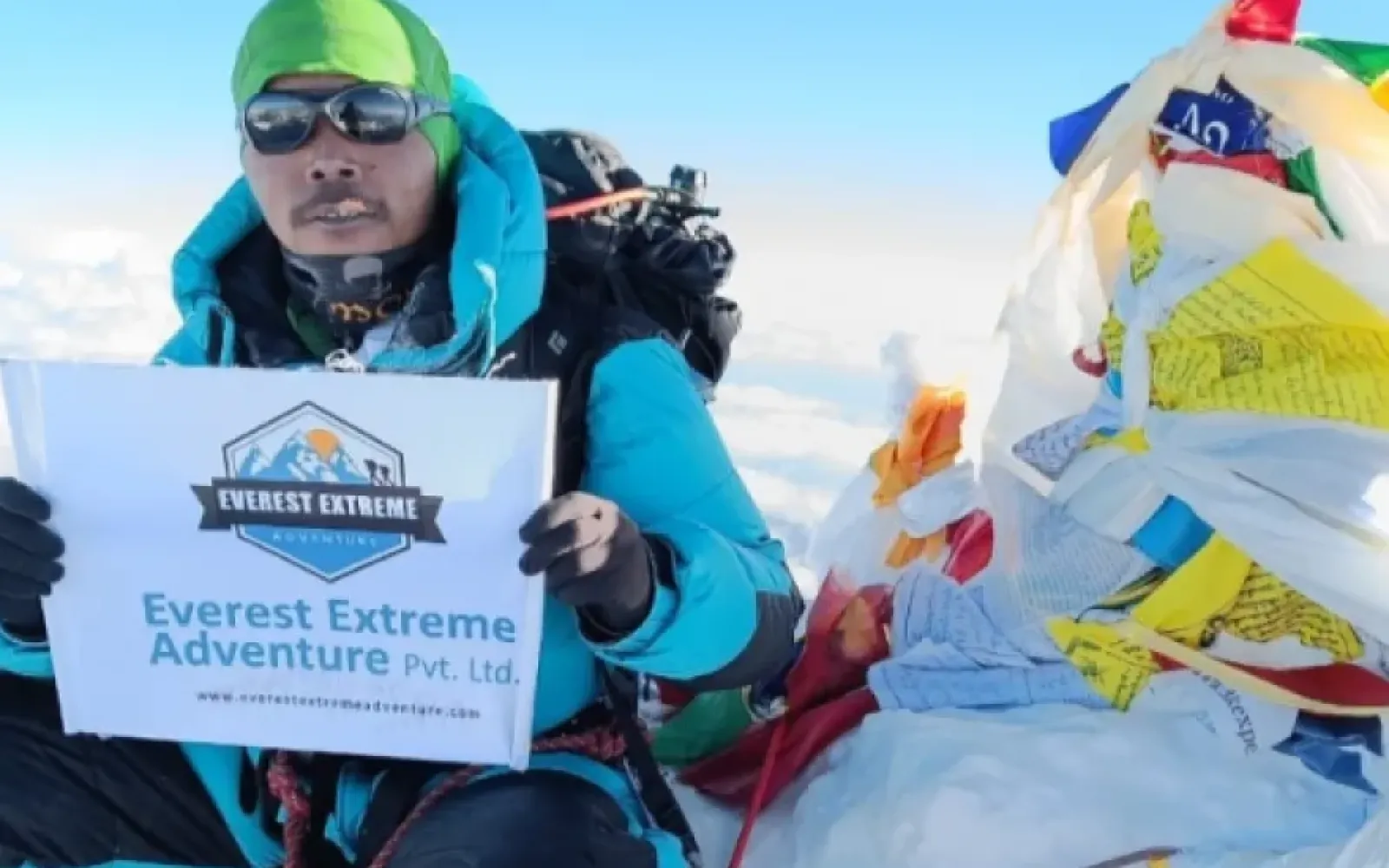
A Mount Everest Expedition in Nepal is one of the most challenging and rewarding adventures in the world. Standing at 8,848.86 meters (29,031.7 feet) above sea level, Mount Everest attracts experienced mountaineers from across the globe who dream of reaching the highest point on Earth. However, climbing Everest requires much more than determination. It demands extensive mountaineering experience, excellent physical fitness, mental resilience, proper acclimatization, and careful expedition planning. With the support of Everest Extreme Adventure, climbers can prepare for this extraordinary journey with professional guidance, logistical arrangements, and a structured expedition itinerary.
A successful Everest summit attempt begins long before reaching Base Camp. Climbers must understand the challenges of high-altitude environments, prepare the necessary documentation, budget for the Everest Expedition Cost, and select the Best Time to Climb Mount Everest. Weather conditions, altitude sickness, crevasses, avalanches, and extreme cold are among the major risks that require careful management. Following an organized itinerary, maintaining communication with the expedition team, and respecting the mountain's unpredictable conditions are essential for improving safety and making informed decisions throughout the expedition.
A Mount Everest Expedition in Nepal typically begins in Kathmandu, where climbers complete expedition preparations, attend briefings, organize equipment, and finalize travel arrangements before flying to Lukla. From there, the trekking route passes through Phakding, Namche Bazaar, Tengboche, Dingboche, Lobuche, and Gorak Shep before reaching Everest Base Camp. This approach allows acclimatization and introduces climbers to the Khumbu region's spectacular landscapes, Sherpa communities, Buddhist monasteries, and mountain scenery.
The expedition itinerary then includes a much longer climbing period, during which climbers prepare for the summit through acclimatization rotations, technical training, equipment checks, and weather-window planning. The summit attempt usually involves moving through the mountain's established high camps before returning to Base Camp and trekking back toward Lukla. Everest Extreme Adventure can be presented as the company organizing the expedition experience, with services and arrangements tailored to the needs of participating climbers. Because the climbing period can be affected by weather, health, and route conditions, the itinerary should remain flexible rather than promising a guaranteed summit.
The following outline illustrates the major stages of a typical Nepal-side Everest expedition:
Actual trekking distances, altitude figures, and timings can vary with route conditions and the final itinerary. In particular, a 45-day climbing period is an expedition planning window, not a guarantee that a summit attempt will be possible.
Nepal is the most established destination for climbing Mount Everest from its southern side. The country offers access to Everest Base Camp through the Khumbu Valley, a well-known mountaineering support network, experienced high-altitude climbing professionals, and established trekking infrastructure. The journey also provides an opportunity to experience the traditions and hospitality of Sherpa communities while exploring the dramatic Himalayan landscape. For climbers seeking a guided expedition, Everest Extreme Adventure can help organize the journey according to the expedition plan, subject to its confirmed services, team qualifications, and operating arrangements.
Another reason to choose Nepal is the opportunity to combine a world-class mountaineering objective with a meaningful cultural and trekking experience. Before reaching Everest Base Camp, climbers pass through traditional mountain villages, suspension bridges, rhododendron forests, and historic monasteries. Namche Bazaar is an important acclimatization stop, while Tengboche offers panoramic Himalayan views and a cultural introduction to the region. These experiences make the expedition more than a summit attempt; they form an important part of the overall Himalayan adventure.
Key reasons to choose Nepal include:
Choosing the right operator is just as important as choosing the destination. Before booking, climbers should verify the company's experience, guide qualifications, emergency procedures, insurance requirements, equipment standards, and clearly itemized expedition services. A reputable expedition plan should prioritize climber safety and responsible decision-making over summit success at any cost.
The Best Time to climb Mount Everest is generally the spring climbing season, particularly April and May, when expedition teams prepare for summit attempts around suitable weather windows. During this period, the seasonal jet stream may shift away from the summit region, creating periods of comparatively favorable wind conditions. Nevertheless, Everest weather remains unpredictable, and even during the main climbing season, climbers may encounter severe winds, snowfall, extreme cold, and sudden changes in conditions.
Spring is also the principal season for expeditions on the Nepal side because the route through the Khumbu Icefall and higher sections is generally prepared for climbing during this period. Expedition teams typically establish camps, complete acclimatization rotations, and monitor forecasts before selecting a summit window. The exact timing depends on route conditions, snow stability, weather forecasts, and the decisions of experienced expedition leaders. No particular month or date can guarantee a safe or successful summit.
Autumn, especially September through November, is another popular season for trekking in Nepal because of its generally clearer skies and favorable walking conditions. However, autumn is not normally the primary season for standard Everest summit expeditions from the Nepal side. Climbers considering an autumn ascent should discuss the route, objective risks, and seasonal feasibility with an experienced operator rather than assuming that trekking-season conditions also support an Everest summit attempt.
Seasonal planning considerations:
For climbers planning with Everest Extreme Adventure, the final schedule should account for acclimatization, route preparation, weather forecasts, contingency days, and the possibility of an unsuccessful summit attempt. Choosing the right season is important, but sound judgment and flexibility remain essential throughout the expedition.
Obtaining the correct Everest Climbing Permit and completing the necessary administrative formalities are essential steps when organizing a Mount Everest Expedition in Nepal. Climbers must comply with the prevailing requirements of Nepal's relevant government authorities, including applicable mountaineering permissions, immigration requirements, and any additional documentation required for the selected route and expedition arrangements. Permit rules, fees, eligibility requirements, and administrative procedures can change, so all details should be confirmed before departure.
The Everest Expedition Cost typically includes or accounts for several logistical and administrative expenses, but the exact inclusions depend on the operator and package. These may include climbing permits, liaison and expedition support, trekking logistics, domestic flights, accommodation, meals, climbing equipment, and high-altitude staff. Climbers should request a written cost breakdown from Everest Extreme Adventure to establish which items are included, which are optional, and which must be paid separately. Permit fees should not be assumed to be included unless the contract specifically confirms this.
Important permits and documents to prepare:
The Everest Expedition Cost varies considerably depending on the level of service, guide-to-climber ratio, oxygen arrangements, Sherpa support, equipment, logistics, and contingency provisions. A lower advertised price does not necessarily represent better value if essential safety services are excluded. Climbers should compare complete package inclusions, clarify refund and cancellation terms, and confirm the latest permit requirements through official Nepal government channels before making a financial commitment.
Physical preparation is a fundamental requirement for anyone planning a Mount Everest Expedition in Nepal. Climbers need the endurance to trek for several consecutive days, carry or manage equipment, move efficiently in crampons, use an ice axe, and operate safely with fixed ropes and other technical climbing systems. The high altitude places exceptional demands on the body, making cardiovascular fitness, muscular endurance, balance, and efficient movement particularly important. Training should begin well in advance and should be adapted to the climber's existing fitness, experience, and medical circumstances.
A suitable training program generally combines long hikes with elevation gain, aerobic conditioning, strength training, stair climbing, and recovery sessions. Climbers should also develop the technical skills required for glacier travel, crevasse-rescue awareness, rope systems, and the use of high-altitude equipment under qualified instruction. Previous experience on demanding alpine peaks is highly valuable because Everest is not an appropriate first major mountaineering objective. A medical assessment before the expedition can help identify health concerns and guide individualized preparation.
Mental preparation is equally important. Climbers must be ready for prolonged periods away from home, uncomfortable sleeping conditions, limited privacy, physical exhaustion, and uncertainty about weather and summit opportunities. Delays are common in high-altitude expeditions, and a climber may need to abandon a summit attempt despite extensive preparation. Developing patience, emotional resilience, teamwork, and the ability to make sound decisions under pressure can help climbers manage these challenges.
Practical fitness and mental preparation tips:
With careful preparation, experienced guidance, appropriate equipment, and a strong commitment to safety, climbers can approach the Mount Everest Expedition with a more realistic understanding of its demands. Everest Extreme Adventure can be included in the planning process to help coordinate the expedition's arrangements and preparation, provided its actual services and safety credentials are verified. Ultimately, the objective should be to make well-informed decisions, protect the health of everyone on the team, and treat a successful return as an essential part of every Everest expedition.
Preparing the right equipment is essential for a safe and successful Mount Everest Expedition in Nepal. Climbers face extreme cold, powerful winds, snow, ice, and rapidly changing weather conditions at high elevations. Appropriate mountaineering equipment helps protect against frostbite, hypothermia, falls, and other hazards encountered during the ascent. Before departure, climbers should work with their expedition team to select equipment suitable for the season, route, and expected temperatures. Everest Extreme Adventure can be mentioned as a planning partner for coordinating equipment requirements and helping climbers understand what they need to bring, subject to the services included in the expedition package.
High-altitude climbing requires specialized clothing and technical equipment that can perform reliably in demanding conditions. A layered clothing system allows climbers to regulate body temperature while moving between warmer trekking environments and the freezing conditions of the upper mountain. Technical equipment, including mountaineering boots, crampons, ice axes, climbing harnesses, and helmets, must fit correctly and be suitable for the intended route. Supplemental oxygen systems, masks, regulators, and associated equipment may also be used during the summit phase according to the expedition's climbing strategy.
Essential gear and equipment checklist:
Before leaving Kathmandu, inspect all equipment, test essential systems, and confirm which items are supplied by the operator. Avoid buying unnecessary equipment without checking the expedition inventory, as some technical gear may be provided or rented. Equipment should also be familiar before the climb; learning to use technical systems for the first time during an emergency can create additional risks.
Altitude sickness is one of the most significant health risks during a Mount Everest Expedition in Nepal. As altitude increases, atmospheric pressure decreases, reducing the amount of oxygen available with each breath. Climbers may develop acute mountain sickness (AMS), which commonly causes headaches, nausea, dizziness, fatigue, and reduced appetite. More serious conditions include high-altitude pulmonary edema (HAPE), which affects the lungs, and high-altitude cerebral edema (HACE), which affects the brain. Both can become life-threatening and require urgent action.
Acclimatization allows the body to gradually adjust to the reduced oxygen availability at higher elevations. An expedition itinerary should include appropriate rest days, gradual elevation gains, and planned acclimatization rotations. In the Everest region, Namche Bazaar and Dingboche are common acclimatization stops during the approach to Base Camp. During the climbing period, teams may travel between Base Camp and higher camps before returning to lower elevations to recover. However, no acclimatization schedule eliminates the risk of altitude-related illness, and physical fitness alone does not guarantee protection.
Important altitude-sickness prevention and safety tips:
Confusion, difficulty walking straight, or breathlessness at rest can indicate a medical emergency. Suspected HACE or HAPE requires urgent descent and emergency medical care. Supplemental oxygen and other treatments may be necessary under the direction of qualified medical or expedition personnel. Climbers should discuss altitude-related risks with a healthcare professional before departure and understand the expedition's emergency evacuation plan.
With Everest Extreme Adventure, climbers should confirm how acclimatization days, health monitoring, emergency communications, and evacuation arrangements are managed. Clear medical protocols and a willingness to change the climbing plan when symptoms appear are essential elements of responsible high-altitude expedition planning.
Selecting the right expedition operator is one of the most important decisions when planning a Mount Everest Expedition in Nepal. A reliable company should demonstrate relevant Himalayan expedition experience, transparent pricing, qualified climbing leadership, appropriate emergency procedures, and a clear approach to managing altitude-related risks. Climbers should look beyond advertising claims and assess the operator's actual services, staffing, safety arrangements, equipment standards, and contingency plans.
Everest Extreme Adventure can be considered during the planning process, provided prospective climbers independently verify its current qualifications, operating arrangements, and service inclusions. Before booking, request a detailed itinerary, a written contract, a breakdown of the Everest Expedition Cost, information about guide and Sherpa support, and an explanation of how the team handles weather delays, medical emergencies, and unsuccessful summit attempts. The operator should be able to explain its procedures clearly and answer questions about the risks associated with climbing above 8,000 meters.
What to look for when choosing an Everest expedition company:
Climbers should also examine the guide-to-client ratio, the availability of backup personnel, and the operator's approach to summit-day decision-making. Ask how the team evaluates weather forecasts, manages turnaround times, and responds if a climber becomes ill or injured. Previous client feedback may be useful, but it should be considered alongside independently verifiable credentials and operational details.
A professional expedition operator should never guarantee a summit. Weather, individual health, route conditions, and other unpredictable factors can prevent even well-prepared climbers from reaching the top. The best company is one that prioritizes climber welfare, communicates honestly, and recognizes that returning safely is more important than achieving a summit at any cost.
The traditional Nepal-side Everest Base Camp route begins with a flight from Kathmandu to Lukla, followed by a trek through the Khumbu region. The route passes through Phakding and Namche Bazaar before continuing toward Tengboche, Dingboche, Lobuche, and Gorak Shep. Climbers then reach Everest Base Camp, where the expedition transitions from trekking to high-altitude mountaineering preparation. This approach provides time for acclimatization and familiarization with the terrain before entering the more technical stages of the climb.
Once at Base Camp, the expedition team typically organizes equipment, provides technical briefings, monitors conditions, and plans acclimatization rotations. Depending on the route and conditions, the standard South Col climbing route involves navigating the Khumbu Icefall, the Western Cwm, the Lhotse Face, and the upper mountain toward the South Col and summit ridge. Climbers may move between Base Camp and higher camps several times to support acclimatization and preparation. The exact sequence and timing depend on route conditions, weather, individual health, and the expedition leader's assessment.
Major stages of a typical Nepal-side Everest expedition:
The itinerary may include approximately 64 days, depending on the operator's schedule and the length of the climbing period. However, a multiweek summit window does not mean climbers will be continuously ascending. It allows time for acclimatization, recovery, route preparation, and suitable weather opportunities. Delays may require changes to the planned schedule, and a summit attempt may be canceled if risks become unacceptable.
With Everest Extreme Adventure, the proposed route and itinerary should be confirmed in writing before departure. Climbers should understand the planned acclimatization days, expected walking times, high-altitude climbing stages, evacuation procedures, and return arrangements. Careful route planning and flexibility are essential for managing the demands of the world's highest mountain.
Safety must remain the highest priority throughout a Mount Everest Expedition in Nepal. Climbers face numerous hazards, including avalanches, falling ice, crevasses, extreme cold, high winds, exhaustion, and altitude-related illness. The Khumbu Icefall and upper mountain present particularly serious objective dangers that can change rapidly with temperature and weather conditions. Although careful preparation can reduce some risks, no expedition company, guide, or piece of equipment can eliminate all dangers associated with climbing Everest.
Effective risk management begins with thorough planning and continues throughout the expedition. Teams should monitor weather forecasts, evaluate route conditions, maintain reliable communications, and establish clear procedures for emergencies and summit-day decisions. Climbers must follow their guide's instructions, remain alert to changing conditions, and report physical or equipment problems without delay. A willingness to postpone or abandon a summit attempt is a critical part of responsible mountaineering.
Essential safety tips for Everest climbers:
Emergency preparedness should include a clear chain of communication, access to appropriate first-aid supplies, an altitude-illness response plan, and a practical strategy for descent or evacuation. Climbers should obtain insurance that explicitly covers the intended altitude and mountaineering activity, including helicopter evacuation where available and medically appropriate. Insurance terms, altitude limits, exclusions, and rescue provisions should be reviewed carefully before departure.
Everest Extreme Adventure should be evaluated on the strength of its actual safety procedures, including how it manages medical emergencies, severe weather, climbing equipment, and decisions to turn around. Climbers should ask for specific explanations rather than relying on general assurances of safety. The most successful expedition is not simply one that reaches the summit; it makes responsible decisions and brings its team back safely.
Food and accommodation are important considerations when organizing a Mount Everest Expedition in Nepal. During the trekking approach, climbers commonly stay in mountain teahouses or lodges, where meals may include rice, lentils, vegetables, soups, noodles, potatoes, eggs, and other locally available dishes. At Everest Base Camp, accommodation generally involves expedition tents and organized camp facilities, with meals prepared by the expedition kitchen team according to the operator's arrangements. Higher camps have more limited facilities, and climbers should expect increasingly basic living conditions as they ascend.
Nutrition becomes particularly important during prolonged periods of physical exertion and exposure to cold. Climbers need sufficient calories, carbohydrates, protein, and fluids to support recovery and maintain energy. Appetite may decrease at altitude, making regular meals and convenient high-energy snacks useful. Food availability and preparation arrangements vary by location, season, and expedition package, so dietary requirements and allergies should be communicated to the operator before departure.
The Everest Expedition Cost can vary considerably depending on the operator, expedition duration, guide-to-client ratio, oxygen arrangements, Sherpa support, permits, equipment, transportation, and level of service. The advertised package price may not cover every expense, so climbers should obtain a complete written breakdown before making a booking. In addition to the expedition fee, personal expenses, international flights, insurance, personal equipment, tips, and unexpected delays can affect the overall budget.
Budget planning checklist:
Before booking with Everest Extreme Adventure, ask for a detailed list of inclusions and exclusions, payment deadlines, cancellation conditions, refund policies, and arrangements for unforeseen delays. Climbers should also confirm how extra costs are handled if the expedition lasts longer than expected. A carefully planned budget reduces financial uncertainty and allows climbers to focus on preparation, acclimatization, and safe decision-making.
A Mount Everest Expedition in Nepal is a demanding undertaking that requires extensive preparation, sound judgment, technical mountaineering skills, and respect for the risks of extreme altitude. From the initial arrival in Kathmandu to the trekking approach, Base Camp preparation, acclimatization rotations, and potential summit attempt, each stage plays an important role in the overall expedition. Understanding the Best Time to Climb Mount Everest, arranging the correct Everest Climbing Permit, preparing suitable equipment, and planning the Everest Expedition Cost can help climbers approach the journey with realistic expectations.
Working with a suitably qualified and experienced expedition operator can help coordinate the complex logistics involved in climbing the world's highest mountain. Everest Extreme Adventure can be considered as part of this planning process, with climbers encouraged to verify its credentials, actual service inclusions, guide qualifications, safety procedures, and emergency arrangements before committing. A professional expedition plan should provide clear information about the itinerary, acclimatization, equipment, food, accommodation, communication, and contingency arrangements.
Final tips for a safer Everest expedition:
Ultimately, reaching the summit of Mount Everest is an extraordinary achievement, but it should never come at the expense of human safety. Thorough preparation, experienced guidance, responsible risk management, and realistic expectations give climbers a stronger foundation for the journey. With careful planning and a commitment to sound decision-making, an Everest expedition can become a remarkable Himalayan experience, whether the outcome is a summit or a safe return after an informed decision to turn back.
Our travel experts are ready to assist you with any questions.
Send us a message.Have a question before you book? Send your enquiry below and our travel experts will get back with the required information.