Group Adventure Dates.  4.9 of 489 reviews
 4.8 of 232 reviews
4.9 of 489 reviews 4.8 of 232 reviews 
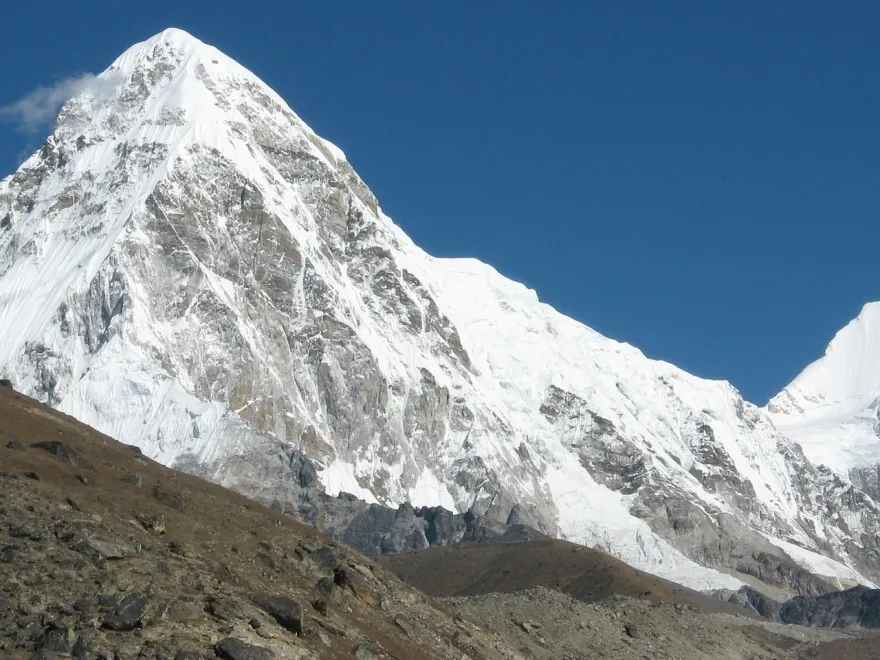
Join Everest Extreme Adventure for an unforgettable Mount Pumori Expedition (7,161m) in Nepal’s spectacular Khumbu region. Experience breathtaking Himalayan views, Sherpa culture, challenging technical climbing, high-altitude camping, and an extraordinary summit adventure with careful acclimatization and professional expedition support.
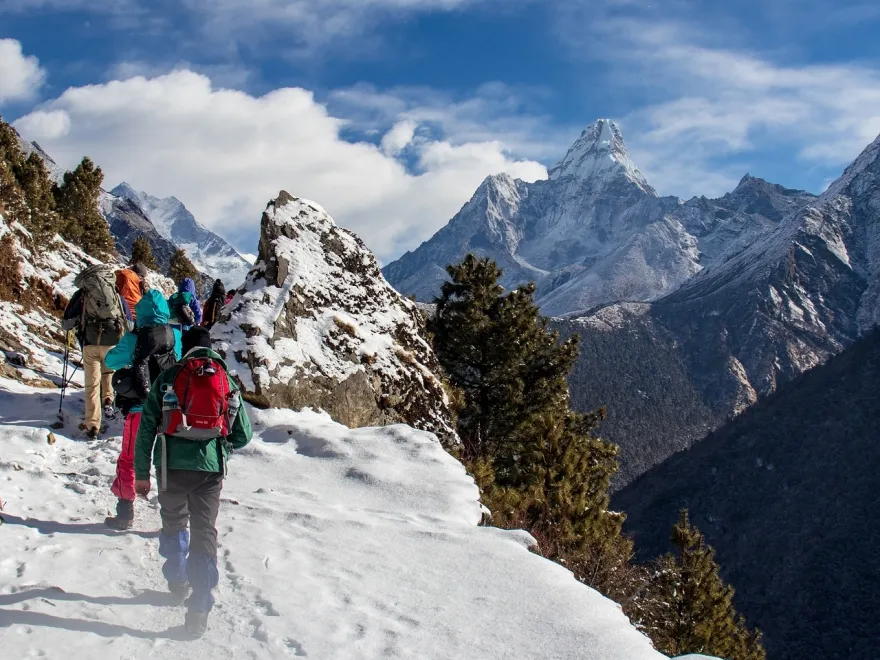
Located in the Upper Khumbu region, at the height of 7,161m/ 23,495ft, Pumori is a unique pyramid-shaped mountain between Nepal and Tibet. In the Sherpa language, Pumori is known as “the unmarried daughter.”
Mt. Pumori soars over the Kalapatthar and gives a spectacular view of the southern ridge of the Everest region. A technically arduous trek, the Pumori expedition will test your mental and physical endurance.
Starting your trip from the capital city, Kathmandu, you have a day to consult with your guide in buying necessary gear for the summit. The flight from Kathmandu to Lukla will give you a bird’s eye view of the majestic Himalayas. Starting your trek from Lukla, you head towards Phakding and then towards the famous stop of the region- Namche Bazaar, where you can rest a day for acclimatization.
Before heading out to your next destination, Lobuche, you pass through Thyangboche and Dingboche, where you explore the traditional monasteries. From Lobuche, you begin a steady yet uphill trek towards Gorakshep, the entry point towards Pumori Base camp.
During the climbing period, you will set camps at various altitudes to help you acclimatize. Our Sherpa guides help you with the preparations and will also provide you crucial technical climbing sessions. All the tiring sessions and the effort is worth the view you get to see from the peak of Pumori. From the summit, the majestic views of Everest, Cho Oyu, Lhotse, Makalu, and Nuptse will take your breath away.
We descend back the same route to Namche Bazaar via Gorakshep and Thyangboche. The expedition is best done during spring (March-May) and autumn (September-November) seasons because the weather will be stable and pleasant.
At Everest Extreme Adventure, you get to enjoy the best of what the country has to offer at reasonable prices. All the transportation and accommodation services are of top quality, and you get to choose as well. Along with it, we have the best guides to accompany you on your desired trip.
This expedition is intended for climbers with substantial previous high-altitude experience, not beginners attempting their first major mountain.
Choosing the right season is essential for a successful Mount Pumori Expedition because weather, wind speed, snowfall, visibility, and snow stability significantly affect climbing conditions above 7,000 meters. In Nepal, the two principal climbing seasons are spring (April to May) and autumn (September to October). These periods generally offer more favorable conditions for approaching the mountain, establishing camps, and planning a summit attempt, although actual conditions vary considerably from year to year. Everest Extreme Adventure recommends selecting expedition dates with sufficient flexibility to accommodate changing weather patterns and the time required for proper acclimatization.
Spring is traditionally a popular season for high-altitude climbing in the Everest region. As winter gradually recedes, temperatures become more manageable, and longer daylight hours can support extended climbing activities. Nevertheless, climbers may encounter strong winds, unstable snow, fresh snowfall, and cold temperatures at higher elevations. Autumn offers another potential climbing window after the summer monsoon has passed. The skies can be clearer, and visibility across the Khumbu region is often excellent, providing remarkable mountain views during the trek to Base Camp. However, temperatures generally become colder as autumn progresses, especially at night and on exposed upper slopes.
The most appropriate climbing period depends on the expedition's route, current mountain conditions, weather forecasts, and the team's experience. A 35-day itinerary provides a framework for trekking, acclimatization, climbing, and descent, but it cannot guarantee favorable summit conditions. The schedule should remain flexible enough to prioritize safety over reaching the summit on a predetermined date.
Everest Extreme Adventure can help climbers choose suitable expedition dates, prepare appropriate equipment lists, and coordinate the itinerary around the expected seasonal conditions. Final climbing decisions should always be based on professional weather forecasts and assessments of the actual mountain environment.
The Mount Pumori Expedition is a highly demanding mountaineering challenge that requires a combination of physical endurance, technical climbing proficiency, mental resilience, and experience living at extreme altitude. At 7,161 meters, the mountain presents serious challenges associated with low oxygen levels, sub-zero temperatures, strong winds, steep snow and ice slopes, and exposed climbing terrain. The route and conditions may require the use of crampons, ice axes, fixed ropes, harnesses, ascenders, and other specialized mountaineering equipment. Climbers must be comfortable with rope techniques, glacier travel, crevasse awareness, and moving safely on steep snow and ice.
The itinerary includes several days of trekking through the Everest region before reaching Pumori Base Camp. The approach begins with a flight from Kathmandu to Lukla, followed by trekking through Phakding, Namche Bazaar, Tengboche, Dingboche, Lobuche, and Gorakshep. Rest and acclimatization days are included to help the body adjust to the increasing altitude. However, acclimatization does not eliminate the risk of altitude-related illness, and every climber must recognize symptoms such as persistent headaches, nausea, unusual fatigue, dizziness, or breathlessness at rest. Severe symptoms require immediate descent and medical assessment. Summit attempts should be abandoned whenever conditions or a climber's health make continuing unsafe.
Transportation arrangements are another important part of the expedition. The standard itinerary uses a domestic flight from Kathmandu to Lukla and a return flight from Lukla to Kathmandu after the trek. Flights are weather-dependent and may be delayed, rescheduled, or operated through alternative airports depending on airline arrangements and seasonal conditions. Ground transportation is generally used for airport transfers in Kathmandu, while the approach to Base Camp and the return journey are completed on foot. Porters and expedition staff may support the movement of supplies and equipment according to the agreed service package.
Everest Extreme Adventure can coordinate trekking logistics, climbing support, and transportation arrangements according to the expedition package. Climbers should verify the precise guiding, equipment, rescue, insurance, and support arrangements before departure.
Food and accommodation are important elements of the Mount Pumori Expedition because climbers need adequate nutrition, hydration, rest, and shelter to perform safely throughout a demanding 35-day journey. During the initial stay in Kathmandu, accommodation is generally arranged in a hotel, providing an opportunity to rest after international travel, prepare equipment, attend expedition briefings, and complete administrative formalities. Along the trekking route, accommodation is typically provided in teahouses or mountain lodges in settlements such as Phakding, Namche Bazaar, Tengboche, Dingboche, Lobuche, and Gorakshep, depending on availability and the agreed package.
Teahouses in the Everest region offer a practical place to eat, sleep, and recover between trekking days. Facilities become more basic at higher elevations, where cold temperatures, limited electricity, shared bathrooms, and restricted hot-water supplies may be encountered. Climbers should carry a suitable sleeping bag rated for expected temperatures, along with personal hygiene supplies and additional layers of clothing. Everest Extreme Adventure can clarify which accommodation services are included in the package and whether private rooms, charging facilities, hot showers, or additional personal expenses are covered.
During the approach trek, meals commonly include traditional Nepali dishes and familiar international options. Dal bhat, rice, lentils, vegetable curry, noodles, soups, potatoes, porridge, eggs, bread, and pasta are among the foods frequently available in mountain lodges. These meals can provide valuable carbohydrates and calories for long trekking days. Climbers should maintain consistent fluid intake, eat regularly, and discuss any dietary restrictions or food allergies with the expedition organizer before departure. Boiled or properly treated drinking water is recommended, and personal water-treatment methods may be useful.
Once the team reaches Pumori Base Camp and enters the climbing period, accommodation arrangements change from lodge-based trekking to expedition camping. A properly equipped expedition team generally establishes tents for sleeping, dining, cooking, and other essential camp activities. Higher camps may have simpler facilities and more limited food choices, so meals need to be planned around altitude, weather, fuel availability, and climbing schedules.
The exact inclusions can vary by package. Everest Extreme Adventure should confirm the number of meals provided, the accommodation standard, camping equipment, drinking-water arrangements, and whether snacks, bottled drinks, personal expenses, and special dietary requirements involve additional costs.
Obtaining the necessary permits and completing expedition formalities are essential steps before attempting Mount Pumori. As a major Himalayan climbing objective in Nepal, Pumori requires appropriate authorization under the country's mountaineering and protected-area regulations. The specific requirements depend on the current rules, the expedition route, the applicable government authorities, and the arrangements made by the organizing company. Climbers should therefore confirm the latest permit requirements and fees before finalizing their travel plans.
The preparation process generally begins in Kathmandu on Day 2 of the itinerary. This day is allocated to expedition briefings, equipment checks, shopping for missing supplies, documentation, and permit formalities. Climbers may need to provide passport details, photographs, visa information, emergency contact details, and other documents requested by the expedition organizer or relevant authorities. The organizer coordinates the applicable climbing authorization and associated administrative procedures, while climbers are responsible for supplying accurate information and ensuring their travel documents remain valid.
In addition to the principal climbing permit, the approach through the Everest region may require applicable trekking or protected-area entry documentation. Depending on the current regulations, route, and administrative arrangements, these may involve Sagarmatha National Park entry authorization and other required local or trekking documentation. Permit categories, fees, and application procedures can change, so climbers should avoid relying on outdated prices or assuming that one permit covers every part of the journey.
Travel insurance is another important preparation requirement, although it is separate from government climbing permits. Climbers should obtain insurance that explicitly covers mountaineering at the intended altitude, emergency helicopter evacuation where available, and medical treatment. Standard travel insurance policies may exclude technical climbing or activities above specified elevations. Climbers should carefully review the policy wording and confirm that their coverage matches the actual expedition.
Everest Extreme Adventure can assist with permit coordination, document preparation, and expedition administration as part of the agreed service package. Before booking, climbers should request confirmation of the permits included in the price, any additional government fees, insurance requirements, and the current application process. All permits must be issued by the appropriate authorities, and climbers should follow the regulations in force for their expedition dates.
Choosing the right expedition organizer is an important decision when preparing for a challenging Himalayan climb such as Mount Pumori. A successful expedition depends not only on physical fitness and technical climbing skills but also on effective logistics, careful acclimatization planning, suitable equipment, reliable communication, and informed decision-making in changing mountain conditions. Everest Extreme Adventure offers an expedition-planning framework built around the 35-day itinerary, combining the approach trek through the Everest region with a dedicated climbing period, descent, and return to Kathmandu.
One of the key advantages of this itinerary is its gradual progression through the Khumbu Valley. The journey from Lukla to Phakding, Namche Bazaar, Tengboche, Dingboche, Lobuche, and Gorakshep introduces climbers to progressively higher elevations before the approach to Pumori Base Camp. Scheduled rest and acclimatization periods provide opportunities to monitor how the body responds to altitude and prepare for the more demanding stages ahead. The extended climbing window from Day 12 to Day 28 allows flexibility for camp establishment, acclimatization rotations, route preparation, and summit attempts when conditions permit. The itinerary should nevertheless be adapted when weather, health, or mountain conditions require changes.
Everest Extreme Adventure can coordinate key logistical elements, including airport transfers, domestic flight arrangements, trekking accommodation, meals as specified in the package, permit administration, and expedition support. A well-organized support structure can help climbers concentrate on preparation and performance while reducing the burden of managing multiple arrangements independently. Before booking, climbers should review the company's precise service inclusions, the experience and qualifications of the climbing guides, the guide-to-climber ratio, the availability of emergency communication, and the arrangements for medical emergencies and evacuation.
The expedition also provides a memorable cultural and natural experience beyond the summit objective. Climbers travel through Sherpa communities, visit Buddhist monasteries, experience the distinctive landscapes of Sagarmatha National Park, and enjoy views of some of the world's highest mountains. The journey offers a demanding combination of trekking, high-altitude camping, technical mountaineering, and cultural discovery.
Ultimately, Mount Pumori is a serious undertaking that requires suitable experience, realistic expectations, and a strong commitment to safety. Everest Extreme Adventure can help coordinate the journey, but climbers should verify guide qualifications, technical support, emergency procedures, insurance, equipment provisions, and all package inclusions before making a booking. A responsible summit strategy must always prioritize the well-being of the team over reaching the top.
The Mount Pumori Expedition itinerary is a thrilling 35-day Himalayan adventure organized by Everest Extreme Adventure, combining scenic trekking, cultural exploration, acclimatization, and technical mountaineering. The journey begins in Kathmandu with expedition preparations and permit formalities, followed by a scenic flight to Lukla. The trek continues through Phakding, Namche Bazaar, Tengboche, Dingboche, Lobuche, and Gorakshep, offering spectacular views of Everest and surrounding Himalayan peaks.
After reaching Pumori Base Camp, climbers spend an extended period preparing for the summit attempt of Mount Pumori (7,161m), including acclimatization rotations, high-altitude camping, and technical climbing. Following the climbing phase, the team descends through Pheriche, Tengboche, Namche Bazaar, and Lukla before returning to Kathmandu. The itinerary includes contingency time, allowing flexibility for changing weather and mountain conditions.
As per your schedule, you land at Tribhuvan International Airport in Kathmandu. At the airport, our representatives and staff will be eagerly waiting to welcome you warmly. After brief introductions, you head to the hotel and refresh. You meet our team again for a welcome dinner, and you can discuss the details of the trip.
Since it is an expedition, you need to obtain the necessary permit. You fill in all the essential details to get the permit, and our staff will look after the official procedures. In the meantime, you can buy or rent the necessary items needed for the expedition. If you want, we can also arrange meetings with expert mountaineers who can give you tips to make your expedition go smoothly. Later, you head out to sightsee some of the famous landmarks of the valley like Patan Durbar Square, Swayambhunath Temple, and Boudhanath Stupa.
You head to the domestic airport early in the morning and board the first flight to Lukla. En flight, you get to enjoy the fantastic panoramic views of the hills and mountains like Langtang, Manaslu, Everest, etc. Once you land at Lukla, you’ll meet the local team who’ll help you throughout the expedition. After introductions and brief rest, you trek through the rhododendron forests, following the Dudh Koshi River, and arrive at Phakding for the overnight stay at a lodge.
After breakfast, you continue the trek through the lush forest. After crossing a small stream, you ascend to Bengar. From Bengar, you head to Monjo, the entry point of Sagarmatha National Park. After showing your entry permit and completing necessary official procedures, you continue on the trail that goes uphill. You cross several suspension bridges. After crossing the last one called Hillary Bridge, you ascend to Namche Bazaar, the biggest Sherpa town of the region. Overnight stay at a lodge.
To ascend to higher elevations, it is essential to acclimatize. So, you spend one whole day at Namche Bazaar, exploring the vibrant town. After breakfast, you prepare to hike to the Everest View Hotel, where you can see breathtaking panoramas of the mountain vistas, including Everest, Lhotse, Nuptse, Ama Dablam, and many more. After soaking in the view, you head back to Namche Bazaar. If you want, you can hike to the Sherpa Culture museum to learn more about the culture of the Sherpas.
The trek resumes after breakfast. The trail goes uphill to the Sagarmatha National Park Museum. Walking along the ridge, you get to see amazing views of the valley. Going uphill, you arrive at Kyangjuma, and from there, descend to Phunke Tenga. The trail consists of the stone-paved path and then goes upward to arrive at Tyangboche. Once you refresh, you head to explore the Tyangboche Monastery, a sacred place for the locals. Overnight stay at a lodge.
Walking through the pine forests, you make your way towards Debouche after breakfast. En route, you get to see amazing views of the landscape along with mountains like Ama Dablam and Kangtega. The trail then goes uphill, and you walk past many Chortens to reach Pangboche. Walking through the potato fields, you ascend to Mani Stupa, and from there, you head up to arrive at Dingboche for the overnight stay at a lodge.
After breakfast, you descend to the village of Pheriche, and from there, you head to Dughla. The trail then goes above the river formed by the Khumbu Glacier. Enjoying the views of the mountains and landscape, you arrive at Dughla. After crossing this village, the trail then gives you the excellent views of Mt. Pumori and other neighboring peaks. As you enjoy the light in the uphill path, you arrive at Lobuche for the overnight stay at a lodge.
Today will be the second and final acclimatization day of the expedition. Lobuche village is located at the foothills of Lobuche Peak. So, after breakfast, you head to the Lobuche Peak Base Camp. Following the icy path filled with crevasses, you arrive at the base camp, where the sceneries of the valley and the mountain ranges reward you. Then, you return to Lobuche to have breakfast.
The trail today goes up towards the glaciers and moraines. Making your way through the rocky and icy trail, you arrive below the Khumbu Glacier. Filled with moraine dunes, the trail takes you to Gorakshep. It is the last stop where you get to stay in a comfortable lodge. Overnight stay at a lodge.
Today, you have a hearty breakfast and prepare yourself as you’ll be heading to the Pumori Base Camp. If you’re interested, you can do an early morning hike to Kalapatthar to see the breathtaking panorama of Everest, Lhotse, Nuptse, and many other mountains. As you make your way to the base camp, the trail gets steeper and narrower. After crossing a few crevasses, you arrive at a relatively flat area, which is the base camp. You find a suitable ground to set up tents for camping.
More than two weeks are allocated for the summit period. During this time, you acclimatize and set up camps at different elevations. The local team will help you in your preparation for the climb, including the safety guidelines as well. Once you reach the summit, the stunning up-close views of Everest, Cho Oyu, Lhotse, Nuptse, and the neighboring mountains reward you. On the 28th day, you finally descend and arrive at the base camp.
After the tiring successful climb, it is time to head back to lower elevations. You make your way to Gorakshep after cleaning the base camp. From the base camp, you head to Lobuche through the farmlands and beautiful sceneries of the mountains. Then, you descend to the village of Pheriche, where you stay overnight at a lodge. Here, you can heartily celebrate the successful climb and relax your tired body.
Today, you retrace your steps back to Tyangboche. Descending through the pine forest, you get to enjoy the tranquil environment and the mountains in the backdrop. The trail seems relatively more relaxed as you descend and walk past villages like Deboche. You arrive at Tyangboche for the overnight stay at a lodge. If you have spare time before dinner, you can head to explore the monastery and the yak cheese factory located nearby.
Today, you head back to the bustling town of Namche Bazaar. The trail first descends to Phunke Tenga and then goes uphill to Kyangjuma. En route, you get to see amazing views of Everest, Ama Dablam, and Cho Oyu. Following the trail that goes through the rhododendron forests, you arrive at Namche Bazaar. You can head to explore the market area before your dinner. Overnight stay at a lodge.
After breakfast, you make your way through the mixed forest filled with rhododendrons, oaks, and pine trees. You then descend to the banks of the Bhote Koshi River. You pass through many small settlement areas and villages. After crossing Monjo, you officially leave the Sagarmatha National Park and then ascend to Lukla. Before dinner, you can head to explore the local market of Lukla. Overnight stay at a lodge.
Today is your last day in the Khumbu region. After an early hearty breakfast, you head to the airport and catch the flight that will take you back to Kathmandu. En flight, enjoy the picturesque views of the mountains one last time. Once you land at the domestic airport at Kathmandu, you head to the hotel and rest.
An extra day is kept just in case there is a flight delay due to weather or other technical issues. If the trip goes as planned, you can have the whole day to yourself. You can visit the local markets and buy souvenirs. You can also opt to relax at a cafe or book an appointment at a spa to treat your tired body. In the evening, you join our staff again for a farewell dinner.
The trip has finally come to an end. Now, it’s time for you to depart back home. Please make sure that you have all your belongings with you. As per your scheduled flight, our staff will make sure to drop you off at the airport on time. Thank you for choosing to travel to us, and we hope to see you again. Have a safe flight!
The Mount Pumori Expedition is a challenging high-altitude mountaineering adventure in Nepal's Khumbu region, taking climbers to the summit of Mount Pumori at 7,161 meters (23,494 feet). Organized by Everest Extreme Adventure, the expedition combines scenic trekking, acclimatization, technical climbing, and high-altitude camping. Participants experience spectacular views of Mount Everest, Lhotse, Nuptse, and surrounding Himalayan peaks while exploring traditional Sherpa villages and Buddhist monasteries. This expedition is best suited for experienced mountaineers seeking a demanding Himalayan climbing objective.
The Mount Pumori Expedition itinerary organized by Everest Extreme Adventure takes approximately 35 days, including arrival, preparation, trekking, climbing, descent, and departure. The journey begins in Kathmandu, followed by a flight to Lukla and a trek through Phakding, Namche Bazaar, Tengboche, Dingboche, Lobuche, and Gorakshep. The itinerary allocates an extended climbing period from Day 12 to Day 28, allowing time for acclimatization rotations and summit attempts. Additional flexibility may be necessary because weather, health, and mountain conditions can affect the schedule.
Mount Pumori is a technically demanding Himalayan peak that requires excellent physical fitness, strong mountaineering skills, and previous high-altitude climbing experience. Climbers may encounter steep snow and ice slopes, exposed ridges, glacier terrain, crevasses, extreme cold, and strong winds. The reduced oxygen level at higher elevations adds considerable physical and mental challenges. Everest Extreme Adventure recommends that participants have experience using crampons, ice axes, harnesses, ascenders, and fixed ropes. This expedition is not recommended for beginners without appropriate technical training and experience on challenging alpine peaks.
Participants should have excellent cardiovascular endurance, strong leg and core strength, and the ability to undertake long days of trekking while carrying a suitable personal load. Previous experience on peaks above 6,000 meters is highly beneficial, and experience with technical snow and ice climbing is essential for this type of objective. Training should include hiking, uphill endurance activities, strength conditioning, and practice with mountaineering equipment. Everest Extreme Adventure can provide preparation guidance, but climbers should assess their abilities honestly and seek professional medical advice before attempting a demanding expedition at extreme altitude.
Yes, the itinerary includes designated acclimatization and rest periods to help participants adjust to increasing elevations before reaching Pumori Base Camp. The schedule includes time in Namche Bazaar and a rest day at Lobuche, alongside a gradual trekking approach through the Khumbu Valley. During the climbing period, additional acclimatization rotations may be planned according to the route and prevailing conditions. However, acclimatization cannot eliminate the risk of altitude sickness. Everest Extreme Adventure should prioritize safe ascent practices, health monitoring, and timely descent whenever necessary. Climbers must follow professional guidance and report concerning symptoms immediately.
Everest Extreme Adventure can help organize the main components of the Mount Pumori Expedition, including itinerary planning, permit coordination, transportation, trekking logistics, accommodation, and climbing support according to the agreed package. The 35-day itinerary combines a gradual approach through the Everest region with an extended climbing period, offering opportunities for acclimatization and technical preparation. Before booking, climbers should verify the company's guide qualifications, guide-to-climber ratio, emergency arrangements, equipment provisions, insurance requirements, and service inclusions. Choosing an expedition organizer with appropriate experience and transparent procedures is an important step toward preparing responsibly for a demanding Himalayan climb.
Climbers need specialized equipment suitable for technical mountaineering and extreme cold at elevations above 7,000 meters. Essential items may include high-altitude mountaineering boots, crampons, an ice axe, a climbing harness, a helmet, suitable ropes and ascenders as required by the route, insulated clothing, expedition down suits, gloves, goggles, and a high-altitude sleeping bag. Personal medical supplies, a headlamp, a water-treatment system, and sun protection are also important. Everest Extreme Adventure can provide an equipment checklist and clarify which technical equipment, tents, and shared expedition supplies are included in the selected package.
Safety is essential throughout the Mount Pumori Expedition because climbers face serious hazards, including altitude sickness, frostbite, avalanches, falling ice, crevasses, severe weather, and exhaustion. Appropriate acclimatization, suitable equipment, reliable communication, and experienced climbing leadership are important components of responsible expedition planning. Participants should obtain insurance that explicitly covers high-altitude mountaineering and emergency evacuation, subject to the policy terms and local availability. Everest Extreme Adventure can explain its guiding arrangements, emergency procedures, and support services before booking. Summit attempts must remain conditional on weather, route safety, and the physical condition of every climber.
Spring and autumn are generally the preferred seasons for the Mount Pumori Expedition. Spring, particularly April and May, can offer improving temperatures and longer daylight hours, while autumn, especially September and October, may provide clearer skies and excellent mountain visibility after the monsoon. However, conditions at 7,161 meters remain unpredictable throughout the year. Everest Extreme Adventure recommends choosing expedition dates according to current weather forecasts, snow conditions, and route assessments. Climbers should maintain flexibility because summit opportunities depend on safe conditions rather than the calendar alone.
Weather conditions on Mount Pumori can change rapidly, and strong winds, heavy snowfall, poor visibility, or unstable snow may prevent a safe summit attempt. The itinerary includes a dedicated climbing period and a contingency day in Kathmandu, but these do not guarantee a successful summit or cover every possible delay. The expedition team may need to postpone climbing, adjust the camp schedule, or abandon the summit attempt when conditions become unsafe. Everest Extreme Adventure should explain its decision-making procedures and contingency arrangements before departure. Safety must always take priority over completing the climb according to the original timetable.
The expedition generally begins with an arrival in Kathmandu, where airport transfers and hotel arrangements are coordinated according to the package. Participants then take a domestic flight to Lukla, the starting point of the trek toward the Everest region. After completing the trekking and climbing sections, the team returns to Lukla on foot and flies back to Kathmandu. Lukla flights are highly dependent on weather and operational conditions, so delays or schedule changes are possible. Everest Extreme Adventure can coordinate transportation arrangements and advise participants to maintain flexibility, including sufficient contingency time before international departure.
Climbing Mount Pumori requires the appropriate Nepalese mountaineering authorization, along with applicable entry permits for the trekking route and protected areas. Depending on current regulations and the expedition arrangements, documentation may include a Mount Pumori climbing permit and Sagarmatha National Park entry authorization. Requirements and fees can change, so they should be confirmed before departure. Everest Extreme Adventure can assist with the relevant permit arrangements according to the selected package. Climbers should prepare a valid passport, visa information, photographs, and any additional documents requested by the organizing company or government authorities.
Accommodation varies throughout the Mount Pumori Expedition. In Kathmandu, participants generally stay in a hotel, while the trekking section typically uses teahouses or mountain lodges in villages such as Phakding, Namche Bazaar, Dingboche, and Lobuche. Facilities become more basic at higher elevations, where hot water, electricity, and private bathrooms may be limited. At Pumori Base Camp and designated higher camps, expedition tents are used for sleeping and other camp activities. Everest Extreme Adventure can confirm the accommodation standard, camping equipment, and included services when participants select their package.
During the trekking stage, meals are generally available at mountain teahouses and may include dal bhat, rice, noodles, soups, potatoes, vegetables, porridge, eggs, bread, and pasta. These foods provide useful energy for demanding walking days. During the climbing period, meals are arranged through the expedition's camping and cooking support, with food choices adapted to altitude, weather, and climbing schedules. Everest Extreme Adventure can explain the meal arrangements included in the package. Participants should disclose food allergies and dietary restrictions before departure and plan for adequate hydration and personal energy snacks.
Pumori Base Camp marks the transition from the trekking stage to the main mountaineering phase. Unlike the teahouses used along much of the approach route, Base Camp relies on expedition camping, with tents arranged for sleeping, dining, cooking, and essential camp operations according to the support package. Higher camps may offer more basic facilities because of the challenging terrain and limited resources. Everest Extreme Adventure can clarify which tents, kitchen facilities, meals, and staff support are provided. Climbers should prepare for cold nights, limited washing facilities, and the need to maintain personal hygiene in a remote mountain environment.
| No of people | Price per person |
|---|---|
| 1 - 1 | $6,050 |
| 2 - 4 | $5,700 |
| 5 - 9 | $5,650 |
| 10 - 15 | $5,600 |
| 16 - 20 | $5,550 |