Group Adventure Dates.  4.9 of 489 reviews
 4.8 of 232 reviews
4.9 of 489 reviews 4.8 of 232 reviews 
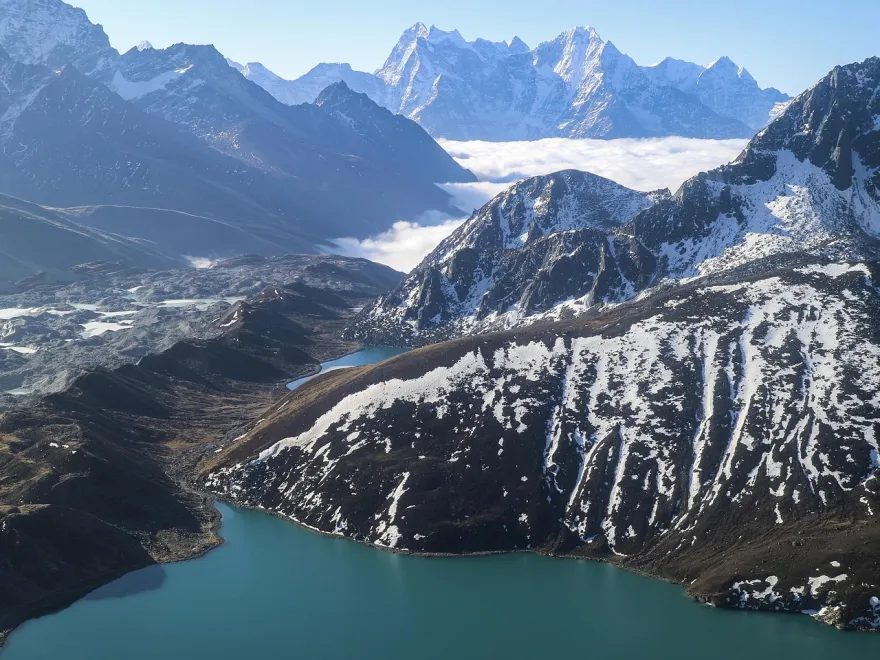
Experience the breathtaking Gokyo Valley Trek with Everest Extreme Adventure, exploring turquoise alpine lakes, traditional Sherpa villages, dramatic glaciers, and spectacular Himalayan peaks. Hike Gokyo Ri for unforgettable panoramic views of Everest, Lhotse, Makalu, and Cho Oyu on this remarkable adventure.
Gokyo Valley is a discreet trekking destination located on the foothills of Gokyo Ri Peak (5357m). The pristine valley is home to six different alpine freshwater lakes ranging from an altitude of 4,700m-5000m. Enjoy trekking along the scenic Everest trail towards Gokyo Valley and explore the largest glacier of Ngozumpa.
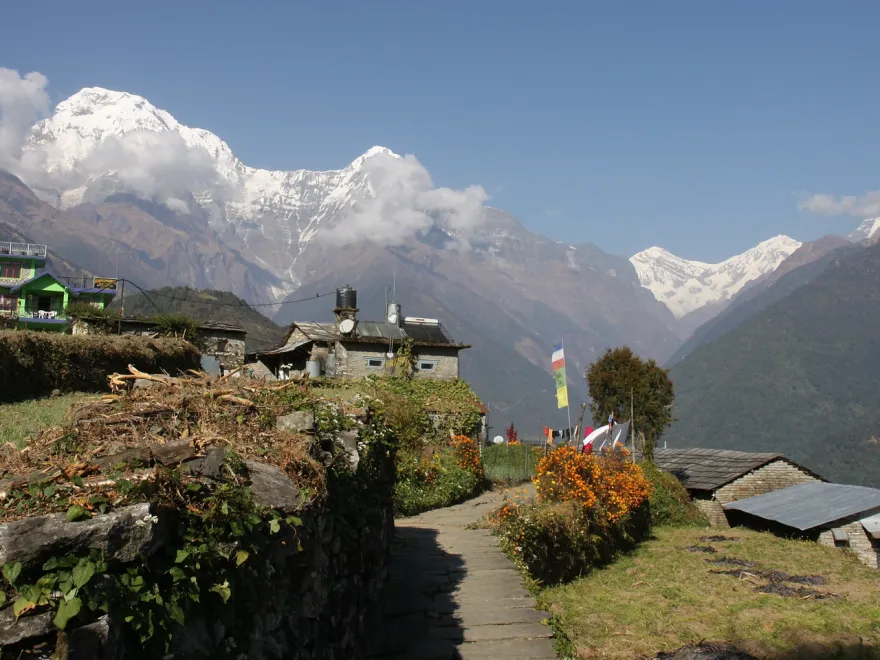
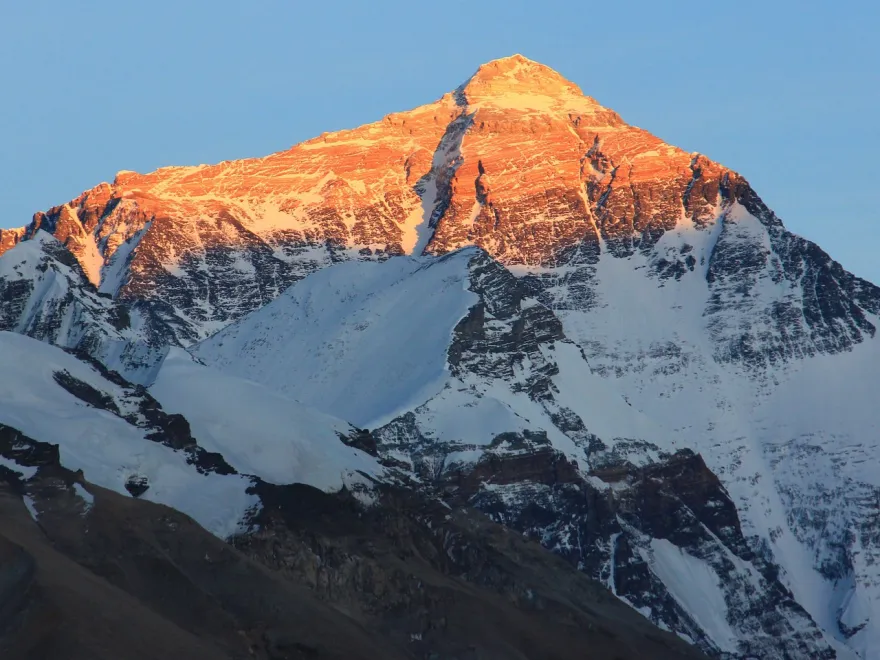
The small settlement of Gokyo at 4,750 meters makes one of the highest inhabited regions in the world. It lies on the west side of Ngozumpa Glacier, the largest glacier in the Himalayas located on the foothills of Cho Oyu, the fifth highest peak in Nepal. Thonak Cho is the largest lake among the six Gokyo lakes in the region, while Gokyo Cho, also known as Dudh Pokhari, remains the major lake revered by many Hindus and Buddhists. Enjoy the majestic panorama of Mount Everest, Lhotse, Cho Oyu, Kongde Ri, and Thamserku peaks along the trail.
Arrive in Kathmandu City and indulge in a scenic sightseeing tour of some of the UNESCO World Heritage Sites. Visit Swayambhunath, Pashupatinath, Hanuman Dhoka, and Boudhanath Stupa. Embark on a short flight to Everest Region. The 25min flight will offer a beautiful aerial tour of the Himalayan Peaks and lush green forests en route to Lukla.
The trek advances through traditional Sherpa villages of Phakding and Monjo towards Namche Bazaar. Explore Namche Bazaar, one of the highlights of this trek. Take the western route and begin climbing towards Gokyo village via Dole and Machhermo. The Gokyo tour starts with a climb of Gokyo Ri Peak, followed by a pleasant walk around Gokyo Lakes. Explore the revered site of Dudh Pokhari and pay a visit to Thonak Cho. Afterward, you’ll begin descending towards Namche Bazaar. Catch the beautiful sight of Mount Everest from the Everest Viewpoint before heading back to Namche. Embark on the last section of the trail overlooking the majestic Kongde Ri Peak (6187m). The trek concedes at Lukla.
Embark on a handpicked Gokyo Valley Trek with Everest Extreme Adventure. We run successful treks around different trekking destinations inside Nepal, Tibet, and Bhutan. Join our fixed departure or consider booking a private trip with your close one. Enjoy a full-board service.
The Gokyo Valley Trek is particularly suitable for travelers looking for magnificent Himalayan scenery without following exactly the same route as the Everest Base Camp Trek. With carefully planned walking days, comfortable teahouse accommodation, and gradual elevation gain, the itinerary provides an unforgettable Himalayan experience.
The best seasons for the Gokyo Valley Trek are generally spring and autumn, when the weather is relatively stable, visibility is excellent, and the Himalayan landscape is at its most impressive. Spring, particularly from March to May, brings pleasant trekking conditions, clear mountain views, and colorful rhododendron forests along the lower sections of the trail. Temperatures become more comfortable during the daytime, making long trekking days easier and more enjoyable. This season is also popular among trekkers who want to experience the Everest region when nature is vibrant and the mountain trails are lively.
Autumn, from September to November, is another excellent period for the Gokyo Valley Trek. Following the summer monsoon, the atmosphere is generally clearer, providing outstanding views of the surrounding Himalayan peaks. October and November are especially popular because of the combination of stable weather, excellent visibility, and comfortable daytime trekking temperatures. The mountain villages and teahouses can be busier during these peak months, so advance planning is recommended.
Winter trekking is possible for experienced trekkers, but cold temperatures, snowfall, icy trails, and difficult high-altitude conditions can make the journey more challenging. The winter landscape can be beautiful, particularly around Gokyo Lake, but proper equipment and preparation are essential. The monsoon season can bring rain, clouds, slippery trails, and occasional flight disruptions around Lukla.
Everest Extreme Adventure can help travelers select suitable trekking dates according to weather conditions, experience level, and personal preferences.
The Gokyo Valley Trek is considered a moderate to challenging high-altitude trek. Although it does not require technical mountaineering skills, trekkers should be physically fit because the route involves several hours of walking each day, steep uphill and downhill sections, rocky terrain, suspension bridges, and significant altitude gain. The highest point of this itinerary is Gokyo Ri at 5,357 meters, where the effects of altitude can be noticeable. Proper acclimatization, hydration, a comfortable walking pace, and adequate rest are therefore very important.
The itinerary has been designed with an acclimatization day in Namche Bazaar before continuing toward higher elevations. The route passes through Phakding, Namche Bazaar, Dole, Machhermo, and Gokyo before descending through Dole and Namche to Lukla. Transportation is primarily by domestic flight and trekking on foot. On Day 3, trekkers take a scenic flight from Kathmandu to Lukla, followed by the trek to Phakding. After completing the trekking portion, a flight from Lukla brings travelers back to Kathmandu.
Trekkers should prepare with regular cardiovascular exercise, hiking, stair climbing, and endurance training before departure. Everest Extreme Adventure provides experienced trekking support and itinerary guidance to help guests enjoy the journey safely and comfortably.
Accommodation during the Gokyo Valley Trek is primarily provided in comfortable local teahouses and lodges along the trekking route. These establishments are an important part of the Himalayan trekking experience and offer a warm place to rest after each day's walk. Rooms are generally simple, clean, and practical, with basic beds and blankets. At higher elevations, facilities can become more basic because transportation and supplies are more difficult to bring into the mountains. Shared bathroom facilities are common in many locations, especially at higher elevations.
Food on the trek usually consists of a combination of traditional Nepali meals, Sherpa and Tibetan-influenced dishes, and familiar international options. Dal bhat, consisting of rice, lentil soup, vegetables, and sometimes curry, is a popular choice because it provides a filling source of carbohydrates and protein. Trekkers can also commonly find noodles, pasta, soups, potatoes, eggs, bread, momos, pancakes, and other simple meals. Hot tea, coffee, and other beverages are widely available at teahouses.
Because the trek reaches nearly 5,400 meters, maintaining adequate hydration and eating nutritious meals is particularly important. Everest Extreme Adventure can provide guidance about suitable food choices and daily hydration during the trek. The combination of local hospitality, mountain scenery, and traditional Himalayan food makes the accommodation experience an integral part of the Gokyo Valley adventure.
Trekkers participating in the Gokyo Valley Trek need the appropriate permits and entry documents required for trekking in Nepal's Everest region. The route passes through the Sagarmatha National Park, a protected Himalayan area that requires an entry permit. Trekkers also need the applicable local area trekking registration or permit for the Khumbu region. These documents help regulate tourism, support conservation activities, and contribute to the management of trekking infrastructure in the region.
For travelers booking their trek with Everest Extreme Adventure, the company can assist with the necessary permit arrangements as part of the trekking preparation process. Trekkers should provide the required personal information and travel documents in advance so that the paperwork can be organized efficiently. Carrying copies of your passport and relevant travel documents is also recommended throughout the journey.
Permit requirements and fees can change, so travelers should confirm the latest regulations before departure. Everest Extreme Adventure can provide updated information during the booking and pre-trek preparation process. Having the correct permits in place allows trekkers to focus on enjoying the landscapes, villages, glaciers, and mountain views without unnecessary administrative concerns.
Proper documentation is particularly important because permit checkpoints may be encountered along the trekking route. Travelers should keep their documents accessible and follow the instructions of local authorities and trekking staff throughout the journey.
Choosing the Gokyo Valley Trek means experiencing a spectacular part of the Everest region while exploring a route known for its dramatic landscapes and beautiful alpine lakes. The trek provides an outstanding combination of mountain scenery, Sherpa culture, peaceful villages, forests, glaciers, and high-altitude viewpoints. Gokyo Ri is the main viewpoint of the journey and offers an exceptional Himalayan panorama, including some of the world's highest peaks. For travelers who want an alternative to the more frequently traveled Everest Base Camp route, Gokyo provides a rewarding and visually impressive experience.
Another important reason to choose this trek is the carefully structured itinerary. The journey includes acclimatization at Namche Bazaar before ascending farther into the high Himalayas. The route then progresses through Dole and Machhermo to Gokyo, allowing trekkers to experience gradual changes in landscape and altitude. After reaching Gokyo and hiking to Gokyo Ri, the itinerary returns through Dole and Namche to Lukla. This combination of challenging walking, scenic landscapes, and cultural encounters creates a memorable Himalayan adventure.
With Everest Extreme Adventure, travelers can enjoy professional trekking support, itinerary planning, permit assistance, transportation coordination, and guidance throughout the journey. Whether you are an experienced trekker or preparing for your first high-altitude Himalayan adventure, the Gokyo Valley Trek offers an unforgettable opportunity to discover the natural and cultural beauty of Nepal's Everest region.
The 13-day Gokyo Valley Trek with Everest Extreme Adventure begins with your arrival in Kathmandu, followed by sightseeing and trek preparation. The adventure then continues with a scenic flight to Lukla and a trek through Phakding to Namche Bazaar, where you spend an acclimatization day. From Namche, the trail gradually ascends through Dole and Machhermo to the spectacular Gokyo Valley, surrounded by dramatic Himalayan peaks and turquoise glacial lakes.
A major highlight is the hike to Gokyo Ri at 5,357 meters, offering panoramic views of Everest, Lhotse, Makalu, and Cho Oyu. The journey then descends through Dole and Namche to Lukla before the return flight to Kathmandu. Everest Extreme Adventure provides organized transportation, trekking support, and a carefully planned itinerary.
Gokyo Valley Trek begins upon your arrival in Kathmandu, Nepal. Stay in one of the finest star-rated hotels in Kathmandu and enjoy a delicious welcome dinner in the most elegant Nepali restaurant. We will meet at our office to discuss the trip in detail. You will meet your trek guide and staff. We’ll exchange necessary documents, after which you can head out to stroll around the city. Overnight in Kathmandu.
After initial preparation for the trek, you’ll embark on a sightseeing tour of the UNESCO World Heritage Sites in Kathmandu. There are seven different UNESCO designated sites in Kathmandu Valley. Some of the most visited sites are Swayambhunath, Boudhanath, Pashupatinath, and Kathmandu Durbar Square. Indulge in a guided tour and explore the historical and cultural riches of the city. Swayambhunath and Boudhanath are two major Buddhist stupas, while Pashupatinath is a Hindu temple. Kathmandu Durbar Square is home to a Malla-era palace, temples, statue of Kal Bhairava, and other cultural monuments. Overnight in Kathmandu.
Embark on an early flight to Lukla, located on the foothills of Mount Everest. The flight from Kathmandu to Lukla may last 25 minutes. Catch the beautiful aerial sights of the mountains, lush green hills, and villages. Enjoy your breakfast at Lukla and then embark on the first day of the trek. Lukla is the gateway to the Sagarmatha National Park; a UNESCO designated a Himalayan national park. The first day of the trek takes you through dense Sherpa settlements towards the village of Phakding. Overnight in Phakding.
Phakding is a Sherpa village that lies between Sagarmatha National Park and Lukla. Leaving Phakding, you’ll begin trekking along the scenic waterfall towards Monjo village. The trail follows the upstream path along the Dudh Koshi River. Get your Sagarmatha National Parkentry permit at Monjo, and continue trekking inside the park. A short uphill climb will bring you to Namche Bazaar overlooking the beautiful Kongde Ri Peak. Overnight in Namche.
Wake up to the magnificent view of Kongde Ri peak right infront of you. Enjoy a fabulous breakfast and then embark on the tour of the pristine valley. Begin the journey with a stroll around Namche Bazaar. From here, you’ll begin climbing uphill for 30 minutes to arrive at Khumjung Village. Another Sherpa village, Khumjung, is home to the iconic Khumjung Monastery. Here, you can witness the purported Yeti scalp and arm preserved inside a glass box. From here, you’ll head towards Hillary School. Explore the school area and then begin climbing down through Kunde towards Namche Bazaar. Spend the evening acclimatizing. Overnight in Namche.
Leaving Namche, you’ll begin trekking upstream to Dudh Koshi River. A long flight of stone steps will bring you towards the sparse forests. Cross the forest to arrive at Phortse village. From here, you’ll begin trekking westward along the Gokyo trail. Tourists seldom traverse the quaint region. Walk past Kyanjuma village to arrive at Sansa. Enjoy the beautiful sights of Ama Dablam, Thamserku, Taboche, and Khumbila mountains en route to Dole. Overnight in Dole.
The quaint area of Dole is home to a lush-beautiful Rhododendron forest. Begin walking through the wild rhododendron bushes and along scenic waterfalls towards Luza village. The beautiful trail offers an ample view of majestic peaks such as Cho Oyu, Kantega, and Thamserku. Continue trekking along the Dudh Koshi River to reach Machhermo. Overnight in Machhermo.
Machhermo lies amidst the glaciers and rocky patches. The final section of the trail goes past the Gokyo trail to reach Gokyo village. Wake up to the beautiful sights of Kangtega, Thamserku, and Cho-Oyu peaks. Leaving Machhermo, you’ll begin climbing uphill towards Phangga village. A rather tricky terrain will follow along the Gokyo River towards Ngozumpa Glacier. Accompanied by the sight of the largest glacier in the Himalayas, you’ll trek past Longpongo towards Raboche Tsho. A short hike from Raboche will bring you to Gokyo village. Spend the evening admiring the majestic sight of Dudh Pokhari.
Afterearly morning breakfast, you’ll embark on a couple of hours hike towards Gokyo Ri. Gokyo Ri, at 5357 meters, is located on the west to Ngozumpa Glacier. A moderate hike will take you above Gokyo village and to the top of the peak. Catch the majestic sights of Everest, Lhotse, Makalu, and Cho Oyu peaks along with the serene view of Ngozumpa glacier and Dudh Pokhari. Retrace your path and begin trekking down towards Dudh Pokhari. Continue trekking down to Machhermo to arrive at Dole (4200m). Overnight in Dole.
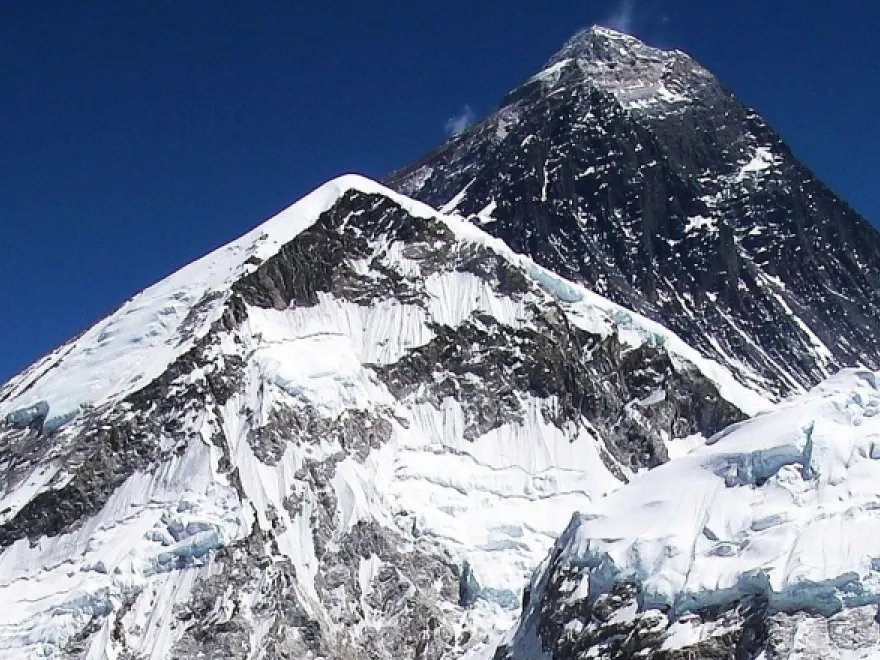
Leaving Dole, you’ll begin trekking towards Dudh Koshi Valley. After a few hours of trek, you’ll arrive at the significant Everest trail. Continue traveling downhill towards Phortse Thanga and walk through the lush rhododendron forest towards Monjo. Walk past Namche Army Camp hill to begin descending towards Namche Bazaar. Catch the final sight of Mount Everest from the Everest viewpoint before arriving at Namche. Overnight in Namche.
Wake up to the beautiful view of Kongde Ri Peak. After breakfast, you’ll begin trekking downhill and cross a few suspension bridges to reach Monjo village. You’ll exit Sagarmatha National Park and continue trekking downhill towards Phakding village. An hour-long trek will bring you back to Lukla village. Overnight in Lukla.
You’ll wake up rather early and embark on a short flight back to Kathmandu. Catch the beautiful sights of the mountains from the flight as you make your way back. Before you land at Tribhuvan International Airport, you can catch the mesmerizing view of the UNESCO World Heritage,Boudhanath Stupa. Transfer to the hotel. Enjoy a delicious farewell dinner in one of the most excellent restaurants in the city. Share your experience with us!
On the last day in Kathmandu, you can choose to do whatever you like. Our representative will drop you off at the airport at the time of your flight
The Gokyo Valley Trek is a spectacular Himalayan adventure in Nepal's Everest region, known for its turquoise glacial lakes, dramatic mountain landscapes, Sherpa villages, and panoramic views from Gokyo Ri. With Everest Extreme Adventure, the journey follows a carefully planned route from Kathmandu to Lukla, Phakding, Namche Bazaar, Dole, Machhermo, and Gokyo before returning through Namche and Lukla.
The itinerary provided by Everest Extreme Adventure takes 13 days, including arrival and departure days in Kathmandu. The actual trekking portion begins after the flight to Lukla and includes acclimatization at Namche Bazaar, several days of gradual ascent, the Gokyo Valley and Gokyo Ri excursion, and the descent back to Lukla. This schedule allows trekkers to experience the major highlights without rushing the journey.
The highest point on this itinerary is Gokyo Ri, at approximately 5,357 meters (17,575 feet) above sea level. Reaching the summit requires an early-morning hike from Gokyo and can be physically demanding because of the high altitude. Everest Extreme Adventure recommends maintaining a steady pace, staying hydrated, taking adequate rest, and following the guidance of experienced trekking staff.
The Gokyo Valley Trek is generally considered a moderate to challenging high-altitude trek. It does not normally require technical climbing skills, but trekkers need good physical fitness and endurance. Daily walks can last around five to seven hours, with steep ascents, descents, rocky trails, and increasing altitude. Proper preparation, acclimatization, and a comfortable walking pace are important for completing the trek safely.
The trek offers numerous highlights, including the beautiful Gokyo Lakes, Gokyo Ri viewpoint, traditional Sherpa settlements, glaciers, alpine landscapes, and spectacular views of Everest, Lhotse, Makalu, and Cho Oyu. Trekkers also experience the famous Namche Bazaar, Sagarmatha National Park, and scenic Lukla flights. Everest Extreme Adventure combines these natural and cultural experiences into a memorable Himalayan trekking adventure.
The trekking journey begins with a flight from Kathmandu to Lukla, one of the main gateways to the Everest region. After landing at Lukla, the trek proceeds on foot toward Phakding and then Namche Bazaar. At the end of the trek, trekkers return to Lukla and take a flight back to Kathmandu. Everest Extreme Adventure coordinates the required transportation as part of the itinerary.
Previous high-altitude trekking experience is helpful but not necessarily required for the Gokyo Valley Trek. However, trekkers should have good physical fitness and be comfortable walking for several hours on uneven mountain terrain. The trek does not normally involve technical climbing. Everest Extreme Adventure provides experienced trekking support and guidance, while trekkers should prepare physically before departure and follow recommended acclimatization practices.
Choosing Everest Extreme Adventure provides the benefit of organized trekking support throughout your Himalayan journey. The company assists with itinerary planning, transportation, permits, accommodation arrangements, and trekking coordination. Its carefully designed Gokyo Valley itinerary combines acclimatization, scenic trails, cultural experiences, and the rewarding Gokyo Ri climb, allowing travelers to explore one of Nepal's most beautiful high-altitude trekking destinations with professional support.
The best seasons for the Gokyo Valley Trek are generally spring and autumn. March to May offers pleasant trekking conditions, blooming rhododendrons, and beautiful mountain scenery, while September to November usually provides clear skies and excellent Himalayan visibility. Winter is possible for experienced trekkers with suitable equipment, whereas the monsoon season can bring rain, clouds, slippery trails, and potential flight disruptions.
Trekkers need the applicable permits for entering and trekking through the Everest region, including the Sagarmatha National Park entry permit and the relevant local area trekking permit. Requirements and fees may change, so current regulations should be confirmed before departure. Everest Extreme Adventure assists trekkers with the necessary permit arrangements and documentation as part of the trek preparation process.
Accommodation during the Gokyo Valley Trek is generally provided in local teahouses and mountain lodges. Rooms are usually simple and comfortable, commonly featuring twin beds and basic furnishings. Facilities can become more basic at higher elevations. Bathrooms may be shared, particularly in remote areas. Everest Extreme Adventure helps coordinate appropriate teahouse accommodation along the route so trekkers have a place to rest after each walking day.
Teahouses along the route serve a variety of nutritious meals suitable for trekkers. Popular options include traditional dal bhat, vegetables, potatoes, noodles, pasta, soups, eggs, bread, momos, and pancakes. Tea, coffee, and other hot drinks are also commonly available. Everest Extreme Adventure recommends eating sufficiently and drinking plenty of fluids because proper nutrition and hydration become increasingly important as you gain altitude.