Group Adventure Dates.  4.9 of 489 reviews
 4.8 of 232 reviews
4.9 of 489 reviews 4.8 of 232 reviews 
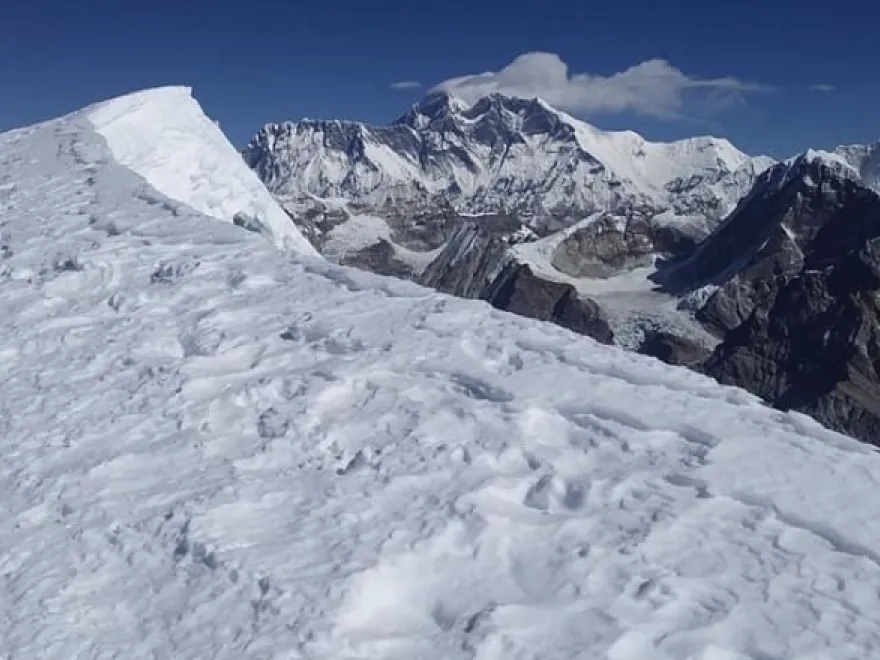
Mera Peak Climbing with Everest Extreme Adventure is an unforgettable 17-day Himalayan adventure featuring scenic trekking, Sherpa culture, glacier exploration, and a thrilling 6,461-meter summit. Experience breathtaking mountain panoramas, expert climbing support, and the spectacular natural beauty of Nepal’s remote Hinku Valley.
Dubbed as the highest trekking peak in Nepal, Mera Peak (6476m) is located in the Makalu Barun National Park. The journey to the top of the mountain offers a one-of-a-kind adventure in the Himalayas.
Moreover, the trip also provides an insight into the Sherpa culture and lifestyle. Also, Mera Peak Climbing is full of beautiful natural sights and Himalayan scenery. To sum up, it is a trip for the bravest of souls who desire to experience the Everest and Makalu Himalayas.
Overview of Mera Peak Climbing
As most of the trips in Nepal, your journey to the Mera Peak begins in Kathmandu. Then, a short and scenic flight will take you to Lukla. From here, the trek begins as you follow the Dudh Koshi River south towards Paiya.
Likewise, the trail continues south and ascends the Chutok La Pass. Then, you reach Panggom as the Sherpa culture and traditions welcome you trek through one village to another. The trail takes you to Ningsow and then to Chhetra Khola. Next, you begin to travel north and continue across the pasture lands and meadows.
The gradually ascending trail will take you to Kothe. Then, you continue in the company of the Charpate Himal ranges and settle at Thangnak. Here, you acclimatize for a day and prepare to scale the Mera Peak.
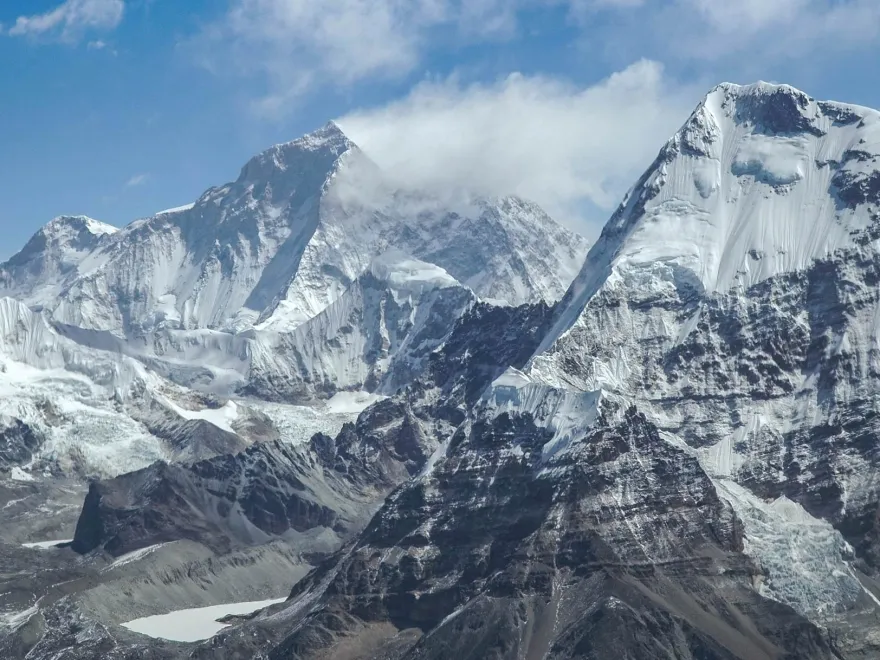
You will ascend to the Mera Peak Base Camp and prepare for the ascent to the top of the peak. The uphill climb entails many steep inclines across icy paths and steep terrain. The summit of the Mera Peak offers a surreal panorama of the Himalayas, including the Mt. Everest (8848m), Makalu (8463m), and Charpate Himal range among others.
After enjoying the views, you begin the return trek. On the way back, you take a slightly different route and cross the Zatrwa La Pass (4610m). Then, you reach Lukla and fly back to Kathmandu.
Mera Peak Climbing is one of the most rewarding Himalayan mountaineering adventures in Nepal, offering an unforgettable combination of trekking, high-altitude exploration, and an exhilarating summit experience. Standing at 6,461 meters above sea level, Mera Peak is widely regarded as an excellent choice for adventurous trekkers who want to experience Himalayan peak climbing without attempting a highly technical mountain. The journey takes you through the beautiful Hinku Valley, traditional Sherpa settlements, peaceful forests, alpine meadows, glaciers, and breathtaking mountain landscapes. Organized by Everest Extreme Adventure, this 17-day itinerary combines cultural sightseeing in Kathmandu, a scenic flight to Lukla, gradual altitude gain, acclimatization, climbing preparation, and the final summit attempt.
The adventure begins with arrival in Kathmandu, where travelers explore the cultural highlights of the Kathmandu Valley and prepare for the trek. From Lukla, the trail passes through Chutanga, crosses the challenging Zatrwa La Pass at approximately 4,600 meters, and continues toward Thuli Kharka, Kothe, Thangnak, and Khare. Dedicated acclimatization days at Thangnak and Khare help climbers adapt to the increasing altitude and prepare for the demanding summit section. After reaching Mera High Camp at 5,780 meters, climbers make their summit attempt before descending to Khare and retracing the route toward Lukla.
From the summit, climbers can enjoy spectacular views of several major Himalayan peaks, including Mount Everest, Lhotse, Makalu, Cho Oyu, and Kanchenjunga, depending on weather conditions and visibility. The experience requires physical fitness, determination, and proper preparation, but the reward is an extraordinary sense of achievement in the heart of the Himalayas.
The best seasons for Mera Peak Climbing are generally spring (March to May) and autumn (September to November). During these periods, Nepal usually experiences more stable Himalayan weather, clearer mountain views, and comparatively favorable conditions for trekking and climbing. Spring brings warmer temperatures at lower elevations and excellent visibility, while autumn follows the monsoon and often offers exceptionally clear skies and crisp mountain scenery.
October and November are particularly popular for high-altitude adventures because the atmosphere is generally clear and the mountain panorama can be spectacular. Spring, especially April and May, is also an excellent period, with pleasant conditions in the lower valleys and good opportunities for summit attempts. Everest Extreme Adventure plans the itinerary with acclimatization and weather conditions in mind, while the final summit attempt remains dependent on actual mountain conditions.
Mera Peak Climbing is considered a challenging high-altitude mountaineering adventure, primarily because of its elevation, extended trekking days, cold temperatures, and the physical demands of the summit push. Although the standard route is not generally considered highly technical in normal conditions, climbers must be comfortable walking for several consecutive days over uneven terrain and must learn to use mountaineering equipment such as crampons, an ice axe, a harness, and a climbing rope where required. The summit day is particularly demanding, often involving approximately 10–11 hours of climbing and descending, depending on weather, snow conditions, pace, and the group's overall progress.
The itinerary includes important acclimatization opportunities at Thangnak and Khare, helping participants adjust to progressively higher elevations before moving to Mera High Camp. Even with acclimatization days, altitude sickness remains a serious risk, and no itinerary can guarantee complete protection. Travelers should prepare through regular cardiovascular exercise, hiking, stair climbing, and strength training before departure. Following the climbing guide's instructions, maintaining a steady pace, staying hydrated, and reporting symptoms early are essential. Severe or worsening altitude symptoms require prompt assessment and descent when indicated.
Transportation begins in Kathmandu, where travelers can explore the city and complete expedition preparations. The next major stage is a domestic flight to Lukla, a mountain airport that provides access to the trekking region. The flight typically takes approximately 30–40 minutes, although schedules depend on airline operations, weather, and airport conditions. Flights may sometimes operate from or be rerouted through Ramechhap, depending on seasonal arrangements, requiring an additional road transfer from Kathmandu.
After arriving in Lukla, the journey continues on foot through Chutanga, Thuli Kharka, Kothe, Thangnak, Khare, and Mera High Camp. Following the summit attempt, climbers descend through the same general route toward Lukla before flying back to Kathmandu. The itinerary includes a reserve day in Kathmandu to provide flexibility for flight delays and other unexpected disruptions.
Difficulty and transportation highlights:
Food and accommodation are important considerations during Mera Peak Climbing because proper nutrition, hydration, and rest support physical performance and recovery at high altitude. During the trekking portion, climbers generally stay in local teahouses or mountain lodges, where meals are prepared to provide energy for long days on the trail. Common food options include dal bhat, rice, noodles, vegetable curry, soups, potatoes, eggs, porridge, bread, pancakes, and other locally available dishes. Menus and food availability can become more limited as the route moves into remote and higher-altitude areas.
Dal bhat, a traditional Nepali meal consisting of rice, lentil soup, vegetables, and sometimes additional side dishes, is a popular choice among trekkers because it provides a filling source of carbohydrates and other nutrients. Climbers can also choose from vegetarian meals and other available options according to their preferences. Drinking enough safe water is essential throughout the expedition, especially during strenuous ascents. Trekkers should carry a reusable water bottle and suitable water-treatment supplies, and should follow the guide's recommendations regarding drinking water. Special dietary requirements should be communicated to Everest Extreme Adventure before the trip so that suitable arrangements can be discussed.
Accommodation generally consists of twin-sharing rooms in teahouses or lodges during the lower and middle sections of the trek, subject to availability. Facilities are relatively basic in remote mountain settlements, and private bathrooms, hot showers, reliable electricity, and internet access may be limited or require additional payment. Temperatures can drop significantly at night, so a suitable sleeping bag and warm clothing are essential.
At Mera High Camp, accommodation is normally provided in expedition tents rather than conventional lodges. Camping arrangements require appropriate sleeping equipment, insulated clothing, and preparation for cold, windy conditions. The expedition team organizes the necessary high-camp logistics according to the package arrangements. In Kathmandu, accommodation is generally provided in a hotel, with the category and included services depending on the selected package.
Food and accommodation highlights:
Mera Peak Climbing requires the appropriate permits and official documentation before entering the trekking and climbing areas. The exact permit requirements and fees can depend on the route, season, and current regulations of the relevant Nepalese authorities. Since climbing regulations and fees can change, Everest Extreme Adventure handles the necessary permit arrangements according to the applicable rules at the time of the expedition.
In addition to the peak-climbing permit, trekkers may need the relevant trekking-area or conservation-area documentation and local entry permits depending on the route being used. Travelers should provide the necessary passport information and other required documents to the company well before departure so that the permits can be arranged properly. Carrying copies of important travel documents during the trek is also recommended.
Choosing the right expedition company is an important part of planning a safe, organized, and enjoyable Himalayan climbing experience. Mera Peak Climbing involves remote mountain trails, high-altitude camps, unpredictable weather, and a demanding summit day, making experienced logistical support especially valuable. Everest Extreme Adventure organizes the journey around the 17-day itinerary, including Kathmandu arrival arrangements, trekking preparations, the Lukla flight connection, acclimatization days, high-camp logistics, and the return journey. The specific services provided depend on the package selected and should be confirmed before booking.
A well-organized expedition allows climbers to focus on their preparation and the mountain experience while the team coordinates important practical details. These may include accommodation, meals during the trek, transportation arrangements, permit assistance, guide services, climbing equipment logistics, and communication about changes to the itinerary. Proper acclimatization is particularly important on this route, so the planned rest days at Thangnak and Khare provide valuable opportunities to monitor how participants are responding to altitude before proceeding higher.
Another advantage of this expedition is the opportunity to experience several sides of Nepal in a single journey. The itinerary starts with the cultural attractions of Kathmandu, continues through traditional mountain communities and remote Himalayan valleys, and culminates in a high-altitude climbing objective. Along the way, travelers experience local hospitality, changing landscapes, alpine environments, and panoramic mountain scenery. The summit attempt offers a memorable personal challenge, while the descent provides time to appreciate the landscape and reflect on the achievement.
Everest Extreme Adventure can also help prospective climbers understand the physical preparation, equipment requirements, insurance considerations, and realistic challenges involved in Mera Peak Climbing. Before confirming a booking, travelers should review the guide-to-climber arrangements, emergency procedures, included climbing gear, cancellation conditions, and the company's specific safety protocols. No operator can guarantee favorable weather or summit success, but thoughtful planning and responsible decision-making can improve the overall expedition experience.
Reasons to choose Everest Extreme Adventure:
With suitable preparation, realistic expectations, and a carefully organized itinerary, Mera Peak Climbing with Everest Extreme Adventure can be a rewarding introduction to Himalayan mountaineering and a memorable journey to one of Nepal's outstanding trekking peaks.
About Us
At Everest Extreme Adventure, we are a team of highly professional staff with great resources. Also, we have various trips similar to the Mera Peak Climbing across Nepal. Moreover, we also allow you to modify the itinerary as per your travel wishes.

Mera Peak Climbing with Everest Extreme Adventure is an exciting 17-day Himalayan expedition combining cultural exploration, high-altitude trekking, and mountaineering. The journey begins in Kathmandu with sightseeing and climbing preparations before a scenic flight to Lukla. Following the beautiful Hinku Valley, the trail passes through Chutanga, Thuli Kharka, Kothe, Thangnak, and Khare, offering spectacular mountain scenery and authentic Himalayan experiences.
The itinerary includes essential acclimatization days at Thangnak and Khare before ascending to Mera High Camp at 5,780 meters. The highlight is the summit of Mera Peak at 6,461 meters, rewarding climbers with breathtaking panoramic views of Everest, Lhotse, Makalu, and other Himalayan giants. After descending to Khare, the return trek leads to Lukla and a flight back to Kathmandu, followed by a reserve day and farewell dinner before final departure.
Upon your arrival at Tribhuvan International Airport in Kathmandu, a representative from Everest Extreme Adventure will welcome you and assist you with your transfer to the hotel. After checking in, you can take some time to refresh yourself and relax after your international journey. Later, you will meet our team members, who will introduce you to the upcoming Mera Peak climbing adventure and explain the general itinerary. During the evening, you can enjoy a welcome dinner and discuss any questions regarding the trek, climbing equipment, permits, and safety arrangements. Overnight stay at a hotel in Kathmandu.
After breakfast, you will explore some of Kathmandu Valley's remarkable cultural and historical landmarks before beginning your Himalayan adventure. Your sightseeing tour includes Boudhanath Stupa, an important Buddhist pilgrimage site surrounded by monasteries and prayer wheels, followed by Pashupatinath Temple, one of the most sacred Hindu temples in Nepal. You will then visit Kathmandu Durbar Square to admire traditional Newari architecture, historic palaces, and ancient courtyards. Depending on the available time, you may also visit Swayambhunath Stupa, which offers panoramic views of the Kathmandu Valley. Later, our team will check your climbing equipment and help you purchase or rent any missing gear. Overnight stay at a hotel in Kathmandu.
After an early breakfast, you will transfer to the airport for your scenic flight to Lukla, the gateway to the Everest region. The approximately 30–40-minute flight offers spectacular views of rolling hills, deep valleys, and snow-covered Himalayan peaks, subject to weather and visibility. Upon landing at Tenzing-Hillary Airport, you will meet your trekking crew and organize the luggage before starting the journey toward Chutanga. The trail gradually leaves the busy surroundings of Lukla and enters peaceful forests filled with rhododendron, pine, and other alpine vegetation. Today's walk is relatively short, allowing your body to begin adjusting to the increasing altitude. You will arrive at Chutanga, where you can relax and enjoy dinner at a local lodge or trekking accommodation arranged by Everest Extreme Adventure.
After breakfast, you will begin one of the more challenging days of the trek as you make your way toward Zatrwa La Pass. The trail climbs steadily through rocky terrain, forested slopes, and open mountain landscapes, becoming steeper as you approach the pass. Walking slowly and maintaining a comfortable pace is important because of the increasing altitude. Once you reach Zatrwa La Pass, you can enjoy impressive views of the surrounding Himalayan peaks, including Kongde Ri and other mountains in the Khumbu region, depending on weather conditions. After spending some time appreciating the scenery, you will descend along a rugged trail toward Thuli Kharka. The descent requires careful footing, particularly on loose stones and uneven sections. Upon arrival, you can rest, enjoy a warm meal, and prepare for the next stage of your Mera Peak adventure. Overnight stay at a teahouse or lodge in Thuli Kharka.
Today's journey takes you from the high alpine surroundings of Thuli Kharka toward the forested settlement of Kothe. After breakfast, you will follow a trail that traverses hillsides and gradually descends through beautiful forests of rhododendron, pine, and juniper. Along the way, you may encounter traditional grazing areas, small streams, and occasional clearings that provide glimpses of the surrounding mountains. As you descend, the air generally becomes warmer and richer in oxygen, offering some relief after the previous day's crossing of Zatrwa La Pass. The route includes both downhill and undulating sections, so you should continue walking carefully and remain attentive to the trail. Eventually, you will reach Kothe, a small settlement in the Hinku Valley that serves as an important stop for trekkers heading toward Mera Peak. In the evening, enjoy a nourishing dinner and rest at a local teahouse.
After breakfast in Kothe, you will continue northward through the scenic Hinku Valley toward Thangnak. The trail follows sections of the Hinku Khola and passes through peaceful woodland, rocky paths, and open mountain terrain. As you gain elevation, the landscape gradually changes from dense forest to more exposed alpine surroundings, with increasingly impressive views of the surrounding ridges and peaks. You may also encounter traditional yak pastures and small seasonal settlements used by local herders. Although today's walking distance is relatively short, the rising altitude makes it important to maintain a steady pace and drink enough water throughout the journey. Upon reaching Thangnak, you will settle into your accommodation and have time to relax while enjoying the spectacular mountain scenery. Your guide will also discuss the next day's acclimatization activities and answer questions about the upcoming approach to Mera Peak. Overnight stay at a teahouse in Thangnak.
Today is dedicated to acclimatization, giving your body valuable time to adapt to the higher altitude before continuing toward Khare and Mera High Camp. After breakfast, your guide from Everest Extreme Adventure may lead a gentle acclimatization walk to a suitable nearby viewpoint or higher trail, depending on weather conditions, your physical condition, and the guide's assessment. Walking gradually to a higher elevation and returning to sleep at a lower altitude can help your body adjust to the reduced oxygen levels. During the excursion, you can enjoy views of the surrounding Himalayan landscape, rocky slopes, and glacial terrain. After returning to Thangnak, spend the afternoon resting, hydrating, and checking your personal equipment. Your guide will monitor how you are feeling and review common symptoms of altitude sickness. This rest day is an important part of the climbing itinerary, helping you prepare for the more demanding days ahead. Overnight stay at a teahouse in Thangnak.
After breakfast, you will leave Thangnak and continue toward Khare, the main acclimatization and climbing preparation settlement for Mera Peak. The trail gradually ascends through an increasingly rugged landscape, passing rocky slopes and glacial deposits as the vegetation becomes sparse. Along the way, you will enjoy striking views of the surrounding mountains and the high-altitude terrain of the Hinku Valley. Although the walking time is relatively short, the elevation gain is considerable, so it is essential to maintain a slow and consistent pace. Your guide will encourage regular breaks and monitor your condition throughout the ascent. Upon reaching Khare, you will settle into your teahouse and have time to rest while taking in the impressive mountain surroundings. In the afternoon, you can organize your equipment and prepare for the next day's acclimatization and climbing practice. Overnight stay at a teahouse in Khare.
Today is an important preparation day before you head toward Mera High Camp and attempt the summit. After breakfast, your climbing guide will assess your physical condition and explain the technical requirements of the climb. Depending on weather, snow conditions, and your guide's judgment, you may undertake an acclimatization walk on nearby slopes before returning to Khare. You will also receive practical instruction on using mountaineering equipment, including crampons, an ice axe, a climbing harness, a helmet, and fixed-rope systems where required. Your guide will demonstrate appropriate movement on snow and ice and review rope procedures, communication signals, and essential climbing safety practices. The team will inspect your equipment, organize necessary supplies, and discuss the summit schedule. You should use the remaining time to rest, eat well, hydrate, and prepare mentally for the challenge ahead. Overnight stay at a teahouse in Khare.
After an early breakfast, you will leave Khare and begin the demanding ascent toward Mera High Camp. The route initially climbs over rocky terrain before reaching the glaciated slopes of the Mera La area. As you progress, the landscape becomes increasingly exposed, with snow, ice, and crevassed glacier sections requiring careful movement and close attention to your climbing guide's instructions. You will use appropriate mountaineering equipment and rope protection wherever conditions require it. Throughout the ascent, the surrounding Himalayan panorama becomes increasingly impressive, with views of major peaks such as Everest, Lhotse, Makalu, Cho Oyu, and other mountains in the region when visibility permits. After crossing the relevant high pass or glacier section, depending on the chosen route and current conditions, you will continue toward Mera High Camp. Upon arrival, the crew will establish or prepare the camp, and you will have a warm meal and time to rest. Your guide will provide a final briefing about the summit attempt, weather conditions, and departure schedule. Overnight at Mera High Camp.
Today is the highlight of your adventure with Everest Extreme Adventure: the summit attempt on Mera Peak, one of Nepal's famous trekking peaks. You will wake up around midnight or in the early hours of the morning, depending on weather conditions and the guide's plan. After a light meal and final equipment checks, you will begin climbing under headlamp light across the snow-covered slopes and glacial terrain. Progress may be slow because of the altitude, cold temperatures, and changing snow conditions, so maintaining a steady pace and following your guide's instructions is essential. As dawn breaks, the surrounding Himalayan giants gradually emerge into view. Reaching the summit at 6,461 metres rewards you with an extraordinary panorama that may include Everest, Lhotse, Makalu, Cho Oyu, and Kanchenjunga on a clear day. After celebrating briefly and taking photographs when conditions allow, you will descend carefully to High Camp and continue toward Khare. The long descent requires concentration and energy, so regular breaks and proper hydration are important. Overnight stay at a teahouse in Khare, provided the team can descend safely; the itinerary may be adjusted if weather, fatigue, or safety conditions require it.
After the demanding summit day, you will enjoy breakfast in Khare before beginning your descent toward Kothe. Today's route follows the familiar trail through the upper Hinku Valley, passing rocky slopes, alpine terrain, and sections of glacial deposits before gradually returning to lower elevations. As you lose altitude, the air becomes more comfortable, and the surrounding landscape slowly transitions toward greener hillsides and forested areas. The descent is generally less physically demanding than the summit climb, but your legs may still feel tired, so walking carefully and taking breaks is advisable. Along the way, you can reflect on the experience of reaching Mera Peak's summit and appreciate the remarkable scenery of the region from a different perspective. Upon reaching Kothe, you will check into your accommodation, enjoy a warm meal, and relax after the day's walk. This is a good opportunity to recover, celebrate your achievement with the trekking crew, and prepare for the return journey toward Lukla. Overnight stay at a teahouse in Kothe.
After breakfast, you will leave Kothe and begin the return trek toward Thuli Kharka. The trail follows sections of the Hinku Valley before climbing through forested slopes and crossing small streams and tributaries. Unlike the descent from Khare, today's journey involves a significant uphill section, so you should maintain a comfortable pace and allow sufficient time for rest stops. The route passes through beautiful woodland, open clearings, and occasional viewpoints where you can enjoy the surrounding mountains and ridgelines. Depending on the season, you may see rhododendron blossoms, grazing animals, or local herders moving through the area. As you approach Thuli Kharka, the terrain becomes more open and alpine in character. Upon arrival, you can settle into your lodge or teahouse, enjoy a hot meal, and rest before the final crossing of Zatrwa La Pass. Your guide will review the next day's route and the expected weather conditions. Overnight stay at Thuli Kharka.
Today, you will complete the final major trekking section of your Mera Peak adventure by crossing Zatrwa La Pass and descending toward Lukla. After breakfast, you will begin the ascent toward the pass, walking steadily over rocky trails and exposed mountain terrain. The climb may feel demanding after several days of trekking, but the surrounding views provide an excellent reward. From suitable viewpoints, you may see Kongde Ri, Cho Oyu, and other Himalayan peaks, depending on visibility. After reaching the pass, you will begin the long descent toward Chutanga and continue through forested trails and familiar landscapes until you reach Lukla. Once there, you can relax at your lodge, freshen up, and celebrate the successful completion of the trekking and climbing journey with your guide and crew. In the evening, Everest Extreme Adventure will arrange a farewell dinner, providing an opportunity to thank the local team and share memories from the expedition. Overnight stay at a lodge in Lukla.
After breakfast, you will prepare for your return flight from Lukla to Kathmandu. The flight is subject to weather conditions, airport operations, and seasonal scheduling, but when conditions are clear, you can enjoy beautiful aerial views of the Himalayan mountains, deep valleys, and green hillsides. Upon arrival in Kathmandu, a representative from Everest Extreme Adventure will assist with your transfer to the hotel. The remainder of the day is available for relaxation after your demanding mountain adventure. You may choose to enjoy a hot shower, visit a spa for a massage, explore the shops and cafés of Thamel, or simply rest at the hotel. If you wish to purchase souvenirs, traditional handicrafts, or trekking memorabilia, Kathmandu offers plenty of options. Your guide or company representative can also help you with any remaining arrangements. Overnight stay at a hotel in Kathmandu.
This reserve day is included to provide flexibility in case of unexpected delays during the expedition. Flights to and from Lukla can be affected by poor visibility, strong winds, or other operational restrictions, while summit attempts may also require schedule adjustments because of snowfall, high winds, or unsuitable climbing conditions. Having an additional day helps reduce the risk of disrupting your international departure plans, although it cannot eliminate every possible delay. If the itinerary has proceeded as planned, you can spend the day relaxing in Kathmandu, exploring local markets, visiting cultural attractions, or enjoying a leisurely meal at one of the city's restaurants. You may also take this opportunity to organize photographs, shop for souvenirs, and reflect on your experience in the Himalayas. In the evening, you can join the Everest Extreme Adventure team for a farewell dinner and celebrate the successful completion of your Mera Peak climbing journey. Overnight stay at a hotel in Kathmandu.
Today marks the conclusion of your Mera Peak climbing adventure in Nepal. Depending on your international flight schedule, you will enjoy breakfast at the hotel and prepare for your departure. Before leaving, please check that you have collected all your belongings, travel documents, climbing equipment, and personal items. A representative from Everest Extreme Adventure will arrange your transfer to Tribhuvan International Airport in accordance with your flight schedule, allowing sufficient time for check-in and other departure formalities. As you leave Nepal, you will carry memories of the spectacular Himalayan landscapes, the challenges of high-altitude trekking, and the achievement of standing on Mera Peak's summit. We sincerely appreciate your decision to travel with Everest Extreme Adventure and hope that our team's hospitality and support have made your journey memorable. Thank you for exploring the Himalayas with us, and we look forward to welcoming you back to Nepal for another unforgettable trekking or mountaineering adventure.
Mera Peak Climbing is a high-altitude trekking and mountaineering adventure that takes you to the summit of Mera Peak at 6,461 meters. With Everest Extreme Adventure, the journey follows the scenic and remote Hinku Valley route, passing through Sherpa villages, forests, alpine landscapes, glaciers, and high mountain terrain before reaching Mera High Camp and the summit.
Mera Peak Climbing is a challenging high-altitude mountaineering adventure that requires good physical fitness, endurance, and mental determination. Although the standard route is not highly technical in normal conditions, climbers must navigate glaciers, snow-covered terrain, and steep sections while dealing with cold temperatures and reduced oxygen levels. The summit stands at 6,461 meters, making altitude management essential. Everest Extreme Adventure recommends regular cardiovascular exercise, hiking, strength training, and appropriate acclimatization before attempting the climb. Previous mountaineering experience is beneficial, but beginners with excellent fitness and proper guidance may also participate.
Mera Peak stands at approximately 6,461 meters (21,190 feet) above sea level, making it one of Nepal's highest permitted trekking peaks. The itinerary gradually progresses from Lukla toward Khare and then Mera High Camp at around 5,780 meters. The final ascent requires an early start and can take approximately 10–11 hours for the summit and return.
Previous mountaineering experience is helpful but not always essential for physically fit and well-prepared trekkers. Mera Peak requires basic familiarity with high-altitude climbing equipment and techniques, particularly for glacier and snow conditions. Everest Extreme Adventure provides guidance and support throughout the climbing section. Participants should, however, be comfortable with long trekking days and understand the physical demands of high-altitude climbing.
The highest point of the itinerary is the Mera Peak summit at 6,461 meters. Before reaching the summit, trekkers spend time at Mera High Camp at approximately 5,780 meters. The itinerary also includes an acclimatization day at Thangnak. This gradual progression is designed to give the body time to adapt to increasing altitude before undertaking the challenging summit climb.
Summit day is the most demanding part of the expedition. Trekkers typically begin very early from Mera High Camp and ascend through snow and glacial terrain toward the summit. After reaching 6,461 meters, they spend a limited time enjoying the spectacular Himalayan panorama before descending. The complete summit-and-return journey can take approximately 10–11 hours, depending on conditions and individual pace.
Everest Extreme Adventure offers a carefully structured Mera Peak itinerary combining remote trekking, acclimatization, climbing preparation, and summit support. The journey includes experienced local assistance, permit coordination, trekking logistics, accommodation arrangements, and a reserve day for possible weather-related delays. With its combination of Himalayan scenery, Sherpa culture, challenging mountain terrain, and professional expedition support, the company provides a memorable and rewarding Mera Peak experience.
The standard Mera Peak Climbing itinerary with Everest Extreme Adventure takes approximately 17 days, including arrival and departure in Kathmandu. The journey includes cultural sightseeing, trekking preparations, a flight to Lukla, and several days of trekking through the Hinku Valley. Acclimatization days at Thangnak and Khare help prepare climbers for higher elevations before ascending to Mera High Camp. After the summit attempt, the itinerary continues with a descent to Khare, a return trek to Lukla, and a flight back to Kathmandu. A reserve day provides additional flexibility for weather-related delays.
Suitable equipment is essential for comfort and safety during this high-altitude expedition. Climbers generally need insulated mountaineering boots compatible with the required crampons, thermal base layers, fleece and insulated jackets, waterproof outerwear, warm gloves, a protective hat, sunglasses, and a suitable sleeping bag. Technical equipment may include a helmet, harness, ice axe, crampons, and climbing hardware, depending on the route and the package arrangements. Everest Extreme Adventure can provide an equipment checklist and clarify which items are supplied, rented, or required individually. A headlamp, personal medication, water bottles, sunscreen, and a well-fitted backpack are also useful for the journey.
The best seasons for Mera Peak Climbing are generally spring and autumn, particularly March to May and September to November. These periods usually offer more stable weather, clearer skies, and excellent Himalayan visibility. October and November are especially popular. Everest Extreme Adventure schedules expeditions during favorable periods while recognizing that summit success ultimately depends on actual mountain, snow, wind, and weather conditions.
The expedition begins in Kathmandu before continuing with a scenic flight to Lukla, situated at approximately 2,840 meters. The flight takes around 40 minutes under normal conditions. From Lukla, the trek proceeds through Paiya, Panggom, Ningsow, Chhetra Khola, Kothe, Thangnak, and Khare. Everest Extreme Adventure coordinates the transportation and trekking logistics for this remote Himalayan journey.
Mera Peak Climbing requires the appropriate climbing permit and other applicable trekking or local entry permits. Permit requirements and fees can vary according to government regulations, route, and season. Everest Extreme Adventure assists with the necessary permit arrangements and expedition documentation. Travelers should provide accurate passport details and required documents in advance to ensure that the administrative process is completed smoothly.
Accommodation during Mera Peak Climbing varies according to the location and altitude. In Kathmandu, travelers generally stay in a hotel, while trekking days usually involve local teahouses or mountain lodges offering basic rooms and shared facilities. As the route enters remote areas, services become more limited, and private bathrooms, hot showers, and reliable electricity may not always be available. At Mera High Camp, climbers normally sleep in expedition tents suited to high-altitude conditions. Everest Extreme Adventure can explain the accommodation arrangements included in the selected package so travelers can prepare suitable sleeping bags, warm clothing, and personal essentials.
Food during the expedition generally consists of freshly prepared meals available at teahouses and lodges along the trekking route. Common options include dal bhat, rice, noodles, soups, potatoes, vegetables, eggs, porridge, bread, and pancakes. Menu choices may become more limited at higher elevations because supplies must be transported to remote settlements. Everest Extreme Adventure can clarify which meals are included in the package and discuss dietary requirements before departure. Climbers should eat regularly, maintain adequate hydration, and prioritize energy-rich foods during strenuous trekking days. Any allergies, vegetarian preferences, or other dietary restrictions should be communicated before the trip.
| No of people | Price per person |
|---|---|
| 1 - 1 | $2,395 |
| 2 - 4 | $2,270 |
| 5 - 9 | $2,250 |
| 10 - 15 | $2,230 |
| 16 - 20 | $2,210 |