Group Adventure Dates.  4.9 of 489 reviews
 4.8 of 232 reviews
4.9 of 489 reviews 4.8 of 232 reviews 
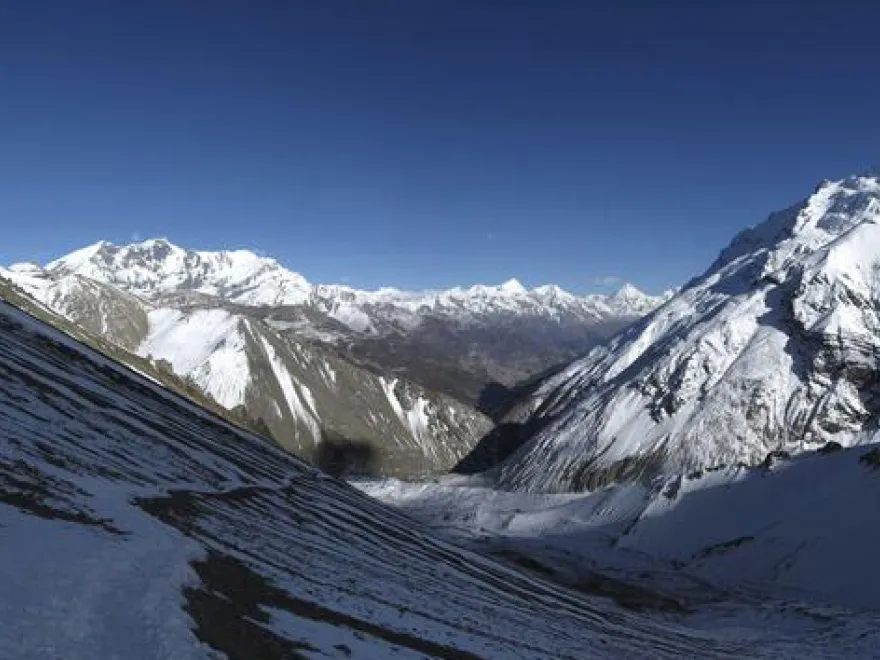
Join Everest Extreme Adventure for an unforgettable Pisang Peak Climbing expedition in Nepal. Summit the 6,091-meter peak, explore traditional Annapurna villages, experience breathtaking Himalayan scenery, and cross the spectacular Thorong La Pass on this thrilling 17-day trekking and mountaineering adventure.
Pisang Peak Climbing is an exciting Himalayan mountaineering adventure in Nepal that combines high-altitude trekking, spectacular mountain scenery, traditional Himalayan villages, and the rewarding experience of climbing a 6,000-meter peak. Located in the Annapurna region, Pisang Peak stands at approximately 6,091 meters (19,985 feet) above sea level and is one of Nepal's popular trekking peaks for adventurous trekkers seeking their first major mountaineering challenge. Organized by Everest Extreme Adventure, this 17-day itinerary offers an opportunity to explore the beautiful Annapurna region while preparing for and attempting the summit of Pisang Peak.
The journey begins in Kathmandu, followed by a scenic drive to Jagat and a trek through the traditional settlements of Dharapani, Chame, and Upper Pisang. Along the way, trekkers experience dramatic mountain landscapes, pine forests, rivers, Buddhist monasteries, prayer flags, and the distinctive culture of the Manang region. An acclimatization day in Upper Pisang helps the body adjust to increasing elevations before the journey continues toward Pisang Peak Base Camp and High Camp. The summit attempt is the highlight of the expedition, offering magnificent views of the Annapurna range, Manaslu region, and surrounding Himalayan peaks on clear days.
After the climbing section, the adventure continues toward Manang Valley, Yak Kharka, and Thorong Phedi before crossing the famous Thorong La Pass at 5,416 meters (17,770 feet). The trek then descends toward Muktinath and Jomsom, followed by a flight to Pokhara and a drive back to Kathmandu.
With Everest Extreme Adventure, climbers can experience a carefully organized Himalayan expedition with logistical support, acclimatization planning, and guidance throughout the journey.
Choosing the right season is essential for a successful and enjoyable Pisang Peak Climbing expedition. Weather conditions, snow accumulation, wind speed, visibility, and temperatures can significantly affect both the trekking experience and the summit attempt. In Nepal, spring and autumn are generally considered the most favorable seasons for climbing Pisang Peak because they often provide comparatively stable weather, clearer mountain views, and suitable conditions for high-altitude trekking.
Spring, from March to May, is one of the best periods for Pisang Peak Climbing. During this season, temperatures gradually become warmer at lower elevations, forests and hills become greener, and the Himalayan scenery is especially beautiful. The longer daylight hours can also be helpful during trekking and climbing preparations. However, snow and ice conditions near High Camp and the summit can vary, so climbers should remain prepared for cold temperatures and changing weather.
Autumn, from September to November, is another excellent season. Following the summer monsoon, the atmosphere often becomes clearer, offering impressive views of the Annapurna mountains and surrounding valleys. October is particularly popular for trekking in the Annapurna region, although favorable weather cannot be guaranteed. Winter climbing is possible for experienced, properly equipped mountaineers under suitable conditions, but extreme cold, snow, and strong winds can increase the difficulty. The monsoon months, generally June through August, bring increased rainfall and possible landslides on lower trekking routes, although conditions vary across the region.
Everest Extreme Adventure recommends selecting travel dates according to your climbing experience, available time, and current mountain conditions. The company can help coordinate the itinerary and preparations around the chosen season, while the final summit decision should always depend on weather forecasts, route conditions, and the judgment of the climbing team.
Important seasonal considerations include:
For most climbers, spring and autumn offer the most practical starting points for planning a Pisang Peak expedition.
Pisang Peak Climbing is considered a challenging high-altitude mountaineering adventure rather than an ordinary trekking holiday. The expedition reaches 6,091 meters, where reduced oxygen levels, low temperatures, wind, and unpredictable weather can make physical activity demanding. Participants should be comfortable walking for several hours a day over uneven mountain trails and should have good cardiovascular fitness, endurance, and the ability to manage extended periods of physical exertion. Previous trekking experience at altitude is highly beneficial, while basic mountaineering skills are strongly recommended.
The climbing section may involve snow and ice, steep slopes, crampons, an ice axe, a climbing harness, a helmet, and fixed-rope techniques depending on the route and prevailing conditions. Climbers must follow the instructions of qualified mountain guides and use the appropriate safety equipment. Acclimatization is particularly important because the itinerary includes an ascent from Upper Pisang to Base Camp, High Camp, and the summit before continuing toward the Annapurna Circuit's higher elevations. Symptoms of altitude sickness should never be ignored, and descent may be necessary if a climber becomes unwell. The itinerary's contingency day provides flexibility for weather or other delays, but it does not eliminate the risks associated with high altitude.
Transportation begins with arrival at Tribhuvan International Airport in Kathmandu, where airport pickup and transfer to the hotel can be arranged. The journey continues by road from Kathmandu to Jagat, followed by trekking through the Annapurna region. After crossing Thorong La Pass and reaching Jomsom, the itinerary includes a flight to Pokhara, subject to weather and flight operations. The final scheduled transfer is a drive from Pokhara to Kathmandu. Road conditions, traffic, flight availability, and weather can affect the actual travel schedule.
Transportation and difficulty considerations include:
Everest Extreme Adventure can help coordinate transportation and climbing logistics, allowing participants to focus on preparation, acclimatization, and the mountain experience.
Food and accommodation are important parts of a comfortable and safe Pisang Peak Climbing expedition. During the trekking section, accommodation is generally provided in local teahouses or mountain lodges in villages such as Dharapani, Chame, Upper Pisang, Manang, Yak Kharka, and Thorong Phedi. These establishments offer a chance to experience local hospitality while enjoying the mountain environment. Rooms are typically simple and may have twin beds, blankets, and shared bathroom facilities, although amenities vary from one village to another. Private rooms may be available at certain locations, depending on the season, availability, and package arrangements.
At Pisang Peak Base Camp and High Camp, accommodation is usually arranged in expedition tents because permanent lodges are not available in the same way as they are along the main trekking route. Camping conditions are more basic, with sleeping bags, insulated sleeping mats, and suitable mountain clothing needed to stay warm. The climbing team generally organizes the camp setup and meal arrangements according to the expedition plan. Because temperatures can drop significantly at higher elevations, good-quality sleeping equipment and proper layering are essential for rest and recovery.
Meals during the trekking portion commonly include traditional Nepali dal bhat, rice, lentils, vegetable dishes, noodles, soups, potatoes, eggs, bread, porridge, and other locally available foods. These meals provide carbohydrates and energy that are important for sustained physical activity. At higher camps, meals are usually simpler and depend on what can be transported and prepared in remote conditions. Drinking sufficient safe water is equally important, as dehydration can worsen the effects of altitude. Trekkers should use treated, boiled, or otherwise reliably purified water rather than drinking untreated stream water.
Everest Extreme Adventure can explain the food and accommodation arrangements included in the selected package before departure. Travelers should also communicate dietary requirements, allergies, or restrictions in advance so that practical arrangements can be considered.
Typical arrangements include:
Although accommodation and food become more basic at higher elevations, proper planning and realistic expectations help make the expedition more comfortable.
Pisang Peak Climbing requires appropriate climbing and trekking permissions because the expedition combines a mountaineering objective with travel through the Annapurna region. Permit requirements should be confirmed before the trip, as the applicable rules, fees, documentation, and issuing procedures may change. Everest Extreme Adventure can assist with the necessary arrangements and explain which permits and supporting documents are included in the selected climbing package.
The main climbing authorization is the Pisang Peak climbing permit, administered through Nepal's relevant mountaineering authorities. The applicable fee can depend on the season and current regulations. Because the expedition also follows sections of the Annapurna Circuit, trekkers should confirm the applicable Annapurna Conservation Area entry requirements and any additional documentation required for the planned route. Requirements for foreign visitors and any applicable guide or registration rules should be checked against current official guidance before departure.
Climbers should provide the required personal information and documents within the requested time frame so that the expedition organizer can prepare the paperwork. It is also important to carry passport details and copies of relevant permits during the trip. Depending on current regulations and the services booked, some administrative arrangements may be handled by the expedition company, while other costs may need to be paid separately.
Common permit-planning considerations include:
Everest Extreme Adventure can help organize the permit process and clarify the associated costs before the expedition begins. Travelers should request a written breakdown of included permits, government fees, and any additional administrative expenses when booking.
Choosing the right expedition organizer is an important step toward enjoying a safe, rewarding, and well-organized Pisang Peak Climbing experience. A successful expedition involves much more than reaching the summit. It requires thoughtful itinerary planning, gradual acclimatization, suitable equipment, experienced mountain leadership, reliable logistics, and the flexibility to respond to changing weather and individual health conditions. Everest Extreme Adventure offers travelers an opportunity to plan their Pisang Peak expedition with support for the trekking route, climbing preparations, accommodation, transportation, and permit arrangements according to the services confirmed in their package.
The 17-day itinerary provides a combination of cultural exploration, trekking, and mountaineering. From the busy streets of Kathmandu to the peaceful villages of the Annapurna region, participants experience a wide variety of landscapes and local traditions. The acclimatization day in Upper Pisang and the scheduled contingency day provide useful flexibility within the overall plan, although actual acclimatization requirements may differ between individuals. The journey beyond the summit toward Manang, Thorong La Pass, Muktinath, and Jomsom adds another dimension to the adventure by connecting the climbing objective with one of Nepal's most celebrated trekking regions.
Everest Extreme Adventure can help prospective climbers understand the physical demands of the expedition and prepare for the practical requirements of high-altitude travel. Before booking, travelers should discuss their previous trekking experience, climbing skills, fitness, medical considerations, preferred travel dates, and equipment needs. They should also confirm the guide-to-climber arrangements, emergency response procedures, insurance requirements, and services included in the package. These details help establish realistic expectations and support informed decision-making.
Reasons to choose Pisang Peak Climbing with Everest Extreme Adventure include:
Pisang Peak Climbing is an excellent objective for fit, well-prepared adventurers who want to progress beyond conventional trekking and experience the challenges of Himalayan mountaineering. With careful preparation, realistic expectations, and a well-coordinated expedition, Everest Extreme Adventure can help you plan a memorable journey through the Annapurna region and toward the summit of Pisang Peak. Safety must remain the priority throughout the trip, and reaching the summit should always depend on weather, route conditions, and the climbing team's assessment.
Pisang Peak Climbing is an exciting 17-day Himalayan adventure organized by Everest Extreme Adventure, combining spectacular mountain trekking, cultural exploration, and a challenging summit ascent in Nepal's Annapurna region. The journey begins in Kathmandu and follows the scenic Marsyangdi Valley through traditional villages, including Chame and Upper Pisang, before reaching Pisang Peak Base Camp and High Camp. An acclimatization day and contingency day help provide flexibility for the demanding climb to Pisang Peak (6,091m).
After the summit attempt, the adventure continues through Manang Valley, Yak Kharka, and Thorong Phedi before crossing the magnificent Thorong La Pass (5,416m) and descending to Muktinath and Jomsom. The itinerary concludes with a flight to Pokhara and a drive back to Kathmandu, offering unforgettable Himalayan scenery and cultural experiences.
Upon your arrival at Tribhuvan International Airport in Kathmandu, a representative from Everest Extreme Adventure will welcome you and transfer you to your hotel. After checking in, you can rest and recover from your journey or explore the lively streets of Nepal's capital at your own pace. Depending on your arrival time, you may visit nearby markets, traditional temples, or local restaurants to experience Nepalese hospitality. Later, you will meet your trekking and climbing team for a briefing about the Pisang Peak expedition, including the itinerary, equipment requirements, safety procedures, and necessary preparations. Overnight stay at a hotel in Kathmandu.
After breakfast, begin the scenic drive from Kathmandu toward Jagat, following winding mountain highways alongside rivers, terraced hillsides, and traditional settlements. The journey passes through the Trishuli River valley and continues toward the Marsyangdi River region, offering an introduction to Nepal's diverse landscapes and rural lifestyle. As you leave the busy city behind, you will encounter green hills, suspension bridges, waterfalls, and small roadside villages. Your guide from Everest Extreme Adventure will help coordinate the journey and necessary stops along the way. Depending on road conditions and traffic, the drive can take approximately 8–10 hours. Upon reaching Jagat, settle into a local teahouse and prepare for the trekking days ahead.
Today, your trekking adventure officially begins as you follow the Marsyangdi River through the dramatic landscapes of the lower Annapurna region. The trail winds through lush forests, terraced farmland, small settlements, and narrow valleys, crossing suspension bridges and passing cascading waterfalls along the way. You will gradually experience changes in the landscape as the valley becomes more rugged and the surrounding hills rise higher. Your guide will help you maintain a comfortable pace and identify suitable places to rest and enjoy the scenery. As you approach Dharapani, you will notice traditional stone houses and the growing influence of Tibetan Buddhist culture in local architecture and prayer flags. After reaching the village, enjoy dinner and an overnight stay at a teahouse.
After breakfast, leave Dharapani and continue along the Annapurna Circuit trail toward Chame, the administrative headquarters of Manang District. The route passes through beautiful pine and fir forests, traditional villages, and sections of trail overlooking the Marsyangdi River. Along the way, you will encounter settlements such as Bagarchhap and Danaque, where prayer wheels, mani walls, and Buddhist monasteries reflect the region's cultural heritage. As you gain elevation, the air becomes cooler and the surrounding mountain scenery increasingly impressive. On clear days, you may catch glimpses of prominent Himalayan peaks rising above the valley. After approximately five to six hours of trekking, arrive in Chame, where you can rest, enjoy a warm meal, and prepare for the higher-altitude sections ahead.
Today's trek takes you deeper into the Annapurna region as you leave Chame and follow the trail through pine forests, rocky slopes, and increasingly open mountain terrain. You will pass through the scenic settlement of Bhratang and continue toward the impressive rock formations and broad valleys surrounding Dhikur Pokhari. The landscape gradually changes from forested hillsides to drier alpine terrain, offering increasingly dramatic views of the Annapurna range and nearby peaks. As you approach Upper Pisang, the majestic Pisang Peak becomes a prominent feature of the skyline, providing an exciting preview of your climbing objective. Upper Pisang is known for its traditional stone buildings, ancient monastery, and distinctive Tibetan-influenced culture. Upon arrival, settle into your teahouse and discuss the upcoming acclimatization and climbing preparations with your Everest Extreme Adventure team.
This acclimatization day is essential for allowing your body to adjust to the increasing altitude before continuing toward Pisang Peak Base Camp. Rather than remaining completely inactive, you can enjoy a gentle acclimatization hike to a nearby viewpoint or monastery, following your guide's recommendations and returning to Upper Pisang for the night. The surrounding landscape offers magnificent views of Annapurna II, Annapurna IV, and the rugged peaks of the Manang Valley. Your climbing guide will also inspect your mountaineering equipment, review clothing and layering systems, and discuss climbing techniques, rope safety, crampons, ice axes, and the use of a harness. Everest Extreme Adventure will emphasize hydration, adequate nutrition, rest, and monitoring for symptoms of altitude sickness. Overnight stay in Upper Pisang.
After breakfast, leave Upper Pisang and ascend toward Pisang Peak Base Camp, leaving the main Annapurna Circuit trail for more remote mountain terrain. The route gradually climbs across alpine slopes, grassy ridges, and rocky sections, with increasingly expansive views of the surrounding Himalayan peaks. As you gain elevation, vegetation becomes sparse, and the landscape takes on a rugged, high-altitude character. Your climbing guide will set a steady pace and arrange regular breaks to help you adapt to the thinner air. Upon reaching Base Camp, the team will establish camp, organize sleeping arrangements, and prepare the equipment needed for the higher stages of the expedition. The remainder of the day is devoted to hydration, eating well, resting, and receiving a briefing on the route to High Camp. Overnight at Base Camp.
Today, you will ascend from Pisang Peak Base Camp to High Camp, entering more demanding alpine terrain as you prepare for the summit attempt. The route climbs over rocky slopes and exposed mountain sections, where careful footing and a controlled pace are important. As the elevation increases, the surrounding peaks appear closer, and the views across the Annapurna region become increasingly spectacular. Your experienced climbing guide from Everest Extreme Adventure will lead the group according to the prevailing conditions and the team's abilities. At High Camp, the team will establish or occupy the designated camp, check climbing equipment, and review the summit plan, including rope techniques, crampon use, weather considerations, and turnaround times. Eat an early dinner and get as much rest as possible before the early-morning summit departure. Overnight at High Camp.
Summit day is the highlight of your Pisang Peak expedition. You will begin before dawn, wearing appropriate mountaineering clothing and carrying essential climbing equipment for the ascent. Under the supervision of your climbing guide, the route follows steep alpine terrain that may include snow, ice, exposed ridges, and sections requiring fixed ropes, depending on conditions. Progress will be determined by weather, snow conditions, and the team's fitness and acclimatization. Reaching the summit at 6,091 meters offers an extraordinary panorama of the Annapurna range, Manang Valley, and the surrounding Himalayan wilderness. After celebrating your achievement and taking photographs when conditions permit, descend carefully to High Camp and continue toward Base Camp as conditions allow. Your guide will prioritize safety throughout the descent. Overnight at Base Camp, subject to conditions and the team's progress.
This contingency day provides flexibility for the Pisang Peak climbing expedition in case poor weather, strong winds, difficult snow conditions, or other unforeseen circumstances prevent a safe summit attempt on Day 9. If the summit has already been completed, the day can be used for additional recovery, organizing equipment, or adjusting the descent schedule according to the guide's assessment. If the summit attempt was postponed, your climbing leader will evaluate the forecast, snow conditions, and the group's physical condition before deciding whether another attempt is appropriate. The extra day is particularly valuable in the Himalayas, where weather can change rapidly and safe climbing windows may be limited. Everest Extreme Adventure will use this flexibility to support a responsible expedition plan rather than rushing the ascent. Overnight arrangements will depend on the team's location and conditions.
After completing the climbing phase, pack your equipment and descend from Pisang Peak Base Camp toward the beautiful Manang Valley. The route reconnects with the established Annapurna Circuit trail, passing through rugged alpine scenery, traditional settlements, and open landscapes shaped by the high-altitude climate. As you descend, the air becomes gradually richer in oxygen, helping your body recover from the physical demands of the summit attempt. Depending on the route selected, you may pass through Upper Pisang or nearby villages before continuing toward Manang. The village of Manang is a popular stop for trekkers because of its spectacular mountain views, local bakeries, traditional architecture, and opportunities to learn about Himalayan culture. Upon arrival, enjoy a well-earned meal and a comfortable overnight stay at a teahouse.
After breakfast in Manang, continue eastward and gradually ascend toward Yak Kharka, a small high-altitude settlement surrounded by dry hillsides and open grazing land. The trail leaves the main village behind and traverses exposed slopes, juniper scrub, and broad alpine terrain, offering impressive views of the surrounding peaks. As you climb above 4,000 meters, maintaining a steady pace and drinking sufficient water become increasingly important. Your guide will monitor the group's condition and recommend suitable rest breaks to reduce unnecessary exertion. Yak Kharka is a traditional resting point for trekkers preparing to cross Thorong La Pass, and its peaceful mountain setting provides a welcome opportunity to recover after the Pisang Peak ascent. Spend the afternoon resting, checking your equipment, and preparing for the higher elevations ahead. Overnight at a local teahouse.
Today's trek takes you from Yak Kharka to Thorong Phedi, the principal staging point for crossing Thorong La Pass. The trail follows rocky mountain slopes and narrow paths above the valley, with occasional river crossings and gradual ascents through an increasingly barren landscape. You may pass through Ledar before continuing toward Thorong Phedi, where the surrounding mountains rise dramatically above the small cluster of lodges. Although the trekking distance is relatively short, the altitude makes it important to walk carefully and avoid unnecessary exertion. Upon arrival, your Everest Extreme Adventure guide will review the next day's route, expected weather, departure time, and essential supplies. Prepare warm clothing, a headlamp, water, snacks, and other necessary equipment before resting early. Overnight at Thorong Phedi, with any move to High Camp dependent on conditions and the guide's assessment.
Begin very early for one of the most demanding and rewarding days of the journey. The trail climbs steadily from Thorong Phedi toward Thorong La Pass, reaching an elevation of 5,416 meters. The ascent requires patience, careful footing, warm clothing, and close attention to your guide's instructions, particularly in cold or windy conditions. At the pass, celebrate the achievement and enjoy the dramatic panorama of snow-covered Himalayan peaks and colorful prayer flags. After taking photographs when conditions permit, descend toward Muktinath, an important pilgrimage destination revered by both Hindus and Buddhists. Continue onward toward Jomsom using the transport or trekking arrangements confirmed by your operator, as completing the entire descent to Jomsom on the same day is demanding and may depend on road and weather conditions. Overnight in Jomsom if the full transfer is feasible; otherwise, an overnight stop may be necessary.
After breakfast, transfer to Jomsom Airport for your scheduled flight to Pokhara, subject to weather and airline operations. The short mountain flight can offer memorable views of the Kali Gandaki Valley and surrounding Himalayan peaks when visibility is favorable. Upon arrival in Pokhara, transfer to your hotel and enjoy a well-deserved opportunity to relax after the demanding climbing and trekking stages. You can spend the afternoon exploring the lakeside area, walking along Phewa Lake, visiting local cafés, or simply enjoying the peaceful atmosphere of this popular tourist destination. If time permits, consider a boat ride on the lake or admire the Annapurna range from the lakeside promenade. Your Everest Extreme Adventure team will help coordinate the transfer and confirm arrangements for the following day's journey to Kathmandu. Overnight at a hotel in Pokhara.
After breakfast, depart Pokhara for the drive back to Kathmandu, following the scenic highway through river valleys, terraced hillsides, rural settlements, and bustling roadside towns. The journey generally takes around 6–8 hours, although traffic, road construction, and weather can affect the travel time. Along the way, you will have opportunities to observe everyday life in the Nepalese countryside and enjoy the changing scenery between the lower hills and the Kathmandu Valley. Upon arrival in the capital, transfer to your hotel and take time to rest or shop for souvenirs in the city's traditional markets. In the evening, you may enjoy a farewell dinner and reflect on the highlights of your expedition, from the Pisang Peak summit to the crossing of Thorong La Pass. Overnight at a hotel in Kathmandu.
Your remarkable Pisang Peak climbing adventure with Everest Extreme Adventure comes to an end today. Depending on your international flight schedule, enjoy breakfast at the hotel and spend any remaining free time relaxing or exploring nearby areas of Kathmandu. A company representative will arrange your transfer to Tribhuvan International Airport, allowing sufficient time for airline check-in and departure procedures. As you leave Nepal, you will carry memories of traditional mountain villages, dramatic Himalayan landscapes, challenging high-altitude trekking, and the rewarding experience of standing on or attempting to reach the summit of Pisang Peak. We hope your expedition has been inspiring and that you will return to Nepal for another Himalayan adventure in the future. Thank you for traveling with Everest Extreme Adventure, and we wish you a safe and pleasant journey home.
Pisang Peak Climbing is a Himalayan mountaineering adventure in Nepal's Annapurna region, reaching an elevation of 6,091 meters (19,985 feet). Organized by Everest Extreme Adventure, the expedition combines scenic trekking through traditional mountain villages with technical climbing, high-altitude camping, and panoramic Himalayan views. The journey typically follows the Annapurna Circuit trail before ascending toward Pisang Peak Base Camp and High Camp. After the summit attempt, the itinerary continues through Manang Valley and across Thorong La Pass, offering an exceptional combination of mountain adventure, cultural experiences, and natural beauty.
Pisang Peak Climbing is considered a challenging trekking peak expedition because of its high altitude, steep terrain, and potentially technical snow and ice sections. Although previous mountaineering experience is highly beneficial, the difficulty varies depending on snow conditions, weather, and the route used. Participants should have excellent physical fitness, strong endurance, and the ability to trek for several consecutive days. Everest Extreme Adventure recommends appropriate preparation, including cardiovascular exercise, strength training, and practice with essential mountaineering equipment. A qualified climbing guide will assess conditions and determine the safest practical approach to the summit.
The standard Pisang Peak Climbing itinerary with Everest Extreme Adventure takes approximately 17 days, beginning with arrival in Kathmandu and ending with international departure. The program includes the journey to the Annapurna region, trekking through mountain villages, acclimatization in Upper Pisang, and the climbing stages through Base Camp and High Camp. It also includes a summit attempt and a contingency day to accommodate potentially unfavorable weather. After the climbing section, the route continues through Manang, Yak Kharka, Thorong Phedi, Thorong La Pass, Muktinath, and Jomsom before returning through Pokhara to Kathmandu.
Previous mountaineering experience is strongly recommended for Pisang Peak, particularly experience using crampons, an ice axe, a harness, and fixed ropes. While some fit trekkers may be able to participate with appropriate training and professional support, this is not a straightforward hiking trip. Participants should understand basic rope safety and be comfortable moving across steep, exposed terrain. Everest Extreme Adventure can advise prospective climbers on the skills and equipment needed before departure. Anyone without technical climbing experience should discuss their background honestly with the company so that suitable preparation and a realistic assessment of the expedition's demands can be arranged.
Yes, altitude sickness is an important consideration because the expedition reaches 6,091 meters on Pisang Peak and crosses Thorong La Pass at 5,416 meters. Symptoms can include headaches, nausea, dizziness, fatigue, and difficulty sleeping, while severe cases can become life-threatening. The itinerary includes acclimatization time, but no schedule can completely eliminate altitude-related risks. Everest Extreme Adventure encourages climbers to ascend gradually, drink adequate fluids, avoid overexertion, and communicate symptoms promptly to their guide. Anyone experiencing worsening symptoms should not continue ascending without medical assessment. Descending promptly when serious altitude illness is suspected can be lifesaving.
Everest Extreme Adventure organizes trekking and climbing support to help participants navigate the Annapurna region and prepare for the technical demands of Pisang Peak. A suitable expedition team should include a qualified climbing guide with relevant high-altitude experience, knowledge of the planned route, and training in mountain safety and emergency response. Guides assist with pacing, route decisions, equipment checks, and monitoring for signs of altitude-related illness. Before booking, travelers should confirm the guide's qualifications, staffing arrangements, emergency procedures, and what support is included in the package. These details are particularly important for a climb involving snow, ice, and exposed mountain terrain.
The inclusions depend on the package selected with Everest Extreme Adventure, but a typical arrangement may cover airport transfers, hotel accommodation in Kathmandu and Pokhara, trekking accommodation, an experienced guide, porters, required permits, and specified meals during the trekking and climbing stages. Some packages also include group climbing equipment, camping logistics, and transport according to the itinerary. International flights, Nepal visa fees, personal equipment, travel insurance, tips, and personal expenses are commonly excluded. Before confirming your booking, request a detailed written list of inclusions and exclusions so that you can budget accurately and understand which services are covered.
Yes, the itinerary may be customizable depending on your schedule, trekking experience, fitness level, and preferred travel arrangements. Everest Extreme Adventure can discuss options such as additional acclimatization days, extra time for climbing preparation, alternative accommodation arrangements, or changes to transportation where practical. However, any modification must account for altitude safety, seasonal weather, permit requirements, and the time needed to cross Thorong La Pass. Adding acclimatization time may be particularly beneficial for travelers who have limited experience at high elevations. Discuss your priorities with the company before booking, and allow flexibility in your international travel plans in case weather or mountain conditions cause delays.
Preparing for Pisang Peak Climbing requires consistent training before arriving in Nepal. Everest Extreme Adventure recommends building cardiovascular endurance through hiking, stair climbing, cycling, running, or other aerobic activities. Strength training for the legs and core can improve stability while carrying a daypack across uneven mountain terrain. Regular hikes on hills or trails are particularly useful because they simulate the long walking days encountered during the Annapurna Circuit section. Participants should also practice using their planned trekking boots and backpack. Begin training several months in advance where possible, and remember that excellent fitness does not eliminate the risks associated with high altitude.
You should bring layered clothing suitable for freezing temperatures, a waterproof and windproof outer shell, insulated gloves, a warm hat, sturdy trekking boots, sunglasses, sunscreen, and a comfortable daypack. Technical climbing equipment may include mountaineering boots compatible with crampons, a climbing helmet, harness, ice axe, carabiners, and other items specified by your climbing guide. A suitable sleeping bag, headlamp, water bottles, and personal first-aid supplies are also important. Everest Extreme Adventure can provide an equipment checklist before departure and clarify which group equipment is included in your package. All technical equipment should be appropriate for the route and expected conditions.
Yes, comprehensive travel insurance is strongly recommended for Pisang Peak Climbing. Because the expedition reaches elevations above 6,000 meters, your policy should explicitly cover high-altitude mountaineering at the planned elevation, emergency medical treatment, helicopter evacuation, and mountain rescue where available. Ordinary travel insurance may exclude technical climbing or high-altitude activities, so read the policy wording carefully before purchasing coverage. Everest Extreme Adventure recommends arranging insurance before arriving in Nepal and carrying accessible policy details throughout the expedition. Travelers should also understand that rescue operations depend on weather, availability, and local conditions, and that insurance coverage does not guarantee immediate evacuation.
The most popular seasons for Pisang Peak Climbing are spring, from March to May, and autumn, from September to November. Spring often offers gradually warming temperatures, improving climbing conditions, and beautiful mountain scenery, while autumn generally provides clear skies and excellent visibility after the monsoon. Winter can bring severe cold, heavy snow, and increased climbing challenges, whereas the summer monsoon may create wet trails, cloudy views, and transportation disruptions. Everest Extreme Adventure recommends choosing departure dates according to current mountain conditions, weather forecasts, and the experience of the climbing team.
Mountain weather can change quickly, and strong winds, snowfall, poor visibility, or unsafe snow conditions may make a summit attempt inadvisable. The itinerary organized by Everest Extreme Adventure includes a contingency day to provide some flexibility if conditions prevent climbing on the planned summit day. Your climbing guide will evaluate the forecast, route conditions, and the team's health before deciding whether another attempt is reasonable. If conditions remain unsafe, the summit may need to be abandoned. The contingency day cannot guarantee a successful ascent, and safety must take priority over reaching the summit. Additional delays may also affect the remaining itinerary.
Pisang Peak Climbing requires the applicable Nepal mountaineering permit, along with relevant trekking-area permits for the planned route. Depending on the itinerary and current regulations, these may include the Annapurna Conservation Area Permit and other required documentation. Permit requirements, fees, and procedures can change, so travelers should confirm the latest rules before departure. Everest Extreme Adventure can help coordinate the necessary permits and documentation as part of the expedition arrangements. Climbers should carry their passport and any required identification throughout the journey, as documents may be checked at designated checkpoints along the trekking route.
Accommodation during Pisang Peak Climbing generally includes hotels in Kathmandu and Pokhara, local teahouses along the trekking route, and camping arrangements during the climbing section. Teahouses typically provide simple rooms with basic beds, blankets, and shared bathroom facilities, although standards vary between villages and elevations. At Base Camp and High Camp, climbers may stay in expedition tents according to the arrangements made by Everest Extreme Adventure. Facilities become more basic as you gain altitude, and hot showers, charging services, and reliable internet may be limited or cost extra. Bringing a suitable sleeping bag and personal hygiene essentials is recommended.
During the trekking and climbing stages, meals generally consist of locally available dishes and familiar options such as dal bhat, rice, noodles, potatoes, soups, vegetables, eggs, and porridge. The exact meal arrangements depend on the package booked with Everest Extreme Adventure and the facilities available at each stop. At higher camps, food choices may be more limited because supplies must be transported into remote mountain areas. Eating sufficient carbohydrates and calories is important during strenuous trekking and climbing days. Travelers with vegetarian, vegan, or other dietary requirements should inform the company in advance so suitable arrangements can be discussed.