Group Adventure Dates.  4.9 of 489 reviews
 4.8 of 232 reviews
4.9 of 489 reviews 4.8 of 232 reviews 
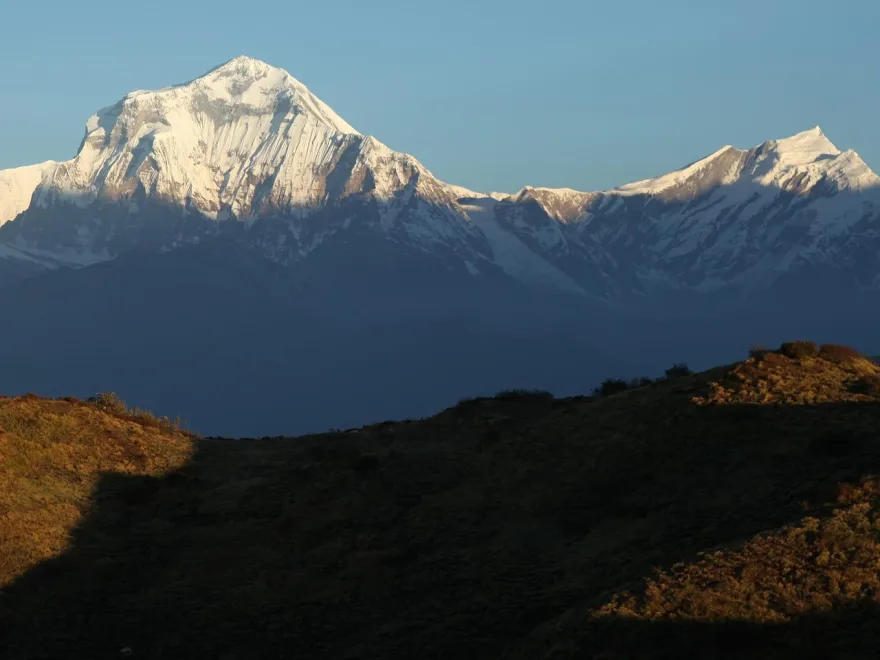
Join Everest Extreme Adventure for the thrilling Mt. Dhaulagiri Expedition (8,167m), the world’s seventh-highest peak. Experience challenging technical climbing, breathtaking Himalayan panoramas, remote trekking trails, and high-altitude adventure through a professionally organized 46-day expedition in Nepal.
Experience an adventurous expedition to Mt. Dhaulagiri or Dhaulagiri I (8167m). The sixth highest peak in Nepal is also one of the most challenging mountains to climb. Although undertaken by pro-climbers, anyone with the least knowledge of alpinism can enjoy this expedition. Indulge in a serene trek along the snowy foothills of Dhaulagiri Massif, followed by the ascent of 3,500 meters of snow and ice-wall.
Dhaulagiri I is a part of 120km long Dhaulagiri Massif that extends from Kali Gandaki in the east to Bheri River in the west. It is home to fourteen different peaks ranging from 7,000 meters to 5,000 meters. Dhaulagiri Expedition is undertaken from the northeast ridge, also the easiest and most frequented route. The base camp is set at around 4,600m, followed by four high camps (Camp I at 5,850m, Camp II at 6400m, Camp III at 7400m, and Advance Base Camp).
Mt. Dhaulagiri Expedition begins upon your arrival in Kathmandu. Your trek guide will prepare the expedition permit and other necessary documents. Embark on a scenic drive to Beni located 300km west of Kathmandu. A short uphill drive will take you to Darbang from where you’ll begin trekking along the Kali Gandaki River towards the lush forested path. Climb towards Italian Base Camp (3600m) and head to Dhaulagiri Base Camp (4600m) located on the snow moraines below Mt. Dhaulagiri. After extensive preparations, training, and acclimatization, you’ll embark on the climb of the northeast ridge. The challenging ascent takes you through an ice wall, perpendicular planes, and avalanche-prone ridges. Climb via an icefall below Little Eiger towards North Col, where camp I is located. Follow an arête towards Camp II. The route steepens as you approach the snowfield at Camp III. Climb the final 45-degree gully to reach the broad summit. The summit may last 6-8 hours. Enjoy the magnificent sight of Annapurna I and few other Eight-Thousander peaks before retracing your path back to Base Camp. The trip concedes upon your arrival in Pokhara.
Embark on an adventurous Mt. Dhaulagiri Expedition with Everest Extreme Adventure. We have over ten years of experience in running successful expeditions. Enjoy a full-board expedition package that includes permits, Sherpa guides, porters and other staff, meals, and logistical support.
This expedition is best suited to experienced mountaineers with previous high-altitude climbing experience. Proper preparation, suitable equipment, and a flexible approach are essential for a safe and successful journey.
Choosing the right season is an important part of planning the Mt. Dhaulagiri Expedition. Weather conditions at 8,167 meters can change rapidly, and strong winds, heavy snowfall, extreme cold, and poor visibility can significantly affect climbing progress. For most expeditions in Nepal, spring (April to May) and autumn (September to October) are the principal climbing seasons to consider. However, Dhaulagiri's weather patterns and snow conditions can differ from those on other Himalayan peaks, so the final expedition dates should be determined with experienced local guides and current mountain-condition information.
The spring season is generally favored for its longer daylight hours and the opportunity to establish camps, acclimatize, and prepare for summit attempts as the climbing window develops. During this period, temperatures can gradually improve, although conditions at high camps remain extremely cold. Snowfall, avalanches, high winds, and unstable weather can still create significant risks. Expedition teams must monitor forecasts closely and allow sufficient time for acclimatization and changes in the climbing schedule.
Autumn offers another potential climbing window, particularly after the summer monsoon has weakened. Lower trekking trails may be clearer, and mountain views can be excellent on stable-weather days. Nevertheless, temperatures decrease as the season progresses, and post-monsoon snow conditions can vary considerably. Dhaulagiri is a serious 8,000-meter objective, so neither season guarantees favorable summit conditions.
Everest Extreme Adventure can help climbers plan an appropriate departure window based on expedition logistics, permits, current forecasts, and the experience level of the climbing team. The 46-day itinerary provides time for the approach trek, practical training, and a substantial climbing period, but the schedule may need to change depending on actual mountain conditions.
Important seasonal planning considerations include:
For the best possible experience, climbers should begin physical and technical preparation several months before departure and confirm the intended climbing season with Everest Extreme Adventure before finalizing flights and travel arrangements.
The Mt. Dhaulagiri Expedition is an extremely difficult and physically demanding mountaineering adventure. At 8,167 meters, the mountain presents the challenges of extreme altitude, severe cold, high winds, glaciated terrain, steep snow and ice slopes, crevasses, and potentially dangerous avalanche conditions. Climbers may need to travel for extended periods in crampons and harnesses while carrying or managing technical equipment. The effects of altitude can reduce strength, coordination, appetite, and decision-making ability, making fitness and acclimatization particularly important.
This expedition is intended for climbers who already possess substantial high-altitude mountaineering experience. Previous experience with crampons, ice axes, fixed ropes, ascenders, harnesses, and crevasse-rescue techniques is highly beneficial. The practical training scheduled after reaching Dhaulagiri Base Camp provides an opportunity to review essential skills and establish climbing procedures, but it should not be considered a substitute for prior technical experience. Everest Extreme Adventure's expedition team should assess climbers' experience and equipment before departure.
The standard itinerary begins with ground transportation from Kathmandu toward Beni and Darbang, a journey that may take approximately 8–9 hours depending on traffic, road conditions, and stops. The route follows Nepal's mountainous road network and includes sections where travel can be slow, particularly during or after rainfall. From Darbang, the expedition proceeds on foot through villages and increasingly remote terrain toward Italian Base Camp and Dhaulagiri Base Camp.
After the climbing period, the return route crosses French Col at approximately 5,360 meters and continues toward Kharkha Camp and Yak Kharka before reaching Marpha. The itinerary then includes a drive toward Beni, followed by road travel to Pokhara and Kathmandu. Actual travel times may vary according to road conditions, weather, walking pace, and the availability of suitable vehicles.
Major difficulty and transportation considerations include:
Climbers should maintain comprehensive travel insurance that explicitly covers high-altitude mountaineering and helicopter evacuation at the intended altitude. Careful preparation and a willingness to turn back when conditions become unsafe are essential parts of a responsible Dhaulagiri expedition.
Food and accommodation are important components of the Mt. Dhaulagiri Expedition because climbers need consistent nutrition, sufficient hydration, and adequate rest throughout a demanding 46-day journey. During the initial trekking stages, meals are generally available at local teahouses, lodges, or designated trekking stops, depending on the facilities operating along the route. Traditional Nepali dishes such as dal bhat, rice, lentils, vegetable curry, noodles, soup, potatoes, bread, and seasonal vegetables can provide useful energy for long walking days. Other available options may include eggs, porridge, pancakes, and simple pasta dishes.
At higher elevations, the availability of fresh food becomes more limited, and the expedition relies increasingly on organized camp kitchens and transported supplies. At Italian Base Camp and Dhaulagiri Base Camp, meals are typically prepared by the expedition kitchen team according to the logistical arrangements agreed upon before departure. Food at these camps may include rice, pasta, potatoes, soups, vegetables, canned or dried ingredients, and other suitable high-altitude provisions. During the summit-climbing period, climbers may also need lightweight, calorie-dense snacks and convenient meals that can be consumed at higher camps.
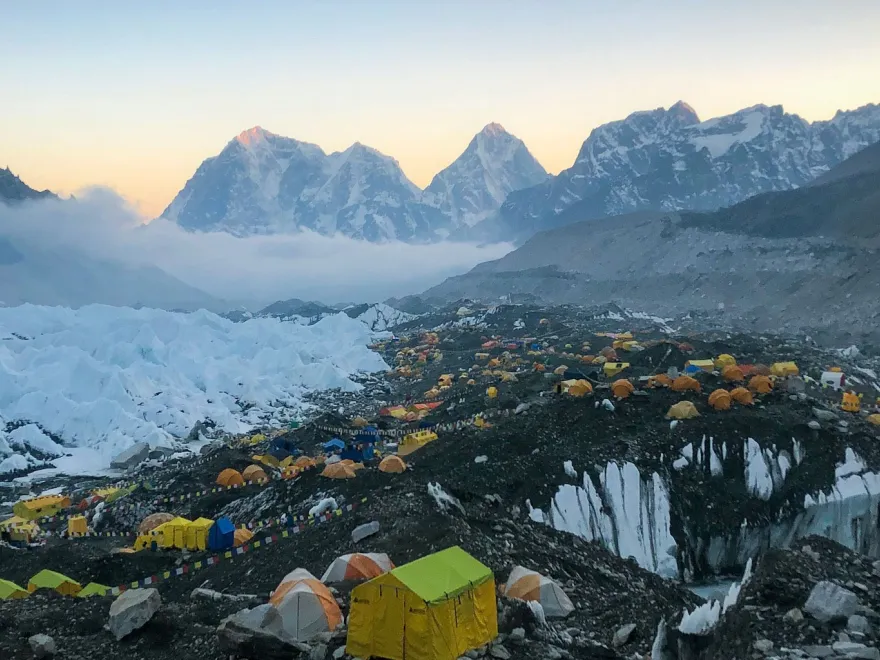
Accommodation changes as the expedition moves farther into the mountains. In Kathmandu, climbers generally stay in a hotel, with the hotel category determined by the package arrangement. Along the trekking route, accommodation may consist of basic teahouses or local lodges with shared facilities and relatively simple rooms. As the route moves above established settlements, tented camps become necessary. At base camp and higher climbing camps, expedition tents provide shelter from the cold, wind, and snow, with the precise equipment and level of comfort depending on the expedition setup.
Everest Extreme Adventure can coordinate meals, camp logistics, and accommodation as part of the expedition package. Climbers should confirm exactly which meals, hotel nights, lodge stays, camping equipment, and personal provisions are included before booking.
Food and accommodation arrangements commonly involve:
The Mt. Dhaulagiri Expedition requires official mountaineering authorization and associated documentation before the team can begin its climbing activities. Because Mount Dhaulagiri reaches 8,167 meters and is classified as an expedition peak, climbers must follow the applicable regulations established by Nepal's relevant government authorities. Permit requirements, fees, environmental provisions, and administrative procedures can change, so the current requirements must be confirmed for the intended climbing season.
The principal authorization is the Mount Dhaulagiri climbing permit, which is generally administered through Nepal's Department of Tourism under the applicable mountaineering regulations. The required permit fee depends on the season and the rules in effect at the time of application. Expedition organizers may also need to arrange supporting documentation, such as climber details, passport copies, photographs, emergency contacts, and other information required by the authorities. The team should verify all current requirements before submitting an application or paying fees.
Additional documentation and administrative requirements may apply depending on the expedition's route, support arrangements, and current government regulations. These may include trekking or route-related documentation, local administrative requirements, waste-management provisions, insurance details, and other expedition records. The exact requirements should be confirmed with the responsible authorities rather than assumed to be identical for every expedition.
Everest Extreme Adventure can assist with permit coordination and the preparation of the documents required for the expedition. Climbers should provide accurate personal information and ensure that their passports remain valid for the necessary period. They should also confirm whether permit fees, liaison or government-related costs, insurance, staff permits, and other administrative charges are included in the advertised expedition package or payable separately.
Important permit and documentation considerations include:
Before confirming a booking, ask Everest Extreme Adventure for an itemized list of permits, fees, documentation, and services included in the package. This helps prevent unexpected expenses and ensures that the expedition is organized according to Nepal's current regulations.
Choosing an experienced expedition organizer is an important decision when planning an attempt on Mount Dhaulagiri. The mountain's extreme altitude, technical climbing requirements, remote location, and unpredictable weather demand careful planning and well-coordinated logistics. Everest Extreme Adventure offers an expedition-planning approach built around the 46-day itinerary, including the approach trek, acclimatization, practical climbing preparation, the summit-climbing period, and the return journey through the Dhaulagiri region.
The itinerary is designed to provide a structured progression from Kathmandu to the mountain. After the initial documentation and preparation days, the team travels to Beni and Darbang before trekking through Phaliya Gaon, Muri, Bagar, and Doban. The route then continues to Italian Base Camp and Dhaulagiri Base Camp, where the expedition enters its high-altitude phase. Practical training and a designated climbing period allow the team to prepare for the summit attempt while adapting plans to the mountain's conditions. The return itinerary across French Col and toward Marpha completes the expedition with a different perspective on the surrounding Himalayan landscape.
Another important consideration is logistical coordination. A high-altitude expedition requires careful arrangements for transportation, accommodation, meals, climbing equipment, communication, staff support, and official documentation. Everest Extreme Adventure can explain how these services are organized and help climbers understand which items are included in the package. Before booking, climbers should review the proposed staffing arrangements, oxygen strategy, emergency procedures, insurance requirements, and contingency plans to ensure that the expedition meets their expectations and experience level.
The company should also be evaluated on transparent communication and its ability to explain the risks and limitations of an 8,000-meter climb. No operator can guarantee summit success, favorable weather, or a completely risk-free experience. A responsible expedition plan recognizes that safety decisions, including delaying or abandoning a summit attempt, must take priority over reaching the top.
Reasons to consider Everest Extreme Adventure for the Mt. Dhaulagiri Expedition include:
Before making a final decision, request detailed information about the expedition leader's experience on Dhaulagiri, the guide-to-climber ratio, high-altitude staff qualifications, supplementary oxygen availability, rescue arrangements, and the full list of included and excluded costs. With appropriate preparation, transparent logistics, and a professional approach to risk management, the Mt. Dhaulagiri Expedition with Everest Extreme Adventure can be a memorable undertaking for qualified climbers seeking one of the great challenges of Himalayan mountaineering.
The Mt. Dhaulagiri Expedition with Everest Extreme Adventure is an adventurous 46-day journey to the summit of Mt. Dhaulagiri (8,167m), the seventh-highest mountain in the world. The expedition begins in Kathmandu with arrival, documentation, and climbing preparations, followed by a scenic drive to Beni and Darbang. The trekking route passes through Phaliya Gaon, Muri, Bagar, and Doban before reaching Italian Base Camp and Dhaulagiri Base Camp, where climbers acclimatize and prepare for the challenging ascent.
The itinerary includes practical mountaineering sessions and an extended climbing period to allow flexibility for weather conditions and summit attempts. After the climbing phase, the team crosses French Col, continues toward Yak Kharka and Marpha, and returns via Beni and Pokhara to Kathmandu. Everest Extreme Adventure coordinates expedition logistics throughout the journey.
Dhaulagiri Expedition begins upon your arrival in Kathmandu. We’ll receive you outside Tribhuvan International Airport and drive you to your hotel located at the heart of the city. Enjoy lavish accommodation at one of the most beautiful hotels in the city. Spend the evening exploring the touristic Thamel and enjoy a delicious welcome dinner.
Meet your Sherpa guide and teammates at the hotel. Your Sherpa guide will brief you about the expedition in detail. Exchange necessary documents with your guide. In the meantime, he will visit the appropriate government offices to get a climbing permit, garbage disposal, liaison permit, conservation area permit, and other necessary documents. You can choose to go out to shop for essential climb gear and equipment. You can find a wide range of trek stores at Thamel, ranging from cheap stores to North Face store. If time permits, you can embark on a scenic tour of Kathmandu City and explore some of the most famous UNESCO World Heritage Sites such as Swayambhunath, Pashupatinath, Boudhanath, and Kathmandu Durbar Square.
After a delicious breakfast, you’ll embark on a scenic road trip towards western Nepal. Leaving Kathmandu, you’ll begin driving towards Beni Bazaar, located in Myagdi District. Drive along the massive Trishuli River and Myagdi River towards Beni. Beni lies almost 300km west of Kathmandu. It marks the confluence of the Kali Gandaki River and Myagdi River. You’ll take an uphill road and begin driving towards Darbang village along Kali Gandaki River.
Leaving Darbang village, you’ll begin trekking through the forested trail and small settlements towards Phaliya Gaon. The trail advances upstream along the Myagdi River. Cross the Myagdi River and travel towards the village of Dharapani. Enjoy a warm lunch and then embark on the latter section of the trail leading towards Takum. The final part goes past beautiful terraced fields towards Phaliya Gaon.
Leaving Phaliya Gaon, you’ll begin trekking past terraced fields. The trail climbs through uneven terrains and several villages towards Gatti Khola. The solitary path will lead you further up for another two hours before you arrive at Muri village. Muri is a beautiful Magar village. You will get to observe the unique lifestyle and occupation of the indigenous Magar tribe here.
From Muri, the trail drops towards a small stream. Cross the stream and begin trekking along the terraced fields towards Dhora Khola. From here, the trail rises uphill towards Ghorban Dhara. Catch the majestic sight of Ghustung South Peak (6465m). Continue advancing alongside the Naura River and take an upstream trail towards Myagdi Khola. Dive into the Myagdi Khola Gorge and continue trekking along the terraced fields towards Bagar Village.
Leaving Bagar village, you’ll begin trekking along the Myagdi River. The trail continues along the river and enters the lush forested path. Exit the forest to arrive at a rocky ridge that leads towards Lapche Kharka. The trail continues to climb along the beautiful waterfall to reach at Doban or Doban Kharka. Overnight in an in a tented camp.
From Doban, you’ll begin climbing the uphill trail to reach Sallaghari village. The trail climbs through beautiful Sal forest and advances towards sparse grassland. It opens up a broad valley that advances towards Sallaghari. Catch the beautiful mountainous sights en route. Leaving Sallaghari, you’ll continue trekking over the glaciated path. A short hike will bring you to Chhonbardan Glacier. Enjoy a beautiful view of Tukuche Peak (6837m) as you make your way towards Italian Base Camp. The low-altitude base camp lies amidst three towering peaks, Dhaulagiri II (7751m), Dhaulagiri II (7715m), and Dhaulagiri V (7618m).
After enjoying the breakfast prepared by your staff, you’ll embark on a short hike around the glaciated valley. Italian Base Camp is also known as Upper Vugini. You can consider climbing the glacier toacclimatize for the upcoming climb. You can catch the beautiful sights of Dhaulagiri Massif and few of the highest Dhaulagiri peaks from the vantage point at Italian Base Camp. Overnight in a tented camp.
Leaving Italian Base Camp, you’ll begin climbing through the glacier towards Japanese Base Camp. You might witness large boulders rolling down from the upper ridges. Cross past some tricky sections to reach Japanese Base Camp. The trail continues along the glacier towards rocky patches. The trail begins to climb towards the icefall. Cross the short section of rocky patched to arrive at Dhaulagiri Base Camp on over the rocky terrain. Spend the evening enjoying the magnificent sights of Dhaulagiri I (8167m), Dhaulagiri II, Dhaulagiri III, and Dhaulagiri V peaks.
A day or two of practice session follows rigorous climbing training. Your Sherpa guide will offer detailed information about the use of climb gears and equipment. The technical climb requires you to use the ice-ax, crampon, and carabineer. The training will be followed by acclimatization before you approach the test ascents towards Camp I and Camp II. You can consider making a short hike towards the impressive icefall towards Northeast Col. Overnight in a tented camp.
You’ll begin climbing the northeast ridge, one of the most undertaken routes for the Dhaulagiri expedition. The trail begins with a slippery ice trek towards Camp I. Cross the icefall below Little Eiger to arrive at Camp I. Continue climbing along the long natural arête to reach at Camp II. The route steepens as you begin climbing the perpendicular wall towards Camp III. A somewhat technical section follows en route to Camp IV. Camp IV lays at vast snowfields from where you’ll approach the summit. The 6-7hour long ascent begins with a walk across the snow. Begin climbing the 45-degree gully that advances towards the broad summit. The final section isn’t much technical, but you must follow the guideline provided by your Sherpa guide. Once at the top, catch the majestic sights of the pristine snowcapped peaks. The east of Dhaulagiri sees the desert of Mustang District, whereas the west face sees more of a mixed landscape of the Dolpo Region. Retrace your path and begin climbing down towards Dhaulagiri Base Camp.
Clear your base camp before embarking downhill. Leaving Dhaulagiri Base Camp, you’ll begin climbing the steep terraced hills. Cross the glaciated path and start climbing steep moraines to arrive at the towering French Pass (5323m). Catch the magnificent sights of Mukut Himal (6328m), Tashi Kang, and Sita Chuchura peaks. The trail continues towards the elevated valley, better known as the French Col. Overnight in a tented camp.
Leaving French Col, you’ll begin descending downhill towards the Hidden Valley. The discreet valley lying at the foothills of Dhaulagiri massif remains hidden from different vantage points of the trek. The trail continues towards another towering pass, Dhampus Pass (5244m). The trail descends towards Kharkha or Kharkha Camp. Spend the night in a tented camp.
Leaving Kharkha Camp, you’ll begin descending along the rocky terrain towards Kali Gandaki Valley. You’ll be trekking in the Mustang District. The trail further descends along rock moraines towards a campsite at Yak Kharka. Yak Kharka refers to Yak’s pasture. The cattle herders use this as the summer pastureland. Catch the majestic sight of Nilgiri Peak (7061m) and the western end of the Annapurna massif.
From Yak Kharka, you’ll begin trekking past barren ridges and canyons towards Marpha village. The trail is less vegetated. The half-day trek will bring you to the apple capital of Nepal, Marpha village. Enjoy a warm lunch overlooking the apple orchards. You’ll embark on a jeep and begin driving along the Kali Gandaki River towards Beni. Drive past Tatopani and Kalopani village en route to Beni. Overnight in a lodge.
Leaving Beni, you’ll begin driving through the well-paved road and make your way towards Pokhara. Catch the beautiful sights ofthe colorful towns and villages located beside Baglung Highway. The half-day drive will take you past Nayapul towards Pokhara. Spend the rest of the day exploring the tourist city of Pokhara. You can indulge in many different activities in the city, such as boating at Phewa Lake, cycling, or visiting the tourist site of Davis Falls and Gupteshwor Cave.
After a delicious breakfast overlooking the majestic peaks of Annapurna I and Machhapuchhre, you’ll embark on a short tour of the city. Shop for souvenirs at Pokhara. Then, you’ll start on a jeep and begin driving back to Kathmandu. Bid farewell to the beautiful city and continue driving along the pristine Trishuli River. In the evening, we will take you for a farewell dinner in one of the Nepali restaurants in Kathmandu.
On the last day, you can indulge in shopping or sightseeing. You can explore a few of the popular tourist sites in the city or visit the Thamel area to shop for a souvenir. We’ll drive you to the airport and drop you off approximately 2hr before your departure
The Mt. Dhaulagiri Expedition is an extremely challenging high-altitude mountaineering adventure that requires excellent physical fitness, technical climbing skills, and previous experience on demanding Himalayan peaks. At 8,167 meters, Dhaulagiri presents serious risks, including extreme cold, high winds, crevasses, avalanches, and altitude-related illnesses. Everest Extreme Adventure recommends this expedition for experienced mountaineers who are comfortable using crampons, ice axes, fixed ropes, and other technical climbing equipment. Proper preparation, acclimatization, and responsible decision-making are essential.
The Mt. Dhaulagiri Expedition itinerary organized by Everest Extreme Adventure takes approximately 46 days, beginning with arrival in Kathmandu and ending with departure from Nepal. The schedule includes documentation, transportation, trekking to base camp, acclimatization, practical climbing sessions, and an extended summit-climbing period. After the climbing phase, the team returns via French Col, Yak Kharka, Marpha, Beni, and Pokhara before reaching Kathmandu. The duration may change because of weather conditions, route safety, health concerns, and summit opportunities.
Climbers need excellent cardiovascular endurance, strong legs, good balance, and the ability to perform strenuous activities for consecutive days at high altitude. Preparation should include uphill hiking with a weighted backpack, long-distance walking, strength training, and endurance exercises. Previous experience on high-altitude mountains is particularly important because Dhaulagiri demands more than general trekking fitness. Everest Extreme Adventure recommends beginning a structured training program several months before departure and consulting a qualified medical professional to assess fitness for extreme-altitude mountaineering.
Yes, substantial high-altitude mountaineering experience is strongly recommended for the Mt. Dhaulagiri Expedition. Climbers should already understand the use of crampons, ice axes, harnesses, ascenders, fixed ropes, and essential glacier-travel techniques. Experience at significant altitude helps climbers understand their physical responses and recognize warning signs of altitude illness. The practical training included in the Everest Extreme Adventure itinerary provides an opportunity to review techniques, but it is not a substitute for prior technical experience. Prospective participants should discuss their climbing history with the expedition organizer before booking.
Everest Extreme Adventure can help organize the expedition's approach trek, base-camp logistics, climbing preparations, permits, transportation, and return journey according to the agreed package. A well-planned itinerary is particularly important for Dhaulagiri because the mountain requires careful acclimatization, technical preparation, and flexibility around weather conditions. Before booking, climbers should review the company's experience with 8,000-meter expeditions, guide qualifications, staff-to-climber ratio, oxygen policy, emergency arrangements, and equipment provisions. Clear communication about costs and safety procedures helps participants make an informed decision and prepare appropriately for this demanding Himalayan undertaking.
The expedition requires specialized equipment suitable for extreme cold, glacier travel, and high-altitude climbing. Essential items generally include insulated mountaineering boots, crampons, an ice axe, a climbing harness, a helmet, carabiners, ascenders, technical clothing, expedition-grade sleeping equipment, and protective gloves. Climbers also need suitable sunglasses or glacier goggles, a headlamp, personal medical supplies, and a high-altitude sleeping bag. Equipment specifications depend on the expedition's climbing plan and expected conditions. Everest Extreme Adventure can provide a detailed packing list and explain which group equipment is supplied and which personal items participants must bring.
Supplemental oxygen may be used during an 8,000-meter expedition, depending on the climbing strategy, individual requirements, and the operator's arrangements. At Dhaulagiri's extreme altitude, oxygen availability, regulator systems, masks, and backup supplies require careful planning. Climbers should not assume that supplemental oxygen is automatically included in every package. Everest Extreme Adventure should confirm the proposed oxygen strategy, the amount of oxygen provided, equipment arrangements, and emergency contingencies before booking. Supplemental oxygen does not eliminate altitude-related risks, so acclimatization, monitoring, and appropriate medical decisions remain essential.
No 8,000-meter expedition can be considered completely safe. Dhaulagiri presents serious hazards, including avalanches, falling ice, crevasses, severe weather, exhaustion, frostbite, and potentially fatal altitude-related illnesses. Risk management depends on experienced leadership, appropriate equipment, careful acclimatization, reliable communication, and sound decisions about when to proceed or turn back. Everest Extreme Adventure should explain its emergency procedures, staff qualifications, communication arrangements, and evacuation plans before departure. Climbers must also obtain insurance that explicitly covers high-altitude mountaineering and helicopter evacuation at the relevant altitude, subject to policy conditions.
Spring, particularly April and May, and autumn, generally September and October, are the principal seasons considered for climbing Dhaulagiri. However, actual conditions vary each year, and neither season guarantees suitable summit weather. Climbers must account for high winds, snowfall, extreme temperatures, and changing snow conditions. Everest Extreme Adventure can help prospective climbers plan their departure dates and expedition logistics. Final climbing decisions should depend on current weather forecasts, route assessments, and the professional judgment of the expedition leadership.
Weather delays are a normal possibility on Mount Dhaulagiri, where high winds, snowfall, and poor visibility can make climbing unsafe. The expedition's extended climbing period provides some flexibility for waiting for a suitable summit window, but the available time is not unlimited. If conditions deteriorate, the team may need to remain at camp, adjust its schedule, or abandon the summit attempt. Everest Extreme Adventure should explain its contingency-day policy, turnaround criteria, and procedures for delays before departure. Reaching the summit is never guaranteed, and climber safety must take priority over the original itinerary.
The itinerary generally includes road transportation from Kathmandu toward Beni and Darbang at the beginning of the expedition. After completing the trekking and climbing sections, the team returns through the French Col route toward Yak Kharka and Marpha, followed by onward travel toward Beni, Pokhara, and Kathmandu. The initial journey to Darbang is estimated at approximately eight to nine hours, while the Pokhara-to-Kathmandu drive may take nine to ten hours under suitable conditions. Actual travel times vary with traffic, road conditions, weather, and stops. Everest Extreme Adventure can confirm the vehicle arrangements and transfers included in the package.
Climbers require an official Mount Dhaulagiri climbing permit and must comply with Nepal's applicable mountaineering regulations. Depending on the itinerary and current rules, additional documentation, administrative approvals, and environmental or waste-management arrangements may also be necessary. Permit fees and requirements can change according to the season and government regulations. Everest Extreme Adventure can assist with the permit application process and explain the documents needed before departure. Climbers should confirm which permit fees and administrative expenses are included in the package price.
Accommodation varies throughout the expedition according to altitude and location. In Kathmandu, climbers generally stay in a hotel, while trekking days may involve basic teahouses or local lodges where available. At Italian Base Camp and Dhaulagiri Base Camp, accommodation is typically provided in expedition tents, with specialized tents used at higher camps during the climbing phase. Facilities become increasingly basic as the team moves farther into the mountains. Everest Extreme Adventure can explain the accommodation arrangements included in the package, including hotel categories, camping equipment, and any additional personal expenses.
During the trekking section, meals are generally available at local teahouses and lodges, with options such as dal bhat, rice, lentils, noodles, potatoes, soups, vegetables, and eggs, depending on availability. At base camp and higher camps, meals are arranged through the expedition kitchen and consist of provisions suitable for remote mountain conditions. Maintaining adequate nutrition and hydration is important throughout the journey. Everest Extreme Adventure can clarify the meals included in the package and discuss dietary requirements in advance. Climbers should also bring suitable personal energy snacks for demanding climbing days.
The cost of the Mt. Dhaulagiri Expedition depends on the service level, group size, permit fees, high-altitude staff support, supplemental oxygen arrangements, equipment, transportation, meals, accommodation, and logistical requirements. Because Dhaulagiri is a technically demanding 8,000-meter peak, climbers should carefully compare what different packages actually include rather than choosing solely on price. Everest Extreme Adventure can provide a current quotation and an itemized breakdown of included and excluded services. Before confirming a booking, ask about personal climbing gear, international flights, insurance, tips, additional hotel nights, and other potential expenses.
| No of people | Price per person |
|---|---|
| 1 - 1 | $1,999 |
| 2 - 4 | $1,775 |
| 5 - 9 | $1,755 |
| 10 - 15 | $1,735 |
| 16 - 20 | $1,715 |
| No of people | Price per person |
|---|---|
| 1 - 1 | $6,050 |
| 2 - 4 | $5,700 |
| 5 - 9 | $5,650 |
| 10 - 15 | $5,600 |
| 16 - 20 | $5,550 |