Group Adventure Dates.  4.9 of 489 reviews
 4.8 of 232 reviews
4.9 of 489 reviews 4.8 of 232 reviews 
Experience an unforgettable Himalayan adventure with Phari Lapcha Peak Climbing by Everest Extreme Adventure. Explore the beautiful Gokyo Valley, turquoise lakes, traditional Sherpa villages, and breathtaking mountain panoramas before conquering the spectacular 6,017-meter Phari Lapcha Peak in Nepal’s Everest region.
Adventure to picturesque Gokyo valley and climb of stunning Phari Lapcha peak’
Season for Phari Lapcha Peak Climb & Gokyo Valley Trek:
Nearly all seasons of the year one can visit to high Khumbu around Gokyo valley and for the climb of Phari Lapcha Peak. Except for wet times of monsoon season from July and August. The best time is in spring and autumn seasons from March to May and September to November months. Where most days are fine and clear for views as well for pleasant walk and climb to Phari Lapcha peak.
However, cold morning and late afternoon till night time, but with clear bright starry nights.
Overviews:
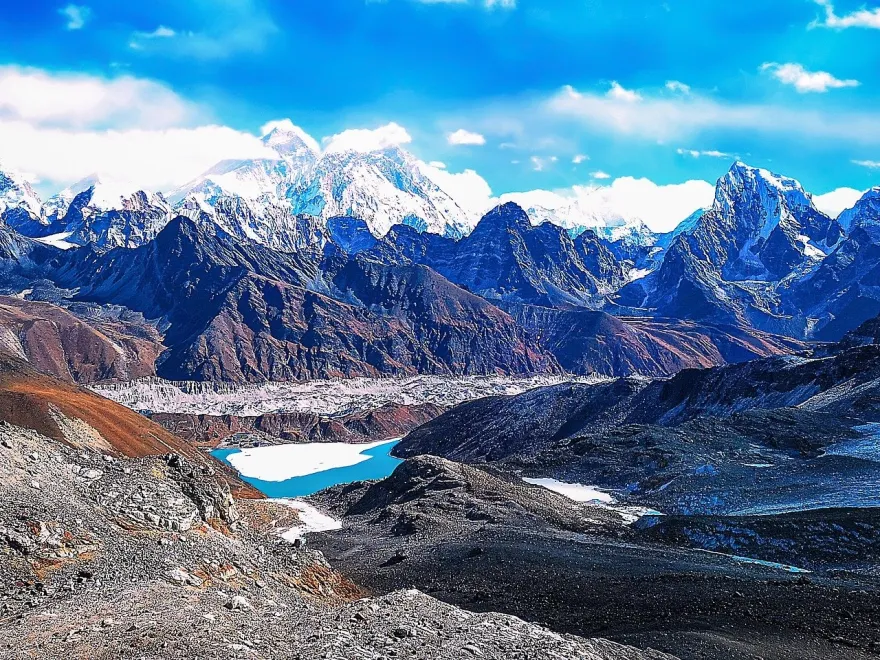
Phari Lapcha Peak climb & Gokyo Valley Trek, an exciting adventure around the most scenic and picturesque area of Everest. The walk leads to the high valley of Khumbu towards beautiful Gokyo and its serene emerald-colored glacial lakes.
The Gokyo valley is the less-visited region of Khumbu in contrast to the popular Everest base camp main trail. Around Gokyo, one can enjoy the spectacular scenery of landscapes and high snow-capped peaks that surrounds the scenic valley of Gokyo.
Phari Lapcha Peak climb & Gokyo Valley Trek, an adventure of great combination facing beautiful scenery with high snow peaks. As well as exploring lovely Sherpa villages adorned with fascinating culture interwoven to Buddhism religion of age-old heritage.
The Phari Lapcha Peak, once a forbidden peak for many years, and was opened for climbing from 2002 onwards. Since then it has been a most sought trekking peak for interested climbers and adventurers, rising high above Gokyo valley.
Phari Lapcha Peak climbing grade we have set is PD + means ‘Per Difficule’ from French-Swiss Alpine Climbing Classification Systems. A straightforward climb with some technical sections to tackle all the way to the summit. Facing vertical ledges of ice, rock, and snow, requires a great effort for a safe and successful climb.
Where all climbers need to be well equipped with the climbing gears required for this enjoyable Phari Lapcha Peak climb.
Phari Lapcha Peak climb & Gokyo Valley Trek begins from Kathmandu with a flight to Lukla at Tenzing & Hillary Airport. Lukla is a busy Sherpa town and the gateway to various around high Khumbu in the close shade of Everest.
From Lukla, the adventure starts heading towards Dudh Koshi River Valley following a pleasant trail through a number of villages. Crossing high bridges then enter Sagarmatha National Park designated as World Heritage Sites enriched with exotic flora and fauna. On entering the park premises within a lovely forest of tall rhododendron, pines, firs, and oak trees. As a walk follows a high trail towards the famous Namche Bazaar the major hub of the Khumbu area. Here once a week a busy colorful Saturday market takes place, hence the name tagged as Namche bazaar.
At Namche Bazaar having a rest day for acclimatization, as well as to explore around its high scenic points. The adventure continues as our route diverts from the main popular trail heading high towards scenic Gokyo valley. Climb on top Mong hill facing the glorious vista of Everest, Ama Dablam with an array of towering snow peaks.
Walk down to Dudh Koshi River covered in the shade of the dense forest, and climb to a gorge to Dole. As the climb continues on leaving the tree lines entering a wide exposed area with a grand view of Mt. Cho-Oyu. Then slowly walk leads to a beautiful area at Gokyo and its simmering lakes, surrounded by a series of snow-mountains.
Enjoy the amazing scenery with Mt. Cho-Oyu towards the north, with Phari Lapcha peaks in the southeast direction. Before Phari Lapcha peak ascent with time for exercise and acclimatization, climb to a high Gokyo-Ri at 5,357 m.
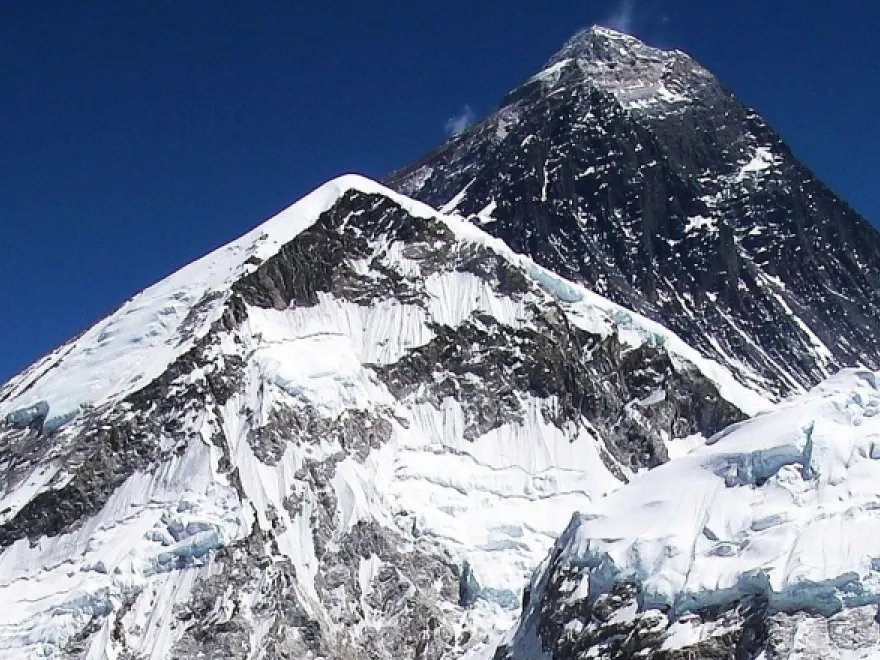
The top of Gokyo-Ri offers a panorama of the world’s four highest peaks Everest, Lhotse, Cho-Oyu, and Makalu with Phari Lapcha peak.
After a good rest at Gokyo, our true adventure starts heading towards the end of Gokyo 3rd main lake. The climb leads to a gully of snow, rocks, and ice crossing a few streams to Phari Lapcha Peak base camp. Located east of Renjo-La high pass and from Gokyo-Ri hill, at a base setting our first tented camp.
At base camp with time for practice climb and preparation as well scouting the best accessible safe route to the summit. From the base camp climb more to high or advance camp, beneath towering Phari Lapcha Peak. After full preparation and checking the climbing gear, start the climb in the early morning encountering ice, rocks, and snow. As climb progress tackling technical sections then finally reach on top of Phari Lapcha summit. On top enjoy a spectacular panorama of the world’s highest mountain range overlooking Mt. Everest with an array of towering snow peaks.
Feeling on top of the world and in high spirit, head back to Gokyo valley for a return journey to Lukla. The walk takes you on the same scenic route to Namche Bazaar and down to Dudh Koshi River. Follow the main trail through nice villages festooned with prayer monuments, walk finally ends at Lukla for the last overnight stop. Next early morning a sweeping panoramic flight brings you to Kathmandu. After a memorable adventure of a lifetime experience on Phari Lapcha Peak Climb and Gokyo Valley Trek.
Choosing the right season is essential for a successful and enjoyable Phari Lapcha Peak Climbing expedition. Weather conditions in the Everest region can change quickly, particularly at elevations above 5,000 meters, where strong winds, snowfall, low temperatures, and limited visibility can affect both trekking and summit attempts. Spring and autumn are generally the most favorable seasons for this adventure because they often provide better visibility, more stable weather windows, and suitable conditions for high-altitude trekking and climbing. Everest Extreme Adventure can help travelers select appropriate departure dates according to their experience, itinerary, and current mountain conditions.
Spring (March to May) is a popular season for Himalayan climbing. Temperatures generally become warmer as the season progresses, and the lower trekking trails are often pleasant for walking. The mountain scenery can be especially impressive, with clear mornings and changing alpine landscapes. However, weather remains unpredictable at high elevations, and summit conditions depend on wind speed, snowfall, snow stability, and the availability of a suitable climbing window.
Autumn (September to November) is another excellent period for Phari Lapcha Peak Climbing. After the summer monsoon, the skies often become clearer, offering outstanding mountain panoramas and good photographic opportunities. Daytime trekking conditions are frequently comfortable, although nights at Gokyo and base camp can be very cold. October and early November are particularly popular for trekking in the Everest region, but suitable summit conditions must always be assessed independently.
Winter climbing from December to February is considerably colder, with increased exposure to freezing temperatures, strong winds, and snow-related challenges. The monsoon season, generally from June to August, can bring clouds, rain, slippery trails, and flight disruptions around Lukla. These seasons are usually less favorable for this itinerary.
Everest Extreme Adventure recommends allowing flexibility in the itinerary because no season guarantees safe summit conditions. Final climbing decisions should be based on professional weather forecasts, route conditions, and the expedition leader's assessment.
Phari Lapcha Peak Climbing is a challenging high-altitude expedition that combines several days of trekking with a demanding mountaineering ascent. Reaching approximately 6,017 meters requires physical fitness, mental determination, and the ability to function in a cold, low-oxygen environment. The trekking portion involves walking for approximately four to eight hours on many days, following rocky trails, steep ascents, suspension bridges, and uneven mountain paths. As the itinerary progresses from Namche Bazaar toward Dole, Machhermo, and Gokyo, the altitude increases and walking becomes more physically demanding.
The climbing section is more technical than an ordinary trekking holiday. The ascent may involve steep snow or ice, exposed terrain, and the use of mountaineering equipment, depending on the route and conditions. Climbers should be comfortable with sustained physical effort and ideally have previous experience with crampons, an ice axe, a climbing harness, and fixed-rope techniques where required. Participants without sufficient technical experience should arrange appropriate training and professional guidance before attempting the summit. The acclimatization days in Namche Bazaar, Gokyo, and base camp are important parts of the itinerary, but they cannot eliminate the risk of altitude illness.
Transportation begins with international arrival in Kathmandu. Depending on the flight arrangements, the journey to Lukla may be operated directly from Kathmandu or through Ramechhap/Manthali during periods when flights are redirected. The short mountain flight provides spectacular views, but services can be delayed or canceled because of weather, visibility, or operational restrictions. After completing the trek, travelers return to Lukla and fly back to Kathmandu or the designated airport according to the confirmed schedule.
Everest Extreme Adventure encourages climbers to prepare well in advance and maintain flexibility for weather delays. The summit is never guaranteed, and the climbing team should turn around whenever conditions or individual health make the ascent unsafe.
Food and accommodation are important aspects of the Phari Lapcha Peak Climbing experience. During the trekking section, travelers generally stay in local teahouses and mountain lodges in villages such as Phakding, Namche Bazaar, Dole, Machhermo, and Gokyo. These lodges provide a welcoming atmosphere where trekkers can rest, enjoy warm meals, and experience the hospitality of the Sherpa communities. Rooms commonly have basic beds, mattresses, blankets, and shared bathroom facilities, although the availability of private rooms and hot showers depends on the lodge, season, and location.
Meals along the route typically include traditional Nepali dishes and familiar international options. Dal bhat, consisting of rice, lentil soup, vegetables, and sometimes additional accompaniments, is a popular choice because it provides substantial energy for long walking days. Other common meals include noodles, fried rice, soups, potatoes, pasta, eggs, pancakes, porridge, bread, and momos. Tea, coffee, and other hot drinks are widely available in trekking settlements, although prices generally increase with altitude because supplies must be transported into remote mountain areas.
At Phari Lapcha Base Camp and the advanced camp, accommodation arrangements become more basic. Climbers normally use expedition tents, sleeping mats, and suitable sleeping bags rated for very cold conditions. The climbing crew establishes the camp according to the expedition plan, and meals are prepared by the assigned camp staff or climbing support team. Food at high camp is usually simpler than at teahouses, with an emphasis on warm, easily digestible meals and sufficient calories to support climbing activity.
Everest Extreme Adventure can explain which meals and accommodation services are included in the package before departure. Travelers should also disclose dietary requirements in advance and carry personal snacks, water-treatment supplies, and any specialized nutrition they need. Drinking enough fluids, eating regularly, and getting adequate rest are essential during high-altitude trekking and climbing.
Phari Lapcha Peak Climbing requires appropriate permits and official arrangements for trekking in the Everest region and attempting the summit. The precise permit requirements depend on the peak's current classification, the approved climbing route, the expedition's itinerary, and the regulations in force at the time of travel. Since permit categories, fees, and administrative procedures can change, climbers should confirm the applicable requirements with the relevant Nepalese authorities and an experienced expedition operator before making final travel arrangements.
For an expedition of this nature, a mountaineering permit or other official climbing authorization may be required for the summit attempt. The applicable issuing authority and permit category should be verified specifically for Phari Lapcha Peak rather than assumed from the requirements for another nearby mountain. The itinerary also passes through the Everest region, where local area entry requirements may apply. These can include Sagarmatha National Park entry authorization and the relevant local trekking registration or permit, depending on the current rules and the traveler's circumstances.
Everest Extreme Adventure can assist with checking the current requirements, coordinating permit applications, preparing the necessary documentation, and organizing the expedition logistics. Travelers should provide accurate passport information and any other requested details well before the departure date. Permit processing may require planning, particularly during the busy spring and autumn climbing seasons. Climbers should also ensure that their travel insurance specifically covers high-altitude mountaineering, emergency evacuation, and helicopter rescue where available.
Permit costs and inclusions should be confirmed in writing with Everest Extreme Adventure before booking. Do not assume that a national park entry permit or a general trekking registration alone authorizes a summit attempt. Proper documentation helps ensure that the expedition is organized in accordance with the current rules and that the team can focus on the trekking and climbing objectives.
Choosing the right expedition company is an important decision when planning a challenging Himalayan climb. Phari Lapcha Peak Climbing involves remote mountain terrain, high-altitude exposure, technical equipment, camp logistics, and the need to respond appropriately to changing weather conditions. Everest Extreme Adventure can be your organizing partner for planning the 20-day itinerary, coordinating trekking arrangements, preparing the climbing logistics, and helping you understand the physical and technical demands of the expedition. A well-organized trip allows climbers to concentrate on preparation, acclimatization, and enjoying the remarkable landscapes of the Everest region.
The itinerary offers more than a summit attempt. Travelers experience Kathmandu's cultural attractions, the mountain flight to Lukla, the lively Sherpa settlement of Namche Bazaar, and the quieter villages along the route to Gokyo. The turquoise lakes, glacial scenery, and panoramic views from Gokyo Ri create memorable experiences before the climbing phase begins. The expedition then progresses through base camp preparation, establishment of an advanced camp, and the summit attempt before returning along the Gokyo Valley trekking route.
Everest Extreme Adventure can help coordinate the practical elements of the journey, including accommodation, meals as specified in the package, transportation arrangements, permits, camping logistics, and qualified climbing support appropriate to the route. Before confirming a booking, travelers should request clear information about the guide-to-climber ratio, guide qualifications, equipment provision, emergency procedures, insurance requirements, and the services covered by the quoted price. These details are especially important for a peak reaching more than 6,000 meters.
Ultimately, Phari Lapcha Peak Climbing is best suited to travelers who want a demanding Himalayan adventure rather than a standard trekking holiday. With thorough preparation, appropriate technical skills, suitable weather, and responsible decision-making, the expedition can become a rewarding mountaineering experience. Everest Extreme Adventure invites aspiring climbers to plan, discuss their previous trekking and climbing experience, and confirm the operational details before departure. Safety should always take priority over reaching the summit, and the final decision to climb must remain dependent on the actual mountain conditions.
Phari Lapcha Peak Climbing is an exciting 20-day Himalayan adventure organized by Everest Extreme Adventure, combining scenic trekking, Sherpa culture, and challenging mountaineering in Nepal’s spectacular Everest region. The journey begins in Kathmandu before a scenic flight to Lukla and a trek through Phakding, Namche Bazaar, Dole, and Machhermo toward the beautiful Gokyo Valley. Along the way, discover traditional mountain villages, turquoise Gokyo Lakes, and breathtaking Himalayan panoramas.
After acclimatization in Namche Bazaar and a rewarding hike to Gokyo Ri (5,357 m), continue to Phari Lapcha Base Camp and establish an advanced camp before attempting the 6,017-meter summit. Following the climb, descend through Gokyo, Dole, Namche Bazaar, and Lukla before returning to Kathmandu for departure, completing an unforgettable Himalayan expedition.
On arrival at Kathmandu Tribhuvan International Airport received by our staff and guide for transfer to your hotel in the heart of Kathmandu city. At the hotel check into your room, after getting refreshed join with other member of the group for briefing, provided by our guide and leader information of all important things that one should know to make your stay enjoyable. Includes information regarding the trek, climb, local cultures do's and don’ts.
Evening a group dinner in a nice Nepalese restaurants with folk culture program while you enjoy the dinner.
A day in Kathmandu, options for guided sightseeing tour around Kathmandu at places of interest. As the city is steeped with old monuments listed in World Heritage Sites, rest of the day preparation for the trek and climb to Phari Lapcha peak.
Early morning transfer for short drive to Kathmandu domestic airport for flight to Lukla. A 35 minutes flight in a smaller aircraft (Twin Otter, Dornier) or similar types of plane for panoramic flight to land at Lukla Tenzing & Hillary Airport.
On arrival received by our trekking staff and porters with time to get organized to start the walk. Start the morning trek on gradual trail with few ups and down facing view of Kusum-Kangru 6,369 m, crossing bridge. As walk follows Dudh-Koshi River all the way to overnight stop at Phakding village after a pleasant day walk.
From Phakding first part of the day walk is pleasant with few short ups and down crossing the same river, overlooking view of Thermasarkhu 6, 608 m as walk advance past Monjo village to the entrance of Sagarmatha National Park.
From here walk to Jorsalle the last village before Namche Bazaar, possible lunch stop, afternoon walk on the river bed with climb to cross a bridge and then on winding uphill to Namche Bazaar for overnight stop. Namche Bazaar, the colorful houses lined in an amphitheater U shape. A large village almost a size of a town at Namche for two more night stop in the comfort of a nice cozy lodge.
A rest day at Namche for acclimatization and short hike around scenic view-points where you can catch grand view of Everest, Nuptse, Lhotse, Ama Dablam, Taboche, Thermasarkhu, Kantega and Khunde peaks. Visit the park museum of great interest, afternoon at leisure to browse around the streets of Namche Bazaar.
After a wonderful time at Namche start the morning walk with short up and then on gradual scenic trail with grand view of Everest and range of peaks. As walk follows on winding path, then our route diverts from the main trail with climb to Mong Hill top. Then downhill to Phortse Tenga, close to Dudh Koshi River in the shade of cool forest, stopping here for lunch and then continue climb to Dole, through rhododendron and pine woodland, as walk winds up through Tongba and Gyele small settlement and then reaching at Dole for overnight stop.
From Dole, morning a short steep climb to reach the high side of a valley, as tree line fades for short juniper bushes. Walk follows on pleasant trail to Lhabarma Kharka then past Luza. The trail skirts around a ridge facing Machhermo a small settlement at the bottom of a high ridge. Enjoy view of Cho-Oyu peaks towards north, and then downhill to Machhermo for lunch and overnight halt.
Another short day walk, on leaving Machhermo with short climb to the top of a ridge, as walk follows on pleasant path then reaching a small place at Pangka and then short descend. Walk follows uphill within a small vegetation with climb towards first lake, then shortly to second lake to reach at Gokyo 3rd main lake.
The 3rd lake also called as Gokyo or Dudh Kund, the scenic Gokyo valley situated close to Nepal longest Ngozumba Glacier. At Gokyo for lunch and overnight stop before heading towards our destination to Phari Lapcha base camp.
Afternoon enjoy view of Phari Lapcha towards south with world 6th highest Mt. Cho-Oyu, take short pleasant walk around the lake shore.
At Gokyo, rest and free day with option for early morning hike to Gokyo-Ri at 5,357 m high, a great view-point for stunning panorama of Everest, Lhotse, Cho-Oyu and Makalu, all world highest peaks with array of snow mountain range.
A steep hike to Gokyo-Ri supports good acclimatization before Phari Lapcha peak climb, enjoy the grand views of peaks with Gokyo valley and Ngozumba glacier includes view of Phari Lapcha peak in the south-east direction.
After a glorious morning climb, descend back to the lodge for breakfast and lunch rest of the day at leisure to relax for the final adventure to Phari Lapcha Peak climb.
Start the morning walk on leaving the lodge at Gokyo head towards south of the lake, and then climb close to the route of Renjo-La pass trail. Our route diverts further south with steep climb on rubble of rocks then reach on a high ridge, a gradual walk on faint path to set our base camp close to Phari Lapcha Peak.
Our first with tented camp, with full facilities of kitchen unit of cook, kitchen staff with all camping equipment to support climb to the top of Phari Lapcha Peak.
A free day preparation for the climb with some pre-climbing practice and exercise and then checking gear for the climb, while our guide will check the route of the climb from the normal North Face of Phari Lapcha Peak.
An advance or high camp is set higher beyond from base camp, to make the climb more accessible and safe. Morning leave the base climb towards a gully of moraine of rocks and ice with snow covered slope. As climb gets steeper than finding a level ground right beneath the towering face of Phari Lapcha Peak.
Afternoon after lunch take a rest and enjoy the dramatic views of Gokyo valley with series of giant peaks that surrounds the high camp. Full final preparation for the climb to set off early morning before dawn.
We have reserved two days for the climb to the summit of Phari Lapcha, very early before the break of dawn, start the climb follow the lead guide after getting full equipped with climbing gear to tackle the challenge on some technical sections. Climb leads to vertical sided ridge with ice and snow, for an hour or less, after going through difficult areas, then climb on snowy slopes to the summit at 6, 017 m high. After a short rest enjoy mind-blowing panorama of mountain range that surrounds the top facing views of Everest, Lhotse, Cho-Oyu with Makalu and Baruntse Himal. With close adjoining Kyoji Ri 6,186 m with Chadoteh Peaks 6,360 m high, after feeling on top of the world and in high spirits descend on the same route safely back to base camp. After a long hard strenuous climb of the day with successful and exciting ascent on top Phari Lapcha summit.
On completing all highlights of the adventure with hard effort, pack and clean up the base camp to its pristine form as it were before. Walk leads on rubble of rocks and moraine within ice and small streams, then descend towards the lake shore, then back to the lodge at Gokyo for last overnight around this beautiful valley.
Enjoy the morning grand views of Gokyo lakes and its beautiful surroundings, and then a long day walk to Dole, following the same scenic trail with long descend with few ups to Dole for overnight stop.
From Dole walk back into green vegetation and tall tree lines, as route follows downhill to a river gorge at Phortse Tenga, and then climb to Mong Hill facing super views of snow-capped peaks with Everest and majestic Ama Dablam.
A short descend back on the main trail to Namche for overnight stop, on leaving the Gokyo valley.
Last day of the trek to Lukla, although a long day but leads you on pleasant downhill past many lovely villages. As morning starts with descend to Dudh Koshi River with short climb to the entrance and exit gate of national park. From here onward an enjoyable walk to Phakding village, as walk continues with last climb to Lukla. Reaching at Lukla transfer to a nice lodge for last final overnight around high Khumbu and Everest area. Enjoy last day dinner celebrating the successful climb with Sherpa guides, staff and porters.
Morning as per the flight time for Kathmandu, short walk to Tenzing & Hillary airport, after checking inboard on a smaller aircraft for an exciting scenic flight to ?Kathmandu. On arrival at Kathmandu domestic airport terminal then transfer back to your hotel, rest of the day at leisure.
A free and reserve day in Kathmandu as a contingency in case of flight delay and cancellation due to unfavorable bad weather conditions for flight to operate.
Which happens quite often even at the best time of the year, as Himalayan weather can be unpredictable sometimes, if all goes well according to our itinerary days enjoy the free day at leisure for individual activities and shopping souvenirs or join for an interesting tour of Patan and Bhaktapur cities well worth a visit.
Last day in Kathmandu and Nepal, as per your international flight schedule our staff transfer you to the airport for final departure homeward bound, after a wonderful adventure and great experience on Phari Lapcha Peak Climb & Gokyo Valley Trek.
Phari Lapcha Peak Climbing is a challenging Himalayan mountaineering adventure in Nepal's Everest region, combining high-altitude trekking with a technical summit attempt. Reaching approximately 6,017 meters (19,741 feet), the expedition takes you through traditional Sherpa villages, beautiful alpine valleys, and the spectacular Gokyo Lakes area. With Everest Extreme Adventure, travelers can experience the region's natural beauty while preparing for an unforgettable climbing challenge. The itinerary includes acclimatization, base camp preparation, an advanced camp, and a summit attempt, subject to suitable weather and mountain conditions.
The Phari Lapcha Peak Climbing itinerary typically takes 20 days, beginning with arrival in Kathmandu and ending with international departure. The schedule includes time for cultural exploration, a flight to Lukla, trekking through the Khumbu region, acclimatization in Namche Bazaar, and a visit to Gokyo Ri. Additional days are allocated for reaching base camp, preparing climbing equipment, establishing an advanced camp, and attempting the summit. Everest Extreme Adventure recommends keeping some flexibility in your travel plans because weather conditions, Lukla flight disruptions, and climbing safety requirements may affect the original itinerary.
Previous mountaineering experience is strongly recommended for Phari Lapcha Peak because the expedition reaches approximately 6,017 meters and may involve technical climbing on snow or ice. Participants should understand the use of essential climbing equipment and be comfortable operating in cold, high-altitude environments. Experience with crampons, ice axes, ropes, and harnesses can be particularly valuable. Less-experienced climbers should arrange appropriate training before joining the expedition and discuss their abilities with Everest Extreme Adventure in advance. The company's proposed guiding arrangements, technical requirements, and equipment support should be confirmed before booking to ensure that the expedition matches your experience level.
Phari Lapcha Peak Climbing involves significant high-altitude risks, including acute mountain sickness, severe cold, exhaustion, falls, and rapidly changing weather. The itinerary includes acclimatization opportunities in Namche Bazaar and Gokyo, along with preparation days at base camp, but these measures cannot eliminate the risk of altitude illness. Climbers should ascend gradually, remain hydrated, report symptoms promptly, and follow the expedition leader's instructions. Severe headache accompanied by vomiting, confusion, difficulty walking, or breathlessness at rest requires urgent medical attention and usually immediate descent. Everest Extreme Adventure's emergency procedures, communication arrangements, guide qualifications, and evacuation plans should be confirmed before booking. Comprehensive insurance covering high-altitude mountaineering and helicopter evacuation is strongly recommended.
Choosing Everest Extreme Adventure for Phari Lapcha Peak Climbing offers an opportunity to organize your expedition with support for trekking logistics, accommodation arrangements, transportation, permit coordination, and climbing preparation. The 20-day itinerary combines the cultural highlights of the Khumbu region with the scenic Gokyo Valley and the challenge of a 6,017-meter summit attempt. Before confirming your booking, ask the company to explain the qualifications of its climbing guides, guide-to-climber ratio, technical equipment provision, emergency procedures, and package inclusions. Clear communication and realistic expectations are especially important for a demanding mountain expedition. With thorough preparation, suitable conditions, and responsible decision-making, this adventure can become a memorable Himalayan experience.
Appropriate clothing and mountaineering equipment are essential for this high-altitude expedition. Personal items generally include insulated jackets, thermal layers, waterproof outerwear, trekking boots, warm gloves, sunglasses, a sun hat, a warm hat, and a suitable sleeping bag. Technical equipment may include crampons, an ice axe, a climbing harness, a helmet, carabiners, and other gear required for the selected route. The exact equipment list depends on the climbing conditions and the equipment supplied by the expedition operator. Everest Extreme Adventure should provide a detailed packing list before departure, clearly identifying which items are included, available for rent, or required individually.
Spring and autumn are generally considered the most favorable seasons for Phari Lapcha Peak Climbing. Spring, from March to May, often offers increasingly pleasant temperatures and suitable opportunities for Himalayan mountaineering. Autumn, from September to November, frequently provides clear skies and excellent mountain views following the monsoon season. However, conditions at elevations above 5,000 meters can change rapidly, regardless of the season. Everest Extreme Adventure can help you select suitable departure dates based on the itinerary, current weather forecasts, and climbing conditions. The final summit attempt should always depend on professional assessments of snow, wind, visibility, and route safety.
The expedition generally begins with international arrival in Kathmandu, followed by a domestic flight to Lukla, the main gateway to the Everest region. Depending on the season, airline operations, and airport arrangements, flights may depart directly from Kathmandu or from Ramechhap/Manthali. After reaching Lukla, the team begins trekking toward Phakding and continues through the Khumbu region. At the end of the expedition, climbers return to Lukla for their flight back to Kathmandu or the designated airport. Everest Extreme Adventure can coordinate the transportation arrangements, but travelers should allow extra time for potential flight delays caused by weather or operational restrictions.
Phari Lapcha Peak Climbing requires the appropriate official authorizations for the summit attempt and trekking in the Everest region. Depending on current regulations and the peak's classification, these may include a mountaineering permit, Sagarmatha National Park entry authorization, and applicable local trekking registration. Exact requirements and fees should be verified before departure because regulations can change. Everest Extreme Adventure can assist with identifying the relevant permits, coordinating applications, and preparing the necessary documents. Travelers should provide valid passport details and confirm which permit fees are included in their package. A general trekking permit or park entry authorization should not be assumed to cover the summit attempt.
Accommodation during Phari Lapcha Peak Climbing varies according to the location and altitude. In Kathmandu, travelers generally stay in hotels, while trekking villages such as Phakding, Namche Bazaar, Dole, Machhermo, and Gokyo offer teahouses or mountain lodges. These typically provide basic rooms, beds, mattresses, and shared facilities, although comfort levels vary. At Phari Lapcha Base Camp and the advanced camp, climbers normally use expedition tents designed for high-altitude conditions. Everest Extreme Adventure can explain the accommodation arrangements included in the package, including hotel categories, lodge availability, camping equipment, and any additional charges for upgraded facilities.
Meals during the trekking stages usually include traditional Nepali dishes and familiar international options. Dal bhat, noodles, fried rice, soups, potatoes, eggs, porridge, bread, and momos are commonly available at teahouses along the route. These meals help provide energy for long walking days and acclimatization hikes. At base camp and advanced camp, meals are generally simpler and prepared according to the expedition's arrangements. Everest Extreme Adventure can clarify which meals are included in the package and whether special dietary requests can be accommodated. Travelers should communicate allergies or dietary restrictions before departure and carry suitable personal snacks for the summit attempt.