Group Adventure Dates.  4.9 of 489 reviews
 4.8 of 232 reviews
4.9 of 489 reviews 4.8 of 232 reviews 
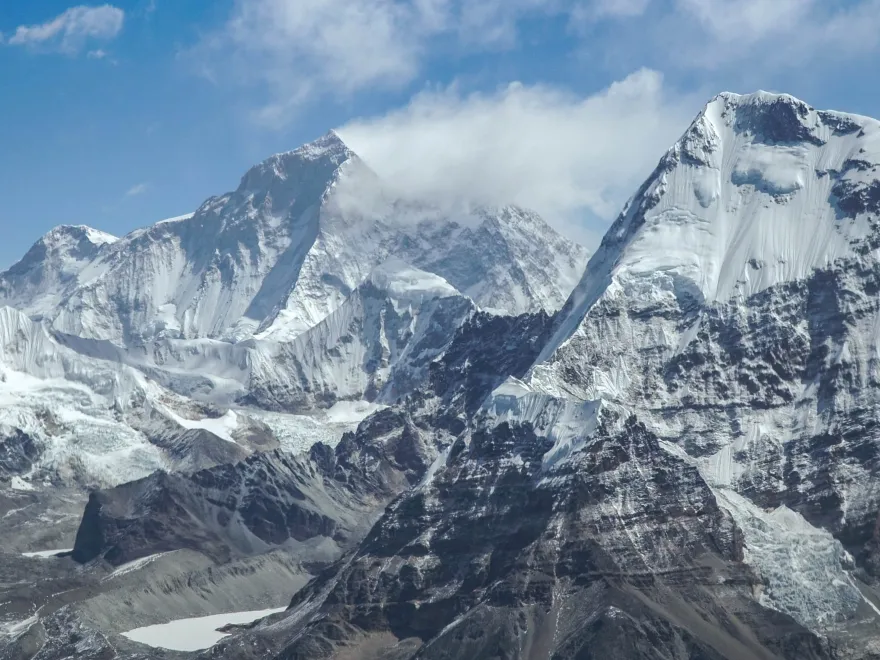
Explore the breathtaking Himalayas with Everest Extreme Adventure on the Makalu Base Camp Trek. Discover remote mountain villages, lush forests, alpine meadows, and spectacular views of Mount Makalu, enjoying an unforgettable 21-day journey filled with adventure, culture, and natural beauty.
Makalu is the fifth highest mountain in the world, at an elevation of 8463m. Situated in the Makalu Barun National Park, it covers the Solukhumbu and Sankhuwasabha districts of Nepal. This region is one of the few unexplored natural treasures of the country with diverse wildlife and unique cultures.
The Makalu Base Camp trek is relatively challenging. However, the outstanding views of Everest, Lhotse, and Chamlang reward you. The Makalu Base Camp trek is an adventurous journey with views so serene it will melt your pain away. You begin at Tumlingtar, where you drive to Num and trek to Tashigaon through Seduwa.
Enter the Makalu Barun Conservation Area and pass the ridge between Ipsuwa Khola and Kasuwa Khola to reach Tashigaon. You trek through stone roads to Khongma Danda and acclimatize. One of the main highlights of this trek is that you pass through 4 passes in a day- Kauma La Pass (3,603m), Keke La (4,127m), Shipton La Pass (4,170m), and Tutu La Pass (4,080m).
You visit the Kalo Pokhari Lake along the way and then finally reach Dobate. Crossing the Barun River, the trail opens up to pastureland for the Yaks. Pass through the rustic villages of Merek and Langmale Kharka to reach Makalu Base Camp. The trail includes a steep ascent to Shershong.
Upon reaching Makalu Base Camp, you get to enjoy the view of Everest, Lhotse, Nuptse, Cho Oyu, and other surrounding peaks. A short hike to Barun glacier and Barun Pokhari is even picturesque. This adventurous trek is recommended during spring (March-May), and autumn (September-November) as the weather is favorable and pleasant.
At Everest Extreme Adventure, you get quality services and affordable tour packages. Transportation and accommodation facilities will all be of your choice. Along with it, we have the best and certified guides and staff to accompany you one your desired trip.
Choosing the right season is essential for enjoying the Makalu Base Camp Trek safely and comfortably. Because the trail reaches nearly 4,900 meters and crosses high mountain terrain, weather conditions can significantly influence visibility, trail conditions, and overall trekking difficulty. The best seasons for this adventure are generally spring (March to May) and autumn (September to November), when conditions are usually more favorable for trekking in Nepal's eastern Himalayas.
Spring is one of the most beautiful times to explore the Makalu region. During March, April, and May, lower-altitude forests become greener, rhododendrons bloom in vibrant colors, and the weather generally becomes warmer as the season progresses. Mountain views are often excellent, especially during clear mornings, although afternoon clouds and occasional snowfall can occur at higher elevations. April and early May are particularly attractive for trekkers who want to experience colorful forests, fresh mountain scenery, and comfortable temperatures at lower elevations.
Autumn is another excellent season, especially from late September through November. Following the summer monsoon, the skies often become clearer, the air is fresh, and mountain views can be exceptionally sharp. October is frequently a preferred month for high-altitude trekking because daytime conditions are generally favorable, although nights become increasingly cold as winter approaches. November can also offer wonderful trekking conditions, but snow and freezing temperatures are more likely at higher elevations.
The summer monsoon season, from June to August, is generally less suitable because heavy rainfall can make trails slippery, increase landslide risks, and disrupt flights to Tumlingtar. Winter, from December to February, brings colder temperatures and a greater possibility of heavy snowfall around high passes and the base camp. Some sections may become difficult or temporarily inaccessible depending on conditions.
Everest Extreme Adventure recommends selecting your departure dates according to your fitness, weather preferences, and available time. Our team can help you plan the trek around the most suitable seasonal conditions and provide updated advice before departure.
Best seasons at a glance:
For the best balance of weather, scenery, and trekking conditions, spring and autumn are the recommended seasons for the Makalu Base Camp Trek.
The Makalu Base Camp Trek is considered a challenging to strenuous high-altitude trekking adventure suitable for trekkers with good physical fitness, endurance, and a willingness to walk for several consecutive days in remote mountain terrain. The 21-day itinerary includes daily walking periods of approximately four to seven hours on many trekking days, with some sections involving steep ascents, long descents, rocky paths, narrow trails, and high mountain passes. The highest overnight destination is Makalu Base Camp at approximately 4,870 meters, where reduced oxygen levels can make physical activity more demanding.
The route begins at Num and gradually climbs through Seduwa, Tashigaon, Khongma Danda, Dobate, Yangri Kharka, and Langmale Kharka before reaching Makalu Base Camp. The ascent toward Khongma Danda and the high passes beyond it can be particularly demanding because of steep terrain and increasing altitude. An acclimatization day at Khongma Danda helps the body adjust before continuing toward higher elevations. Nevertheless, altitude sickness remains a potential risk, and trekkers should ascend carefully, remain hydrated, communicate symptoms to their guide, and follow appropriate acclimatization practices.
Previous trekking experience is highly beneficial, especially experience on multi-day routes above 3,000 meters. Trekkers should prepare with regular hiking, stair climbing, cardiovascular exercise, and strength training before departure. Everest Extreme Adventure provides guidance on preparation, equipment, pacing, and altitude awareness to help participants approach the journey responsibly. A guide may also recommend modifying the itinerary if weather, health, or trail conditions require it.
Transportation is an important part of this remote adventure. On Day 3, you will take a domestic flight from Kathmandu to Tumlingtar, which usually takes approximately 25–35 minutes, depending on the flight and operating conditions. From Tumlingtar, a road journey takes you toward Num, the starting point of the trek. Road travel times can vary considerably because of road conditions, weather, and local transport availability. After completing the trekking circuit, you will return to Tumlingtar by road and take a domestic flight back to Kathmandu on Day 20.
Difficulty and transportation highlights:
With proper preparation and professional support from Everest Extreme Adventure, fit and well-prepared trekkers can experience this demanding Himalayan journey with greater confidence.
Food and accommodation are essential parts of the Makalu Base Camp Trek because the route passes through remote mountain settlements with fewer facilities than Nepal's popular trekking regions. During the journey, trekkers generally stay in local teahouses and basic mountain lodges wherever available. These accommodations offer a simple and welcoming environment, allowing visitors to experience local hospitality while resting after a long day on the trail. Facilities become increasingly basic at higher elevations, particularly around Langmale Kharka and Makalu Base Camp, where the number of lodges and available services is limited.
Most teahouses provide shared dining areas and basic rooms, commonly equipped with twin beds, mattresses, pillows, and blankets when available. Toilets may be shared, and hot showers, electricity, charging facilities, and Wi-Fi can be limited or unavailable in some locations. During busy periods or in particularly remote settlements, accommodation availability may be restricted, making advance planning important. Trekkers should bring a suitable sleeping bag rated for cold mountain conditions rather than relying entirely on lodge blankets.
The food menu generally includes traditional Nepali meals, simple international dishes, and filling carbohydrate-rich options that provide energy for long walking days. Dal bhat, consisting of rice, lentil soup, and vegetables, is a popular choice because it provides a substantial meal and is often available for additional servings. Other common options include noodles, fried rice, soups, potatoes, eggs, porridge, Tibetan bread, pancakes, and seasonal vegetables, depending on the lodge.
As the trek progresses into higher elevations, food variety may decrease and prices may increase because supplies must be transported over difficult terrain. Drinking enough water is essential, and trekkers should use properly treated, filtered, or boiled water rather than assuming untreated tap or stream water is safe. Carrying personal snacks such as energy bars, nuts, dried fruit, and chocolate can also be useful during long walking days.
Everest Extreme Adventure helps coordinate suitable accommodation and meal arrangements according to the itinerary and the services included in your package. We also encourage trekkers to inform us in advance about vegetarian preferences, food allergies, or other dietary requirements so that practical arrangements can be discussed before the trek begins.
Food and accommodation highlights:
The combination of simple lodging, nourishing meals, and genuine local hospitality adds an authentic Himalayan character to the Makalu Base Camp Trek.
The Makalu Base Camp Trek takes place in a protected Himalayan region, so trekkers must obtain the applicable permits and follow the regulations established by the relevant Nepalese authorities. These requirements help protect the natural environment, manage access to sensitive areas, and support responsible tourism in the Makalu Barun region. Because regulations, fees, and entry procedures can change, trekkers should confirm the current requirements before departure.
The primary protected-area entry document for this trek is the Makalu Barun National Park entry permit. The route passes through the national park, which protects an extraordinary range of landscapes, from subtropical forests and river valleys to alpine meadows, glaciers, and high mountain ecosystems. The park is also important for biodiversity conservation and the protection of rare Himalayan plants and wildlife. Trekkers must respect park rules, follow designated trails, and avoid disturbing wildlife or damaging the natural environment.
Depending on the current route regulations and the trekker's nationality, additional documentation or permits may be required. The Makalu region is remote, and access requirements can differ from those associated with Nepal's more frequently visited trekking areas. Therefore, it is important not to assume that permits used for the Everest or Annapurna regions are sufficient for Makalu. A trekking agency can help verify the appropriate documents and any additional requirements applicable to your itinerary.
Trekkers should carry valid identification and any permit documents provided for inspection at designated checkpoints. Foreign visitors should generally have a valid passport and the appropriate Nepal entry visa, subject to their nationality and immigration eligibility. Permit fees and visa costs may be separate from the trekking package, so it is important to review the inclusions and exclusions before making a booking.
Everest Extreme Adventure assists clients with checking current permit requirements and arranging the necessary documentation as agreed in the trekking package. Our team can explain which charges are included, what information is needed from you, and whether any additional documents apply to your travel arrangements.
Permit preparation checklist:
Permit regulations and charges can change, so the most reliable approach is to verify the latest official requirements before traveling. With the necessary documents arranged in advance, you can focus on enjoying the spectacular scenery and cultural experiences of the Makalu Base Camp Trek.
Choosing the right trekking company is an important part of planning a safe, enjoyable, and well-organized Himalayan adventure. The Makalu Base Camp Trek involves remote trails, high elevations, limited infrastructure, and several logistical challenges, including domestic flights, road transfers, accommodation arrangements, food supplies, and permit preparation. Everest Extreme Adventure aims to bring these elements together through organized itineraries, local knowledge, professional trekking support, and a focus on responsible travel.
One of the main reasons to choose the Makalu Base Camp Trek is the opportunity to experience a less-commercialized part of Nepal. While many popular trekking destinations attract large numbers of visitors, the Makalu region offers a greater sense of wilderness and isolation. The route takes you through traditional villages, forested hillsides, alpine landscapes, and spectacular mountain valleys before reaching the impressive surroundings of Makalu Base Camp. This makes the journey especially appealing to trekkers who value natural beauty, cultural encounters, and challenging outdoor experiences.
Everest Extreme Adventure can help organize the journey from your arrival in Kathmandu to your final departure. Support may include airport pickup arrangements, hotel coordination, domestic flight bookings, road transportation, trekking permits, guide and porter services, and teahouse reservations, depending on the package selected. Before booking, we encourage travelers to confirm exactly which services, meals, accommodation costs, transport arrangements, and staff expenses are included in their chosen package.
Safety and responsible trekking are particularly important on this route. Experienced guides can assist with navigation, local communication, daily planning, and awareness of changing weather and altitude-related concerns. A professional guide can also help travelers understand local customs, respect cultural traditions, and reduce their environmental impact. However, no trekking company can eliminate all mountain risks, so appropriate insurance, personal preparation, and cooperation with the guide remain essential.
We believe that a successful trekking experience should balance adventure, cultural appreciation, environmental responsibility, and practical organization. By working with Everest Extreme Adventure, you can plan a personalized experience that considers your fitness level, available time, preferred travel season, and expectations for comfort and support.
Reasons to choose Everest Extreme Adventure:
The Makalu Base Camp Trek is more than a journey to the foot of one of the world's highest mountains. It is an opportunity to challenge yourself, discover remote Himalayan landscapes, and experience a quieter side of Nepal. With careful preparation and the organizational support of Everest Extreme Adventure, you can make this remarkable 21-day trek a rewarding and memorable part of your Himalayan travel experience.
The Makalu Base Camp Trek with Everest Extreme Adventure is an unforgettable 21-day Himalayan adventure into one of Nepal’s most remote and spectacular trekking regions. The journey begins with cultural sightseeing in Kathmandu, followed by a scenic flight to Tumlingtar and a drive to Num, where the trek starts. Along the trail, you will pass through traditional villages, lush forests, suspension bridges, alpine meadows, and dramatic mountain landscapes.
The trek gradually ascends through Seduwa, Tashigaon, Khongma Danda, Dobate, Yangri Kharka, and Langmale Kharka before reaching Makalu Base Camp at 4,870 meters. Enjoy breathtaking views of Mount Makalu and surrounding Himalayan peaks, with time for acclimatization and exploration. After experiencing the pristine wilderness of Makalu Barun National Park, retrace your route to Tumlingtar and fly back to Kathmandu for departure.
The trip kicks off with your arrival in Nepal, the country located in the lap of the Himalayas. As per your scheduled flight, you land at Tribhuvan International Airport in Kathmandu. Our staff will be waiting to welcome you, warmly. After brief introductions, you head to the hotel. In the evening, you join the staff again for a welcome dinner. During this time, you can discuss the details of the trip.
Along with preparing permits, you will also sightsee some of the landmarks of the Kathmandu Valley. The first stop is Boudhanath Stupa, the heart of Buddhist pilgrims. Here, you enjoy the tranquility and visit the beautiful monasteries.
Next, you head to Pashupatinath, the holy temple of Lord Shiva. If you’re lucky, you may see the open cremation ceremony. Then, you proceed to Kathmandu Durbar Square to learn more about the city’s civilization and history. The tour ends at Swayambhunath, also called “the monkey temple.” From the temple, you can see a fantastic panorama of the valley.
After an early breakfast, you head to the domestic airport and catch the first flight to Tumlingtar. You head east and enjoy the picturesque views of the landscape. You will also see mountains like Makalu, Langtang, and Ganesh Himal. Once you land at Tumlingtar, you’ll be greeted by our local staff who’ll accompany you on this trek. After resting for a while, you board the vehicle that’ll take you to Num. En route; you pass by rustic villages like Chichila. Drive through the rhododendron forests and reach Num for the overnight stay.
After breakfast, you descend to the banks of the Barun River via rhododendron forests and then ascend steeply. Then, you arrive at the check post where you need to show your permits to enter the Makalu Barun National Park. After completing the formal procedures, ascend to the village of Seduwa for the overnight stay.
The trek starts as you ascend to the ridge between Ipsuwa Khola and Kasuwa Khola. The trail is relatively quiet today, and you pass by some small villages. After the final ascent, you arrive at the beautiful village of Tashigaon. Overnight stay at a teahouse.
The trek begins with a steep ascend to the forest of rhododendron. The route gets steeper as you head to the pasturelands of yaks. After this point, you can walk along the stone paths and walk past small lakes. From the top of the ridge, you slowly descend to Khongma Danda for the overnight stay.
Since you’ll be trekking to higher elevations, you need to acclimatize to prevent altitude sickness. After breakfast, you head to explore the nearby villages and small lakes. You can also head to the local monasteries and learn more about Buddhism and the lifestyles of monks. Overnight stay at the teahouse.
Today is a difficult day, as you need to cross four passes. After an early breakfast, you head to the first pass Kauma La Pass (3,603m) and ascend again to the second pass, Keke La (4,127m). The third pass is Shipton La Pass (4,170m), and finally, you reach Tutu La Pass (4,080m) after crossing the Kalo Pokhari Lake. From the final pass, you descend to Dobate for the overnight stay. From this village, you can see splendid views of Chamlang Peak.
The trail today goes through a dense rhododendron forest first. After crossing the Barun River, you arrive at the pasturelands of yaks. You get to see many yaks today. After crossing the pastures, you arrive at Yangle Kharka. Set up tents for the overnight camp stay.
The trail goes through pine and oak forests today. Admiring the views of the mountains and landscape, you cross wooden bridges. You reach the village of Merek, and from there, the route starts to get filled with moraines. At the end of the rocky trail, you finally reach the small village of Langmale Kharka. Overnight camp stay.
Today, you head to the Makalu Base Camp. The trek starts with a steep ascent to Shershong as you make your way through the icy path. En route, you get to see breathtaking views of Mt. Makalu. After a couple of hours walking up the moraines and glaciers, you arrive at the base camp.
Today, you get to explore the base camp. The base camp provides excellent views of mountains like Everest, Lhotse, Nuptse, and Cho Oyu. The majestic views are one of a kind. A short hike from the camp leads you to the magnificent Barun Glacier. A bit further, you can explore the gorgeous Barun Pokhari. Overnight camp stay.
After an early breakfast, you pack up and clean the camp. After the successful climb, it’s time to retrace your steps back to lower elevations. You descend through the rocky trail and walk past villages like Langmale Kharka, Shershong, and Merek to arrive at Yangri Kharka. Overnight camp stay.
The trail starts along the banks of the Barun River. The trail follows through the dense alpine forests, and then you ascend to the rocky ridges. After enjoying the views from the top of the ridge, you descend to Dobate via the pasturelands. Overnight stay at a teahouse.
Today, you need to cross the four passes again. The trail goes through the rhododendron and juniper forests, and you make your way towards Mumbuk. You then ascend to Tutu La Pass, Shipton La Pass, Keke La Pass, and Kauma La Pass. After crossing these passes, you finally descend to Khongma Danda for an overnight stay.
You retrace your steps back to the rhododendron forests. You trek through the steep trails and then leave the Makalu Barun National Park behind. After exiting the national park, the next stop is Tashigaon. Overnight stay at a lodge.
You walk along the small streams and enter the Barun Valley. Then, the trail goes along the ridge with Isuwa Khola and Hingsa Khola on either side. Descending from the ridge, you arrive at Seduwa for an overnight stay.
The trail continues along the Arun River, and you walk through the forests filled with rhododendrons and bamboo. The trail goes past several Sherpa villages, and after descending from the last village, you reach Num for the overnight stay.
Today is the last day of the trek, so enjoy the surroundings as much as you can. You walk through the rhododendron forests and enjoy the picturesque views of Makalu, Everest, Lhotse, and many more. By the late afternoon, you arrive at Tumlingtar for an overnight stay. You join our local staff for a farewell dinner at the lodge where you’ll be staying.
After breakfast, you head to the airport and catch an early flight back to Kathmandu. During the fight, you get to enjoy the mountain views one last time. At Kathmandu’s domestic airport, our staff will pick you up and take you to the hotel. If you want, you can head to buy souvenirs or simply relax your tired body. In the evening, you meet our staff again and join them for a farewell dinner.
The trip has sadly come to an end. After completing the Makalu Base camp trek successfully, you now head back home. Please make sure that you have your belongings with you. As per your scheduled flight, our staff will make sure to drop you off at the airport. Thank you for making unforgettable memories with us, and we hope to see you again. Have a safe flight!
The Makalu Base Camp Trek typically takes around 21 days, including arrival and departure in Kathmandu, sightseeing, domestic flights, road transportation, trekking days, acclimatization, and exploration at Makalu Base Camp. This itinerary allows trekkers to experience the region gradually while enjoying its remote villages, forests, alpine landscapes, and spectacular Himalayan views. Everest Extreme Adventure organizes the trek with a planned itinerary designed to balance walking, rest, and acclimatization.
The highest destination on this trek is Makalu Base Camp, located at approximately 4,870 meters (15,978 feet) above sea level. At this elevation, the air contains less available oxygen, making walking more physically demanding. Trekkers should ascend gradually, maintain proper hydration, and inform their guide immediately if they experience symptoms such as headaches, nausea, dizziness, or unusual fatigue. Everest Extreme Adventure includes an acclimatization day at Khongma Danda to support safer altitude adjustment.
The Makalu Base Camp Trek is considered challenging to strenuous because it involves steep ascents, long walking days, high mountain passes, remote trails, and elevations approaching 4,900 meters. Most trekking days require approximately four to seven hours of walking, although conditions and individual pace can affect the duration. Previous trekking experience is beneficial, but strong physical fitness and adequate preparation are essential. Everest Extreme Adventure recommends regular hiking, cardiovascular exercise, strength training, and appropriate acclimatization before beginning this demanding Himalayan adventure.
Previous high-altitude trekking experience is helpful but not always essential for the Makalu Base Camp Trek. However, trekkers should be physically fit, comfortable walking for several consecutive days, and prepared for changing weather and basic accommodation. Training through regular hiking, stair climbing, and endurance exercises can improve your readiness. Because the route is remote and demanding, beginners should carefully assess their fitness and consult the trekking team before booking. Everest Extreme Adventure can provide preparation guidance and advice about suitable equipment.
Yes, altitude sickness is a significant consideration because the trek reaches approximately 4,870 meters. Symptoms can include headaches, nausea, dizziness, loss of appetite, and unusual tiredness. Proper acclimatization, gradual ascent, adequate hydration, and avoiding overexertion can help reduce the risk, but altitude sickness can affect anyone regardless of fitness. Trekkers should never ignore worsening symptoms or continue ascending when unwell. Everest Extreme Adventure includes a planned acclimatization day at Khongma Danda and encourages trekkers to communicate health concerns promptly. Severe symptoms require immediate descent and urgent medical assessment.
Everest Extreme Adventure helps travelers organize the Makalu Base Camp Trek through itinerary planning, transportation coordination, permit assistance, accommodation arrangements, and guide and porter services according to the selected package. The company aims to make this remote Himalayan adventure more manageable while helping trekkers appreciate local cultures and the natural environment. Before booking, travelers should confirm the qualifications of their trekking guide, the services included in the price, emergency arrangements, and insurance requirements. With appropriate preparation and a well-organized itinerary, you can experience the remarkable landscapes of the Makalu region with greater confidence.
Yes, the Makalu Base Camp Trek itinerary may be adjustable depending on your available time, fitness level, trekking experience, and travel preferences. Some trekkers may prefer additional acclimatization days, while others may need changes to transportation or overnight stops. However, modifications must account for remote trail conditions, accommodation availability, weather, and altitude safety. Everest Extreme Adventure can discuss possible itinerary adjustments before departure and recommend a practical schedule. Any changes should preserve sufficient time for acclimatization rather than rushing through the high-altitude sections.
The Makalu Base Camp Trek passes through Makalu Barun National Park, a protected area known for its remarkable biodiversity and dramatic changes in elevation. Along the trail, trekkers can experience lush forests, bamboo groves, rhododendron woodlands, alpine meadows, rugged cliffs, glacial valleys, and snow-covered peaks. The region provides habitat for diverse Himalayan plants and animals, although wildlife sightings are never guaranteed. Everest Extreme Adventure encourages responsible trekking practices, including staying on designated trails, avoiding disturbance to wildlife, and respecting the fragile ecosystems that make this region special.
Solo travelers can plan the Makalu Base Camp Trek, but the remote nature of the route makes careful preparation especially important. Trail navigation, changing weather, limited communication, and high-altitude health concerns can create additional challenges when traveling alone. Hiring an experienced guide and arranging reliable transportation and accommodation can provide valuable support. Permit and guide requirements should be checked against current regulations before departure. Everest Extreme Adventure can assist solo travelers with planning and may offer private or group arrangements, depending on availability and the services requested.
The Makalu Base Camp Trek stands out for its remote wilderness, dramatic landscape changes, traditional mountain settlements, and relatively quiet trails compared with Nepal's busiest trekking destinations. The journey takes you from subtropical forests and green valleys to alpine pastures, rocky mountain passes, and the spectacular surroundings of Makalu Base Camp. Trekkers can enjoy views of Mount Makalu and other Himalayan peaks while experiencing the distinctive culture of the region. Everest Extreme Adventure offers this trek to travelers seeking a demanding, nature-focused adventure away from more commercialized trekking routes.
Packing suitable clothing and equipment is essential because temperatures and weather conditions can change significantly between lower villages and high-altitude camps. Recommended items include layered trekking clothes, a warm insulated jacket, waterproof outerwear, sturdy trekking boots, warm gloves, a hat, sunglasses, sunscreen, a headlamp, a reusable water bottle, and a cold-rated sleeping bag. Personal medication, a basic first-aid kit, and water-purification supplies are also useful. Everest Extreme Adventure can provide a detailed packing checklist before departure to help you prepare for the terrain, weather, and accommodation conditions.
Travel insurance is strongly recommended for the Makalu Base Camp Trek because the route involves high elevations, remote mountain terrain, and limited access to medical facilities. Your policy should explicitly cover trekking at the maximum altitude of your itinerary, emergency medical treatment, helicopter evacuation where available, and trip interruption or cancellation. Standard travel insurance may exclude high-altitude trekking or rescue services, so carefully check the policy wording before purchasing coverage. Everest Extreme Adventure recommends arranging appropriate insurance before arrival in Nepal and carrying accessible proof of coverage throughout the journey.
The best seasons for the Makalu Base Camp Trek are generally spring, from March to May, and autumn, from September to November. Spring offers blooming rhododendrons, greener forests, and pleasant conditions at lower elevations, while autumn often provides clear skies and excellent mountain views. Monsoon months can bring heavy rainfall, slippery trails, and flight disruptions, whereas winter can bring severe cold and snow at higher elevations. Everest Extreme Adventure can help you choose suitable departure dates based on seasonal conditions.
The journey begins in Kathmandu, where trekkers can explore cultural landmarks before traveling east to the Makalu region. On Day 3, the itinerary includes a domestic flight from Kathmandu to Tumlingtar, generally taking around 25–35 minutes, followed by a road journey to Num, the starting point of the trek. After completing the trekking route, you return to Tumlingtar and fly back to Kathmandu. Everest Extreme Adventure can coordinate domestic flights and road transportation according to the selected package, subject to availability and weather conditions.
Trekkers generally need a Makalu Barun National Park entry permit to access the protected area. Depending on current regulations, nationality, and route requirements, additional documentation may also be necessary. International visitors should carry a valid passport and obtain the appropriate Nepal visa. Permit fees and visa costs may be separate from the trekking package, so it is important to check the inclusions before booking. Everest Extreme Adventure can help confirm current permit requirements, explain applicable fees, and coordinate the necessary documents before departure.
Accommodation along the Makalu Base Camp Trek is generally provided in local teahouses and basic mountain lodges. Rooms commonly have simple beds and basic bedding, while bathrooms and other facilities may be shared. Accommodation becomes more limited at higher elevations, particularly near Langmale Kharka and Makalu Base Camp. Hot showers, electricity, internet access, and charging facilities may not always be available. Everest Extreme Adventure helps arrange accommodation according to the itinerary and selected package, and recommends bringing a warm sleeping bag for cold mountain nights.
Trekkers can usually find traditional Nepali meals and simple lodge dishes along the route. Common options include dal bhat, rice, noodles, soups, potatoes, eggs, porridge, pancakes, and seasonal vegetables. Food choices become more limited and expensive at higher elevations because supplies are transported into remote mountain settlements. Drinking sufficient safe water and maintaining adequate nutrition are important during long trekking days. Everest Extreme Adventure recommends informing the team about vegetarian preferences, allergies, or other dietary requirements before departure so that practical arrangements can be discussed.
The cost of the Makalu Base Camp Trek depends on factors such as group size, trekking season, accommodation preferences, domestic flights, transportation, permits, guide and porter services, meals, and the level of support included. Additional expenses may include international flights, Nepal visa fees, travel insurance, personal equipment, snacks, hot showers, charging facilities, tips, and other personal purchases. Since package inclusions vary, travelers should request a detailed quotation before confirming their booking. Everest Extreme Adventure can explain the available package options and help you understand the expected costs for your 21-day Himalayan adventure.