Group Adventure Dates.  4.9 of 489 reviews
 4.8 of 232 reviews
4.9 of 489 reviews 4.8 of 232 reviews 
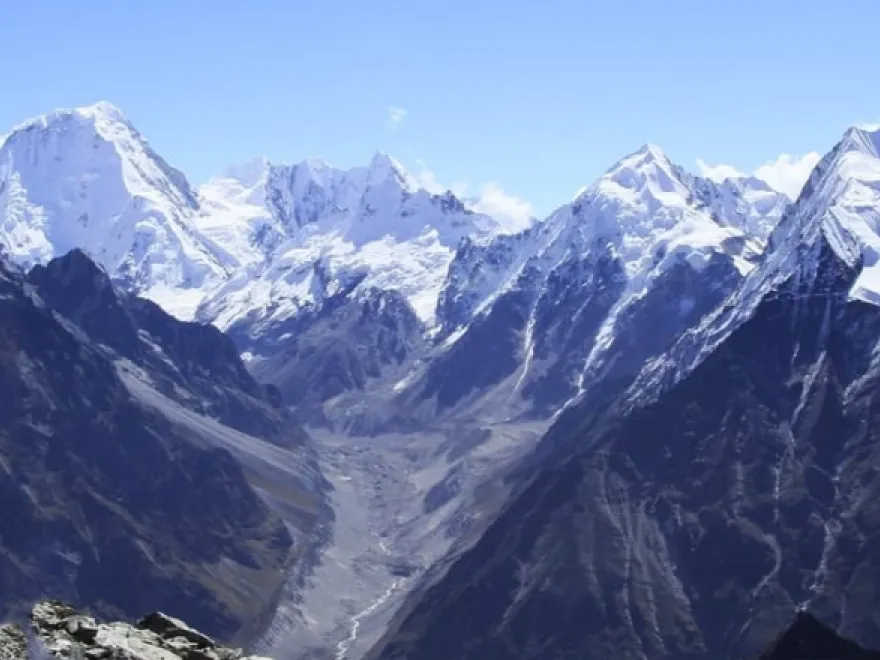
ala Peak Climbing with Everest Extreme Adventure combines scenic Langtang Valley trekking, Himalayan culture, and an exciting 5,500m summit adventure. Explore Langtang National Park, Kyangin Gumba, and breathtaking mountain landscapes while enjoying professional guidance, carefully planned acclimatization, and reliable expedition support.
Yala Peak in the pristine Langtang Range is one of the most beautiful and most comfortable peaks for climbing in Nepal. Measuring at 5,500 meters, Yala Peak attracts both seasoned and amateur climbers. Trek through the scenic Langtang National park, the first Himalayan national park of Nepal, and witness the confluence of Bon and Buddhist cultures.
Yala Peak is a part of the more magnificent Langtang massif that runs from Langtang Lirung in the west to Langshisha Ri in the east. One of the visible peaks from Kathmandu, Langtang, is also the closest trek destination. The technical ease in climbing offers fun to the first time climbers. Catch the majestic sight of Mount Shishapangma (8013m) and few other high snow-capped peaks from the top. Observe the unique lifestyle, culture, occupation, and traditions of the indigenous Tamang and Tibetan tribes. Langtang National Park is also home to the revered Gosainkunda Lake.
Yala Peak Climbing commences upon your arrival in Kathmandu. Before embarking on the trip, enjoy a scenic sightseeing tour around Kathmandu Valley and explore the UNESCO World Heritage Sites of Pashupatinath, Swayambhunath, Hanuman Dhoka, and Boudhanath. The trek will begin with a drive to Syabrubensi village in Rasuwa District. Begin trekking along the traditional Tamang and Tibetan villages towards Langtang. Spend ample time witnessing the unique Himalayan culture, lifestyle, occupation, and traditions. The region is also rich in the mysticism of ancient Bon Religion. The trail advances into the snow-capped region of Kyanjin Gompa (3870m). From here, you’ll approach Yala Peak Base Camp (4600m). Begin climbing through the snow moraines towards the Yala Peak summit (5732m). Enjoy the panoramic sight of the pristine snow-capped peaks of Langtang Lirung (7227m) and Langshisha Ri in Nepal, and Shishapangma in Tibet. Retrace your path and trek through the natural Langtang National park towards Syabrubensi. The trip concedes upon your return to Kathmandu
Enjoy a tailored short peak climbing trip with Everest Extreme Adventure. We specialize in different climbing and expedition trips around Nepal. You can join our fixed groups or choose your departure date. Our Sherpa guides have experience in leading expeditions for over a decade. Our all-inclusive trip package covers domestic transportation, three meals a day, an experienced climbing guide, porters and staff, and permits.
The best seasons for Yala Peak Climbing are generally spring (March to May) and autumn (September to November). During these periods, the weather in the Langtang region is usually more favorable for trekking and climbing, with relatively stable conditions, clearer mountain views, and suitable temperatures compared with the monsoon and winter months. Spring brings warmer conditions and gradually improving weather, while autumn is well known for clear skies and excellent visibility following the summer monsoon. These seasons also provide attractive conditions for enjoying the landscapes and mountain panoramas along the Langtang Valley trail.
Choosing the right season is especially important for a peak such as Yala because the summit day requires suitable weather and mountain conditions. Even during the preferred seasons, conditions at 5,500 meters can change quickly. Wind, snowfall, cloud cover, freezing temperatures, and other high-altitude factors can affect summit plans. Everest Extreme Adventure therefore recommends maintaining flexibility in the climbing schedule and allowing the guide to make decisions based on actual trail, weather, and mountain conditions. The itinerary already includes an acclimatization day at Kyangin Gumba, helping climbers prepare before moving toward higher elevations.
Winter can bring significantly colder conditions and increased snow at higher elevations, while the monsoon months can make lower trails wet, slippery, and less predictable, with clouds often limiting mountain visibility. Experienced climbers may still consider other periods depending on current conditions, but spring and autumn remain the preferred choices for most travelers.
Yala Peak Climbing is considered a challenging Himalayan adventure that requires good physical fitness, stamina, determination, and the ability to walk for several hours at altitude. The trek gradually ascends from Syabrubesi at approximately 2,380 meters to Kyangin Gumba at around 3,870 meters before continuing toward Yala Peak Base Camp at approximately 4,600 meters. The summit reaches about 5,500 meters, where thin air, cold temperatures, steep terrain, and changing weather can make the climb demanding. Although Yala Peak is commonly approached as a trekking peak, climbers should not underestimate the effects of altitude. Previous trekking experience is beneficial, particularly experience at high elevations.
The itinerary is structured to support gradual acclimatization. After reaching Kyangin Gumba, a dedicated rest and acclimatization day is included before the journey to base camp. The summit day involves approximately 7–8 hours of climbing and descent, making it the most physically demanding day of the itinerary. Everest Extreme Adventure provides experienced trekking and climbing support to help participants manage the route, pace, altitude, and technical requirements. Depending on conditions and the group's experience, appropriate climbing equipment and instruction may be required.
Transportation is also an important part of the journey. The trip begins with arrival in Kathmandu, followed by a road journey from Kathmandu to Syabrubesi, which generally takes around 6–7 hours depending on road and traffic conditions. After completing the trek, travelers descend to Syabrubesi and return to Kathmandu by bus or private vehicle. Road conditions in the Himalayan foothills can vary, so travel times should be regarded as approximate rather than fixed.
Food and accommodation are important parts of a successful Yala Peak Climbing journey because climbers need adequate nutrition, hydration, and rest throughout the trek. During the Langtang Valley section, accommodation is generally provided in local teahouses or trekking lodges. These establishments offer a simple but comfortable place to sleep after a long day on the trail. Rooms are generally basic, and facilities become more limited as the altitude increases. Staying in local lodges also gives travelers an opportunity to interact with mountain communities and experience the traditional hospitality of the Langtang region.
Meals during the trekking period generally focus on nutritious and practical foods suitable for long days of walking. Common options can include rice, lentils, vegetables, noodles, pasta, soups, potatoes, eggs, bread, Tibetan-style dishes, and other simple trekking meals. Breakfast provides energy for the day's journey, while lunch and dinner help replenish calories after trekking. At higher elevations, food choices may be more limited because supplies have to be transported along the mountain trails. Climbers are encouraged to drink sufficient water and carry personal snacks such as energy bars, chocolate, nuts, dried fruit, or other preferred high-energy foods.
At Yala Peak Base Camp, accommodation and meals are more basic than in the villages. Camping arrangements may be required depending on the expedition setup and current mountain logistics. Everest Extreme Adventure coordinates the necessary camping and climbing arrangements as part of the expedition planning. Travelers should understand that high-altitude accommodation is focused primarily on safety, warmth, rest, and functionality rather than luxury.
Yala Peak Climbing requires the appropriate trekking and climbing permits because the route passes through the Langtang region and includes an attempt to climb a designated Himalayan peak. Permit requirements can depend on the season, route, peak regulations, and current rules established by the relevant Nepalese authorities. For this reason, climbers should arrange their permits through a properly authorized trekking and mountaineering agency. Everest Extreme Adventure assists with the necessary permit arrangements and expedition documentation so that travelers can concentrate on preparation and the journey itself.
The expedition also involves entry into the Langtang region, where the required conservation or national park entry documentation may apply. In addition, Yala Peak climbing requires the applicable climbing permit and related administrative arrangements. The exact fees and regulations can change, so travelers should confirm the current requirements with Everest Extreme Adventure before departure. Proper documentation is essential because permits allow the relevant authorities to regulate tourism, protect sensitive mountain environments, and maintain records of climbing activities.
Travelers should provide the required personal documents and information to the expedition company within the requested timeframe. A valid passport and appropriate passport-size photographs or digital photographs may be required for permit processing and other formalities. Depending on current regulations, additional documentation may also be necessary. Everest Extreme Adventure can guide climbers through the preparation process and ensure that the required paperwork is handled as part of the trip organization.
Yala Peak Climbing is an excellent choice for travelers who want to combine a beautiful Himalayan trek with the excitement of climbing a high-altitude peak. Unlike a straightforward trekking journey, the Yala Peak adventure introduces participants to the experience of climbing above 5,000 meters while still following a relatively compact itinerary. The route through the Langtang Valley provides an impressive combination of mountain scenery, forests, rivers, traditional villages, Buddhist culture, and high-altitude landscapes. The journey is therefore not only about reaching the summit but also about experiencing one of Nepal's remarkable Himalayan regions.
Choosing Everest Extreme Adventure provides travelers with organized logistical support throughout the journey. The itinerary includes preparation and sightseeing in Kathmandu, transportation to Syabrubesi, gradual trekking through the Langtang Valley, an acclimatization day at Kyangin Gumba, a dedicated base-camp period, and a summit attempt before descending back to Kathmandu. This structure allows participants to experience the adventure step by step rather than rushing directly toward the summit. Experienced guides and climbing staff can provide route guidance, practical advice, altitude management, and support during the climbing stages.
Yala Peak can also be a valuable introduction to Himalayan peak climbing for people who are considering future mountaineering adventures. The experience of walking at high altitude, staying in mountain lodges and camps, preparing for a summit day, and managing changing Himalayan conditions can build confidence and valuable expedition experience. At the same time, the journey offers cultural interaction with local communities and opportunities to appreciate the natural beauty of the Langtang region.
The 15-day Yala Peak Climbing itinerary with Everest Extreme Adventure begins with your arrival in Kathmandu, followed by preparation, sightseeing, and a scenic drive to Syabrubesi. The trek then enters the beautiful Langtang Valley, passing through Lama Hotel, Ghodatabela, and Langtang village before reaching Kyangin Gumba at 3,870m. A dedicated acclimatization day helps prepare you for the higher elevations and upcoming summit adventure.
From Kyangin Gumba, the journey continues to Yala Peak Base Camp at 4,600m, followed by the summit attempt at approximately 5,500m. After successfully completing the climb, you descend through Kyangin Gumba, Lama Hotel, and Syabrubesi before driving back to Kathmandu. The final days provide time for relaxation and a farewell dinner before airport departure.
Welcome to Kathmandu! Yala Peak Climbing begins upon your arrival in Kathmandu. We will receive you outside the airport and transfer to your hotel. Check-in and enjoy your refreshment. In the meantime, we’ll take you to our office to discuss the trip. You will meet your Sherpa guide who will brief you about the Yala Peak climbing. We’ll exchange the necessary documents. Afterward, you can choose to spend the evening as you like. If you need to rent or buy any climb gear or equipment such as ice-ax, crampon, sleeping bag, and helmets, you can visit the nearest trek gear shop. Overnight in Kathmandu.
While your guide is busy getting the necessary permits from the appropriate government offices, you’ll embark on a sightseeing tour of Kathmandu City. Begin the journey with a visit to the Buddhist site of Swayambhunath. Climb the 365 stone steps to reach the top from where you can get the panoramic view of the entire city. Next, drive towards Hanuman Dhoka that is home to the ancient Malla Palace, Kumari Ghar, several temples, and the Kal Bhairava Statue. After lunch, you’ll drive to the Hindu site of Pashupatinath. Also, the largest temple in the country, Pashupatinath, remains a significant pilgrimage for Hindu adherents through South Asia. The tour ends with a brief journey towards Boudhanath Stupa, another major Buddhist site in the city. Boudhanath boasts of the largest spherical stupa in the country. You can enjoy visiting the local shop and restaurants. Relish some of the local cuisines at Boudhanath before heading back to the hotel.
Enjoy your breakfast and then embark on a 7hr long road journey to Syabrubesi, located 122km northwest of Kathmandu. Drive along the massive Trishuli River and climb an uphill road along the Bhote Koshi towards Rasuwa District. The small town of Syabrubesi serves as the gateway to Langtang Region. You can spend the rest of the day, exploring the area and observing the local lifestyle. Overnight in Syabrubesi.
After breakfast, you’ll embark on the first day of the trek. The trek commences at Syabrubensi and advances along the traditional Tamang village. The scenic trail offers an ample amount of walk through the forested path. Cross the Bhote Koshi River and begin climbing the upstream trail towards Langtang Khola. Make a brief stop at Rimche village and enjoy your lunch. The trail rises to 2380 meters before arriving at the final stop of the day, Lama Hotel. Overnight in Lama Hotel.
Leaving Lama Hotel, you’ll begin climbing through the lush pine forests of Langtang National Park and make your way towards the rocky terrain. The trail rises through the dense forest along the Langtang Khola. Along the path, you can witness the Himalayan wildlife and vegetation. Langtang is home to the rare species of Red Panda. Some of the other wildlife you could come across are Himalayan Thar and Himalayan Blue Sheep. Make a brief stop at Ghodatabela (3000m) and enjoy your lunch before heading further up towards Langtang village. You’ll exit the forested path and begin climbing through the rocky patches towards Langtang. Catch the majestic sights of Langtang Lirung, Tserko Ri, and Shishapangma peaks en route. Langtang village, located at the base of Langtang Lirung, is home to less than 400 residents. Overnight in Langtang.
Wake up to the beautiful and mighty view of Langtang Lirung Peak. After breakfast, you’ll explore the village and then head northwest towards the snowy trail. A 6hr long hike will take you through the snow moraine towards Kyangin Gumba. Kyangin is a discreet mountainous village located amidst a few of the highest mountains in the region. Unlike other places in Langtang, Kyangin is mostly inhabited by the indigenous Sherpa tribe. Enjoy the marvelous sights of Langtang Lirung, Langshisha Ri, and Mount Gangchempo (6387m). Overnight in Kyangin Gompa.
Kyangin is home to Kyangin Gumba, an ancient monastery. You can begin the day with a visit to Kyangin Gumba, followed by a visit to the local cheese factory. The produced Yak cheese is supplied to different villages in Langtang. Indulge in a short hike to the local peak of Tserko Ri (4984m). From the top of Tserko Ri, you can enjoy the panoramic view of the Langshisha Glacier and some of the snow-capped peaks. Climb down from Tserko Ri and back to Kyangin for the overnight stay.
Leaving Kyanjin, you’ll begin climbing the unmarked trail that goes along the snow moraines towards the Yala Peak Base Camp. Enjoy your packed lunch at one of the stops. The full-day hike through the snow can prove to be complicated. From the base camp, you can relish the breath-taking view of the serene mountains such as Gangchempo, Naya Kang, Tserko Ri, and Yala Peak. Spend the rest of the day preparing for the upcoming climb. Your Sherpa guide will provide a brief training on mountain climbing. Overnight in Yala Peak Base Camp.
The day follows a long climb through the snow and ice towards the Yala Peak summit and back. The day begins early. Wake up before dawn and have your breakfast. Prepare your gear and equipment and embark on the climb of Yala Peak. The trail goes past thick snow bed and over the rocks. Using the fixed rope, you’ll continue climbing the final ridge to reach to the top. The Yala Peak summit offers the beautiful panoramic view of serene mountains such as Shishapangma, Dorje Lakpa, Gangchempo, Naya Kang, Tserko Ri, and Langtang Lirung. Before the weather starts to change, you’ll retrace your path and begins climbing down to Yala Peak Base Camp. Spend the rest of the day exploring the glaciated valley. Overnight inside a tent.
Leaving Yala Peak Base Camp, you’ll begin trekking back to Kyangin Gumba. Retrace your path through the snow-covered trail and walk past Langshisha Glacier to arrive at Kyanjin Gumba. The hike from the base camp to Kyangin may last almost 5hr. You can spend the rest of the day exploring Kyangin and relishing the beautiful scenery of the mountains. Overnight in Kyangin.
Retrace your path and begin climbing down along the snow and rock moraines towards Langtang Village. You can enjoy a warm lunch either at Langtang or Ghodatabela. The trail leaves the rocky patches and climbs down through the lush pine forests towards Ghodatabela. Catch the beautiful sight of Langtang Lirung in the distance before heading further downhill towards Lama Hotel. Overnight in Lama Hotel.
On the last day of the trek, you’ll leave Lama Hotel and begin climbing down along the massive Langtang Khola. The trail goes past lush bamboo and rhododendron forests. The narrow path turns into a major road as you approach Syabrubensi. The beautiful view of Bhote Koshi will be visible at this point. Almost 5hr into the trek, you’ll arrive at Syabrubensi village. Spend the rest of the day celebrating the completion of the trip. You can shop for local souvenirs from many different shops at Syabrubensi.
Enjoy your delicious breakfast and embark on either a coach or a car back to Kathmandu. Bid farewell to the beautiful Langtang National Park as you begin driving along the Bhote Koshi River. A few hours of drive will bring you back to Trishuli River. Continue driving along the massive river to reach Kathmandu. Overnight in Kathmandu.
Today is a free day, so you can choose to do whatever you like. Out of many options, undertaking a short sightseeing tour is a must. You can visit a few of the unvisited UNESCO heritage sites. If you’re into shopping, you can visit Thamel to shop for souvenirs. Going to a local massage center for a Trekkers massage can be a great option too. In the evening, we’ll take you for a delicious farewell dinner in one of the most excellent Nepali restaurants in the city.
Today is your last day in Kathmandu. We’ll drop you off at the airport at the time of your flight. To avoid the traffic, we’ll drop you off almost 2 hours before your flight time.
Yala Peak Climbing is a rewarding Himalayan adventure that combines trekking through the beautiful Langtang Valley with the challenge of reaching a 5,500-meter summit. Organized by Everest Extreme Adventure, the journey includes scenic mountain trails, cultural experiences, acclimatization, and a dedicated summit attempt. It is an excellent option for adventure seekers looking to experience Himalayan peak climbing in a relatively short and well-structured itinerary.
Yala Peak stands at approximately 5,500 meters (18,044 feet) above sea level. The climb takes you through progressively higher landscapes, beginning in the lower Langtang Valley and continuing toward Kyangin Gumba and Yala Peak Base Camp. Because of the significant elevation gain, proper acclimatization, gradual pacing, hydration, and awareness of altitude-related symptoms are important throughout the expedition.
Yala Peak Climbing is considered a challenging adventure requiring good physical fitness, stamina, determination, and preparation for high-altitude conditions. The trekking days generally involve several hours of walking, while the summit day can be particularly demanding. Previous trekking experience is helpful, although suitable preparation and guidance from the experienced team at Everest Extreme Adventure can make the experience more manageable.
The standard itinerary organized by Everest Extreme Adventure takes 15 days, including arrival and departure from Kathmandu. The schedule allows time for Kathmandu preparation, transportation to Syabrubesi, trekking through the Langtang Valley, acclimatization at Kyangin Gumba, climbing Yala Peak, descending back to Syabrubesi, and returning to Kathmandu. The itinerary is designed to provide a gradual approach rather than rushing toward the summit.
The trekking portion of the journey begins at Syabrubesi, which is reached by road from Kathmandu. The drive generally takes around 6–7 hours, depending on road, traffic, and weather conditions. From Syabrubesi, the trail follows the Langtang Valley through forests, villages, and mountain landscapes before reaching Lama Hotel, Langtang, and eventually Kyangin Gumba.
Previous climbing experience is beneficial but does not necessarily mean you need extensive mountaineering experience. Yala Peak is commonly approached as a trekking peak, but the summit still involves high-altitude climbing and potentially technical terrain depending on conditions. Good fitness, preparation, and a willingness to learn are essential. Everest Extreme Adventure provides professional guidance and support to help climbers understand the techniques and requirements of the ascent.
The journey provides impressive views of several spectacular Himalayan peaks and surrounding landscapes. Depending on weather and visibility, climbers can enjoy views of Langtang Lirung, Langshisha Ri, Gangchempo, Yala Peak, and other snow-covered mountains. The trail also passes through forests, alpine terrain, traditional settlements, and dramatic mountain valleys, making the experience rewarding even beyond the summit itself.
Choosing Everest Extreme Adventure means traveling with a team focused on organized logistics, experienced mountain support, and a carefully structured itinerary. The company assists with transportation, trekking arrangements, permits, accommodation, acclimatization planning, and climbing support. With a combination of professional guidance and a thoughtfully paced itinerary, Everest Extreme Adventure helps travelers enjoy the Langtang Valley and pursue the Yala Peak summit with greater confidence and preparation.
The best seasons for Yala Peak Climbing are generally spring (March to May) and autumn (September to November). These periods usually offer favorable trekking conditions, clearer mountain views, and more stable weather. Spring provides pleasant conditions as temperatures improve, while autumn often brings excellent visibility after the monsoon. However, mountain weather can change quickly, so summit plans always depend on actual conditions.
Yala Peak Climbing requires the appropriate climbing and trekking-related permits and regional entry documentation. Requirements and fees can vary according to current Nepalese government regulations and the climbing season. Everest Extreme Adventure assists with the necessary permit arrangements and expedition paperwork. Travelers generally need to provide valid passport details and other requested documents in advance so the permit process can be completed smoothly.
Accommodation during the trekking section is generally provided in local teahouses or trekking lodges. Facilities are comfortable but basic, particularly as the altitude increases. At Yala Peak Base Camp, camping arrangements may be used depending on the expedition setup. Everest Extreme Adventure coordinates the accommodation and camping logistics, while climbers should expect simpler facilities at higher elevations than those available in Kathmandu.
Meals during the trek generally include practical and nutritious foods such as rice, lentils, vegetables, noodles, pasta, soups, potatoes, eggs, bread, and other common trekking dishes. Hot drinks are also widely available in teahouses. At higher elevations, food choices can become more limited because supplies must be transported into remote areas. Climbers are also encouraged to carry personal energy snacks such as nuts, chocolate, dried fruit, or energy bars.
| No of people | Price per person |
|---|---|
| 1 - 1 | $2,595 |
| 2 - 4 | $2,455 |
| 5 - 9 | $2,435 |
| 10 - 15 | $2,415 |
| 16 - 20 | $2,395 |
| No of people | Price per person |
|---|---|
| 1 - 1 | $2,395 |
| 2 - 4 | $2,270 |
| 5 - 9 | $2,250 |
| 10 - 15 | $2,230 |
| 16 - 20 | $2,210 |