Group Adventure Dates.  4.9 of 489 reviews
 4.8 of 232 reviews
4.9 of 489 reviews 4.8 of 232 reviews 
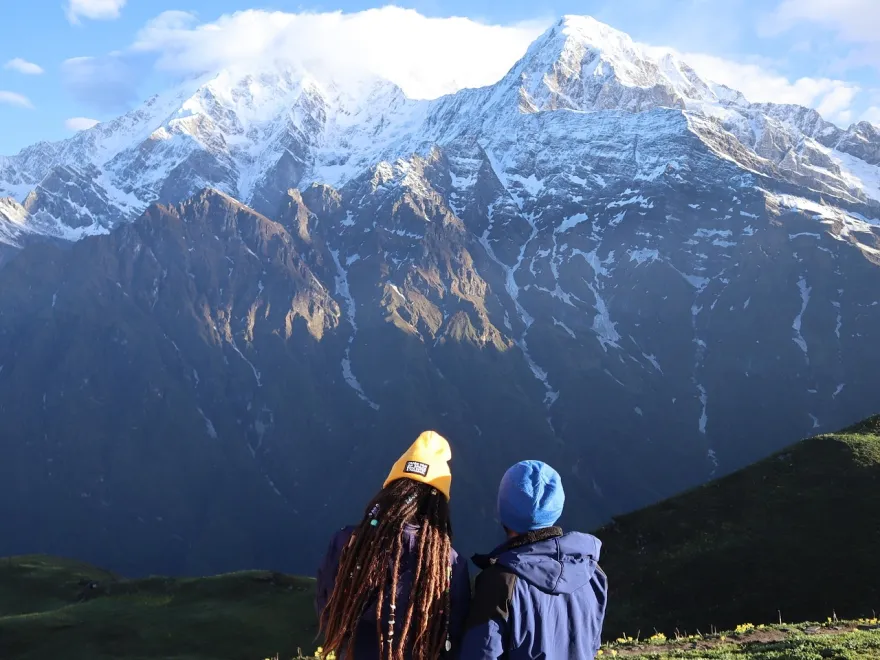
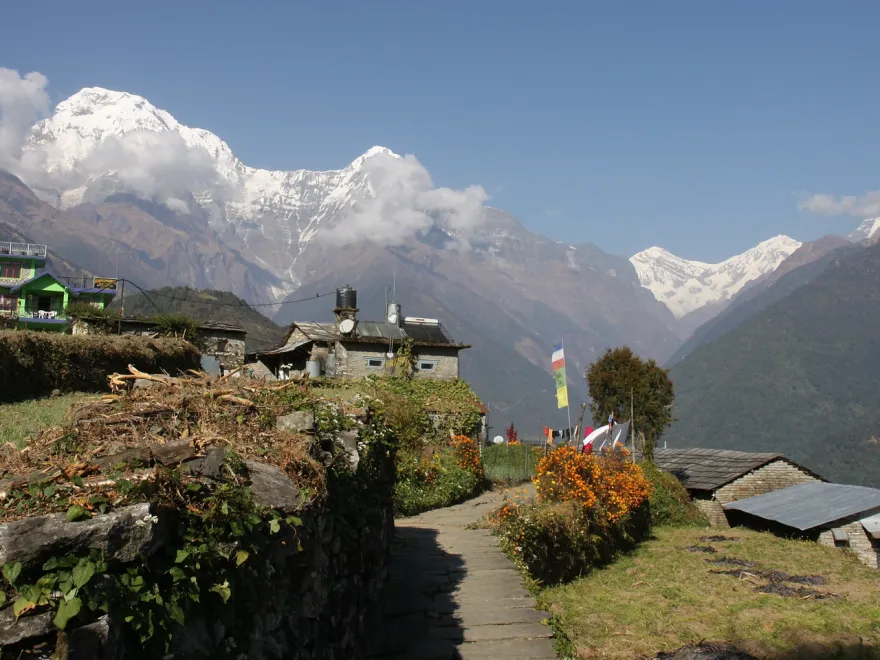
Discover the breathtaking beauty of the Himalayas with Everest Extreme Adventure on the 10-day Mardi Himal Trek. Explore peaceful forest trails, traditional villages, and spectacular mountain viewpoints while enjoying panoramic views of Mardi Himal, Machhapuchhre, and the magnificent Annapurna range.
Enjoy a short trek to Mardi Himal (5587m) along the foothills of the majestic Annapurna Himalaya! The serene trail goes through lush rhododendron forests, quaint Magar villages, and small winding paths towards Mardi Himal Base Camp. Catch the magnificent sceneries of the beautiful Himalayan panorama of Machhapuchhre (7227m), Annapurna I (8091m), and Mardi Himal.
Mardi Himal is a hidden gem. It is an extension of the southwest section of Mt. Machhapuchhre and lies few kilometers east of Annapurna I. Located close to Pokhara, a tourist getaway, many trekkers undertake the trip for fun. Unlike the Annapurna trail, it attracts a few numbers of trekkers. The Magar and Gurung villages along the trail are modest and straightforward. The trek goes past lush forested hill to rugged mountain terrain in a short time. The highest altitude of the trek reaches up to Upper View Point (4500m), located a few hundred meters above the Mardi Himal Base Camp.
Mardi Himal Trek begins with a half-day drive from Kathmandu to Pokhara. Continue driving 20km northwest of Pokhara to reach Kande village. The trek starts through the beautiful Magar village of Kande and goes through the decorated forested path towards Forest Camp. The trail rises through the beautiful rhododendron forests towards the Bamboo thickets. Leaving Low Camp (2970m) and High Camp (3550m), you’ll begin trekking through the rugged terrain towards Mardi Himal Base Camp.
Located below the massive Mardi Himal’s riff, you will further climb up towards Upper View Point (4500m) to catch the panoramic view of the Annapurna Region. Enjoy the magnificent Himalayan panorama of Annapurna I, Annapurna III, Machhapuchhre, and Gangapurna from the top. Retrace your path and begin trekking downhill through the quaint Magar and Gurung settlements towards Siding Village. A short drive through the Baglung Highway will bring you back to Pokhara. The modest teahouses along the trail offer a comfortable stay with excellent choices of meals.
Everest Extreme Adventure specializes in tailored treks around Nepal. We conduct all kinds of treks. Our inclusive trek package covers transportation inside the country, a tour of Kathmandu city, three meals a day, an experienced guide, porter, permits, and entire logistics.
Choosing the right season is essential for enjoying the best experience on the Mardi Himal Trek. The Annapurna region experiences different weather conditions throughout the year, and the visibility of the mountains, trail conditions, temperature, and overall trekking experience depend significantly on the season. Everest Extreme Adventure generally recommends spring and autumn as the best times for this trek because these seasons usually offer favorable weather, comfortable trekking conditions, and excellent opportunities to enjoy panoramic Himalayan views.
Spring, from March to May, is one of the most attractive seasons for the Mardi Himal Trek. During this period, the forests become colorful with blooming rhododendrons, the hills turn green, and the temperatures are generally pleasant at lower elevations. The mountain scenery is particularly beautiful, making spring an excellent choice for photographers and nature enthusiasts. Autumn, from September to November, is another highly recommended season. After the monsoon rains, the skies often become clearer, the mountain views are impressive, and the trails are generally in good condition. October and November are especially popular months for trekking in the Annapurna region.
Winter, from December to February, offers quieter trails and beautiful snowy landscapes, but temperatures can drop significantly at High Camp and the Upper View Point. Snow and ice may also make the higher sections more challenging. The monsoon season, from June to August, brings heavy rainfall, cloudy conditions, muddy paths, and an increased risk of landslides and leeches at lower elevations. Although trekking may still be possible during some periods, weather conditions can affect visibility and transportation.
Everest Extreme Adventure helps trekkers select a suitable departure period based on their travel schedule, experience, and weather conditions. Regardless of the season, carrying appropriate clothing, waterproof equipment, and sturdy trekking boots is important.
For the most rewarding experience, spring and autumn are usually the best choices. However, mountain weather can change quickly, so flexibility is always recommended.
The Mardi Himal Trek is generally considered a moderate trek, making it suitable for travelers with a reasonable level of physical fitness and a willingness to walk several hours each day. Although the trek does not require technical climbing skills, it includes steep ascents, rocky paths, forest trails, narrow ridgelines, and high-altitude sections. The most demanding part of the itinerary is the hike from High Camp at 3,550 meters to the Upper View Point at approximately 4,500 meters. This section involves a significant elevation gain and may be physically challenging because of the reduced oxygen available at higher altitudes. Previous trekking experience is helpful but not essential if you prepare properly.
The 10-day itinerary arranged by Everest Extreme Adventure combines road travel with several days of trekking. On Day 1, you arrive in Kathmandu at approximately 1,400 meters. On Day 2, you travel by road to Pokhara, a journey that generally takes around 6–7 hours depending on traffic and road conditions. On Day 3, a drive to Kande takes you to the trekking starting point, followed by a walk to Forest Camp at 2,500 meters. The trail continues to Low Camp at 2,970 meters and High Camp at 3,550 meters over the next two days. On Day 6, you hike to the Upper View Point and return to High Camp. You then descend to Siding Village at 1,750 meters before traveling back to Pokhara and Kathmandu.
Transportation is an important part of the overall trekking experience. Depending on the package arrangement and group size, road transfers may be provided by private vehicle, tourist bus, or another suitable vehicle. Road travel times can vary because of traffic, construction, weather, and seasonal road conditions. The route from Siding Village to Pokhara typically takes several hours, while the return drive from Pokhara to Kathmandu generally requires 6–7 hours.
With appropriate preparation, a sensible walking pace, and professional guidance from Everest Extreme Adventure, the Mardi Himal Trek can be a rewarding adventure for many reasonably fit travelers.
Food and accommodation are important elements of the Mardi Himal Trek, helping travelers remain comfortable and energized throughout their Himalayan journey. During the trek, most overnight stays take place in local mountain teahouses or lodges operated by families and community members. These accommodations provide a welcoming atmosphere where trekkers can relax, enjoy warm meals, and experience the hospitality of the Annapurna region. Facilities vary according to location and altitude. Lower-elevation villages generally offer more choices and comparatively comfortable facilities, while High Camp and other higher settlements have simpler accommodation because of their remote mountain locations.
Everest Extreme Adventure helps arrange suitable accommodation according to the trekking itinerary, availability, and package inclusions. Rooms are generally basic, often with twin beds, mattresses, pillows, and blankets. Shared bathrooms are common, particularly at higher elevations. Hot showers, charging facilities, Wi-Fi, and other services may be available for an additional fee and should not be expected at every lodge. During the busy spring and autumn seasons, accommodation can fill quickly, so advance arrangements are recommended whenever possible.
Meals on the Mardi Himal Trek typically feature a mixture of traditional Nepali dishes and familiar international options. Dal bhat, consisting of rice, lentil soup, vegetables, and sometimes additional side dishes, is a popular choice because it provides substantial energy for long walking days. Other common meals include noodles, fried rice, soups, potatoes, eggs, porridge, pancakes, bread, and momos. Tea, coffee, and other hot drinks are also widely available, although prices generally increase with altitude because supplies must be transported to remote settlements.
A balanced diet is especially important at higher elevations, where the body requires adequate energy for walking and recovery. Drinking sufficient safe water, eating regular meals, and carrying suitable snacks such as nuts, energy bars, and dried fruit can help maintain energy levels. Trekkers with vegetarian, vegan, or other dietary requirements should inform Everest Extreme Adventure before departure so that appropriate options can be discussed with the lodges.
The simple but welcoming facilities and fresh mountain meals add an authentic cultural dimension to the Mardi Himal Trek.
The Mardi Himal Trek passes through the Annapurna region, where trekkers must obtain the required permissions before entering the designated conservation area. Permit requirements are important for protecting the natural environment, managing trekking activities, and supporting conservation efforts. Everest Extreme Adventure can help travelers understand the applicable requirements and organize the necessary documentation as part of the trekking arrangements.
The principal permit for this trek is the Annapurna Conservation Area Permit (ACAP). The Annapurna Conservation Area protects a diverse range of Himalayan landscapes, forests, wildlife, and traditional communities. Trekkers traveling through the Mardi Himal route must comply with the applicable conservation-area entry requirements. Permit fees and conditions may differ according to nationality, residency status, and regulations in force at the time of travel, so the current requirements should be confirmed before departure.
The Trekkers' Information Management System (TIMS) card has historically been associated with trekking in Nepal. However, requirements can change according to the trekking route, the use of a licensed guide, and the latest government and tourism-authority rules. It is therefore important not to assume that every trekker must obtain the same documents under all circumstances. Everest Extreme Adventure can confirm which documentation is currently required for your specific itinerary and help arrange it where applicable.
Trekkers should carry their passport or other accepted identification, permit documentation, and copies of important travel information throughout the journey. Permit checks may take place at designated checkpoints, and travelers should follow the instructions of local authorities and their trekking guide. Permit fees should be distinguished from guide services, transportation, accommodation, and other package expenses when reviewing the overall trip cost.
Important permit information:
Permit regulations and fees may change, so confirming the latest official requirements before traveling is essential. Proper documentation helps ensure a smoother journey and supports responsible trekking in Nepal's beautiful mountain regions.
Choosing the right trekking company can make a significant difference to your Himalayan experience. Everest Extreme Adventure aims to make the Mardi Himal Trek an enjoyable, well-organized, and memorable journey by helping travelers coordinate transportation, trekking arrangements, accommodation, permits, and professional guiding services according to the selected package. A carefully planned itinerary allows you to focus on the beauty of the mountains, the charm of local villages, and the excitement of reaching the Upper View Point without having to manage every logistical detail independently.
The Mardi Himal Trek is an excellent option for travelers who want spectacular Himalayan scenery within a relatively short period. Compared with some longer trekking routes in Nepal, this journey offers a satisfying combination of forest walking, high-altitude landscapes, mountain viewpoints, and cultural encounters within ten days. The route is particularly attractive to travelers who want to see Machhapuchhre and the Annapurna range from a closer perspective while enjoying quieter trails than some of the region's busiest trekking corridors. The ascent from Forest Camp through Low Camp and High Camp gradually introduces trekkers to different mountain environments, while the descent to Siding Village provides a glimpse of rural life away from the more developed trekking hubs.
Another reason to choose this adventure is its flexibility. Depending on your travel dates, fitness level, interests, and budget, Everest Extreme Adventure can discuss suitable arrangements and clarify which services are included in the selected package. Travelers can also ask about private trips, group departures, equipment recommendations, dietary needs, and additional time in Kathmandu or Pokhara. Clear communication before departure helps establish realistic expectations about walking hours, altitude, accommodation facilities, and additional expenses.
Responsible trekking is equally important. Respecting local traditions, minimizing plastic waste, following marked trails, and supporting local lodges contribute to a more sustainable experience. Trekkers should also follow their guide's safety advice, monitor their health at altitude, and remain flexible when weather conditions require itinerary adjustments.
Why trek with Everest Extreme Adventure?
With its remarkable landscapes, rewarding mountain trails, and welcoming local communities, the Mardi Himal Trek offers an unforgettable introduction to Nepal's Himalayas. Book your adventure with Everest Extreme Adventure to begin planning a memorable journey through one of the Annapurna region's most scenic trekking destinations. Before confirming your trip, review the package inclusions, exclusions, permit requirements, and safety arrangements to ensure that the itinerary meets your expectations.
The Mardi Himal Trek is an unforgettable 10-day Himalayan adventure organized by Everest Extreme Adventure, offering spectacular mountain scenery, peaceful forest trails, and authentic cultural experiences in Nepal’s beautiful Annapurna region. Your journey begins in Kathmandu, followed by a scenic drive to Pokhara and the trekking starting point at Kande. The trail passes through lush rhododendron forests, charming mountain landscapes, and traditional villages as you ascend through Forest Camp, Low Camp, and High Camp.
The major highlight is hiking to the Upper View Point at approximately 4,500 meters, where you can enjoy breathtaking panoramic views of Mardi Himal, Machhapuchhre, and the Annapurna range. Afterward, descend to Siding Village before returning to Pokhara and Kathmandu. Everest Extreme Adventure helps arrange transportation, accommodation, permits, and trekking support for a memorable Himalayan experience.
Welcome to Nepal! Enjoy the beautiful aerial view of Kathmandu Valley as you approach the city. You will meet our representative outside the airport. He will greet you and bring you to your hotel. You will stay in a Three Star Rated Hotel in Kathmandu. In the meantime, you will visit our office to talk about the trek in detail. Meet your trek guide and exchange necessary documents. You can spend the rest of the day purchasing any needed gear and equipment or relax at the hotel. Overnight in Kathmandu.
The trip begins with a half-day scenic drive to the popular tourist destination, Pokhara. Pokhara serves as the primary stop for trekkers heading towards Annapurna and Mustang Region. After breakfast, you’ll embark on a jeep and begin driving through the scenic Prithvi Highway along the massive Trishuli River. It may take 5-6hr to reach your destination. Upon arriving, you’ll head to the hotel. After refreshment, you can choose to explore the beautiful evening life at the lakeside, Pokhara. Overnight in Pokhara.
The morning will welcome you with the grand view of the massive Annapurna I and Machhapuchhre at a distance. Enjoy your delicious breakfast, and get ready to embark on the first day of the trek. You’ll begin driving through Baglung Highway. 40-55 minutes of the drive will bring you outside Kande Village. Kande is a Gurung village with over 100 houses. There are almost 700 inhabitants in the village. You’ll begin trekking along the beautiful village and climb the forested path towards Annapurna Conservation Area. A short uphill hike will bring you at the famous trekker’s stop, Australian Camp. Catch the magnificent sights of the nearby mountains before climbing further towards Forest Camp via Deurali village.
After early morning breakfast, you’ll begin trekking. The day ends below 3000 meters at the Low Camp. This will help you acclimatize before approaching the high altitude trekking. From the Forest Camp, the trail continues through the forested paths and climb towards the beautiful Rhododendron forest. An easy hike will bring you to Low Camp. Spend the rest of the day enjoying the magnificent sight of Machhapuchhre Peak and Mardi Himal. If you wish to trek further, you can consider doing a short hike from Low Camp towards Badal Danda that offers a closer view of the nearby mountains. Overnight at Low Camp.
Leaving Low Camp, the trail rises towards the High Camp situated at 3550 meters. You’ll leave the forested path and begin climbing through lush rhododendron bushes towards the bamboo forests. High Camp lies below Mardi Himal Base Camp. Continue trekking along the rocky trail towards the High Camp. The vantage point at High Camp enables you to witness the beautiful sights of Annapurna South, Hiunchuli, and Machhapuchhre Peaks. Overnight at High Camp.
The day begins early as you have your breakfast and embark on the trek towards Upper View Point. The trail rises almost thousands of meters in altitude. The trail starts to increase from Upper View Point and turns steeper as you approach the base camp. Continue hiking for approximately 2hr until you arrive at Mardi Himal Base Camp. Catch the breathtaking panoramic view of the entire valley. A further two hours of the climb will take you towards the Upper View Point. The elevated region at Mardi Himal offers the magnificent view of Mardi Himal summit, Mt. Machhapuchhre, Annapurna I, Gangapurna, and Annapurna III peaks. Enjoy the scenery along with your packed lunch. Afterward, you’ll begin descending along the same path and stop at High Camp.
After breakfast, you’ll begin trekking downhill. The trail continues to descend through bamboo and rhododendron forests. A few hours of trek will bring you back to the forested path. A short detour will bring you to Siding Village. Siding village remains famous for its inhabitants who hunt for wild-honey. The honey hunters from the village indulge in a traditional medium of hunting wild honey. You can buy a jar from the villagers. Siding is home to the indigenous Magar tribe. Overnight at Siding.
After breakfast, you’ll bid adieu to Siding village and begin heading downhill towards Lumre village. The forested path goes past Kalimati and Ghalel village. The traditional villages are home to the people of mixed-races. Once at Lumre, you’ll catch your commute and drive 1.5hr through Baglung Highway to arrive at Pokhara. Enjoy the completion of the trek with your colleague and staff. Overnight at Pokhara.
On the last day in Pokhara, you’ll enjoy your breakfast and indulge in a brief boat ride at Phewa Lake. Afterward, you’ll bid adieu to the mountainous scenery and head back to Kathmandu. A scenic half-day drive will bring you back to Kathmandu City. Overnight in hotel.
On the last day in Kathmandu, you can enjoy the day shopping, roaming, or relaxing. We’ll drop you off at Tribhuvan International Airport exactly 2hr before your flight time. If you need to buy a souvenir, you can visit the nearby Thamel area
The Mardi Himal Trek typically takes 10 days, including arrival in Kathmandu, transportation to Pokhara, trekking, and departure. The itinerary organized by Everest Extreme Adventure begins with your arrival in Kathmandu and continues with a scenic drive to Pokhara. You then trek through Kande, Forest Camp, Low Camp, and High Camp before reaching the Upper View Point. After enjoying the spectacular Himalayan scenery, you descend to Siding Village and return to Pokhara and Kathmandu.
The highest point of the Mardi Himal Trek itinerary is the Upper View Point, located at approximately 4,500 meters above sea level. From this viewpoint, trekkers can enjoy magnificent panoramic views of Mardi Himal, Machhapuchhre, and the Annapurna mountain range. Everest Extreme Adventure recommends walking slowly, staying hydrated, and following your guide's advice to reduce altitude-related risks. Weather conditions can change quickly at higher elevations, so appropriate clothing and preparation are essential.
The Mardi Himal Trek is generally considered a moderate trekking adventure suitable for travelers with reasonable physical fitness. The route includes uphill climbs, downhill descents, forest paths, rocky trails, and some steep sections at higher elevations. The hike from High Camp to the Upper View Point can be particularly demanding because of the altitude and elevation gain. Everest Extreme Adventure recommends regular walking, stair climbing, and cardiovascular exercise before departure to help you enjoy the trek comfortably.
The journey usually begins with a drive from Kathmandu to Pokhara, which generally takes around six to seven hours, depending on traffic and road conditions. From Pokhara, trekkers travel by road to Kande, where the trek begins. After completing the trekking route and descending to Siding Village, travelers return to Pokhara before driving back to Kathmandu. Everest Extreme Adventure can help organize the necessary road transfers according to the package. Travel times may vary because of weather, road construction, and seasonal conditions.
A knowledgeable trekking guide can make the Mardi Himal Trek safer, more informative, and easier to organize. A guide helps with navigation, daily planning, local cultural information, accommodation arrangements, and communication with teahouse operators. Current guiding requirements should also be confirmed before departure because Nepal's trekking regulations may change. Everest Extreme Adventure can arrange guide services according to the selected package and applicable rules. Even experienced hikers can benefit from local expertise, particularly when dealing with changing weather, unfamiliar trails, and altitude-related concerns.
Yes, the Mardi Himal Trek can be suitable for beginners who have reasonable fitness, prepare adequately, and understand the physical demands of high-altitude walking. Previous trekking experience is beneficial but not always necessary. The route includes several consecutive walking days, steep ascents, and a challenging hike to approximately 4,500 meters. Beginners should build stamina before traveling and avoid rushing during the ascent. Everest Extreme Adventure can provide itinerary guidance and practical preparation advice. Travelers should communicate any health concerns to an appropriate medical professional before undertaking a high-altitude trek.
Everest Extreme Adventure helps travelers plan and experience the Mardi Himal Trek through organized itineraries and trekking support tailored to their travel requirements. Depending on the selected package, services may include transportation, accommodation, permits, and professional guiding arrangements. The company can also provide practical information about packing, trekking conditions, and local culture to help you prepare for the journey. Before booking, travelers should confirm the package inclusions, exclusions, cancellation terms, and safety arrangements. With proper preparation and responsible trekking practices, you can enjoy the remarkable mountain scenery and cultural experiences of the Annapurna region.
Essential items include sturdy trekking boots, comfortable walking clothes, thermal layers, a waterproof jacket, warm gloves, a hat, and a suitable sleeping bag if needed. You should also bring a daypack, reusable water bottle, sun protection, personal toiletries, a first-aid kit, and any personal medications. A headlamp and extra batteries are useful at mountain lodges. Everest Extreme Adventure recommends dressing in layers because temperatures can vary significantly between lower villages and High Camp. Pack light but ensure you have enough warm clothing for the Upper View Point hike.
Spring and autumn are generally the best seasons for the Mardi Himal Trek. Spring, from March to May, offers colorful rhododendron forests, pleasant temperatures, and beautiful mountain landscapes. Autumn, from September to November, usually provides clear skies and excellent Himalayan views. Winter can offer peaceful trails and snowy scenery, although temperatures are colder at higher elevations. The monsoon season brings rain, muddy trails, and reduced visibility. Everest Extreme Adventure can help you select suitable travel dates according to your preferences and prevailing conditions.
Trekkers on the Mardi Himal route generally require an Annapurna Conservation Area Permit (ACAP). Additional documentation requirements, including whether a TIMS card applies, should be confirmed under the latest regulations for your itinerary. Permit fees and conditions can vary according to nationality and current rules. Everest Extreme Adventure can help clarify the applicable requirements and arrange necessary permits according to your package. Travelers should carry their passports and permit documents during the trek and follow instructions at designated checkpoints.
Accommodation during the Mardi Himal Trek is primarily provided in local teahouses and mountain lodges. These establishments generally offer basic rooms with beds, mattresses, pillows, and blankets. Shared bathrooms are common, especially at higher elevations, while hot showers, Wi-Fi, and charging facilities may cost extra or have limited availability. Everest Extreme Adventure can arrange accommodation according to the selected package and local availability. Trekkers should expect simpler facilities at High Camp and consider carrying a sleeping bag suitable for cold mountain conditions.
Teahouses along the Mardi Himal route serve a variety of traditional Nepali meals and familiar international dishes. Popular options include dal bhat, rice, noodles, fried rice, soups, potatoes, eggs, pancakes, and momos. Hot drinks such as tea and coffee are also commonly available. Everest Extreme Adventure recommends eating regular, balanced meals to maintain energy during long walking days. Food prices generally increase at higher elevations because supplies are transported to remote villages. Travelers with special dietary requirements should inform the company before departure.
| No of people | Price per person |
|---|---|
| 1 - 1 | $1,999 |
| 2 - 4 | $1,775 |
| 5 - 9 | $1,755 |
| 10 - 15 | $1,735 |
| 16 - 20 | $1,715 |