Group Adventure Dates.  4.9 of 489 reviews
 4.8 of 232 reviews
4.9 of 489 reviews 4.8 of 232 reviews 
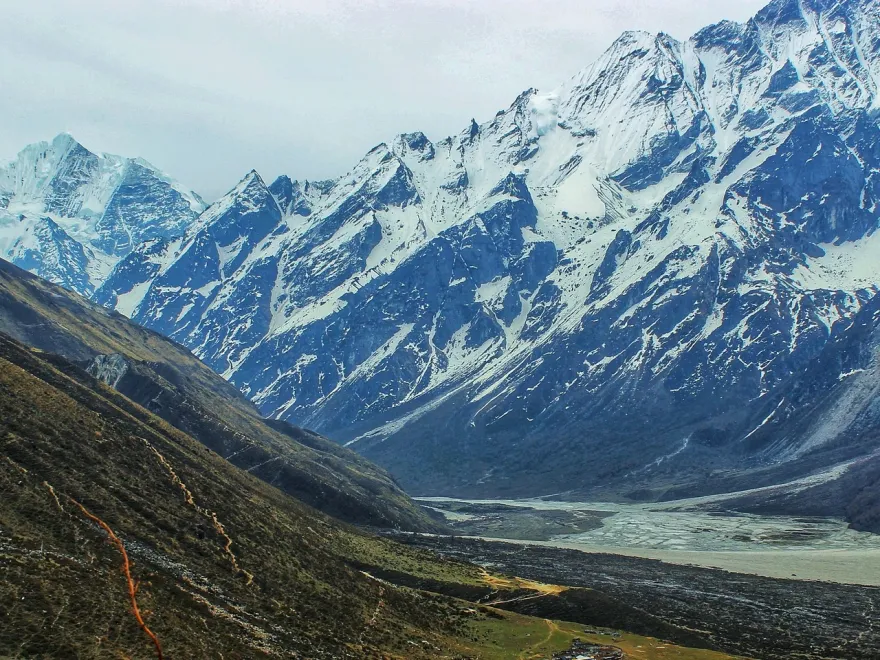
Explore the breathtaking Himalayas with the Langtang Gosaikunda Trek by Everest Extreme Adventure. Discover stunning mountain views, traditional Tamang villages, lush forests, Buddhist monasteries, and sacred alpine lakes while experiencing Nepal’s rich culture, natural beauty, and unforgettable Himalayan adventure.
Enjoy a spiritual trek to Gosainkunda Lake situated at the sheer altitude of 4,380 meters in Langtang National Park. Thousands of Hindu and Buddhists make a pilgrimage to the lake every year. Explore the source of the massive Trishuli River along the trail and visit a few of the over 100 freshwater lakes around Gosainkunda.
Gosainkunda is home to 108 alpine freshwater lakes. Most of these lakes remain frozen half of the year. Witness the folk legend of the Hindu Deity Shiva, who pierced his trident into the mountains to extract water, hence creating the lakes. The scenic Langtang Gosainkunda Trek advances through the pristine Langtang National Park.
The scenic trek begins upon your arrival in Kathmandu. Embark on a joyous road journey along the massive Trishuli River and Bhote Koshi to Syabrubensi. Syabrubensi in Rasuwa District lies 122km northwest to Kathmandu City. Trace the usual trail and begin climbing through the traditional Tamang villages en route to Langtang. Located at the base of Langtang Lirung (7227m), Langtang village remains home to less than 400 inhabitants. A half-day hike brings you to the Sherpa village of Kyangin Gompa. Explore the ancient Kyangin Monastery and climb the local peak of Tserko Ri (4984m). After enjoying the majestic views from atop, you’ll retrace your path and trek back to Lama Hotel. A detour leads you east towards Gosainkunda via Lauri Binayak and Thulo Syabru villages. Spend a day exploring the pristine Gosainkunda Lake and a few of the surrounding lakes. The festival of Janai Purnima in August sees the highest inflow of pilgrims in the lake. Be prepared to get overwhelmed by the overcrowded trail during August. Leaving Gosainkunda, you’ll begin trekking downhill along Chandanbari to arrive at Dhunche. Embark on a jeep and ride back to Kathmandu.
Embark on an adventurous Langtang Gosainkunda Trek with Everest Extreme Adventure. We specialize in handpicked treks around Nepal. You can choose from our fixed groups or undertake a private trip with your close ones. Our full-board trek package covers entire transportation, accommodation, meals, an experienced guide, and a porter.
Choosing the right season is essential for enjoying the Langtang Gosaikunda Trek. Weather conditions, mountain visibility, trail conditions, and temperatures can significantly affect your experience, especially around the high-altitude lakes and mountain passes. The most popular trekking seasons are spring and autumn, when the weather is generally more stable and the mountain scenery is at its best.
Spring, from March to May, is an excellent time to explore the Langtang region. During these months, the forests become colorful with blooming rhododendrons and other wildflowers, while the weather gradually becomes warmer. The trails are often pleasant for walking, and clear mornings can provide impressive views of Langtang Lirung and the surrounding Himalayan peaks. Spring is particularly suitable for travelers who enjoy natural scenery, forest landscapes, and moderate daytime temperatures.
Autumn, from September to November, is another highly recommended season. After the monsoon rains, the atmosphere often becomes clearer, offering excellent mountain visibility and beautiful landscapes. The trails are popular during this period, so booking accommodation and arranging transportation in advance can be helpful. Daytime conditions are generally favorable, although nights become colder as you gain altitude.
Winter and monsoon trekking are also possible for suitably prepared travelers, but they require additional planning. From December to February, snow and freezing temperatures can affect the higher sections around Gosaikunda. During the monsoon, from June to August, rainfall may cause muddy trails, leeches, landslides, and transportation delays.
Everest Extreme Adventure recommends selecting your departure date according to your fitness level, weather preferences, and trekking experience.
For most trekkers, spring and autumn provide the best balance of comfortable walking conditions and scenic views. However, weather in the Himalayas can change rapidly, so flexible planning and appropriate clothing remain important in every season.
The Langtang Gosaikunda Trek is generally considered a moderate to challenging trekking adventure because of its long walking days, steep ascents and descents, uneven mountain trails, and high altitude. Although the route does not require technical climbing skills under normal conditions, trekkers should be prepared for several consecutive days of walking through remote mountain terrain. The highest overnight destination in this itinerary is Gosaikunda Lake at approximately 4,165 meters, where the reduced oxygen level can make physical activity more demanding.
Most trekking days involve approximately five to seven hours of walking, while some sections may require longer depending on the trail conditions, weather, walking pace, and rest stops. The route from Thulo Syabru toward Lauri Binayak involves a significant climb, and the following day continues toward the high-altitude lakes. Proper acclimatization is particularly important because altitude sickness can affect anyone, regardless of age or fitness. The planned acclimatization days at Kyangin Gompa and Gosaikunda provide opportunities to rest and adapt, although rest alone cannot eliminate altitude-related risks.
Trekkers should prepare with regular walking, stair climbing, hill training, and cardiovascular exercise before departure. Comfortable trekking boots, layered clothing, waterproof gear, trekking poles, and a suitable sleeping bag can make the journey more manageable. Walking at a steady pace, drinking enough fluids, eating regularly, and communicating any symptoms to your guide are also important. If symptoms of altitude sickness worsen, the safest response may be to stop ascending and descend with appropriate assistance.
Transportation is another important part of the adventure. The journey begins with a road trip from Kathmandu to Syabrubesi, which typically takes around seven to eight hours, depending on road conditions, traffic, weather, and the type of vehicle. The drive passes through scenic hills, rivers, rural settlements, and terraced farmland. After completing the trek, you travel from Dhunche back to Kathmandu, usually taking approximately five to six hours under favorable conditions.
Everest Extreme Adventure can help arrange transportation according to your group size, budget, and comfort preferences.
With adequate preparation and responsible trekking practices, the Langtang Gosaikunda Trek offers an achievable and rewarding Himalayan experience for reasonably fit travelers.
Food and accommodation are important parts of the Langtang Gosaikunda Trek, helping trekkers maintain their energy and recover after long days on the mountain trails. Along the route, local teahouses and mountain lodges provide basic but welcoming accommodation, particularly in established villages such as Syabrubesi, Lama Hotel, Langtang, Kyangin Gompa, Thulo Syabru, and Chandanbari. The facilities become simpler in more remote and higher-altitude areas, where supplies must be transported over difficult terrain.
Most teahouses offer rooms with twin beds, mattresses, pillows, and blankets, although the quality of facilities varies from one lodge to another. Shared bathrooms are common, and hot showers may be available for an additional charge. At higher elevations, accommodation can be more basic, and rooms may be cold at night. A warm sleeping bag is therefore recommended, especially for spring, autumn, and winter departures. Everest Extreme Adventure can help organize suitable accommodation along the route, depending on availability and the selected trekking package.
The food available during the trek usually includes a mixture of traditional Nepali dishes and simple international meals. Dal bhat, consisting of rice, lentil soup, vegetables, and sometimes additional side dishes, is a popular option because it provides carbohydrates and protein for sustained energy. Other common choices include noodle soup, fried rice, vegetable curry, potatoes, Tibetan bread, porridge, pancakes, eggs, momos, and pasta. Tea, coffee, hot lemon drinks, and other beverages are also available at many teahouses.
Maintaining good nutrition and hydration is especially important at higher elevations. Trekkers should eat regular meals, drink safe water, and avoid relying too heavily on alcohol during the trek. Boiled or properly treated drinking water is generally preferable to untreated stream water. Travelers with vegetarian, vegan, or other dietary requirements should inform Everest Extreme Adventure before departure so arrangements can be discussed with the lodges. Special dietary choices may be more limited in remote villages, so flexibility is helpful.
The following facilities are commonly available along the route:
Although the facilities are not luxurious, the hospitality of local lodge owners and the warmth of traditional mountain meals contribute significantly to the overall trekking experience. Everest Extreme Adventure aims to help trekkers plan comfortable and practical arrangements while respecting the local communities and mountain environment.
Permits are an essential part of planning the Langtang Gosaikunda Trek. The route passes through protected mountain landscapes, including Langtang National Park, which was established to conserve the region’s forests, wildlife, natural resources, and cultural heritage. Trekkers must ensure that the required permits and registration arrangements are completed before entering the relevant protected areas.
The principal permit for this itinerary is the Langtang National Park entry permit. It supports conservation activities and helps regulate access to the park. Depending on the applicable regulations and the trekker’s nationality, permit fees may differ for Nepali citizens, foreign nationals, and other eligible categories. Trekkers should carry the necessary identification documents and keep their permits accessible at designated checkpoints.
Permit rules and trekking regulations can change, so it is important to confirm the latest requirements before departure. Depending on the route, nationality, and regulations in force at the time of travel, additional documentation or registration may be required. A TIMS card or other trekking registration should not automatically be assumed to be mandatory or unnecessary without checking the current rules for the specific itinerary.
Everest Extreme Adventure can assist with checking applicable permit requirements, preparing documentation, and coordinating the necessary arrangements before the trek begins. Travelers should provide accurate personal details and valid passport information when required for permit applications. It is also advisable to carry photocopies or digital backups of important documents while keeping original identification secure.
Before beginning the Langtang Gosaikunda Trek, consider the following permit-related points:
Obtaining the correct permits helps ensure a smoother trekking experience while contributing to the protection of the Langtang region. Confirming current regulations before departure is particularly important because permit procedures, fees, and registration requirements can change.
Choosing the right trekking company can make a significant difference to your Himalayan experience. The Langtang Gosaikunda Trek combines scenic mountain trails, remote villages, high-altitude walking, and a sacred pilgrimage destination, so careful planning is important. Everest Extreme Adventure aims to help travelers organize this journey with a practical itinerary, local trekking support, transportation arrangements, and assistance with accommodation and permits.
One of the main attractions of this trek is its variety. Unlike itineraries that focus on a single valley or destination, the Langtang Gosaikunda route combines the landscapes of Langtang Valley with the alpine environment of Gosaikunda. Trekkers experience forests, rivers, traditional settlements, Buddhist cultural sites, mountain viewpoints, and sacred lakes during a single trip. This diversity makes the journey especially appealing to travelers who want both cultural encounters and high-altitude Himalayan scenery.
Everest Extreme Adventure can help coordinate the main elements of the trip, including the Kathmandu arrival arrangements, road transportation to and from the trekking region, teahouse accommodation, permit preparation, and local guide arrangements according to the selected package. A well-organized itinerary also helps travelers understand the expected walking hours, altitude changes, rest days, and equipment requirements before setting out. The company can discuss the available options with trekkers to match their travel plans, budget, and preferences.
Responsible trekking is equally important. The Langtang region is home to local communities, sensitive mountain ecosystems, and wildlife habitats. Respecting local customs, minimizing plastic waste, using designated trails, and supporting local teahouses all contribute to a more sustainable experience. Travelers should also follow their guide’s safety recommendations, particularly during high-altitude sections and periods of changing weather.
There are several reasons to consider the Langtang Gosaikunda Trek with Everest Extreme Adventure:
The Langtang Gosaikunda Trek is more than a mountain walk; it is an opportunity to experience Nepal’s landscapes, cultural traditions, and spiritual heritage in one memorable journey. With thoughtful preparation and suitable support from Everest Extreme Adventure, trekkers can explore the Langtang Valley and Gosaikunda Lake while enjoying a well-planned Himalayan adventure. Whether you are drawn by the snow-covered peaks, peaceful mountain settlements, or the sacred atmosphere of the lakes, this 14-day trek offers a rewarding way to discover one of Nepal’s remarkable trekking regions.
The 14-day Langtang Gosaikunda Trek with Everest Extreme Adventure offers an unforgettable Himalayan journey combining natural beauty, cultural exploration, and spiritual discovery. Your adventure begins in Kathmandu, followed by a scenic drive to Syabrubesi, the gateway to Langtang National Park. Trek through lush forests, traditional Tamang villages, and beautiful mountain landscapes to Langtang Valley and Kyangin Gompa, where you enjoy an acclimatization day with spectacular Himalayan views.
Continue toward Thulo Syabru and climb through picturesque mountain settlements to the sacred Gosaikunda Lake at 4,165 meters. After exploring the serene alpine surroundings and enjoying an acclimatization day, descend through Chandanbari to Dhunche before returning to Kathmandu. This remarkable trek combines breathtaking mountain panoramas, Buddhist monasteries, local hospitality, and sacred lakes, creating a memorable Himalayan adventure with Everest Extreme Adventure.
The trip begins upon your arrival in Kathmandu. We’ll receive you outside the airport and transfer you to your hotel. Enjoy a pleasant stay at one of the most beautiful hotels in Kathmandu. We’ll meet at our office to discuss the trek. You will also meet your trek guide. Overnight in Kathmandu.
After breakfast, embark on a scenic road journey along the Trishuli and Bhote Koshi Rivers to arrive at Syabrubensi. Syabru is a small town located at the foothills of Langtang in the Rasuwa District. The 122km long road journey is filled with beautiful scenery of the lush green hills, mountains, and quaint villages. Spend the evening strolling around Syabrubensi and observing the local lifestyle.
Enjoy your breakfast and then embark on the first day of the trek. A half-day trek along the massive Langtang Khola will take you to Lama Hotel. The trail leaves the Bhote Koshi River and begins rising through the beautiful rhododendron forests. Begin climbing the upstream trail beside the Langtang Khola. The trail ends at the traditional Tamang village of Lama Hotel. Overnight in Lama Hotel.
From Lama Hotel, you’ll embark on a half-day trek towards Langtang Valley. Located at the base of the mighty Langtang Lirung, Langtang valley is home to less than 400 inhabitants. The settlement was slowly destroyed during the earthquake of 2015. Leaving Lama Hotel, you’ll begin climbing through the dense pine forests of Langtang National Park. Enjoy a warm lunch at Ghodatabela before heading uphill towards Langtang Valley. The latter section of the trail goes past rocky terrain towards Langtang village. Catch the beautiful sights of Langtang Lirung, Tserko Ri, and Shisha Pangma peaks en route.
Wake up to the beautiful sight of Langtang Lirung. The day begins with a delicious breakfast. Afterward, you’ll embark on a trek towards Kyangin Gompa. The half-day trail goes through snow moraines and enters the wise Himalayan section. The Sherpa village of Kyangin is home to the ancient Kyangin Monastery. Enjoy the beautiful sights of Langtang Lirung Peak, Langshisha Ri, and Mt. Ganchenpo (6387m) from the village. Overnight in Kyangin Gompa.
Spend the day exploring the pristine Sherpa village. The day tour begins with a visit to Kyangin Gompa. The centuries-old monastery resembles Tibetan architecture. Make a short visit to the local cheese factory that produces Yak cheese and distributes it throughout the region. From here, you’ll embark on a short hike of Tserko Ri Peak (4984m). The small peak offers a panoramic view of the Langshisha Glacier and snow-capped mountains. Spend the night at Kyangin Gompa.
Retrace your path from Kyangin and begin trekking downhill through Langtang Valley towards Lama Hotel. The trek starts with a short downhill hike through snow moraines towards Langtang village. From here, you’ll take a downhill trail to reach Ghodatabela. Take a short break and enjoy your warm lunch before climbing down through lush pine forests towards Lama Hotel. The day-long trek can be a fatiguing experience. Spend the evening enjoying a warm Tibetan tea. Overnight in Lama Hotel.
From Lama Hotel, you’ll take a detour and head east towards the Gosainkunda trail. The forested trail goes along Langtang Khola towards Syabru village. You’ll encounter lush rhododendron forests en route. After a brief rest at Syabru, you’ll continue trekking towards Bamboo village. Walk past dense bamboo forests and climb towards the Tamang village of Thulo Syabru. Overnight in Thulo Syabru village.
Leaving Thulo Syabru, you’ll begin climbing the uphill trail. The scenic trail takes you along the Gosainkunda trail towards Lauri Binayak. As you start climbing up, you’ll leave the forested paths and encounter rocky terrain. This is a momentous day as you climb almost 1700 meters in altitude. Enjoy the majestic sight of the surrounding mountains en route to Lauri Binayak. Overnight in Lauri Binayak.
The trek materializes as you leave Lauri Binayak and begin climbing towards Gosainkunda Lake. The trail climbs along the narrow ridges overlooking the majestic sights of Manaslu, Ganesh Himal, and Langtang range. The trek concedes upon your arrival at Gosainkunda Lake. You will catch the view of other lakes surrounding the area. Gosainkunda Lake is the largest among the 108 lakes in the region. Spend the day exploring the pristine Gosainkunda Lake.
Spend the day exploring the beautiful Gosainkunda Lake and hike towards the nearby lakes of Saraswati Kunda and Bhairab Kunda. Adjoining the lake lays a temple of Lord Shiva. Make a short hike to the hill to enjoy the panoramic view of the lakes. The folk legend suggests that when Lord Shiva pierced his holy trident into the mountains to bring out the water, it created different lakes. Every year, thousands of pilgrims and tourists visit the lake on the special occasion of Janai Purnima. Spend the rest of the day roaming around the religious site and observing the local lifestyle. Overnight at Gosainkunda.
Leave Gosainkunda and take a downhill trail towards Chandanbari. The scenic trail makes a brief ascent towards Chyolangpati from where you can catch the final sight of Gosainkunda Lake. The trail begins to climb downhill and crosses picturesque Tamang villages of Deurali and Dimsa towards Chandanbari. Spend the rest of the day exploring the beautiful Shin Gompa en route to Chandanbari. Overnight in Chandanbari.
On the last day of the trek, you’ll leave Chandanbari and begin trekking downhill along the beautiful terraced farmlands. Visit the local Cheese factory along the way. About 3hr into the trek, you’ll arrive at Dhunche village. The large town remains the headquarters of the Rasuwa District. From Dhunche, you’ll embark on a bus and begin driving towards Kathmandu. Enjoy a scenic drive along the Trishuli River towards Kathmandu. In the evening, we’ll treat you with a delicious farewell dinner.
On the last day in Kathmandu, you’ll bid adieu to the beautiful city and make your way towards the airport. We’ll drop you off two hours before you the time of your flight. In the meantime, you can indulge in shopping at Thamel.
The Langtang Gosaikunda Trek typically takes 14 days, including arrival in Kathmandu, transportation, trekking, acclimatization, and departure. The journey begins with a drive from Kathmandu to Syabrubesi and continues through Langtang Valley, Kyangin Gompa, Thulo Syabru, and the sacred Gosaikunda Lake region. Everest Extreme Adventure organizes the itinerary to balance daily walking distances, mountain exploration, and rest opportunities, helping trekkers enjoy the Himalayan scenery and local culture.
The Langtang Gosaikunda Trek is considered a moderate to challenging adventure because of its steep ascents, long walking days, uneven trails, and high altitude. Trekkers typically walk five to seven hours daily, although some days may be longer. No technical climbing skills are normally required, but good physical fitness and proper preparation are essential. Everest Extreme Adventure recommends regular walking, stair climbing, and cardiovascular exercise before departure to help trekkers manage the demanding mountain terrain comfortably.
The itinerary reaches Gosaikunda Lake at approximately 4,165 meters above sea level, while optional side trips in the Langtang Valley can reach higher elevations. At these altitudes, the air contains less available oxygen, increasing the risk of altitude sickness. Trekkers should ascend gradually, stay hydrated, and report symptoms such as headaches, nausea, dizziness, or unusual fatigue to their guide. Everest Extreme Adventure includes acclimatization opportunities in the itinerary, although no schedule can eliminate altitude-related risks entirely.
Previous trekking experience is helpful but not always necessary for the Langtang Gosaikunda Trek. Beginners with good physical fitness, determination, and appropriate preparation can undertake this adventure with suitable support. However, the high-altitude sections and consecutive walking days require stamina and careful pacing. Training with regular hikes, uphill walks, and a loaded daypack can improve your readiness. Everest Extreme Adventure can help you prepare with practical equipment guidance, itinerary information, and arrangements appropriate to your experience level.
Yes, acclimatization is important because the itinerary reaches elevations above 4,000 meters, where altitude sickness becomes a significant concern. The planned rest days at Kyangin Gompa and Gosaikunda provide opportunities to recover and adapt to the mountain environment. Trekkers should maintain a steady pace, avoid ascending when experiencing worsening symptoms, and follow their guide's recommendations. Everest Extreme Adventure encourages responsible altitude management and careful monitoring throughout the journey. Severe or worsening symptoms require prompt medical assessment and may necessitate immediate descent.
Everest Extreme Adventure helps travelers organize a memorable Himalayan journey through Langtang Valley and the sacred Gosaikunda Lake region. The company can assist with itinerary planning, transportation arrangements, accommodation coordination, permit guidance, and local trekking support according to the selected package. This trek offers an exceptional combination of snow-capped mountains, traditional Tamang villages, Buddhist monasteries, alpine lakes, and diverse landscapes. By preparing carefully and following responsible trekking practices, travelers can enjoy a rewarding cultural and natural experience with Everest Extreme Adventure while exploring one of Nepal's remarkable trekking destinations.
Essential equipment includes sturdy trekking boots, moisture-wicking clothing, warm layers, a waterproof jacket and trousers, gloves, a hat, sunglasses, sunscreen, and a comfortable daypack. A suitable sleeping bag, reusable water bottle, water-treatment supplies, personal medications, and basic first-aid items are also recommended. Trekking poles can be especially useful on steep ascents and descents. Everest Extreme Adventure advises preparing according to the season and expected temperatures, as conditions can change quickly between forested valleys and exposed high-altitude areas.
The best seasons for the Langtang Gosaikunda Trek are spring (March to May) and autumn (September to November). Spring offers blooming rhododendron forests, pleasant temperatures, and beautiful mountain scenery, while autumn generally provides clear skies and excellent Himalayan views. Winter trekking is possible with suitable preparation, although snow and freezing temperatures may affect higher sections. Everest Extreme Adventure recommends choosing your travel dates according to weather conditions, personal preferences, and trekking experience.
The journey begins with a road trip from Kathmandu to Syabrubesi, which usually takes around seven to eight hours depending on traffic, road conditions, and weather. The drive passes through scenic hills, rivers, terraced farmland, and traditional settlements. After completing the trek, travelers descend to Dhunche and return to Kathmandu by road, generally requiring another five to six hours. Everest Extreme Adventure can help arrange suitable transportation based on group size, budget, and comfort preferences, while allowing flexibility for possible road delays.
Trekkers generally need a Langtang National Park entry permit because the route passes through this protected area. Additional registration requirements, including whether a TIMS card applies, should be confirmed under the regulations in force when you travel. Permit fees can vary according to nationality and applicable rules. Everest Extreme Adventure can assist with checking current requirements and organizing the necessary documentation before departure. Travelers should carry valid identification and keep their permits available at designated checkpoints throughout the trek.
Accommodation is generally provided in local teahouses and mountain lodges along the trekking route. Most offer basic rooms with twin beds, mattresses, pillows, and blankets, while bathrooms may be shared. Facilities can become simpler at higher elevations, and hot showers or charging services may cost extra. Everest Extreme Adventure can coordinate suitable lodge arrangements according to availability and the selected package. A warm sleeping bag is recommended, particularly during colder months, because mountain temperatures can drop significantly overnight.
Teahouses along the route serve a variety of traditional Nepali dishes and simple international meals. Common options include dal bhat, vegetable curry, noodles, fried rice, soups, potatoes, eggs, pancakes, porridge, and momos. Dal bhat is particularly popular among trekkers because it provides energy for long walking days. Vegetarian meals are widely available, although specialized dietary choices may be limited in remote settlements. Everest Extreme Adventure recommends informing the team about dietary requirements in advance and drinking boiled or properly treated water throughout the trek.