Group Adventure Dates.  4.9 of 489 reviews
 4.8 of 232 reviews
4.9 of 489 reviews 4.8 of 232 reviews 
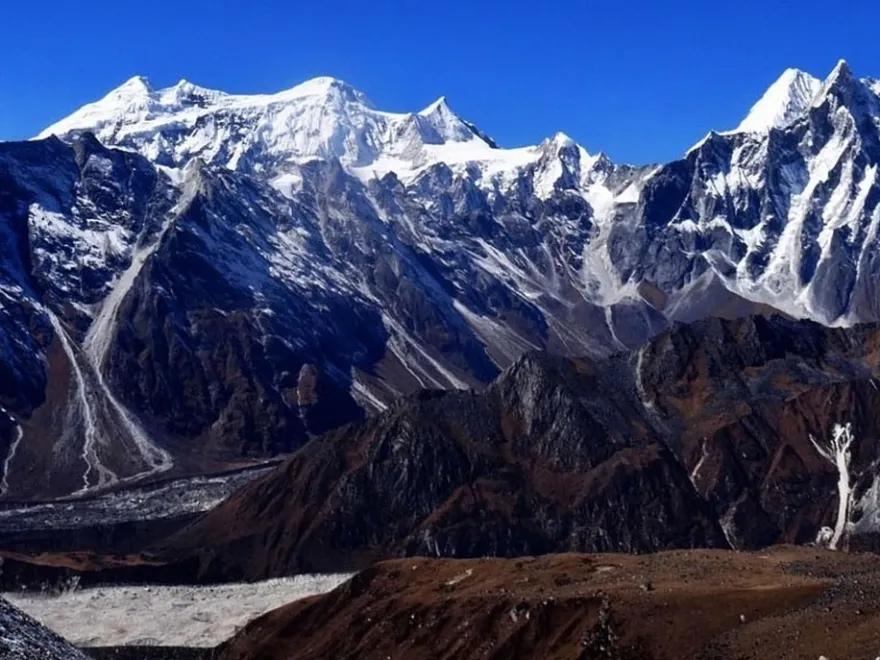
Discover Nepal’s hidden Himalayan gems with the Nar Phu Valley Trek by Everest Extreme Adventure. Explore ancient Tibetan-influenced villages, peaceful monasteries, dramatic landscapes, and breathtaking mountain views while crossing the spectacular 5,240-meter Kang La Pass on an unforgettable cultural adventure.
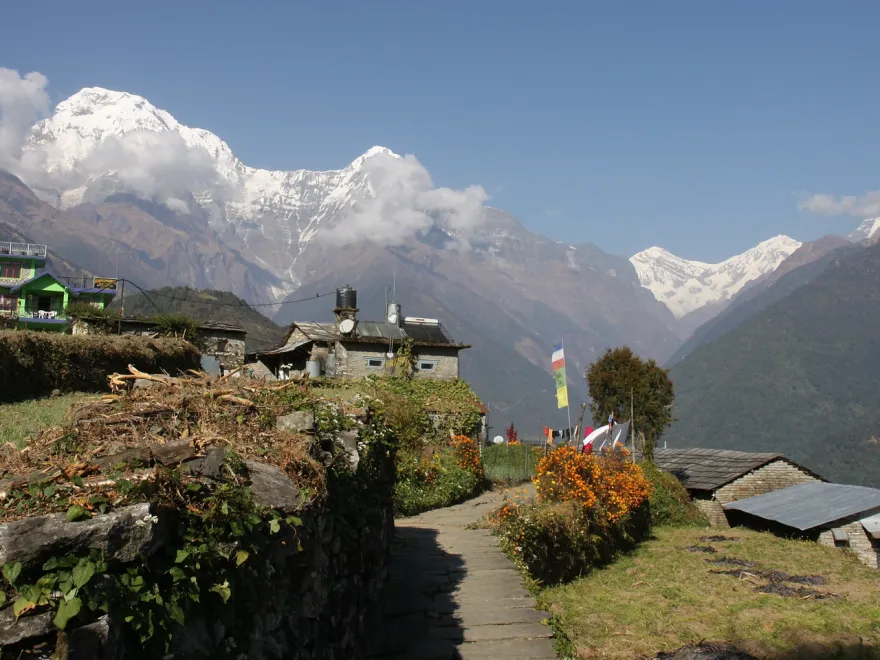
Nar and Phu Valleys mark the remotest trek destinations in Nepal. Located in the upper belts of Manang District, you must trek for days through the off-beat trail. Enjoy the breathtaking view of some of the highest peaks on Earth, such as Annapurna, Nemjung, Kang Guru I, and Chulu East.
Both Nar and Phu valleys make a part of the Greater Tibetan Plateau. Located close to Tibet in the north, the valleys have amassed rich cultural and traditional attributes. The region opened for tourists as recent as 2003. You must get a restricted-area permit before embarking on this trek. The remote Nar and Phu valleys connect to the populous lower valleys by Kang La Pass (5280m). The rain-shadow area is also home to the majestic Nar Phu Peak (5921m).
Nar Phu Valley Trek begins with a beautiful sightseeing tour of the historical Kathmandu Valley. Get a chance to explore some of the most unique UNESCO World Heritage Sites in Kathmandu: Swayambhunath, Boudhanath, Kathmandu Durbar Square, and Pashupatinath Temple. Enjoy a scenic 190km long road journey towards Besisahar village in Lamjung District. The trek begins along the lush terraced fields, traditional villages amassed onto the hills, and the thick coniferous forests towards the mountains.
The trail advances through the foothills of Manaslu Peak towards the off-beat trail of Phu Valley. Enjoy the majestic sights of Manaslu (8163m) and Kang Guru I en route to Nar Valley. The Nar Valley offers an insight into the modest lifestyle, occupation, and traditions of the locals comprising of Tibetans and Bhotias. Leaving Nar, you’ll begin climbing the giant Kang La Pass (5240m) to reach Ngawal village.
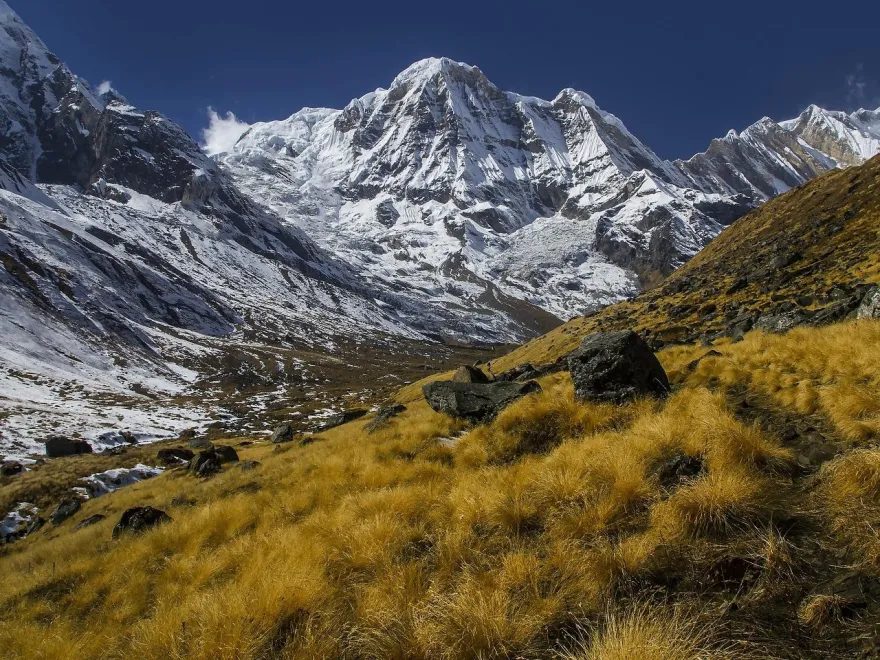
Catch the beautiful sight of the snowcapped peaks of Nemjung, Kang Guru I, and Chulu East from the top. An easy and delightful downhill trail will bring you back to Besisahar. The trip concedes upon your return of Kathmandu.
Enjoy one of the best trekking with Everest Extreme Adventure. You can choose from solo, private, or group programs. Our programs are full-board and include entire transportation, Kathmandu tour, three meals a day, an experienced guide, porter, and permits.
This trek is ideal for adventurous travelers seeking cultural immersion, remote landscapes, and a demanding Himalayan experience. Because the route reaches elevations above 5,000 meters, proper preparation, gradual acclimatization, and a flexible itinerary are essential.
Choosing the right season is an important part of planning a successful Nar Phu Valley Trek. The region lies in the rain shadow of the Annapurna and Manaslu mountain ranges, which gives it a relatively dry climate compared with many other parts of Nepal. However, its high elevation, remote location, and challenging mountain passes mean that weather conditions can change rapidly. Spring and autumn are generally the best seasons for this adventure, offering a favorable balance of trail conditions, visibility, and trekking comfort.
Spring, from March to May, is an excellent time to explore the Nar and Phu valleys. Temperatures generally become warmer, daytime trekking conditions improve, and the landscape begins to awaken after winter. The skies often provide beautiful mountain views, while the higher elevations retain their dramatic snowy scenery. As the season progresses, conditions around Kang La Pass may improve, although snow and ice can remain and affect the crossing. Early spring can still be cold at night, especially in Meta, Phu, and Nar, so suitable insulated clothing is essential.
Autumn, from September to November, is another highly recommended season. Following the summer monsoon, the weather often becomes clearer, creating excellent opportunities for mountain photography and long-distance Himalayan views. October is particularly popular because of its generally stable conditions, comfortable daytime temperatures, and crisp mountain air. November can also be rewarding, although temperatures fall considerably and snowfall may affect high-altitude trails later in the month.
The winter season, from December to February, brings freezing temperatures, heavy snow in some areas, and increased risks when crossing Kang La Pass. Summer, from June to August, can bring monsoon rainfall, landslides, and road disruptions on the approach to the trekking region.
Recommended seasonal considerations include:
Everest Extreme Adventure recommends checking current weather forecasts, trail conditions, and Kang La Pass accessibility before departure. The best season can vary from year to year, and a safe crossing should always take priority over maintaining a fixed schedule.
The Nar Phu Valley Trek is considered a moderate-to-challenging or challenging high-altitude trekking adventure, depending on your fitness, previous experience, and the conditions encountered along the route. The 13-day itinerary includes several long walking days, substantial elevation changes, remote mountain trails, and an ascent to Kang La Pass at approximately 5,240 meters. The combination of altitude, steep ascents, rocky paths, and potentially cold weather makes this trek more demanding than many lower-altitude trekking routes in Nepal.
The most challenging sections are generally the trek from Koto to Meta, the journey from Meta to Phu, and the crossing of Kang La Pass between Nar Village and Ngawal. The pass-crossing day involves an early start, a long ascent, and a substantial descent. At this elevation, reduced oxygen levels can cause fatigue, headaches, nausea, dizziness, or other symptoms of altitude sickness. Trekkers should maintain a steady pace, drink adequate fluids, eat regularly, and inform their guide immediately if they feel unwell. The acclimatization day in Phu is an important part of the itinerary, but it does not eliminate altitude-related risks.
A reasonable level of cardiovascular fitness, strong legs, and experience with multi-day hikes are highly beneficial. Before departure, trekkers should prepare with regular walking, uphill training, stair climbing, and longer hikes while carrying a daypack. Everest Extreme Adventure can help coordinate guides, trekking logistics, and route planning, while the itinerary should remain flexible enough to accommodate weather, health, and trail conditions.
Transportation is another important part of the journey. The trip begins in Kathmandu, followed by a road journey to Besisahar and then onward to Koto. Depending on road conditions, the vehicle type, and local arrangements, the drive from Besisahar to Koto can be long and uncomfortable, particularly on rough mountain roads. After completing the trek, the route descends toward Ngawal and Pisang before a drive back to Besisahar and Kathmandu.
Important difficulty and transportation considerations include:
Although previous trekking experience is strongly recommended, well-prepared hikers with good fitness and appropriate support can enjoy this rewarding Himalayan journey. The trek should never be rushed, particularly when approaching high-altitude sections.
Food and accommodation during the Nar Phu Valley Trek reflect the remote and traditional character of the Annapurna region. Unlike established trekking corridors with extensive hotel facilities, Nar and Phu offer more basic services, where hospitality, simplicity, and cultural experiences are central to the journey. Everest Extreme Adventure can coordinate suitable meals and overnight arrangements along the route, depending on local availability and the selected trekking package.
During the trekking days, meals are generally available at local teahouses, guesthouses, and lodges. Traditional Nepali dal bhat, consisting of rice, lentil soup, vegetables, and sometimes additional side dishes, is a popular choice because it provides energy for long walking days. Other common options may include noodles, fried rice, soups, potatoes, Tibetan bread, porridge, eggs, and simple vegetable dishes. Food choices can become more limited in remote settlements, so trekkers should be prepared for a less varied menu than they might find in Kathmandu.
Staying hydrated and eating sufficiently are essential at high altitude. Warm soups, hot drinks, and carbohydrate-rich meals can help maintain energy during demanding days. Trekkers with vegetarian, vegan, or other dietary requirements should inform Everest Extreme Adventure before departure so that suitable arrangements can be discussed. Special diets may be harder to accommodate in remote villages, and travelers with severe allergies should carry appropriate backup food and communicate their needs clearly.
Accommodation is usually in local teahouses, basic lodges, or guesthouses. Rooms generally have simple beds and bedding, while bathrooms may be shared, and hot showers or charging facilities may be limited or available for an additional fee. In more remote areas, facilities can be especially basic. The overnight stay at Nar Phedi monastery is a distinctive feature of the itinerary, providing an opportunity to experience the peaceful atmosphere of a Buddhist religious setting. Guests should respect local customs and follow their guide’s advice regarding monastery etiquette.
Food and accommodation highlights include:
Trekkers should carry personal snacks, water purification supplies, a reusable water bottle, and a sleeping bag suitable for cold mountain nights. Accommodation standards vary between villages, so flexibility and realistic expectations will help ensure a comfortable and memorable journey.
The Nar Phu Valley Trek enters a restricted trekking area in Nepal, making the correct permits an essential part of trip preparation. Unlike some more accessible trekking routes, independent entry into the Nar Phu region is not generally permitted under the standard restricted-area rules. Trekkers must arrange the required documentation through an authorized trekking agency and travel with a licensed guide in accordance with the applicable regulations.
The principal permit is the Nar Phu Restricted Area Permit (RAP), which applies to the restricted region around Nar and Phu. Permit fees depend on the time of year and the length of stay within the restricted area. Regulations and fees can change, so the exact cost should be confirmed with the relevant Nepalese authorities or Everest Extreme Adventure before booking. Travelers should also check the minimum group requirements and other current conditions applicable to restricted-area entry.
In addition to the restricted-area permit, trekkers may need an Annapurna Conservation Area Permit (ACAP) because the itinerary passes through the Annapurna Conservation Area. The precise documentation requirements should be confirmed for the route and the rules in effect at the time of travel. Permit applications commonly require passport details, passport photographs, and relevant visa information, so it is advisable to prepare these documents in advance.
Everest Extreme Adventure can assist with understanding the permit process, checking current requirements, and coordinating documentation as part of the trekking arrangements. Trekkers should provide accurate personal information and carry their passport and permit documents during the journey, as officials may check them at designated checkpoints. Obtaining the correct permits before entering the restricted area helps prevent delays, penalties, and unnecessary complications.
Important permit considerations include:
Because permit rules and fees may change, trekkers should not rely solely on older online price lists. Confirming the current requirements with Everest Extreme Adventure before traveling will help ensure that the necessary documents are ready and the trek can begin smoothly.
Choosing the Nar Phu Valley Trek means discovering a quieter, more remote side of the Nepalese Himalayas. While popular routes in the Annapurna region attract many visitors, the Nar and Phu valleys preserve a distinctive atmosphere shaped by traditional Himalayan life, Tibetan Buddhist heritage, ancient settlements, and spectacular natural scenery. This trek offers more than mountain views; it provides a meaningful opportunity to explore communities whose architecture, religious traditions, and daily routines reflect centuries of adaptation to life in a high-altitude environment.
One of the most rewarding aspects of the journey is visiting Phu Village and Nar Village. Their stone-built houses, narrow lanes, prayer walls, monasteries, and surrounding mountain landscapes create an unforgettable cultural experience. The acclimatization day in Phu allows time to explore the area and attempt a hike toward Himlung Base Camp, depending on weather, trail conditions, fitness, and the guide’s assessment. The route also offers dramatic views of rugged cliffs, alpine terrain, glacial landscapes, and Himalayan peaks.
Crossing Kang La Pass at approximately 5,240 meters is another major highlight. Although physically demanding, the pass provides a remarkable sense of achievement and expansive views across the Annapurna region. The descent toward Ngawal introduces a different perspective on the landscape and connects the remote Nar Phu route with the more established Annapurna trekking network. For travelers who appreciate both cultural discovery and physical adventure, this itinerary delivers a particularly varied experience.
Everest Extreme Adventure can help organize the trek with attention to route planning, licensed guide arrangements, transportation, accommodation, meals, and permit coordination, according to the selected package. Local expertise is particularly valuable in a remote area where trail conditions, weather, road access, and accommodation availability can change. A knowledgeable guide can also help travelers understand local customs and recognize signs of altitude-related illness.
Reasons to choose this trek with Everest Extreme Adventure include:
The Nar Phu Valley Trek is an excellent choice for travelers seeking a challenging, culturally rich, and less conventional Himalayan adventure. With proper preparation, responsible trekking practices, and support from Everest Extreme Adventure, you can experience the beauty and traditions of one of Nepal’s most remarkable mountain regions while prioritizing safety, respect for local communities, and environmental responsibility.
The Nar Phu Valley Trek with Everest Extreme Adventure is an unforgettable 13-day Himalayan journey into the remote valleys of Nar and Phu in Nepal’s Annapurna region. Your adventure begins with sightseeing in Kathmandu, followed by scenic drives to Besisahar and Koto, where the trekking journey starts. Explore traditional mountain villages, ancient Buddhist monasteries, dramatic gorges, and breathtaking alpine landscapes while experiencing the unique Tibetan-influenced culture of local communities.
The itinerary includes an acclimatization day in Phu Village with an optional hike toward Himlung Base Camp, an overnight stay at Nar Phedi Monastery, and an exciting crossing of Kang La Pass (5,240m) with spectacular Himalayan panoramas. Continue toward Ngawal and Pisang before returning to Kathmandu. Everest Extreme Adventure provides assistance with guides, permits, transportation, and trekking arrangements for a memorable and well-organized adventure.
Welcome to Kathmandu. Upon your arrival, we will meet you outside the airport. Enjoy a scenic drive to your hotel overlooking the beautiful Kathmandu city and the overlapping lush green hills and the Himalayas. Check into the hotel and enjoy the refreshments. After a while, you will visit our office for a scheduled meeting. Meet your trek guide and discuss the trip in detail. You will clear the due payment and complete the necessary paperwork for the permits. Afterward, you can head out to enjoy the local lifestyle at Thamel. Overnight in Kathmandu.
The beautiful day begins with a delicious breakfast overlooking the majestic mountains. Today, you will go on a sightseeing tour of the historical Kathmandu City. An experienced tour guide will join you for this tour. The tour destinations are decided beforehand. You can always customize the goals according to your choice. You can choose to visit some of the UNESCO World Heritage Sites such as Swayambhunath, Pashupatinath, Kathmandu Durbar Square, and Patan Durbar Square. Thousands of tourists visit these sites every day.
If you choose our affixed program, the tour begins with a visit to Swayambhunath Stupa (a revered Buddhist stupa located atop a hill). Next, we will drive through the bustling city to arrive at the historical Kathmandu Durbar Square. Visit the ancient Malla Palace, numerous Hindu temples, and cultural monuments. The tour continues towards Pashupatinath Temple. It is the largest Hindu temple in the country dedicated to the Hindu deity, Lord Shiva. Adjoining the Shiva temple, you will find other smaller temples dedicated to various deities. Explore the ancient temple site before driving towards a Buddhist place of Boudhanath. Located in the crowded part of the town, Boudhanath attracts any Buddhist pilgrims. The largest spherical stupa in Nepal remains a significant attraction for tourists. Relish the local Tibetan cuisines before heading back to your hotel.
The day begins with a delicious breakfast at the hotel. Today, you will embark on a half-day road journey towards the village of Besisahar. Besisahar, a modest town in Lamjung District, serves as the gateway to Manang Valley. It lies almost 190km northwest of Kathmandu. The road journey goes along the Trishuli River and climbs north. Follow the Bhote Koshi River en route to Besisahar. The entire trip may last 5-6hr. You can spend the rest of the day exploring the bazaar and observing the local lifestyle. Overnight in Besisahar.
Enjoy a delicious breakfast at the lodge. From Besisahar, you’ll head towards the village of Koto. Instead of trekking, you’ll embark on a public jeep and drive through the narrow hillside road towards Koto. You’ll exit Lamjung and enter Manang Valley. The scenic journey goes past the villages of Syange, Jagat, Chamje, Sattale, and Karte towards Dharapani. Dharapani is one of the largest communities in the region. Enjoy your delicious lunch at the village, and then begin driving alongside the pine and fir forests towards Bagarchhap. Along the way, you will encounter a whitewashed monastery at Danaque. The last section of the journey goes past Timang and Latamaro towards Koto. Spend the evening overlooking the quaint sight of Annapurna massif, Manaslu, and Peak 29.
The first day of the trek begins at Koto and advances uphill towards Meta village. Leaving Koto, the trail starts to climb along the Soti Khola (River). Cross the river and start climbing through the lush pine forests to reach Dharmasala. A Buddhist village, Dharmasala is home to one of the largest Buddhist monasteries in the region. After having your lunch, you’ll continue trekking through the forested path and climb along the rugged terrain to reach Meta village. Enjoy the beautiful sights of Annapurna II and Lamjung Himal en route. Here, you will witness the Tibetan-styled settlements.
The exciting trek continues from Meta and goes along the rugged desert-like trail towards Phu valley. Phu is a lower valley that serves as the gateway to the upper valley of Nar. The restricted area of the trek begins along with your entry to Phu Valley. Visit the beautiful Buddhist Chortens along the way. The valley opens up to a larger space that offers a beautiful view of Nar Phedi Monastery in the distance. A short hike through rocky canyons and gorges will bring you to Phu. Walk past the Tibetan-styled fortresses called “Dzongs” and cross a wooden bridge to reach Phu village. If time permits, you can visit the nearby Tashi Lhakhang Gompa.
The day begins with a warm and delicious breakfast. You will spend this day acclimatizing before heading towards Nar Valley. Enjoy this opportunity to enjoy an adventurous hike to the nearby Himlung Base Camp (4900m) located on the lap of Himlung Himal (7125m). The peak was recently opened for climbing. Catch the beautiful sight of the valley and the Tibetan-styled mud and rock houses along the way. The locals indulge in usual chores like spinning yak and sheep wool or pounding mustard seeds. If you’re lucky, you will spot the rare Blue Sheep grazing on the rocky cliffs.
Finally, you’ll leave Phu Valley and begin heading towards Nar Valley. After enjoying your breakfast, you’ll embark on a rather exciting trail. The trail drops towards Meta village before heading right towards Nar Phedi Monastery. The half-day of the trek will take you past the Tibetan-styled villages towards Nar. The landscape resembles that of Tibet. Enjoy visiting the beautiful Nar Phedi Monastery and observe the local monks praying. You will spend the evening inside the monastery. Enjoy a modest accommodation and delicious local cuisine.
Enjoy a beautiful trekking experience as you leave Nar Phedi Monastery and begin climbing towards Nar Village. One of the highlights of this trek, Nar Village boasts of small houses packed together that resembles a palace. Made up of mud, they’re joined with each other to help preserve the heat. The trail goes past a Buddhist Chorten and then climbs towards Bamboo forests. The entire trek may last the only 3hr. Once at Nar village, you can spend the day exploring the settlements and observing the local lifestyle. You may witness women of the village weaving wool rugs, carpets, and blankets. Overnight in Nar Village.
Leaving Nar, you’ll begin tracing the off-beat trail leading towards Kang La Pass. One of the highest passes in the region, Kang La Pass, offers a panoramic view of the entire Nar and Phu Valley. Exit Nar and begin trekking through the rugged terrain towards Kang La Phedi. After a brief rest, you’ll start climbing the pass. Catch the beautiful sight of Pisang Peak en route. The entire climb may last 2-3hr. The top of the pass gifts you the beautiful view of the nearby mountains. Spend some time here before beginning to climb down towards Ngawal village. This will be the most challenging part of the trek.
A trail from Ngawal to Pisang marks the end of the trek. Leaving Ngawal, you’ll begin tracing the green landscape. After walking almost 10km, you’ll arrive at the base of Pisang Peak. A beautiful village lies at the base of the peak. Enjoy your lunch before embarking on a drive towards Besisahar village. Along the way, you will catch the majestic sights of the Annapurna massif. The trail goes past Ghyaru, Humde, Bhratang, Nache, Jagat, and Bahundanda villages en route to Besisahar. A 3-4hr of the drive will cover almost 70km in the distance. Overnight in Besisahar.
Upon completing the adventurous trek, bid farewell to the beautiful Lamjung District. You’ll begin heading back to Kathmandu. A scenic 5-6hr journey goes along the Bhote Koshi and Trishuli Rivers en route to Kathmandu. You can indulge in a soothing trekkers massage at one of the massage centers or explore the nearby Thamel to shop for souvenirs.
The day begins with a delicious breakfast. On the last day in Kathmandu, you can choose to do whatever you like. Our representative will drop you off at the airport two hours before your flight back home. Have a safe journey.
The Nar Phu Valley Trek is a spectacular Himalayan adventure in Nepal’s Annapurna region, exploring the remote villages of Nar and Phu. Organized by Everest Extreme Adventure, this trek combines breathtaking mountain scenery, ancient Buddhist monasteries, traditional Tibetan-influenced culture, and challenging high-altitude trails. The journey also includes crossing Kang La Pass at 5,240 meters, offering panoramic views of the surrounding Himalayan peaks. It is an excellent choice for adventurous trekkers seeking cultural experiences and less-crowded mountain trails.
The Nar Phu Valley Trek generally takes 13 days, following an itinerary that includes arrival and departure in Kathmandu, sightseeing, road transportation, trekking, and acclimatization. The journey begins with a drive to Besisahar and Koto before continuing on foot through Meta, Phu Village, Nar Phedi, and Nar Village. After crossing Kang La Pass, trekkers descend toward Ngawal and Pisang before returning to Kathmandu. Everest Extreme Adventure can help customize the itinerary according to your schedule, fitness level, and travel preferences.
The Nar Phu Valley Trek is considered challenging because of its remote location, steep ascents, long walking days, and high-altitude terrain. The most demanding section is the crossing of Kang La Pass at 5,240 meters, where thin air and changing weather can make trekking difficult. Some days involve approximately six to eight hours of walking, while the pass-crossing day may require longer. Everest Extreme Adventure recommends good physical fitness, regular hiking practice, suitable equipment, and previous trekking experience. Proper acclimatization and following your guide’s safety instructions are essential.
Yes, a licensed guide is required for the restricted Nar Phu region under the applicable trekking regulations. Traveling with a knowledgeable guide also improves safety and helps you understand the local culture, monasteries, village traditions, and mountain environment. Everest Extreme Adventure can arrange qualified trekking guides who assist with navigation, daily planning, accommodation coordination, and communication with local communities. A guide is particularly valuable when crossing Kang La Pass or responding to changing weather and altitude-related concerns. Trekkers should follow their guide’s advice throughout the journey.
The major highlights include exploring the ancient villages of Nar and Phu, experiencing Tibetan-influenced Himalayan culture, visiting Buddhist monasteries, and trekking through dramatic mountain valleys. Crossing Kang La Pass at 5,240 meters is one of the most memorable parts of the adventure, offering spectacular views of the Annapurna region and surrounding peaks when conditions permit. Trekkers can also enjoy an acclimatization hike toward Himlung Base Camp and an overnight stay at Nar Phedi Monastery. Everest Extreme Adventure combines these cultural and natural experiences into a rewarding Himalayan journey.
Yes, altitude sickness is an important consideration because the trek reaches elevations above 5,000 meters, particularly at Kang La Pass. Symptoms may include headache, nausea, dizziness, unusual fatigue, or loss of appetite. Ascending gradually, staying hydrated, eating regularly, and allowing time for acclimatization can help reduce risk but cannot eliminate it. The itinerary includes an acclimatization day in Phu, although individual responses to altitude vary. Everest Extreme Adventure encourages trekkers to report symptoms immediately to their guide. Severe or worsening symptoms require prompt descent and appropriate medical assistance rather than continuing higher.
Spring (March to May) and autumn (September to November) are generally the best seasons for the Nar Phu Valley Trek. Spring offers improving temperatures and beautiful mountain scenery, while autumn typically provides clear skies and excellent Himalayan views. October is especially popular among trekkers. Winter can bring freezing temperatures and heavy snowfall, while the monsoon season may cause rain, landslides, and road disruptions. Everest Extreme Adventure recommends checking weather forecasts and trail conditions before departure because access to Kang La Pass depends on current mountain conditions.
The itinerary generally includes road transportation from Kathmandu to Besisahar, onward travel to Koto, and return transportation from the trekking region to Kathmandu. After crossing Kang La Pass and descending toward Ngawal, trekkers continue to Pisang before traveling by road toward Besisahar. Road conditions, vehicle availability, and journey times can vary, especially on remote mountain roads. Everest Extreme Adventure can coordinate the necessary transportation according to the selected package. Travelers should allow some flexibility in their schedules because weather, landslides, traffic, and road conditions may cause unexpected delays.
Trekkers generally need a Nar Phu Restricted Area Permit and an Annapurna Conservation Area Permit (ACAP), subject to the current regulations and the precise itinerary. Restricted-area entry requires appropriate arrangements through an authorized trekking agency and a licensed guide, in accordance with Nepalese regulations. Permit fees and entry requirements may vary depending on the season and duration of the restricted-area stay. Everest Extreme Adventure can assist with permit arrangements and explain the current documentation requirements. Trekkers should prepare their passports and relevant travel documents in advance to help avoid unnecessary delays.
Accommodation during the Nar Phu Valley Trek is generally provided in local teahouses, basic lodges, and guesthouses. Facilities are simpler than those available in major trekking hubs, particularly in remote villages such as Phu and Nar. Rooms typically have basic beds and bedding, while bathrooms may be shared and hot showers or charging facilities may be limited. The itinerary also includes an overnight stay at Nar Phedi Monastery, offering a distinctive cultural experience. Everest Extreme Adventure can coordinate accommodation according to local availability and the services included in your selected package.
Trekkers can usually enjoy traditional Nepali meals and simple local dishes throughout the journey. Common options include dal bhat, rice, noodles, soups, potatoes, Tibetan bread, porridge, eggs, and vegetable dishes. Food choices may become more limited in remote settlements because supplies must be transported over difficult mountain routes. Eating enough and drinking sufficient fluids are important for maintaining energy at high altitude. Everest Extreme Adventure can discuss dietary preferences before departure, although travelers with special dietary requirements or severe food allergies should prepare carefully and bring suitable backup snacks.
Booking the Nar Phu Valley Trek with Everest Extreme Adventure provides support with planning a remote Himalayan adventure, including guide arrangements, permits, transportation, accommodation coordination, and trekking logistics according to your package. Local knowledge is valuable when exploring restricted areas, learning about traditional communities, and preparing for challenging sections such as Kang La Pass. The company can also help explain the required equipment, expected trekking conditions, and acclimatization considerations before departure. By planning carefully and prioritizing responsible travel and safety, you can enjoy a more organized and rewarding experience in Nepal’s remarkable Nar and Phu valleys.
| No of people | Price per person |
|---|---|
| 1 - 1 | $1,999 |
| 2 - 4 | $1,775 |
| 5 - 9 | $1,755 |
| 10 - 15 | $1,735 |
| 16 - 20 | $1,715 |