Group Adventure Dates.  4.9 of 489 reviews
 4.8 of 232 reviews
4.9 of 489 reviews 4.8 of 232 reviews 
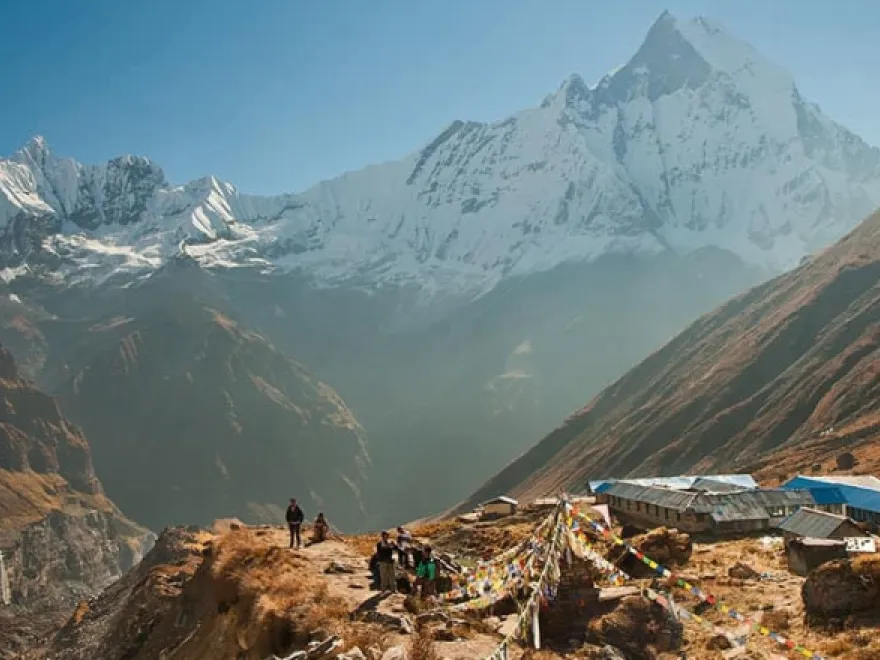
Experience the remote beauty of eastern Nepal with Everest Extreme Adventure on the Arun Valley Trek. Discover pristine valleys, traditional villages, diverse landscapes, rich Sherpa, Rai, and Limbu cultures, and spectacular Himalayan views of Everest, Makalu, Ama Dablam, Baruntse, and surrounding peaks.
Arun Valley Trek offers one of the best trekking experiences in Nepal. Indulge in an offbeat trek along the foothills of Mt. Makalu located beside the crowded Everest trail. Enjoy the natural sights of the snowcapped peaks, Mount Everest, Chamlang, Makalu, Baruntse, Nuptse, Lhotse, and Thamserku.
Arun Valley, also known as the deepest valley in the world, lies amidst the towering Mahalangur Himal in the west and Makalu in the east. The trekkers call it an alternative to Everest trek that offers an equal amount of adventure and fun. The offbeat trail advancing through Makalu Barun National Park is less crowded, making it a perfect trekking destination. It is home to the endangered species of Red Panda and the elusive cat, Snow Leopard. Get a chance to observe the indigenous lifestyle, culture, and traditions of ethnic Sherpa, Rai, and Limbu tribes.
Arun Valley Trek commences upon your arrival in Kathmandu. Enjoy a scenic sightseeing tour of the UNESCO World Heritage Sites.
Embark on a short flight to Tumlingtar in Sankhuwasabha District, followed by a short drive to Gothe village. Begin trekking along the pristine Arun River and climb through Dhoban and Gurase village to arrive at Sanam. The trail goes through the pristine Makalu Barun National Park. Witness the unique Himalayan flora and fauna along the trail. Stay at the ethnic Sherpa, Rai, and Magar villages while observing the local lifestyle and culture. You can amend the itinerary to undertake a trip to the beautiful Salpa Lake (3414m) located at the high pass of Salpa (3350m). Leaving Sanam, the trail begins climbing through rhododendron forests. Climb along with the villages of Surke La, Gai Kharka towards Pangum overlooking the beautiful view of Dudh Kunda (6465m). From here, take a detour and begin climbing down towards Sagarmatha National Park. The trail goes past Puiyan village towards Lukla. Catch the majestic sights of Mount Everest, Chamlang (7321m), and Makalu (8463m) peaks en route. The trip concedes upon your arrival in Kathmandu.
Enjoy custom trekking around Nepal with Everest Extreme Adventure. We offer all kinds of treks around the country and cater to all types of tourists. Join our full-board trips and enjoy complete packages, including transportation, comfortable accommodation, meals, well-trained guides, and staff.
The Arun Valley Trek is one of Nepal’s most rewarding off-the-beaten-path trekking experiences, offering an exceptional combination of cultural encounters, peaceful mountain trails, lush forests, terraced hillsides, and spectacular Himalayan scenery. Organized by Everest Extreme Adventure, this 17-day journey begins with your arrival in Kathmandu and includes a sightseeing day before heading east toward Tumlingtar. From Tumlingtar, the trek follows remote trails through the beautiful Arun Valley, passing traditional villages, forests, mountain passes, and high-altitude landscapes before eventually reaching Lukla.
Unlike some of Nepal’s busier trekking routes, the Arun Valley Trek provides a quieter and more authentic experience. The trail passes through settlements such as Gothe, Dhobane, Phedi, Gurase, Sanam, Bung, Gaikharka, Pangum, and Puiyan. Trekkers experience changing landscapes as the route gradually gains and loses altitude, with the highest point around Surke La at approximately 3,085 meters. The journey combines trekking adventure with opportunities to observe local lifestyles and Himalayan traditions.
The final stages of the trek connect with the Lukla region, from where you fly back to Kathmandu. A free day in Kathmandu allows time for relaxation, shopping, or exploring additional cultural attractions before your international departure.
The best seasons for the Arun Valley Trek are generally spring and autumn, when Nepal experiences stable weather, pleasant trekking temperatures, and good visibility. Spring, particularly from March to May, brings colorful rhododendron forests, fresh greenery, and beautiful mountain landscapes. The daytime conditions are generally comfortable for trekking, making it an excellent period for travelers who want to enjoy both the scenery and the cultural aspects of the route.
Autumn, especially from September to November, is another excellent season. After the summer monsoon, the skies are usually clearer and the landscapes remain fresh and vibrant. Mountain views are often particularly impressive during this period. October and November are commonly favored by trekkers because of the combination of stable weather, clear visibility, and comfortable trail conditions. Everest Extreme Adventure can help travelers choose suitable departure dates according to their preferences and trekking experience.
Winter trekking is possible, but colder temperatures can make higher sections of the route more challenging. The monsoon months can bring rain, muddy trails, clouds, and occasional transportation or flight disruptions. Since the itinerary includes flights to Tumlingtar and from Lukla, weather conditions should always be considered when planning the trip.
The Arun Valley Trek is considered a moderate to challenging trekking adventure because of its remote nature, long walking days, changing elevations, and limited infrastructure in some sections. The itinerary includes several days of approximately five to seven hours of trekking, with gradual ascents and descents through forests, villages, ridges, and mountain terrain. The highest point on the itinerary is Surke La at around 3,085 meters, while Pangum is situated at approximately 3,173 meters.
Although the maximum elevation is not as high as some of Nepal’s major high-altitude trekking destinations, the continuous walking and remote trail conditions require reasonable physical fitness. Trekkers should be comfortable walking for several hours on uneven terrain. Good preparation, appropriate footwear, sufficient hydration, and a steady pace can make the journey considerably more enjoyable.
Transportation is an important part of this adventure because the trek connects two different gateway areas. The itinerary begins with a flight from Kathmandu to Tumlingtar, followed by a road journey toward Gothe. After completing the trekking section through the Arun Valley, the route eventually reaches Lukla, from where travelers take a flight back to Kathmandu. Flight schedules can be affected by weather, so some flexibility is recommended.
Food and accommodation are important parts of a successful Arun Valley trekking experience. Because the Arun Valley route is more remote than some of Nepal’s established trekking destinations, facilities can be simpler, particularly in smaller villages. Everest Extreme Adventure plans the trekking experience with the practical conditions of the trail in mind, allowing trekkers to experience local hospitality while maintaining comfort as much as possible.
During the trek, meals generally focus on nutritious and filling local and familiar dishes. Dal bhat, the traditional combination of rice, lentil soup, and vegetables, is a popular choice because it provides plenty of energy for long trekking days. Depending on availability, trekkers may also find noodles, soups, potatoes, Tibetan-style bread, eggs, vegetables, and other basic meals. Keeping hydrated is equally important, particularly during longer walking days and at higher elevations.
Accommodation along remote sections is generally provided in local teahouses, lodges, or basic guesthouses. Rooms can be simple, and facilities may vary from village to village. Shared bathrooms and limited hot-water facilities may be encountered. Staying in local lodges also provides an opportunity to interact with local communities and experience the authentic character of the Arun Valley.
Permits and required documentation are an essential part of trekking in Nepal. The exact permits required for the Arun Valley Trek can depend on the current regulations applicable to the route, conservation areas, local jurisdictions, and the sections connecting toward Lukla. Since trekking regulations and fees can change, travelers should confirm the current requirements before departure.
Everest Extreme Adventure can assist trekkers with the necessary trekking documentation and permit arrangements as part of the trip preparation. This makes the process easier for international travelers who may not be familiar with Nepal’s trekking regulations. Trekkers should carry their passport and relevant travel documents during the journey, as permits and identification may be checked at different points.
It is also important to understand that permits are not simply administrative requirements. They support regulated trekking, tourism management, conservation, and local communities. Following official procedures helps ensure that the trek is conducted responsibly and legally while contributing to the areas through which travelers pass.
Choosing the Arun Valley Trek with Everest Extreme Adventure means experiencing a less-traveled side of Nepal while enjoying a carefully structured trekking itinerary. The route is ideal for travelers who want more than simply reaching a famous Himalayan destination. It combines cultural discovery, wilderness, traditional villages, scenic mountain landscapes, and challenging walking days into one memorable adventure.
The itinerary also provides an interesting geographical journey. Starting in Kathmandu, travelers fly toward Tumlingtar and enter the Arun Valley from the east before trekking through remote communities and mountain terrain toward the Lukla region. This east-to-west journey creates a sense of exploration and offers a different perspective on Nepal’s Himalayan landscape. The gradual progression through villages such as Gothe, Dhobane, Phedi, Gurase, Sanam, Bung, Gaikharka, Pangum, and Puiyan adds cultural depth to the experience.
Everest Extreme Adventure can support travelers with trip planning, trekking logistics, transportation arrangements, accommodation coordination, and permit preparation. The company’s focus is to help trekkers enjoy the journey safely and comfortably while respecting local communities and the natural environment.
The Arun Valley Trek is an excellent choice for adventurous travelers looking for authentic Himalayan experiences away from the busiest trails. With its combination of natural beauty, cultural encounters, remote villages, and varied terrain, the journey offers a memorable introduction to one of Nepal’s less-explored trekking regions.
The 17-day Arun Valley Trek with Everest Extreme Adventure is an exciting journey through the remote and culturally rich landscapes of eastern Nepal. The adventure begins in Kathmandu with a sightseeing tour before flying to Tumlingtar and driving toward Gothe. The trekking route then passes through Dhobane, Phedi, Gurase, Sanam, Bung, Surke La, Gaikharka, Pangum, and Puiyan, offering beautiful forests, traditional villages, mountain landscapes, and authentic Himalayan experiences.
As the trek progresses, travelers enjoy changing scenery, diverse local cultures, and peaceful trails before reaching Lukla. From Lukla, a scenic flight returns you to Kathmandu, where a free day allows time for relaxation and exploration. With carefully arranged transportation, trekking support, accommodation, and logistics, Everest Extreme Adventure aims to make this remote Himalayan adventure safe, comfortable, and memorable.
Welcome to Kathmandu! Our representative will be stationed outside the airport to receive you and transfer to your hotel. Keep an eye for a placard with your name on it outside the airport. After refreshment, you will visit our office and meet your trek guide. We’ll discuss the trek in detail and exchange the necessary documents. Your guide will help get the required permits such as TIMS card and national park entry. As there are no plans for today, you can choose to spend the rest of the day buying or renting any necessary gear. Overnight in Kathmandu.
Welcome to Kathmandu! Our representative will be stationed outside the airport to receive you and transfer to your hotel. Keep an eye for a placard with your name on it outside the airport. After refreshment, you will visit our office and meet your trek guide. We’ll discuss the trek in detail and exchange the necessary documents. Your guide will help get the required permits such as TIMS card and national park entry. As there are no plans for today, you can choose to spend the rest of the day buying or renting any necessary gear. Overnight in Kathmandu.
Leaving Kathmandu, you’ll embark on a short flight to Eastern Nepal. After breakfast at the hotel, you’ll drive to the airport and embark on a 35min flight towards Tumlingtar. It is a small town located between Arun and Sabha Rivers in Sankhuwasabha District. Enjoy the beautiful aerial tour of snow-capped peaks, quaint settlements, pristine rivers, and green hills. Upon arrival, you’ll advance on a short trek towards Kartike village. Walk past Kumal Gaon and cross the Arun River to arrive at Bheteni. Enjoy lunch and continue hiking through Chyawabesi village en route to Kartike.
Leaving Kartike, you’ll begin descending towards the village of Gothe. The scenic trail goes past the terraced rice fields along the Arun Koshi River towards Baluwa Besi (320m). Trek through the lush Sal forests towards Bharta village. A short hike will take you at Nepali Danda from where you can catch the first glimpse of the beautiful Arun valley. The trail rises through terraced fields towards Marduwa and then descends towards Gothe Bazaar, located beside Irkhuwa Khola.
Going past Gothe, you’ll make your way towards another low-altitude village of Dhobane. A short trail leading through the terrace rice fields along the Irkhuwa Khola will take you to Dhobane. The entire trek may last 2-3hr. You can spend the day exploring the beautiful valley. Make a trip to the local paper factory, which produces the famous Nepali paper from the Lokta plant. You can witness the process in action. The small settlements around Dhobane are mostly inhabited by the indigenous Rai, Limbu, and Sherpa tribes.
Trekking past Dhobane, the trail begins to rise towards Phedi village. Trek past the village of Tallo Phedi and climb along the terraces rice fields. The trail enters the damp patches of forests beside the Irkhuwa Khola towards lush farmlands at Irkhuwa valley. Cross the river and trek past Sanu Khola to arrive at Phedi. At Phedi, you can consider visiting the local Buddhist Stupa.
The trail rises through a sharp steep climb along the spur that divides Irkhuwa Khola and Sanu Khola. A short ascent will bring you to Jaubire from where you’ll begin crossing the dense settlements of Thulo Fokte (2140m). The trail further rises through the forests of oak, birch, and rhododendron towards the ridge that offers the panoramic view of the Irkhuwa Valley. Continue trekking along the forested path and climbing down towards Bilbate village. A half an hour trek from Bilbate will bring you to the small settlement of Gurase.
The elevation remains the same as you leave Gurase and trek towards Sanam village. Begin trekking through the lush rhododendron forest towards the large Mani walls and Buddhist Stupa. Witness the history of Buddhism through religious arts. Continue traveling for almost 2hr to arrive at Salpa Pokhari. The locals believe that the sacred pool or Salpa Pokhari fulfills the wishes of the adherents. Trek past Salpa Pokhari and continue through hemlock and fir forests towards Salpa Bhanjyang. A short descent through rhododendron forest will bring you to a path that leads towards Sanam.
Leaving Sanam, you’ll begin trekking downhill through the forest of rhododendron, brown oaks, and chir pines towards Share village. En route, you will get to visit the local paper factory, which produces the authentic Nepali paper. Visit an old Monastery at Share village before heading downhill through the forested path towards the Rai village of Gudel (1900m). Witness the endemic whitewashed houses and kitchen gardens at Gudel. From here, you’ll begin crossing the Hongu Khola and walking past rice, millet and soybean fields towards Bung. Bung marks the entrance to Makalu Barun National Park.
Leaving Bung, the trail begins to rise through small Rai settlements towards Surke La. The trail remains decorated with vibrant farm fields of beans, maize, and others. Climb towards the ridge that offers a panoramic view of the neighboring Hongu Valley. The trail climbs along the Mani walls and into the juniper forests. Walk past Khiraule Gompa and continue trekking through the scrubby, burnt forest towards Charakot. A short descent through a steep stone step will bring you to Surke La Pass
Begin climbing towards the cliff wall and trek past lush bamboo forests towards Najindingma village (2650m). Enjoy a beautiful view of pastures and open grassland en route to the thick forest trail. An easy descend along the damp forested path will take you to Gaikharka. Overnight in Gaikharka.
Leaving Gaikharka, you’ll begin trekking towards the highest point of the trek, Pangum (3173m). The trail rises through the humid and ferny forest towards the pristine Hinku Khola. Cross the 62m-long steel cable bridge and begin trekking along the massive waterfalls towards Sibuje village (2500m). Leaving Sibuje, you’ll start climbing through the pine forests towards the small village of Gompa. The final section of the trail goes past the rhododendron forest towards Pangum La pass. Enjoy the majestic sight of the nearby Khumbu Himalaya and Mera Peak from the pass. Climb towards the Pangum Gompa for the overnight stay.
From Pangum Gompa, you’ll begin climbing down through a forested path. Cross the final pass at Arun valley and start climbing towards Kari La Pass (3145m). Enjoy your lunch, and resume trekking downhill through Arun Valley towards Puiyan village. You will find fertile terraced fields and forests around the lower valley. Puiyan connects major cities to the remote Arun valley. Spend the evening exploring Puiyan overlooking a small tributary of the Dudh Koshi River.
Leaving Puiyan, you’ll begin trekking towards the Dudh Koshi Valley. The trail is decorated with lush forests and traditional Sherpa villages. Cross several small settlements and walk past Yak pastures to arrive at Lukla. The trek may last anywhere from 4hr to 5 hr. Upon arrival, you can relax and celebrate the completion of the trek with your guide and staff.
Today is a free day in Kathmandu. You can choose to indulge in a sightseeing tour of the city and explore a few of the unvisited UNESCO World Heritage Sites. You can also visit the local massage center to enjoy a full-body trekker’s massage. Enjoy souvenir shopping and dining at Thamel. Overnight in Kathmandu
Today is a free day in Kathmandu. You can choose to indulge in a sightseeing tour of the city and explore a few of the unvisited UNESCO World Heritage Sites. You can also visit the local massage center to enjoy a full-body trekker’s massage. Enjoy souvenir shopping and dining at Thamel. Overnight in Kathmandu.
On the last day in Kathmandu, you can choose to do whatever you like. We’ll drop you off at Tribhuvan International Airport approximately two hours before your flight time.
The Arun Valley Trek is a scenic and culturally rich trekking adventure in eastern Nepal, following remote trails through traditional villages, forests, valleys, and mountain landscapes before connecting toward the Lukla region. Organized by Everest Extreme Adventure, the trek offers an excellent opportunity to experience less-crowded Himalayan trails, local Sherpa, Rai, and Limbu cultures, and spectacular views of the surrounding peaks.
The Arun Valley Trek itinerary takes 17 days, including arrival and departure days, Kathmandu sightseeing, trekking, transportation, and a free day in Kathmandu. The main trekking journey begins after flying from Kathmandu to Tumlingtar and driving toward Gothe. After several days of trekking through remote villages and mountain terrain, the route reaches Lukla before flying back to Kathmandu.
The Arun Valley Trek is considered a moderate to challenging trekking adventure. Trekkers should be prepared for several days of approximately four to seven hours of walking over uneven mountain trails, forests, ridges, and ascents and descents. Although the maximum elevation is around 3,173 meters, the remote terrain and consecutive trekking days require good physical fitness and preparation.
The itinerary reaches approximately 3,173 meters at Pangum, while Surke La is around 3,085 meters. Although these elevations are not extremely high compared with some Himalayan expeditions, proper acclimatization, hydration, gradual walking, and adequate rest remain important. Everest Extreme Adventure recommends maintaining a comfortable pace and paying attention to your body throughout the trekking journey.
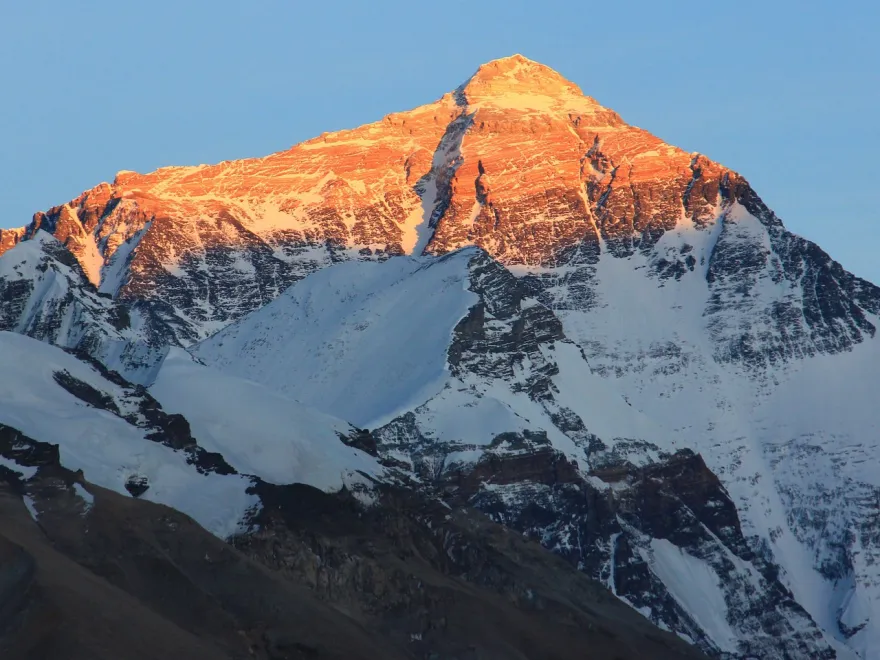
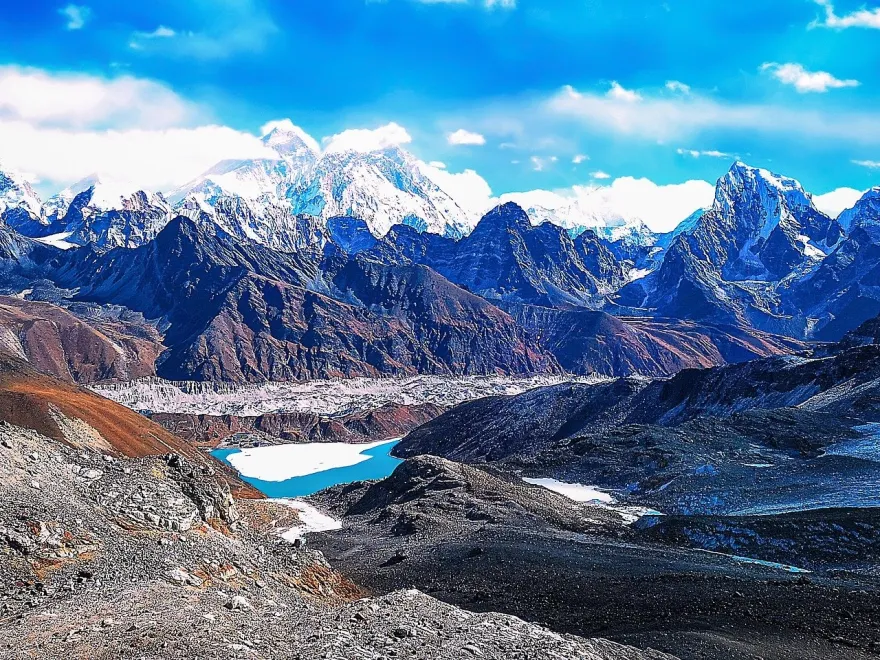
The Arun Valley region offers impressive views of some of Nepal’s most famous Himalayan peaks. Depending on weather and trail conditions, trekkers may enjoy views toward Mount Everest, Makalu, Chamlang, Baruntse, Nuptse, Ama Dablam, and Thamserku. The changing landscapes, mountain ridges, forests, and traditional villages make the journey especially rewarding for travelers interested in both scenery and cultural experiences.
The trek can be suitable for reasonably fit first-time trekkers who are prepared for long walking days and remote mountain conditions. However, it is not an easy introductory hike because several stages involve five to seven hours of trekking. Proper preparation, suitable footwear, regular exercise, mental readiness, and following the guidance of the Everest Extreme Adventure trekking team are recommended.
Everest Extreme Adventure offers the Arun Valley Trek as a carefully planned journey combining wilderness, culture, mountain scenery, and authentic village experiences. The company can support travelers with itinerary planning, transportation, accommodation coordination, permits, trekking logistics, and local guidance. Choosing an experienced trekking operator helps make the remote Arun Valley journey more organized, enjoyable, and memorable.
The best seasons for the Arun Valley Trek are generally spring from March to May and autumn from September to November. These periods usually provide favorable trekking conditions, clearer skies, comfortable daytime temperatures, and excellent Himalayan visibility. Spring also offers beautiful rhododendron blooms, while autumn provides fresh landscapes following the monsoon season and generally stable weather.
Trekkers can enjoy a variety of nutritious local and basic international-style meals during the journey. Dal bhat, consisting of rice, lentil soup, and vegetables, is a popular and energy-rich choice. Depending on availability, meals may also include noodles, soups, potatoes, eggs, vegetables, Tibetan-style bread, and hot drinks. Eating sufficiently and staying hydrated are important during long trekking days.
The itinerary begins in Kathmandu, followed by a flight to Tumlingtar. From Tumlingtar, travelers continue by road toward Gothe, which serves as the starting area for the trekking section. Transportation is an important part of this itinerary because the route combines domestic flights, road travel, and trekking through remote eastern Nepal before eventually reaching Lukla.
Yes, trekkers need to carry the applicable permits and documentation required for the Arun Valley trekking route and its connecting areas. Permit requirements and fees can change according to current government and local regulations. Everest Extreme Adventure can assist with the necessary permit arrangements and documentation, helping travelers prepare the required paperwork before starting their trek.
Accommodation during the Arun Valley Trek is generally provided in local teahouses, lodges, or basic guesthouses along the route. Because the Arun Valley is relatively remote, facilities can be simpler than those found on more developed trekking routes. Rooms and bathroom facilities vary between villages, but staying in local lodges provides an authentic opportunity to experience Himalayan hospitality and village life.
| No of people | Price per person |
|---|---|
| 1 - 1 | $1,999 |
| 2 - 4 | $1,775 |
| 5 - 9 | $1,755 |
| 10 - 15 | $1,735 |
| 16 - 20 | $1,715 |
| No of people | Price per person |
|---|---|
| 1 - 1 | $6,050 |
| 2 - 4 | $5,700 |
| 5 - 9 | $5,650 |
| 10 - 15 | $5,600 |
| 16 - 20 | $5,550 |