Group Adventure Dates.  4.9 of 489 reviews
 4.8 of 232 reviews
4.9 of 489 reviews 4.8 of 232 reviews 
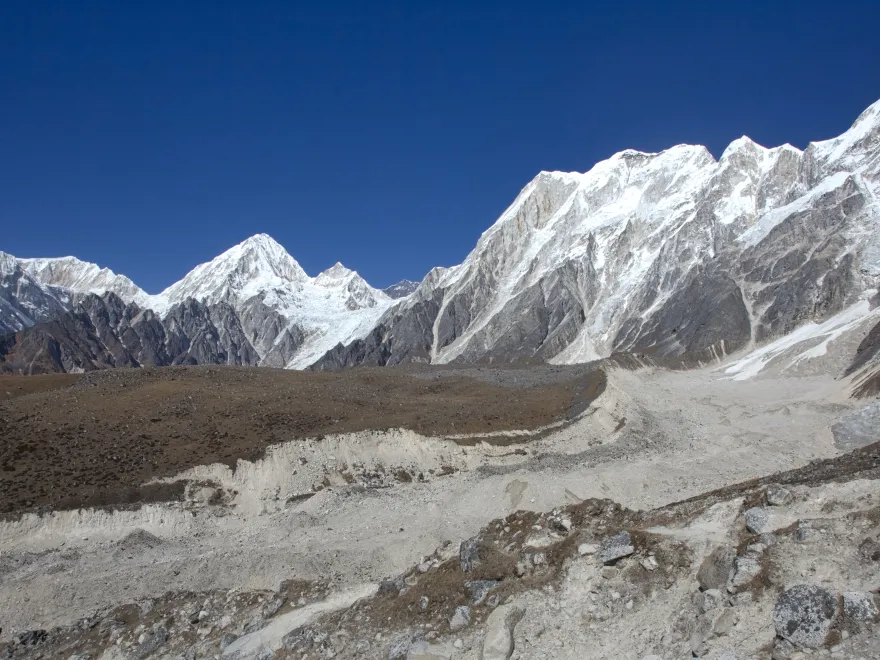
Explore the breathtaking Himalayas with Everest Extreme Adventure on the 16-day Manaslu Round Trek. Discover traditional Buddhist villages, diverse landscapes, and spectacular mountain views while crossing the challenging Larkya La Pass (5,135 m) for an unforgettable Himalayan adventure in Nepal.
Enjoy a teahouse trek along the foothills of the eighth highest peak in the world. Manaslu Round Trek encircles the entire Mt. Manaslu (8163m) and explores the ancient Nepal-Tibet salt-trading route. Trek along the beautiful Budi Gandaki River through one of the remotest Himalayan regions –Manaslu Conservation Area.
Manaslu Round Trek or Manaslu Circuit spans almost 144 kilometers. It begins from the historical Gorkha District and goes through Manaslu Conservation Area into Annapurna Conservation Area (ACAP). Named after a Sanskrit word “Manasa” which stands for “soul,” Manaslu is regarded as a revered peak by both Hindu and Buddhist adherents. Witness the unique lifestyle and culture of the endemic Nubri and Tsum tribes in the Manaslu region. A few of the other ethnic tribes you will witness are Gurung, Bhotias, and Sherpa tribes. One must get permits for both Manaslu Conservation Area and ACAP during this trek.
The 16-days trek begins with a scenic road journey from Kathmandu to Sotikhola in Gorkha District. Drive 140km northwest of Kathmandu along the beautiful Trishuli River and Budi Gandaki River towards the foothills of Manaslu Peak. The pristine trek goes past the beautiful multi-ethnic villages, lush forested hills, and glaciated path towards Manaslu Base Camp (4460m). Follow the massive Budi Gandaki River along the way and stay in the comfortable teahouses inside the vibrant cultural villages. Witness the unique culture, lifestyle, and occupations of the native Gurung, Bhotias, Sherpa, and Tsum tribes. You may find a strong influence of Tibetan-Buddhism among the inhabitants in the higher regions.
After witnessing the ancient salt-trading route of Budi Gandaki River, you’ll make a detour to the west and begin climbing Larkya La Pass (5,160m). Cross the highest mountain pass in the region to make your way towards Annapurna Conservation Area (ACAP). Begin trekking along with the beautiful Gurung and Magar villages and head down to Dharapani. Be mesmerized by the majestic sights of snow-capped peaks of Himalchuli (7893m), Ganesh Himal (7422m), Annapurna massif, and Manaslu along the way.
Everest Extreme Adventure specializes in handpicked treks around Nepal. Our package includes transportation, lodging, three meals a day, an experienced guide, porter, and permits.
Choosing the right season is essential for enjoying the Manaslu Round Trek safely and comfortably. The route passes through several climatic zones, from warm subtropical valleys to cold, high-altitude Himalayan terrain. Weather conditions can change quickly, especially near Samdo, Dharamsala, and Larkya La Pass. Therefore, Everest Extreme Adventure generally recommends trekking during spring or autumn, when trail conditions, visibility, and temperatures are often more favorable.
Spring (March to May) is one of the best seasons for this adventure. During spring, temperatures gradually become warmer, forests begin to bloom, and rhododendrons add beautiful colors to the hillsides. The skies are often clear in the mornings, offering impressive views of Mount Manaslu and neighboring peaks. Although some high-altitude areas remain cold, spring provides a pleasant balance between weather conditions and mountain scenery. Trekkers should still be prepared for snow near Larkya La Pass, particularly early in the season.
Autumn (September to November) is another excellent season and is especially popular among experienced trekkers. Following the monsoon, the landscape becomes fresh, and the air often clears to reveal spectacular Himalayan panoramas. October and early November can provide particularly rewarding trekking conditions, although temperatures become colder as winter approaches. Autumn is also an opportunity to experience Nepal's festive atmosphere, including major celebrations such as Dashain and Tihar.
Winter trekking, from December to February, is possible in some lower sections but is generally more challenging because of heavy snowfall, freezing temperatures, and potential closures around Larkya La Pass. The monsoon season, from June to August, brings rainfall, muddy trails, landslide risks, and leeches in lower forested areas. These conditions can make transportation and trekking more difficult.
Everest Extreme Adventure helps trekkers select suitable departure dates and prepares them for the expected seasonal conditions. However, no season guarantees clear weather, and crossing the high pass always depends on current trail and weather conditions.
Best seasons at a glance:
For most trekkers, spring and autumn are the preferred seasons for the Manaslu Round Trek. Everest Extreme Adventure recommends confirming the latest weather forecast and pass conditions before departure.
The Manaslu Round Trek is considered a moderate to challenging high-altitude trek, requiring good physical fitness, endurance, and preparation. The 16-day itinerary involves several consecutive days of walking, with typical trekking durations of four to six hours on many days and approximately seven to eight hours when crossing Larkya La Pass. The trail includes steep ascents and descents, rocky paths, suspension bridges, uneven terrain, and remote mountain sections where facilities are limited.
Altitude is one of the most important challenges. The itinerary gradually ascends from Kathmandu at approximately 1,400 m to Samagaon at 3,530 m, Samdo at 3,800 m, and Dharamsala at 4,460 m before crossing Larkya La Pass at approximately 5,135 m. At these elevations, trekkers may experience shortness of breath, fatigue, headaches, or symptoms of acute mountain sickness. Proper acclimatization, adequate hydration, a comfortable walking pace, and attention to symptoms are essential. The proposed visit to Manaslu Base Camp at approximately 4,460 m should be adjusted according to acclimatization, fitness, weather, and local conditions. It is a demanding optional excursion rather than a guaranteed activity on a fixed rest day.
Everest Extreme Adventure recommends regular walking, hiking, stair climbing, and cardiovascular exercise before the trip. Previous trekking experience is beneficial, especially for those unfamiliar with high-altitude environments. The company can help arrange experienced guides and porters, but trekkers must be prepared for basic facilities and changing weather.
Transportation is another important part of the journey. On Day 3, you travel by road from Kathmandu to Soti Khola, a drive of approximately eight to nine hours, depending on traffic and road conditions. After completing the trek, you travel from Dharapani toward Besisahar by road, followed by a return journey to Kathmandu. The exact vehicles and transfer arrangements depend on group size, road accessibility, and the condition of local roads. Mountain roads can be rough, and travel times may vary considerably.
Difficulty and transportation highlights:
With appropriate preparation and a realistic itinerary, the Manaslu Round Trek can be a rewarding challenge for fit travelers seeking an authentic Himalayan adventure.
Food and accommodation are important parts of the Manaslu Round Trek experience. Along the route, trekkers generally stay in locally operated teahouses and mountain lodges that provide simple rooms, warm meals, and opportunities to interact with local communities. Facilities become more basic as the trail moves into remote and higher-altitude settlements. Everest Extreme Adventure helps coordinate accommodation according to the itinerary, availability, group size, and local conditions.
During the trek, you can enjoy a variety of traditional Nepali dishes and familiar international-style meals. Dal bhat, consisting of rice, lentil soup, vegetables, and sometimes additional accompaniments, is one of the most popular meals because it provides energy for long trekking days. Other common options include noodle soup, fried rice, vegetable curry, potatoes, Tibetan bread, pancakes, porridge, eggs, and momos where available. Tea, coffee, hot lemon drinks, and other beverages are generally available at teahouses, although choices may become limited in remote villages.
A nutritious diet is especially important at high altitude, where the body needs sufficient energy to support walking and recovery. Trekkers should eat regular meals, drink enough safe water, and avoid relying heavily on alcohol during the ascent. Vegetarian meals are widely available, while special dietary requirements should be communicated to Everest Extreme Adventure before departure. Food choices, prices, and availability can vary between villages, so flexibility is helpful.
Accommodation typically consists of twin-sharing rooms with basic beds, mattresses, pillows, and blankets. Some lodges offer private bathrooms or hot showers for an additional charge, but these facilities are not guaranteed. At higher elevations, rooms may be unheated, and nighttime temperatures can become extremely cold. A suitable sleeping bag is therefore strongly recommended, even when blankets are supplied. Charging electronic devices and accessing Wi-Fi may also involve extra fees, and connectivity can be unreliable.
In Kathmandu, accommodation is generally more comfortable, with a wider choice of hotels and restaurants. The trekking package arranged by Everest Extreme Adventure should clearly specify which hotel nights, teahouse stays, meals, drinks, and additional services are included in the quoted price.
Food and accommodation highlights:
Although the accommodation is simple compared with city hotels, the hospitality of mountain communities and the opportunity to experience local food make this an authentic Himalayan journey.
The Manaslu Round Trek passes through a restricted trekking region and a protected conservation area, so trekkers must obtain the required permits before starting the journey. Permit regulations are designed to protect the region's natural environment, preserve cultural heritage, and manage tourism in sensitive border areas. Everest Extreme Adventure assists trekkers with the permit arrangements and documentation required for the planned itinerary.
The principal permit requirements generally include the Manaslu Restricted Area Permit (RAP), the Manaslu Conservation Area Permit (MCAP), and, when the itinerary enters the applicable area, the Annapurna Conservation Area Permit (ACAP). The restricted-area permit fee varies according to the season and the number of days spent within the designated restricted zone. MCAP and ACAP fees depend on the applicable government regulations and the traveler's category.
For the Manaslu restricted area, foreign trekkers are generally required to travel with a registered trekking agency and a licensed guide, and the group must meet the minimum requirements set by the authorities. Rules for minimum group size, eligible accompanying travelers, permit processing, and exceptions can vary by traveler category and current regulations. Trekkers should confirm their eligibility and documentation with Everest Extreme Adventure before booking flights or finalizing travel dates.
To arrange permits, trekkers are typically asked to provide passport details, valid Nepal entry documentation where applicable, passport-size photographs if required, and the information needed for the permit application. It is important that personal details and travel dates are accurate because discrepancies may delay processing.
Permit fees and procedures can change, so it is best to confirm the latest rates with the trekking agency before departure rather than relying on older published prices. The permit package should also clearly explain whether the relevant government fees are included in the trek price or payable separately.
Main permits and requirements:
Everest Extreme Adventure can help coordinate the necessary paperwork, verify the requirements applicable to your nationality and itinerary, and explain the permit costs before your trip begins. Confirming these details in advance helps ensure a smoother start to the Manaslu Round Trek.
Choosing the right trekking company can make a significant difference to your overall experience in the Himalayas. The Manaslu Round Trek involves remote mountain trails, high-altitude conditions, restricted-area regulations, changing weather, and transportation logistics that require careful planning. Everest Extreme Adventure aims to make your journey more organized by helping coordinate the itinerary, permits, accommodation, transportation, and trekking support required for this challenging adventure.
One of the main reasons to choose this route is the opportunity to explore a less developed and less crowded Himalayan region compared with some of Nepal's busiest trekking destinations. The Manaslu region offers dramatic mountain scenery, traditional villages, Buddhist cultural landmarks, forested valleys, and breathtaking views of the surrounding peaks. Crossing Larkya La Pass provides a memorable highlight for trekkers who enjoy a physical challenge and the reward of reaching a high mountain crossing.
Everest Extreme Adventure can help arrange a licensed trekking guide who understands the local trail, village customs, altitude considerations, and restricted-area requirements. A knowledgeable guide can explain local traditions, assist with daily logistics, and help the group adapt to changing conditions. Porter services may also be arranged to reduce the weight you carry, subject to the selected package and agreed arrangements.
Safety and realistic preparation should remain central to every high-altitude trek. A responsible itinerary needs to account for acclimatization, weather, trail conditions, and the possibility of changing plans if crossing the pass becomes unsafe. The Manaslu Base Camp excursion should be considered according to the group's condition and local circumstances rather than treated as a guaranteed fixed activity. Everest Extreme Adventure can discuss suitable arrangements and explain what support is included before you book.
Another advantage of arranging the trek through a dedicated trekking company is the ability to clarify costs and services in advance. Depending on the package, arrangements may include permits, guide and porter services, accommodation, meals, ground transportation, and other logistical support. You should request a written itinerary and a detailed list of inclusions and exclusions so that you can budget confidently.
Why choose Everest Extreme Adventure?
The Manaslu Round Trek is more than a mountain adventure; it is an opportunity to discover Nepal's remote landscapes, rich cultural traditions, and extraordinary Himalayan environment. With thoughtful preparation and suitable support from Everest Extreme Adventure, you can approach this 16-day journey with greater confidence and focus on the experience of trekking around one of the world's most remarkable mountains.
Book your Manaslu Round Trek with Everest Extreme Adventure and prepare for an unforgettable Himalayan adventure filled with mountain panoramas, traditional villages, high-altitude challenges, and the remarkable crossing of Larkya La Pass.
The 16-day Manaslu Round Trek with Everest Extreme Adventure offers an unforgettable Himalayan journey through remote mountain villages, lush forests, deep river valleys, and spectacular snow-capped peaks. The adventure begins in Kathmandu, followed by a scenic drive to Soti Khola, where the trek starts along the Budhi Gandaki River. Passing through Machha Khola, Jagat, Deng, Namrung, and Samagaon, you will experience traditional Buddhist culture, ancient monasteries, and the unique lifestyles of local Himalayan communities.
The journey continues through Samdo and Dharamsala before reaching the spectacular Larkya La Pass (5,135 m), the trek's major highlight. After crossing the pass, descend toward Bimthang, Goa, and Dharapani before returning to Kathmandu. Everest Extreme Adventure helps coordinate trekking arrangements, permits, accommodation, and local guidance for a memorable Himalayan experience.
Manaslu Round Trek begins with your arrival in Kathmandu. We have booked the most exquisite room for you at one of the best Three Star Hotels in Kathmandu. Our representative will drive you from the airport to the hotel and will bring you to our office where we can discuss the trek in detail. You will also meet your trek guide and exchange the necessary documents. You can visit the local trek shop to buy or rent any required trekking gear or equipment. Overnight in Kathmandu.
Today is a trek preparation day. Your trek guide will assess your trek gear and equipment. You can pack the necessary items in the duffle bag and add only light items in your backpack. In the meantime, your guide will visit the appropriate governmental offices to get trek permits and national park entry permits. You can spend the day exploring the beautiful Kathmandu City. Indulge in a half-day sightseeing tour with an experienced tour guide. He will take you to some of the famous and most visited UNESCO World Heritage Sites such as Swayambhunath, Kathmandu Durbar Square, and Pashupatinath Temple. The well-guided tour offers insights and facts about all these UNESCO designated sites. Overnight in Kathmandu.
The trek begins with a scenic drive to Sotikhola village. Embark on a bus and drive almost 9hr along the beautiful Trishuli River and Budi Gandaki River towards Sotikhola in Gorkha District. Enjoy the scenic sights of the colorful villages, lush forested hills, and majestic mountains along the way. Once at Arughat, you’ll get off the bus and catch a local jeep that will drive you towards Sotikhola. The entire journey spans 140km in the distance. Enjoy the local scene at Sotikhola in the evening before resting for the night.
The trek begins at Sotikhola village and climbs towards Machha Khola that lies almost 15km away. The uphill trail climbs nearly 200 meters in altitude and crosses small Gurung settlements along the way.
Continue walking along the 100m tall waterfall and head towards Machha Khola. The trail suffered devastation by the massive earthquake of 2015. It has recuperated and has developed to its original form today — overnight in Machha Khola.
Leaving Machha Khola, you will begin trekking along the massive Budi Gandaki River towards Tatopani village. Climb a steep uphill trail towards Tatopani that is home to a natural hot spring. You can consider taking a dip in the hot spring to relax your aching muscles and joints.
Afterward, you’ll continue climbing up towards Yaru Bagar and cross a 158m long bridge to arrive at Jagat village. You will cover almost 22km in the distance and walk about 5hr. Jagat serves as the gateway to the Manaslu Conservation area. Here, the officials will check your national park permit. Overnight in Jagat.
After breakfast, you will continue walking along the Budi Gandaki River and climb 480 meters in altitude to reach Deng village. A 40 minutes hike along the forested path will bring you to Salleri village, where you will get to witness two hydropower projects. The trail continues towards Sirdibas and crosses Philim to arrive at Chisapani village. After lunch, continue through the forested path towards Deng via Nyak and Pewa. Overnight in Deng.
Leaving Deng, the trail climbs downhill along the Budi Gandaki River. A short descent will bring you to the riverbanks. From here, you will begin climbing towards Rana Gaon and continue to hike through the lush pine forests that will bring you to Ghap. The trail further climbs up through the village of Suksum towards Namrung. The entire trek may last 5hr and covers 21km in the distance. Enjoy the majestic sight of Sringi Himal along the way. Overnight in Namrung village.
Enjoy the day exploring the beautiful Buddhist monasteries in the village. You’ll embark on an uphill trail and climb towards the charming village of Samagaon. Catch the beautiful sights of Ganesh Himal and Sringi Himal along the way. Walk past Lihi and descend towards the lower valley. The trail continues north towards Shyala village. You can consider visiting the local Ribung Gompa (Monastery) at Shyala village. Catch the beautiful sights of Himchuli and Peak 29 en route to Samagaon
The day offers acclimatization at Samagaon. You will use this essential day to make a beautiful and adventurous hike to Manaslu Base Camp (4460m). The trail goes past snow moraines and glaciated path towards the base camp that offers the majestic sight of Mt. Manaslu, the eighth highest mountain on Earth. Begin climbing over the rocky terrain and walk past snow moraines to arrive at the base camp. After spending some time, you’ll begin descending and head back to Samagaon village. Spend the evening exploring the beautiful Samagaon village and observing the local lifestyle and culture of the ethnic Sherpa and Tsumbas.
Leaving Samagaon, you’ll begin trekking towards Samdo village. The trail once again continues along the Budi Gandaki River. Climb the Larkya La trail and walk past the beautiful Mani walls towards Kermo Kharka. The Mani walls contain Buddhist graffiti and religious iconography. Leaving Kermo Kharka, the trail continues to drop towards the Budi Gandaki River and crosses to the other side to arrive at Samdo village. Samdo is a Tibetan village. You will find a large population of Tibetan refugees. Witness the vibrant Tibetan lifestyle, occupation, and culture in the village.
Leaving Samdo, the trail begins to drop towards the Budi Gandaki River. The path lies amidst lush pine and juniper forests. Cross the river and head towards Larkya Bazaar, a Buddhist settlement. The trail continues past Salka Khola towards Dharamsala village. Dharamsala, also known as Larke Phedi, lies an altitude of 4450m. Catch the magnificent sight of Larkya Glacier and spend the day acclimatizing. Overnight in Dharmasala.
On the hardest part of the day, you’ll leave Larke Phedi and begin climbing the mountainous pass of Larkya La that offers the breathtaking sights of some of the highest mountains in the region. Leaving Dharmasala, you’ll start climbing the glaciated path and climb to the snowcapped pass. Located at 5160 meters, Larkya La is generally covered with snow throughout the year. Catch the fantastic sight of Himlung Himal, Cheo Himal, Kanguru, and Annapurna II from the top. Afterward, you’ll begin climbing down along the glaciated path into the pine forests. The day ends at the Buddhist village of Bimthang.
Leaving Bimthang, you’ll begin climbing down the rock and ice into the forests. You’ll further descent along the Bimthang Glacier towards Hampuk village. You may witness many Yak pastures along the way. The latter part of the trek goes past natural oak and rhododendron forest before taking a sharp descent towards Goa village. Catch the beautiful sight of the oligotrophic lakes en route. Overnight in Goa.
Leaving Goa, you’ll begin descending towards Dharapani village. As you start to climb down, you will witness a broader community with a multi-ethnic population. The trail continues past Surki Khola and crosses the beautiful rhododendron forests towards Gho village. Catch the natural sights of Manaslu, Nadi Chuli, Annapurna II, and Himalchuli en route. The trail further drops towards Tilje and continues towards Dharapani. Once at Dharapani, you’ll enjoy a warm lunch and embark on a local jeep back to Besisahar.
Leaving Besisahar, you’ll embark on a bus and begin traveling back to Kathmandu. Bid farewell to the beautiful view of mountains and lush green forests as you continue driving along the Budi Gandaki River and Trishuli River towards Kathmandu. The half-day drive will bring you to Kathmandu. Check into your hotel.
On the last day, you can visit the nearby Thamel town to shop for a souvenir. We’ll drop you off at the airport at the time of your flight. In the meantime, you can consider exploring a few other tourist sites around the city.
Your Start Date is the day you land in Nepal, and your End Date is when you fly home.
If the set Manaslu Round Trek group dates don’t suit your schedule, we can offer alternative dates upon request.
The Manaslu Round Trek typically takes around 16 days, including arrival in Kathmandu, trekking preparation, transportation, trekking days, and departure. The itinerary organized by Everest Extreme Adventure includes a scenic drive to Soti Khola, several days of trekking through traditional Himalayan villages, an acclimatization day in Samagaon, and the challenging crossing of Larkya La Pass. The exact duration may vary depending on weather, trail conditions, transportation, and individual fitness levels.
The Manaslu Round Trek is considered a moderate-to-challenging trek because of its long walking days, steep ascents and descents, rugged trails, and high altitude. Trekkers usually walk approximately four to six hours daily, while crossing Larkya La Pass can require seven to eight hours or longer depending on conditions. Good physical fitness, stamina, and preparation are essential. Everest Extreme Adventure recommends regular hiking, cardiovascular exercise, and strength training before departure to help trekkers manage the demanding Himalayan terrain.
The highest point of the Manaslu Round Trek is Larkya La Pass, at approximately 5,135 meters above sea level. Reaching this elevation offers spectacular views of surrounding Himalayan peaks and glaciers, but it also increases the risk of altitude sickness. The itinerary gradually ascends through villages such as Namrung, Samagaon, Samdo, and Dharamsala to allow time for acclimatization. Everest Extreme Adventure advises trekkers to maintain a steady pace, drink sufficient fluids, communicate symptoms promptly, and follow their guide's safety recommendations.
Yes, foreign trekkers generally must trek in the Manaslu restricted area with a licensed guide arranged through an eligible registered trekking agency. The route passes through remote villages and challenging mountain terrain, where local knowledge can be particularly valuable. A guide can assist with navigation, cultural interpretation, accommodation arrangements, and recognizing potential altitude-related problems. Everest Extreme Adventure can coordinate a suitable trekking guide for your journey and explain the guiding services included in your selected package before booking.
Beginners can undertake the Manaslu Round Trek if they have good physical fitness, prepare adequately, and understand the challenges of high-altitude trekking. Previous hiking experience is beneficial but is not always essential for fit and well-prepared travelers. The long walking days, remote facilities, and crossing of Larkya La Pass require stamina, patience, and flexibility. Everest Extreme Adventure recommends beginning a training routine several weeks or months before departure and discussing any concerns about fitness or altitude with the trekking team. The itinerary must prioritize safe acclimatization rather than speed.
Yes, a visit to the Manaslu Base Camp area may be possible from Samagaon, depending on weather, trail conditions, acclimatization, and the group's fitness. The excursion involves additional uphill walking at high altitude and can be physically demanding. Although the proposed itinerary includes time for this activity, reaching the base camp should not be treated as guaranteed in all circumstances. Everest Extreme Adventure recommends making the final decision with your guide after assessing conditions and your health. If symptoms of altitude sickness develop, safety should take priority over completing the excursion.
Yes, altitude sickness is an important consideration because the trek reaches elevations above 5,000 meters at Larkya La Pass. Symptoms may include headache, nausea, dizziness, unusual fatigue, and loss of appetite. Gradual ascent, appropriate acclimatization, hydration, and avoiding excessive exertion can help reduce risk, but they cannot eliminate it. Everest Extreme Adventure encourages trekkers to report symptoms immediately and follow their guide's advice. Severe symptoms, including confusion, difficulty walking, or breathlessness at rest, require urgent medical attention and descent; never continue ascending when experiencing suspected altitude sickness.
The inclusions depend on the package you select and should be confirmed before booking. A typical organized trek may include a licensed guide, required trekking permits, accommodation during the trek, specified meals, porter services, and ground transportation according to the agreed itinerary. International flights, Nepal entry visa fees, travel insurance, personal expenses, tips, additional drinks, and certain accommodation upgrades may be excluded. Everest Extreme Adventure can provide a detailed quotation listing included and excluded services, allowing you to understand the total expected cost and prepare for your 16-day Himalayan adventure.
Choosing an experienced trekking operator helps simplify the logistics of exploring this remote Himalayan region. Everest Extreme Adventure can assist with itinerary planning, permit coordination, local guide arrangements, accommodation, transportation, and preparation for the Larkya La Pass crossing, according to the agreed package. The company can also explain seasonal considerations, equipment requirements, and the costs associated with your trip. Before confirming your booking, request a written itinerary, clear package inclusions, cancellation conditions, and details of emergency procedures so you can prepare confidently for your Manaslu Round Trek.
Packing appropriate clothing and equipment is essential because temperatures can change significantly between the lower valleys and the high-altitude sections. Important items include layered trekking clothes, a warm down jacket, waterproof jacket and trousers, sturdy hiking boots, warm gloves, a hat, trekking poles, sunglasses, sunscreen, and a sleeping bag suitable for cold conditions. You should also carry personal medication, water purification supplies, a reusable water bottle, and basic toiletries. Everest Extreme Adventure can provide a more detailed packing checklist based on your departure season, itinerary, and the services included in your package.
Yes, comprehensive travel insurance is strongly recommended for the Manaslu Round Trek. Your policy should explicitly cover high-altitude trekking up to at least 5,135 meters and emergency helicopter evacuation, where medically necessary and available. Standard travel insurance may exclude activities at these elevations, so carefully review the policy wording before purchasing coverage. Everest Extreme Adventure recommends carrying your insurance details and emergency contact information throughout the journey. Insurance does not replace safe trekking practices, and evacuation may be affected by weather, helicopter availability, and local conditions.
The best seasons for the Manaslu Round Trek are generally spring (March to May) and autumn (September to November). These periods often offer favorable trekking conditions, clearer mountain views, and more comfortable temperatures. Spring is particularly beautiful because of blooming rhododendrons, while autumn often provides excellent Himalayan panoramas after the monsoon. Everest Extreme Adventure recommends choosing departure dates carefully and checking current weather conditions, especially before attempting the high-altitude crossing of Larkya La Pass.
The Manaslu Round Trek usually begins with an overland journey from Kathmandu to Soti Khola, taking approximately eight to nine hours under favorable conditions. The route passes through rural settlements, hills, rivers, and mountain roads, although travel time can vary because of traffic, road construction, weather, and vehicle conditions. After completing the trek, travelers typically drive from Dharapani toward Besisahar and continue to Kathmandu. Everest Extreme Adventure can coordinate transportation according to the itinerary, group size, road accessibility, and the services included in your trekking package.
Yes, permits are required because the route passes through a restricted trekking region and protected conservation areas. Foreign trekkers generally need a Manaslu Restricted Area Permit, a Manaslu Conservation Area Permit, and an Annapurna Conservation Area Permit when the itinerary enters the applicable area. Restricted-area trekking generally requires a registered trekking agency and a licensed guide, with group-size rules applying subject to current regulations. Everest Extreme Adventure can assist with permit arrangements and explain the applicable fees, documentation, and requirements before your trip.
Accommodation during the Manaslu Round Trek mainly consists of locally operated teahouses and basic mountain lodges, while hotels are available in Kathmandu. Rooms generally have simple beds, mattresses, pillows, and blankets, although facilities become more basic at higher elevations. Private bathrooms, hot showers, Wi-Fi, and charging facilities may be limited or available for additional fees. Everest Extreme Adventure can arrange accommodation according to the itinerary and availability. Trekkers should bring a warm sleeping bag because nights at higher elevations can be extremely cold.
Teahouses along the Manaslu route generally serve traditional Nepali meals and a selection of simple international dishes. Common options include dal bhat, vegetable curry, noodle soup, fried rice, potatoes, eggs, pancakes, porridge, and Tibetan bread. Food choices may become more limited in remote villages, so flexibility is helpful. Everest Extreme Adventure recommends eating regular, nutritious meals to maintain energy during long trekking days. Trekkers with food allergies, vegetarian preferences, or other dietary requirements should inform the company before departure so suitable arrangements can be discussed.