Group Adventure Dates.  4.9 of 489 reviews
 4.8 of 232 reviews
4.9 of 489 reviews 4.8 of 232 reviews 
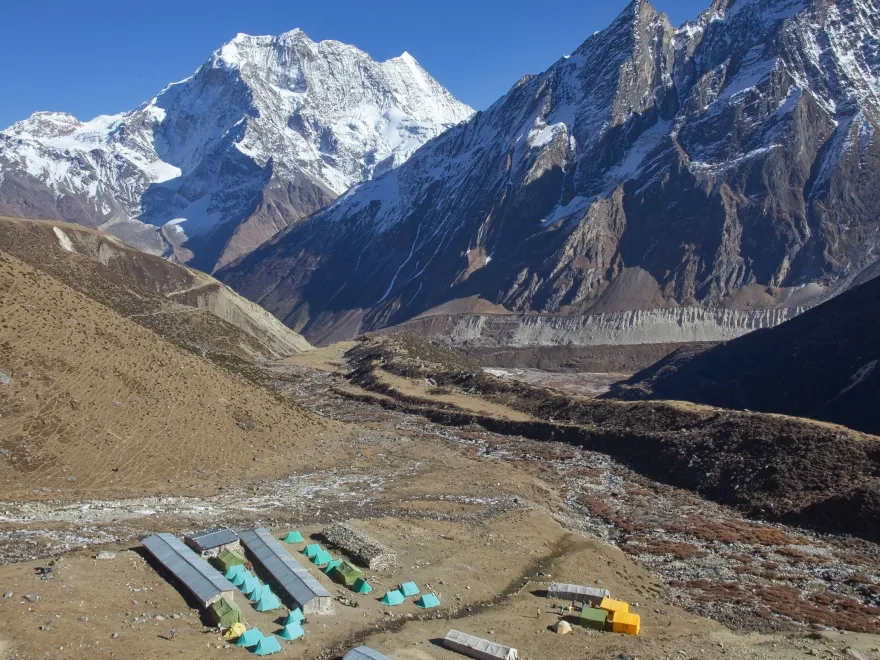
Discover the hidden beauty of Nepal with the Tsum Valley Trek by Everest Extreme Adventure. Explore ancient monasteries, traditional Tibetan-influenced villages, breathtaking Himalayan landscapes, and sacred pilgrimage trails on an unforgettable 20-day cultural and trekking adventure.
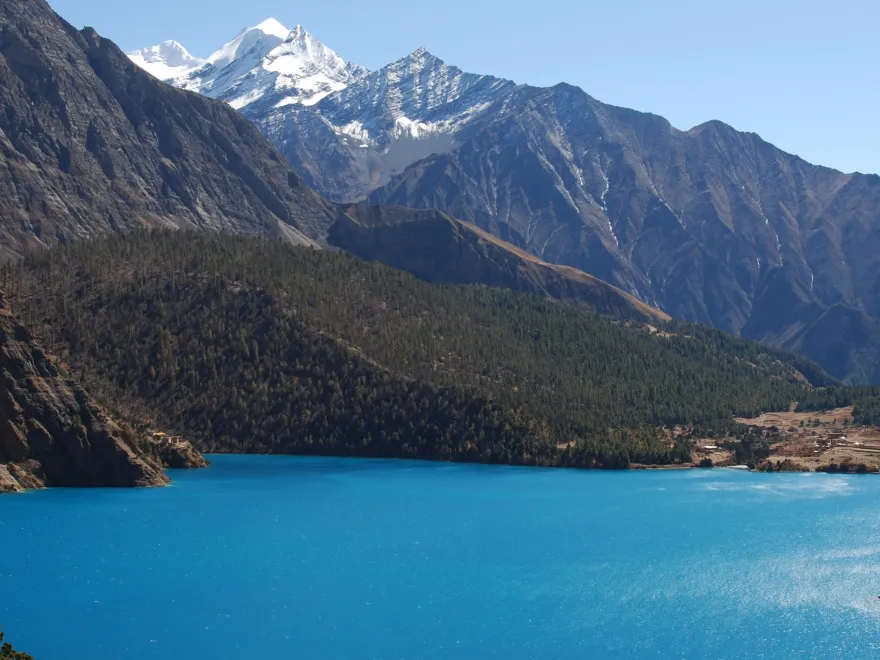
Indulge in adventurous trekking to one of the remotest regions in Nepal –Tsum Valley in the Gorkha District. One of the least traversed trails is home to the Tsumba tribe of People. Explore the scenic Buddhist Pilgrimage trail of Kyimu Lung and witness the highest monastery of Mu Gompa (3700m).
Tsum Valley is one of the recently opened trekking trails. The restricted region opened for the tourists in 2008. Lying in the northernmost part of the historical Gorkha District, the trek takes you through the lush forested trail towards the snow-capped region.
Explore the scenic Kyimu Lung pilgrimage route that celebrates the legacy of the Buddhist Saint Milarepa. The proximity to Tibet in the north has influenced the local lifestyle, culture, occupation, and architecture in the region. Enjoy the majestic mountainous scenery, including the pristine peaks of Ganesh Himal, Sringi Himal, and Boudha Himal.
The 19-day trek begins upon your arrival in Kathmandu. Embark on a 9-hour long road journey along the massive Trishuli River and Budi Gandaki River to reach Arughat Bazaar. The trek advances along with the beautiful, traditional villages and enters the Lower Tsum Valley.
Walk past the beautiful settlements of Soti Khola, Machha Khola, Jagat, and Chisopani. The trail leaves the forested path and heads into the rocky and snow-capped valley of Upper Tsum. Trek past Chumling, Chhokangparo, and Nile villages along the beautiful Shiar River to reach Mu Gompa, the largest and the highest Buddhist monastery in the region.
Explore the historical Kyimu Lung pilgrimage trail as you make your way through Tsumba villages. Witness the beautiful Tibetan-styled villages and the local Tsumbas indulged in their daily chores. Retrace your path through Lower Tsum and head towards Arughat Bazaar. The trip concedes upon your return to Kathmandu.
Embark on an adventurous Tsum Valley Trek with Everest Extreme Adventure. We specialize in all kinds of treks, including popular and off-beat treks. Choose to join our fixed group or undertake an entirely private trip. Our full-board trip comes with entire transportation, three meals a day, a restricted area permit, an experienced guide, and staff.
Everest Extreme Adventure aims to make your journey memorable through itinerary planning, local logistical support, and guidance throughout the trekking experience. The Tsum Valley Trek is particularly suitable for travelers interested in cultural exploration, peaceful Himalayan landscapes, and a more remote trekking experience.
Choosing the right season is essential for enjoying the Tsum Valley Trek safely and comfortably. Because the route reaches approximately 3,700 meters at Mu Gompa, weather conditions, trail accessibility, visibility, and temperature can significantly influence the trekking experience. The most favorable periods are generally spring (March to May) and autumn (September to November). During these seasons, trekkers can usually enjoy more stable weather, clearer mountain views, and comfortable conditions for walking through villages and highland landscapes.
Spring is an excellent time to explore the Tsum Valley because the lower hills become greener, forests begin to bloom, and the weather gradually warms. The trail passes through beautiful natural scenery, making this season attractive for photographers and nature lovers. Daytime temperatures are often pleasant at lower elevations, although mornings and nights can remain cold at higher altitudes. Spring is also suitable for travelers who enjoy observing the changing Himalayan landscape and experiencing local village life during a lively time of year.
Autumn is another highly recommended season, especially from late September through November. Following the summer monsoon, the skies often become clearer, and mountain views can be particularly impressive. The trails may be drier, and the comfortable daytime conditions are generally favorable for long trekking days. Autumn is also a popular trekking season in Nepal, so arranging accommodation, transportation, and a suitable guide in advance is recommended.
Winter, from December to February, can bring freezing temperatures, snow, and difficult conditions at higher elevations. Although the valley can be beautiful during winter, cold weather and limited services may make the trek more demanding. The monsoon season, usually from June to August, brings heavy rainfall, muddy paths, slippery trails, and a greater risk of landslides in lower sections. Road transportation can also be affected by rainfall.
Best seasons at a glance:
Everest Extreme Adventure recommends selecting your departure dates according to your fitness, travel preferences, and weather conditions. Our team can help you plan the trek during a suitable season and prepare the equipment and arrangements needed for the route. However, mountain weather can change quickly, so no season guarantees completely clear skies or uninterrupted trail access.
The Tsum Valley Trek is generally considered a moderate to challenging trekking adventure because of its duration, daily walking hours, remote location, and gradual increase in altitude. The 20-day itinerary includes several trekking days lasting approximately four to seven hours, with a few longer days involving demanding terrain. Although the route does not require technical climbing skills under normal conditions, trekkers should be prepared for uneven stone steps, narrow trails, suspension bridges, steep ascents and descents, and sections that may become slippery after rain.
Altitude is an important consideration during this trek. The itinerary progresses from the lower river valleys to Chhokangparo at around 3,010 meters, the Nile at approximately 3,361 meters, and Mu Gompa at approximately 3,700 meters. Walking at these elevations can be physically demanding, particularly for people who are not accustomed to high-altitude environments. The itinerary includes an acclimatization day at Mu Gompa, which allows time to rest and explore the surrounding area. Nevertheless, altitude sickness can affect anyone, regardless of age or fitness, so a gradual pace, adequate hydration, and attention to symptoms are essential.
Trekkers should prepare by undertaking regular walking, hiking, stair climbing, or cardiovascular exercise in the weeks before departure. Carrying a comfortable daypack, using well-broken-in trekking boots, and bringing suitable layered clothing can make the experience more manageable. Everest Extreme Adventure can help coordinate the trekking arrangements and provide guidance on pacing, equipment, and preparation.
Transportation is another important part of the journey. The trek begins with a road journey from Kathmandu to Arughat Bazaar, followed by a transfer toward the trailhead at Soti Khola, depending on the final transport arrangements and road conditions. The itinerary then continues on foot through the Budhi Gandaki River corridor and into the Tsum Valley. After completing the trekking section, you return toward Arughat Bazaar and travel by road back to Kathmandu.
Difficulty and transportation highlights:
With Everest Extreme Adventure, travelers can plan their transportation and trekking logistics before departure. Road conditions in remote Nepal can change because of weather, landslides, and maintenance, so journey times may vary from the estimated schedule. Flexibility and appropriate preparation are important for completing the trek comfortably.
Food and accommodation are important parts of the Tsum Valley Trek, especially because the route passes through remote mountain settlements where facilities are more basic than those in Kathmandu or major trekking destinations. In Kathmandu, trekkers generally stay in a hotel with private rooms and access to restaurants, shops, and other urban facilities. During the trek, accommodation is usually provided in local teahouses or guesthouses, depending on availability in each village. These establishments offer a welcoming opportunity to experience local hospitality while resting after a day on the trail.
Teahouse rooms are generally simple and practical, often furnished with beds, mattresses, pillows, and blankets. Bathrooms may be shared, and hot showers, charging facilities, and reliable internet access can be limited or available at an additional cost. As the trek enters more remote areas, accommodation choices become fewer, and room availability can depend on the season and the number of visitors. Trekkers should bring a suitable sleeping bag, particularly during spring and autumn at higher elevations and during any colder period.
Meals on the trail commonly include traditional Nepali dishes and basic international-style options. Dal bhat, consisting of rice, lentil soup, and vegetables, is a popular choice because it provides energy for long trekking days. Other available meals may include noodles, soups, potatoes, fried rice, Tibetan-style bread, porridge, eggs, and momos, depending on the village and teahouse. Food variety generally becomes more limited farther into the valley, so travelers should be flexible with their meal choices.
Staying hydrated is essential throughout the trek. Trekkers should drink sufficient fluids and use safe drinking water, such as properly treated, filtered, or boiled water. Bringing reusable water bottles and suitable purification tablets or a filter can be helpful. It is also advisable to carry a few personal snacks, such as energy bars, nuts, or dried fruit, for long walking days. Travelers with dietary restrictions should inform Everest Extreme Adventure in advance so that suitable arrangements can be discussed with the accommodation providers.
Food and accommodation highlights:
Everest Extreme Adventure can help coordinate meals and accommodation according to the selected package and local availability. Travelers should confirm in advance whether meals, drinks, hot showers, charging, and accommodation costs are included, as these services may vary between packages. A flexible attitude and respect for local customs will help you enjoy the hospitality and culture of the Tsum Valley.
The Tsum Valley Trek takes place in a restricted trekking area of northern Gorkha, close to the Tibetan border. Because the region is culturally sensitive and environmentally important, trekkers must obtain the appropriate permits before entering the restricted area. Permit requirements are different from those for many ordinary trekking routes in Nepal, so it is important to arrange the necessary documentation before leaving Kathmandu. Travelers should also confirm the current regulations with the relevant Nepalese authorities or a registered trekking agency, as fees and administrative procedures can change.
The principal permit for this journey is the Tsum Valley Restricted Area Permit (RAP). Depending on the exact itinerary and the current regulations, trekkers may also need the Manaslu Conservation Area Permit (MCAP) and other applicable documentation for the route. If the itinerary extends into areas requiring additional permits, such as the Manaslu Circuit beyond the Tsum Valley route, the relevant requirements must be checked separately. Permit fees can vary according to the season, duration of stay, and the specific restricted area regulations in effect at the time of travel.
Restricted-area trekking rules generally require travelers to arrange the trek through an authorized trekking agency and travel with a licensed guide. Independent trekking without the required arrangements is not permitted under the applicable restricted-area rules. Group requirements, guide arrangements, and documentation should be confirmed before booking. Passport details, valid visas, passport-sized photographs where required, and accurate travel dates may be needed for the application process.
Everest Extreme Adventure can assist with checking the applicable permit requirements and coordinating the paperwork as part of the trekking arrangements. It is advisable to provide the necessary documents well before departure to avoid delays. Travelers should also carry copies of their passport and permit documentation during the trek, as checks may take place along the route.
Important permit information:
Permit costs and inclusions should be confirmed with Everest Extreme Adventure when booking the trek. Travelers should not rely on outdated fee information, particularly when planning an international trip. Proper documentation ensures that your journey follows the relevant regulations and helps you explore this special Himalayan region responsibly.
Choosing the right trekking company can make a significant difference to your experience in a remote Himalayan destination. The Tsum Valley Trek involves long walking days, road transportation through mountainous terrain, altitude considerations, and travel through communities where facilities are limited. Everest Extreme Adventure can help you organize these essential elements into a well-planned trekking journey, allowing you to focus on the landscapes, cultural encounters, and personal achievements that make the adventure special.
The 20-day itinerary offers a comprehensive introduction to the Tsum Valley, beginning with your arrival in Kathmandu and ending with your international airport transfer. It includes time for Kathmandu sightseeing and a pre-trek meeting, road travel to Arughat Bazaar, trekking through traditional settlements, exploration of Mu Gompa, an acclimatization day, and the return journey to Kathmandu. This schedule gives travelers the opportunity to experience the region gradually rather than rushing through its cultural and natural highlights.
A major attraction of the trek is its rich cultural heritage. Tsum Valley is home to Tibetan Buddhist traditions, ancient monasteries, prayer flags, mani walls, and villages that preserve distinctive architectural and social customs. The journey also passes through forests, rivers, terraced hillsides, and increasingly dramatic mountain landscapes. For travelers who prefer less-crowded trails and meaningful cultural encounters, the route provides a rewarding alternative to some of Nepal's busier trekking destinations.
Everest Extreme Adventure can assist with itinerary planning, guide arrangements, permit coordination, transportation, and accommodation, depending on the selected package. Clear communication before departure helps travelers understand the daily walking schedule, expected facilities, inclusions, exclusions, and equipment requirements. A well-organized plan is particularly valuable in remote regions, where weather and road conditions may require flexibility.
Reasons to choose Everest Extreme Adventure:
The Tsum Valley Trek is more than a mountain walking adventure; it is an opportunity to experience a remote corner of Nepal where nature, spirituality, and traditional culture remain closely connected. With thoughtful preparation and the right support, the journey can become a memorable highlight of your travels in the Himalayas.
By choosing Everest Extreme Adventure, you can work with a trekking team to plan your route, understand the practical requirements, and prepare for the challenges of the journey. Whether your main interests are mountain scenery, Buddhist heritage, traditional villages, or exploring a less-traveled region of Nepal, the Tsum Valley Trek offers a distinctive Himalayan experience worth discovering.
The 20-day Tsum Valley Trek with Everest Extreme Adventure offers an unforgettable journey into one of Nepal’s most remote and culturally fascinating Himalayan regions. Your adventure begins in Kathmandu with sightseeing and trek preparation before a scenic drive to Arughat Bazaar. The trek continues through Soti Khola, Machha Khola, Jagat, Chisopani, and traditional Tsumba villages, surrounded by lush forests, dramatic river valleys, and magnificent mountain scenery.
Explore the ancient Buddhist heritage of Chumling, Chhokangparo, and the Nile before reaching Mu Gompa at 3,700 meters. Enjoy a dedicated acclimatization day, visit sacred monasteries, and experience authentic local traditions. The return journey passes through beautiful mountain settlements before driving back to Kathmandu, completing an incredible Himalayan adventure filled with cultural discoveries, natural beauty, and memorable trekking experiences.
Tsum Valley Trek begins upon our arrival in Nepal. We’ll receive you outside Tribhuvan International Airport and drive you to one of the most beautiful hotels in Kathmandu City. Upon arrival, you can enjoy your refreshment. Afterward, you’ll visit our office to discuss the trek in detail. Visit the local outdoor gear shop to buy or rent necessary trek gear and equipment. Overnight in Kathmandu.
The day begins with a delicious breakfast overlooking the mountainous panorama. Your guide will visit the appropriate government offices to get the necessary permit. In the meantime, you’ll embark on a scenic sightseeing tour.
The well-guided tour takes you to some of the most famous UNESCO World Heritage Sites. Visit the popular monastic destinations of Swayambhunath and Boudhanath Stupa; encircle the entire Pashupatinath Temple (the most significant Hindu Temple in the country), and explore the historical site of Kathmandu Durbar Square. Overnight in Kathmandu.
Enjoy a delicious breakfast and then embark on a private jeep. Begin driving along the massive Trishuli River and take a detour to the north along the Budi Gandaki River. Almost 8-hour long drive will take your 126km northwest of Kathmandu to Arughat Bazaar. Arughat lies in the bustling part of the Gorkha District. The historical Gorkha district is home to the pristine Tsum Valley. You’ll begin trekking along the foothills of Ganesh Himal. Overnight in Arughat Bazaar.
Leaving Arughat Bazaar, you’ll embark on the first day of the trek. Begin climbing along the beautiful terraced fields and small streams towards Soti Khola. The half-day long trek takes you over few suspension bridges and along Budi Gandaki River. A short hike will take you past Shanti Bazar towards Arkhet Khola. A short uphill walk along the cascading waterfall at Kuerepani will take you to Soti Khola. Overnight in Soti Khola.
Leaving Soti Khola, you’ll embark on a short trek towards Machha Khola. The trail climbs almost 177 meters in altitude. Begin climbing through the lush Sal forest and upstream along the Budi Gandaki River. A short detour along the Budi Gandaki River will bring you to the Gurung village of Lapubesi. After enjoying a delicious lunch, you’ll continue on the trail and trek along the banks of Budi Gandaki River towards Machha Khola village. Overnight in Machha Khola.
Leaving Machha Khola, you’ll begin climbing along the beautiful terraced fields towards the steep ridges. Cross the massive Tharo Khola to reach Khorlabesi. Here on, the trail becomes to rise and fall along the Budi Gandaki River. A short downhill hike will bring you to Tatopani. Famous for its natural hot-spring, you can choose to take a dip to relieve your body pain. Enjoy a delicious lunch and then continue trekking past Dobhan, Duman, and Tharo Bharyang village to reach Jagat. Overnight at Jagat.
Jagat marks the entry to Annapurna Conservation Area (ACAP). Get your permits checked before embarking on a trek to Chisopani village. Leaving Jagat, you’ll begin climbing along the rocky ridges towards Salleri village. The trail here on descends the village of Sirdibas. Continue trekking along the open grassland towards Ghatta Khola. After lunch, continue trekking alongside the small stream towards Philim. Walk past the largest Gurung village of Philim to arrive at Chisopani. Overnight in Chisopani.
Leaving Chisopani, you’ll begin trekking into the pristine Tsum valley. Begin climbing along through the lush pine forests and head towards Lokpa. Continue along the trail overlooking the majestic sights of Himalchuli (7893m) and Boudha Himal. A short hike will bring you to Lungwa Khola. Enjoy a short trek through the deep pine and rhododendron forests to reach Chumling. Overnight in Chumling
Leaving Chumling, you’ll begin tracing the old Buddhist pilgrimage route to Kyumi Lung. The half-day trek takes you into Upper Tsum Valley. Begin climbing towards Rainjam village and make a short ascent to Gho village. The trail offers a majestic view of Ganesh Himal. Witness the beautiful Tibetan-styled villages and the daily lifestyle of Tsumbas as you make your way towards Chhokangparo village. Overnight in Chhokangparo.
The trail leading from Chhokangparo will begin climbing upstream along the Shiar Khola. The trail becomes sparse with less vegetation. Make a short hike towards the Lamagaon, where you’ll find many Buddhist nuns. Cross a small bridge to reach Rachen Gompa, an only nunnery in the area. Enter the nunnery and explore the daily lifestyle of the nuns. Enjoy a warm lunch and a cup of Tibetan tea before continuing on your trail. The trail goes past Lar village and climbs through Phurbe, Pangdun, and Chule village to reach the Nile. Overnight in the Nile.
The trek materializes today as you leave the Nile and head towards Mu Gompa. Walk along the rock and snow moraines towards Mu Gompa or Mu Monastery nestled on the glacier. The highest point of the trek, Mu Gompa lies close to Tibet in the north. A 3-hour trek will bring you to Mu Gompa. Spend the day witnessing the grandeur of the Himalayan valley and equally beautiful Mu Gompa. Make a short trek towards the nearby Dhephu Doma Gompa. Overnight in Mu Gompa.
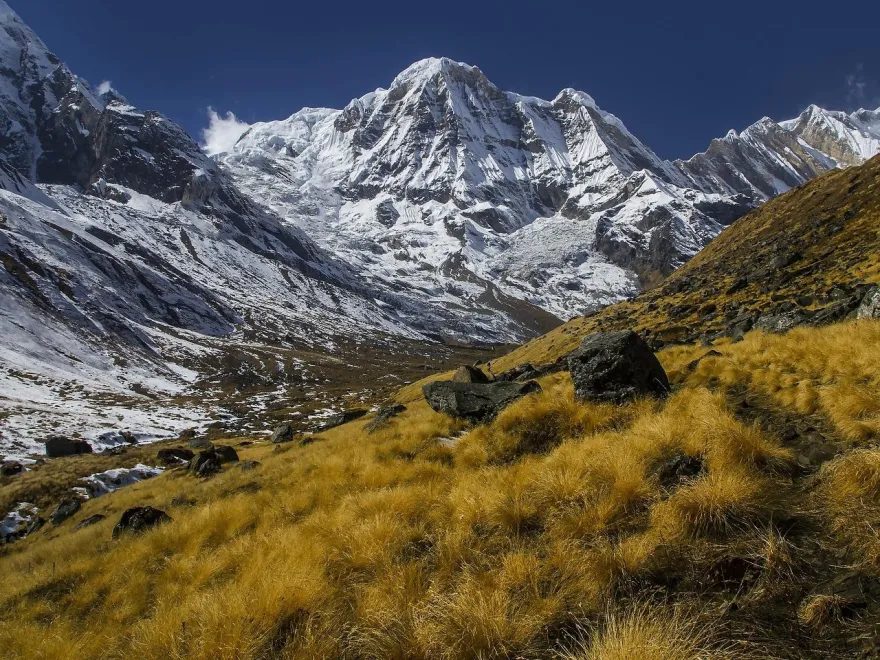
You’ll spend the day exploring the beautiful Upper Tsum Valley. Leaving Mu Gompa, you’ll begin climbing towards Pika Himal. Measuring 4,865 meters, Pika Himal is a local peak located few kilometers from Mu Gompa. Catch the beautiful sights of Mu Gompa, Shiar Khola, and few mountains from the top. Spend the rest of the day exploring the monastery and interacting with the monks. Overnight in Mu Gompa.
Leaving Mu Gompa, you’ll begin climbing down the Upper Tsum Valley. Retrace your path and begin heading down to Chhule and Phurbe villages. Enjoy a delicious lunch, and begin climbing down towards Burgi village. En route to Burgi, you will make a brief stop at the Milarepa’s Cave (Piren Phu). Catch the magnificent sights of Poshyop Glacier, Kipu Himal, and Churke Himal en route to Burgi village.
Leaving Burgi, you’ll begin climbing down to Lower Tsum Valley. The trail begins to climb down through deep pine and rhododendron forests towards Chhokangparo. Exit Upper Tsum and head towards a local monastery in the village of Gho. Enjoy a delicious lunch, and then continue en trail towards Chumling village. The trail advances along the Sarpu Khola towards Chumling village. Overnight at Chumling.
Leaving Chumling, you’ll further climb down towards Philim village. Walk past the forested ridges to reach Lokpa village overlooking the beautiful Samba Falls and mountains. Almost 7-hour into the trek, you’ll arrive at Gurung village of Philim. It is the largest Gurung village in the region. Overnight in Philim.
Leaving Philim, you’ll begin descending along the Dobhan Khola towards Jagat. Walk past Tatopani villages to reach Khorlabesi. Enjoy a delicious lunch at Sirdibas village before continuing along the trail. Walk past beautiful terraced fields towards Khorlabesi village. Overnight in Khorlabesi.
Exit Khorlabesi and begin climbing downhill towards Tharo Khola. Walk past Machha Khola along the Budi Gandaki River towards Lapubesi village. Enjoy a delicious lunch, and then continue trekking alongside two large waterfalls to reach Khursane. A short downhill trek will bring you to Soti Khola village
On the last day of the trek, you’ll exit Soti Khola and head back to Arughat. Begin climbing downstream along the Budi Gandaki River towards Kyoropani. The trail continues past traditional villages towards Arughat Bazaar. Upon arrival, you can enjoy the completion of the trek with your team. Overnight in Arughat.
Enjoy a delicious breakfast at Arughat Bazaar. Today, you’ll Arughat and begin driving towards Kathmandu City. The scenic 8-hour journey goes along the Budi Gandaki River towards the Prithvi Highway. Continue driving along the massive Trishuli River to reach Kathmandu Valley. We’ll transfer you to your hotel. In the evening, we’ll take you for a delicious farewell dinner in one of the finest diners.
Today is the last day in Kathmandu. You can choose to go around shopping for souvenirs or explore some of the tourist sites. We’ll drop you off at the airport just in time of your flight back home.
The Tsum Valley Trek generally takes around 20 days, following the itinerary organized by Everest Extreme Adventure. The journey includes arrival and departure in Kathmandu, cultural sightseeing, road transportation to the trekking region, trekking through traditional Himalayan villages, exploration of Mu Gompa, and the return journey. The schedule also includes an acclimatization day at Mu Gompa to allow time for rest and exploration. Actual duration may vary depending on road conditions, weather, individual walking pace, and any necessary itinerary adjustments.
The Tsum Valley Trek is generally considered a moderate to challenging adventure because of its remote location, long walking days, uneven terrain, and increasing altitude. Trekkers typically walk for four to seven hours on many trekking days, crossing suspension bridges, stone steps, forest trails, and mountain paths. Reaching Mu Gompa at approximately 3,700 meters requires appropriate preparation and awareness of altitude-related risks. Previous trekking experience is beneficial but not always essential for fit and well-prepared travelers. Everest Extreme Adventure recommends regular physical exercise before departure and maintaining a comfortable walking pace throughout the journey.
The highest scheduled destination in this itinerary is Mu Gompa, situated at approximately 3,700 meters above sea level. Reaching this elevation provides opportunities to explore the surrounding mountain landscape and experience the spiritual atmosphere of one of the region’s important Buddhist destinations. Although this altitude is lower than many Himalayan trekking summits, altitude sickness remains possible. Trekkers should ascend gradually, drink sufficient fluids, avoid overexertion, and report symptoms such as headaches, nausea, dizziness, or unusual fatigue to their guide. Everest Extreme Adventure includes an acclimatization day at Mu Gompa, but no itinerary can eliminate altitude-related risks entirely.
Previous trekking experience is helpful but is not necessarily required for the Tsum Valley Trek. Travelers with good general fitness, determination, and a willingness to walk for several consecutive days may be able to complete the journey with appropriate preparation. However, the remote terrain, long walking hours, basic accommodation, and altitude make this trek more demanding than an ordinary sightseeing holiday. Beginners should prepare with regular walking, hiking, stair climbing, and cardiovascular exercise before departure. Everest Extreme Adventure can provide guidance on physical preparation, equipment, and daily trekking expectations so that you understand the challenges before beginning your Himalayan adventure.
Everest Extreme Adventure can help organize your Tsum Valley Trek by coordinating itinerary planning, guide arrangements, permit assistance, transportation, and accommodation according to your selected package. The company’s planned 20-day itinerary combines Kathmandu sightseeing, traditional village visits, Himalayan trekking, Buddhist cultural experiences, and exploration of Mu Gompa. Having the main logistics arranged in advance can make travel through this remote region easier to manage. Before booking, travelers should confirm the included services, total price, group arrangements, cancellation terms, and safety procedures. With thoughtful preparation and responsible trekking practices, the Tsum Valley Trek offers a memorable opportunity to discover Nepal’s distinctive Himalayan landscapes and cultural heritage.
Packing appropriate clothing and equipment is essential for comfort during the 20-day Tsum Valley Trek. Recommended items include sturdy trekking boots, moisture-wicking base layers, warm fleece or insulated jackets, waterproof outerwear, trekking trousers, warm gloves, a hat, sunglasses, sunscreen, and a comfortable daypack. A sleeping bag suitable for cold mountain nights, a reusable water bottle, water purification supplies, personal medication, toiletries, and basic first-aid items are also useful. Conditions can change significantly between lower villages and Mu Gompa, so layering is important. Everest Extreme Adventure can provide a more detailed packing checklist based on your departure season and the services included in your package.
The Tsum Valley Trek can be a rewarding experience when travelers prepare carefully, follow local guidance, and respect the challenges of a remote mountain environment. Potential risks include altitude sickness, changing weather, slippery trails, landslides, and limited medical facilities. Trekkers should carry suitable clothing, sturdy footwear, personal medication, and a basic first-aid kit. Following the guide’s instructions and allowing adequate time for acclimatization are important safety measures. Everest Extreme Adventure can help coordinate trekking logistics and provide practical guidance before and during the journey. Travelers should also consider suitable travel insurance that covers high-altitude trekking and emergency helicopter evacuation where applicable.
The best seasons for the Tsum Valley Trek are generally spring, from March to May, and autumn, from September to November. These periods usually offer favorable trekking conditions, comfortable daytime temperatures, and clearer mountain views. Spring brings blooming vegetation and colorful landscapes, while autumn often provides excellent visibility after the monsoon season. Winter can be extremely cold at higher elevations, and summer monsoon rainfall may cause muddy trails and landslides. Everest Extreme Adventure recommends selecting travel dates according to weather conditions, personal preferences, and the latest local trekking information.
The journey begins with road transportation from Kathmandu toward Arughat Bazaar, followed by onward travel toward Soti Khola or the designated trailhead according to the itinerary and road conditions. The drive passes through rural settlements, hills, river valleys, and scenic countryside. Road journeys in this region can be long and sometimes uncomfortable because of rough or unpaved sections. After completing the trek, travelers return toward Arughat Bazaar and drive back to Kathmandu. Everest Extreme Adventure can coordinate the transportation arrangements included in your package. Travel times may vary because of traffic, weather, road maintenance, and landslides.
Yes, permits are required because Tsum Valley is a designated restricted trekking area in Nepal. The principal document is the Tsum Valley Restricted Area Permit, and additional permits, such as the Manaslu Conservation Area Permit, may be required depending on the exact route and current regulations. Restricted-area trekking rules generally require an authorized trekking agency and a licensed guide. Everest Extreme Adventure can assist with checking the applicable requirements and coordinating the permit arrangements. Travelers should provide their passport details and other required documents in advance, as permit fees, group rules, and administrative procedures may change.
Accommodation during the Tsum Valley Trek is generally provided in local teahouses and mountain guesthouses, while hotels are commonly used in Kathmandu. Teahouses offer basic rooms with beds, mattresses, pillows, and blankets, although facilities become simpler in more remote villages. Bathrooms may be shared, and hot showers, electricity, and internet access may be limited or require additional payment. Availability depends on the season and village. Everest Extreme Adventure can coordinate accommodation according to your selected package. Bringing a suitable sleeping bag is recommended because nighttime temperatures can drop significantly, particularly at higher elevations.
Trekkers can enjoy a variety of traditional Nepali meals and simple international-style dishes along the route. Common options include dal bhat, rice, lentils, vegetable curries, noodles, soups, potatoes, eggs, porridge, and Tibetan-style bread. Momos and other local specialties may also be available in some villages. Food choices generally become more limited as you travel deeper into Tsum Valley because of the remote location. Everest Extreme Adventure can help communicate dietary preferences to local accommodation providers. Travelers should carry personal snacks if desired and drink properly treated, filtered, or boiled water throughout the trek.
| No of people | Price per person |
|---|---|
| 1 - 1 | $6,050 |
| 2 - 4 | $5,700 |
| 5 - 9 | $5,650 |
| 10 - 15 | $5,600 |
| 16 - 20 | $5,550 |