Group Adventure Dates.  4.9 of 489 reviews
 4.8 of 232 reviews
4.9 of 489 reviews 4.8 of 232 reviews 
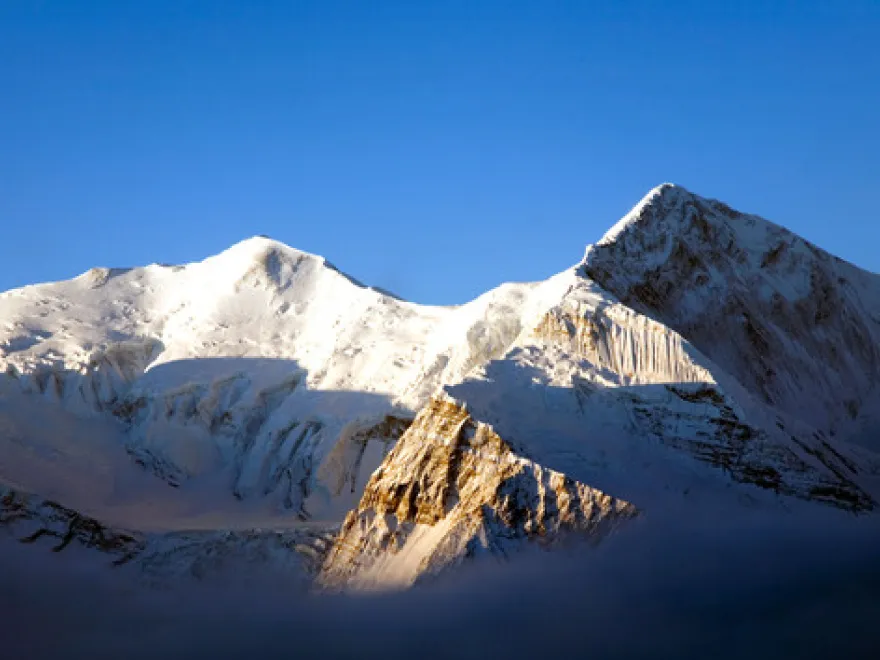
Join Everest Extreme Adventure for an unforgettable 21-day Chulu West Peak Climbing expedition in Nepal. Summit the spectacular 6,419m peak, explore the Annapurna region, experience high-altitude camping, and cross the legendary Thorong La Pass on this incredible Himalayan adventure.
Chulu West Peak Climbing is an exciting Himalayan mountaineering adventure in Nepal that combines the spectacular scenery of the Annapurna region with the challenge of climbing a 6,419-meter (21,061-foot) Himalayan peak. Organized by Everest Extreme Adventure, this 21-day expedition is designed for trekkers and aspiring mountaineers who want to experience high-altitude climbing, traditional mountain villages, dramatic landscapes, and the famous Thorong La Pass. The journey begins in Kathmandu, the vibrant capital of Nepal, before continuing by road to Besisahar and Dharapani, where the trekking section gradually leads into the beautiful Annapurna region.
The first part of the itinerary follows scenic mountain trails through Chame, Upper Pisang, Manang, and Leder. Along the way, trekkers experience pine forests, traditional settlements, Buddhist monasteries, prayer flags, and impressive views of the Annapurna and surrounding Himalayan ranges. An acclimatization day in Manang helps the body adjust to increasing elevations before the route continues to Chulu West Base Camp. The climbing section includes establishing higher camps, practicing mountaineering techniques, resting for acclimatization, and preparing for the summit attempt.
The summit day is the main highlight of the expedition, offering experienced climbers and properly prepared beginners an opportunity to challenge themselves on a demanding Himalayan peak under appropriate professional guidance. After reaching the summit, the descent leads back toward Leder and onward to Thorong Phedi. Crossing Thorong La Pass at 5,416 meters adds another memorable high-altitude experience before the route descends to Muktinath and continues to Jomsom. The expedition concludes with a flight to Pokhara and a drive back to Kathmandu.
With Everest Extreme Adventure, Chulu West Peak Climbing offers a combination of trekking, mountaineering, cultural discovery, and Himalayan adventure. Good physical preparation, appropriate equipment, sufficient acclimatization, and a flexible itinerary are essential for making the expedition safer and more rewarding.
Choosing the right season is one of the most important considerations when planning Chulu West Peak Climbing. Weather conditions, snowfall, wind speed, trail accessibility, and visibility can significantly affect both the trekking experience and the summit attempt. In Nepal, spring (March to May) and autumn (September to November) are generally the most favorable seasons for climbing in the Annapurna region. These periods often offer relatively stable weather, clearer mountain views, and suitable conditions for trekking and high-altitude mountaineering, although conditions on Chulu West can change rapidly.
Spring is an excellent choice for climbers who enjoy gradually warming temperatures and longer daylight hours. During this season, the lower trekking trails become greener, rhododendron forests begin to bloom, and the surrounding Himalayan peaks often appear beautifully against clear skies. However, snow conditions at higher elevations vary, and climbers may encounter icy slopes, strong winds, or fresh snowfall near the summit. Everest Extreme Adventure can help plan the itinerary according to the seasonal conditions and the team's experience, while allowing sufficient time for acclimatization and climbing preparation.
Autumn is another popular season because the monsoon generally retreats before September, leaving many trails cleaner and mountain views clearer. October and early November are often attractive months for trekking through Manang and attempting high-altitude peaks. The weather can nevertheless become cold at night, especially at Base Camp, Camp I, and Camp II. Strong winds, sudden temperature drops, and snowfall remain possible even during the preferred climbing seasons.
Winter and the monsoon season are generally less suitable for this expedition because of the increased likelihood of harsh weather, deep snow, difficult trail conditions, or reduced visibility. Winter can bring severe cold and challenging summit conditions, while monsoon rain may affect the lower trekking routes and road journeys.
Recommended seasons:
For the best experience, Everest Extreme Adventure recommends choosing dates with suitable seasonal conditions while remaining flexible enough to accommodate weather-related delays. The final decision should be based on current mountain forecasts, snow conditions, and advice from the climbing guide.
Chulu West Peak Climbing is a challenging high-altitude expedition that requires considerably more preparation than an ordinary trekking holiday. Although the approach follows established trekking trails in the Annapurna region, the climbing section involves elevations above 5,000 meters, overnight stays at high camps, and a summit attempt at 6,419 meters. At these altitudes, oxygen availability is significantly reduced, temperatures can drop sharply, and even moderate physical activities become more demanding. Climbers should be prepared for long walking days, steep terrain, rocky sections, snow, ice, and potentially exposed slopes.
Previous mountaineering experience is highly beneficial, particularly for understanding crampon use, ice-axe techniques, rope travel, and movement on snow-covered terrain. Beginners may be able to participate if they are physically fit, properly trained, and supported by qualified climbing professionals, but the expedition should not be considered an easy introductory trek. Cardiovascular fitness, leg strength, endurance, and the ability to carry a daypack are important. Training with uphill hikes, stair climbing, strength exercises, and longer walks before departure can improve readiness.
Acclimatization is another essential part of the itinerary. The schedule includes a rest day in Manang, time at Camp I, and a planned contingency day at Leder. These days help accommodate the physiological demands of altitude and provide some flexibility if conditions change. However, no itinerary can eliminate the risk of acute mountain sickness or other serious altitude-related illnesses. Climbers must report symptoms promptly and follow their guide's decisions regarding rest, descent, or medical assistance.
Transportation is also an important component of the adventure. The journey begins with arrival at Tribhuvan International Airport in Kathmandu, followed by a drive to Besisahar and a further drive to Dharapani. Depending on road conditions, vehicle arrangements, and local regulations, some sections may be rough, dusty, or affected by landslides. After completing the trek and crossing Thorong La Pass, the itinerary continues through Muktinath to Jomsom, followed by a flight to Pokhara and a drive back to Kathmandu.
Difficulty and transportation highlights:
Everest Extreme Adventure can coordinate transportation and climbing logistics while prioritizing safety, proper acclimatization, and realistic summit planning. Climbers should be ready for changes to the schedule when weather, health, or mountain conditions make adjustments necessary.
Food and accommodation are important parts of the Chulu West Peak Climbing experience because sufficient nutrition, hydration, rest, and recovery are essential at high altitude. During the trekking section, accommodation is generally provided in local teahouses or mountain lodges in villages such as Dharapani, Chame, Upper Pisang, Manang, Leder, and Thorong Phedi, depending on availability and the final itinerary. These lodges offer a practical opportunity to experience local hospitality and learn about the culture and traditions of communities in the Annapurna region.
Teahouse facilities become more basic as the route moves farther from larger settlements. Rooms are commonly simple, with twin beds, mattresses, pillows, and blankets, while bathroom facilities may be shared. Hot showers, charging facilities, and Wi-Fi may be available at additional cost in some villages but cannot be guaranteed everywhere. At Chulu West Base Camp and the higher camps, accommodation generally involves expedition tents, sleeping mats, and suitable high-altitude sleeping bags. The exact camping arrangements depend on the expedition setup, weather, and available facilities.
Meals during the trekking portion usually feature a mixture of Nepali, Tibetan-influenced, and international dishes. Dal bhat, consisting of rice, lentil soup, and vegetables, is a popular option because it provides energy and can often be refilled at trekking lodges. Other common meals include noodles, soups, fried rice, potatoes, eggs, porridge, pancakes, and bread. Tea, coffee, and other hot drinks are widely available in lower villages, although choices may become more limited at higher elevations.
During the climbing section, the expedition team typically arranges meals suitable for camping and high-altitude conditions. Food may include soups, rice, pasta, potatoes, porridge, hot drinks, and other energy-rich meals that are practical to prepare at camp. Appetite can decrease at altitude, so climbers should make a conscious effort to eat regularly and drink sufficient fluids. Those with vegetarian, vegan, or other dietary requirements should inform Everest Extreme Adventure in advance so that suitable arrangements can be discussed.
Food and accommodation highlights:
Everest Extreme Adventure aims to arrange practical accommodation and nutritious meals throughout the expedition. Climbers should bring suitable personal sleeping equipment if required by the confirmed package, along with snacks, water-treatment supplies, and any preferred dietary products that may be difficult to find in remote mountain areas. Package inclusions should be confirmed before departure, particularly for meals, bottled drinks, hot showers, charging, and personal expenses.
Chulu West Peak Climbing requires appropriate permits and documentation because the expedition combines mountaineering in the Annapurna region with a high-altitude summit attempt. The exact permits and fees depend on the applicable Nepalese regulations, the designated climbing route, the expedition dates, and the requirements of the relevant authorities. For this reason, climbers should confirm the current rules before departure rather than relying on permit information from previous seasons.
A climbing permit for Chulu West is a central requirement for the summit expedition. Nepal's mountaineering permit system is administered through the relevant government authorities, and permit requirements, fees, and administrative procedures can change. The appropriate permit must be secured for the intended peak and climbing period. Depending on the applicable rules, documentation may include passport details, photographs, a visa, expedition information, and other required forms. Climbers should provide accurate personal information early enough to allow the expedition organizer to complete the necessary arrangements.
The trekking route also passes through the Annapurna region, where conservation-area entry requirements apply. The Annapurna Conservation Area Permit (ACAP) is generally relevant for trekking in this region. Other trekking registration or documentation requirements may also apply according to the current regulations and the route being followed. These requirements should be checked with the relevant authorities or the expedition organizer before travel.
Everest Extreme Adventure can assist with the permit application process, explain the documentation required, and coordinate the administrative arrangements included in the package. Climbers should clarify whether climbing permits, conservation-area permits, government fees, administrative charges, and guide-related documentation are included in the quoted price. Keeping copies of passports, permits, travel insurance details, and emergency contact information is also recommended.
Important permit considerations:
Permit arrangements should be completed before entering the relevant trekking and climbing areas. Everest Extreme Adventure can guide climbers through the process, but the applicable requirements and fees should be reconfirmed for the intended departure date. Climbers should also ensure their insurance explicitly covers high-altitude mountaineering, emergency evacuation, and helicopter rescue where available and applicable.
Choosing the right expedition organizer is an important part of planning a successful Chulu West Peak Climbing adventure. A high-altitude expedition requires more than transportation and accommodation: it involves careful itinerary planning, acclimatization, climbing logistics, equipment coordination, experienced mountain leadership, and the ability to respond to changing weather or health conditions. Everest Extreme Adventure aims to bring these elements together to create a well-organized Himalayan experience that combines trekking, mountaineering, cultural exploration, and personal achievement.
One of the main attractions of this 21-day itinerary is its combination of scenic trekking and technical climbing. Rather than focusing exclusively on the summit, the journey allows climbers to experience the diverse landscapes of the Annapurna region, from forested valleys and traditional villages to the high-altitude environment surrounding Manang and Chulu West Base Camp. The planned acclimatization day in Manang, rest at Camp I, and contingency day at Leder provide useful opportunities to adjust the schedule when required. Nevertheless, actual acclimatization needs differ between individuals, and the guide should adapt the plan according to health, weather, and mountain conditions.
Everest Extreme Adventure can help coordinate road transportation, trekking accommodation, meals, camping logistics, permit arrangements, and the climbing support specified in the confirmed package. Clear communication before departure helps participants understand the itinerary, required equipment, expected physical demands, and costs that may not be included. Climbers can also seek guidance on preparing for the expedition through fitness training, equipment checks, and discussions about previous trekking or mountaineering experience.
Safety should remain a central consideration throughout the journey. Chulu West is a serious high-altitude undertaking, and summit success cannot be guaranteed. A responsible expedition approach includes monitoring for altitude-related illness, checking weather and snow conditions, using suitable equipment, and allowing the guide to make decisions based on actual conditions. The ability to turn around or descend when necessary is an essential part of safe mountaineering, not a failure.
Reasons to choose Everest Extreme Adventure:
By choosing Everest Extreme Adventure, climbers can plan their Chulu West expedition with a clearer understanding of the route, practical arrangements, and challenges involved. The combination of Himalayan scenery, remote mountain camps, traditional villages, and a demanding summit objective makes this journey a memorable adventure for appropriately prepared participants. Before booking, climbers should verify the company's current guide qualifications, group size, emergency procedures, insurance arrangements, equipment provisions, and written package inclusions so that expectations are clear from the beginning.
The Chulu West Peak Climbing itinerary by Everest Extreme Adventure is an exciting 21-day Himalayan adventure combining scenic trekking, cultural exploration, acclimatization, and high-altitude mountaineering. The journey begins in Kathmandu and continues through Besisahar, Dharapani, Chame, Pisang, and Manang, following the beautiful Annapurna Circuit. Along the way, trekkers experience traditional mountain villages, dramatic landscapes, Buddhist monasteries, and spectacular Himalayan panoramas while gradually adapting to increasing elevations.
The adventure continues to Chulu West Base Camp and higher camps, preparing climbers for the challenging summit attempt at 6,419 meters (21,061 feet). After the climb, the route descends toward Leder before crossing the spectacular Thorong La Pass to Muktinath and Jomsom. The journey concludes with travel to Pokhara and Kathmandu, creating unforgettable memories of Nepal's magnificent Himalayas with Everest Extreme Adventure.
Upon your arrival at Tribhuvan International Airport in Kathmandu, a representative from Everest Extreme Adventure will welcome you and assist with your transfer to the hotel. After checking in, you can rest and recover from your journey while becoming familiar with the lively atmosphere of Nepal's capital. Depending on your arrival time, you may explore nearby streets, visit a local café, or enjoy your first taste of traditional Nepali cuisine. Your guide will explain the upcoming Chulu West Peak climbing adventure and provide initial information about the trek, transportation, and equipment requirements. Overnight stay at a hotel in Kathmandu.
Today is dedicated to preparing for the expedition with Everest Extreme Adventure. You will meet your trekking guide and climbing team to review the itinerary, discuss altitude-related challenges, and receive important safety instructions. The team will check your climbing equipment, clothing, boots, sleeping bag, and other essential supplies to ensure that everything is suitable for the high-altitude environment. If anything is missing, you may have time to rent or purchase equipment in Kathmandu. The guide will also explain trekking etiquette, weather considerations, acclimatization procedures, and emergency communication arrangements. You can spend the remaining time exploring the city or resting before the journey into the Annapurna region. Overnight stay at the hotel.
After breakfast, you will leave Kathmandu and begin the scenic drive toward Besisahar, the principal gateway to the Annapurna Circuit. The journey passes through Nepal's countryside, terraced farmland, traditional settlements, and river valleys, offering a glimpse of rural life beyond the capital. Depending on traffic and road conditions, the drive generally takes around eight hours. You will have opportunities to stop for refreshments and lunch along the way. As the road gradually leaves the Kathmandu Valley, the surrounding landscape becomes greener and more mountainous. Upon reaching Besisahar, you will check into your accommodation and rest before continuing deeper into the Annapurna region. Overnight stay in Besisahar.
Following breakfast, you will continue by road from Besisahar toward Dharapani, traveling through the beautiful Marsyangdi River valley. The route passes waterfalls, forested hillsides, suspension bridges, and small settlements that reflect the traditional lifestyles of the region. Road conditions can be rough in places, and travel time may vary depending on weather and seasonal maintenance. As you gain elevation, the landscape gradually changes from subtropical greenery to cooler mountain terrain. Dharapani is an important settlement along the Annapurna Circuit and provides a comfortable place to prepare for the trekking days ahead. After arrival, you can explore the village surroundings, enjoy dinner, and rest overnight in a local teahouse.
Your trekking adventure begins after breakfast as you follow the trail from Dharapani toward Chame, the administrative center of the Manang District. The path winds through pine and fir forests, traditional villages, and beautiful sections of the Marsyangdi Valley. Along the way, you will notice changes in architecture, vegetation, and mountain scenery as the trail gains elevation. There may be opportunities to enjoy views of surrounding Himalayan peaks and stop at teahouses for refreshments. Your guide will help maintain a comfortable walking pace and encourage regular hydration. Upon reaching Chame, you can explore the village, relax in the cooler mountain air, and prepare for the next day's trek. Overnight stay in Chame.
After breakfast, you will continue along the Annapurna Circuit toward Upper Pisang. The trail passes through pine forests, rocky slopes, and picturesque settlements, with increasingly impressive views of the surrounding Himalayan peaks. As you approach the Pisang area, the landscape becomes drier and more dramatic, reflecting the region's transition toward the rain-shadow environment of the Himalayas. Upper Pisang is known for its traditional stone houses, Buddhist prayer flags, and elevated position overlooking the valley. If time and energy permit, you may explore the village monastery and enjoy views of Annapurna II and nearby mountains. The afternoon is ideal for resting, drinking plenty of fluids, and preparing for the journey to Manang. Overnight stay in Upper Pisang.
Today's trek takes you from Upper Pisang to Manang through one of the most scenic sections of the Annapurna Circuit. Depending on trail conditions and the route selected, you may follow the higher trail through traditional settlements such as Ghyaru and Ngawal, which offer expansive views of Annapurna II, Annapurna III, Gangapurna, and the surrounding peaks. The higher route is more demanding but provides valuable opportunities to gain elevation gradually and appreciate the region's unique landscapes. Along the way, you will encounter Buddhist monasteries, mani walls, and villages shaped by Tibetan cultural influences. After reaching Manang, settle into your teahouse and rest. Your guide will monitor how you are responding to the increasing altitude. Overnight stay in Manang.
This important acclimatization day allows your body to adjust to the altitude before continuing toward Chulu West Peak. After breakfast, your guide may organize a gentle acclimatization walk to a nearby viewpoint, such as the Gangapurna Lake area or a suitable hillside above the village. The objective is to gain some elevation during the day without exhausting yourself, then return to sleep at Manang's altitude. You can also explore the village, visit a local monastery, observe traditional stone architecture, and learn about the area's mountain culture. Maintain good hydration, eat regular meals, and avoid strenuous activity. Your guide will assess your condition and discuss symptoms of altitude sickness. Overnight stay in Manang.
After an early breakfast, you will leave Manang and continue toward Leder, also commonly associated with the Yak Kharka area along the Annapurna Circuit. The trail gradually climbs through dry alpine terrain, open grazing pastures, and rocky slopes, offering impressive views of the surrounding Himalayan landscape. Vegetation becomes increasingly sparse as you gain altitude, and the air feels noticeably thinner. Your guide will set a steady pace with appropriate breaks to support acclimatization. Upon arrival in Leder, you can relax at the teahouse, enjoy a warm meal, and prepare for the transition from trekking to mountaineering. Pay attention to headaches, nausea, dizziness, or unusual fatigue, and report any symptoms promptly. Overnight stay in Leder.
Today's journey takes you away from the main trekking settlements and toward the remote mountain environment of Chulu West Base Camp. After breakfast, you will follow a route through rugged alpine terrain, rocky slopes, and high-altitude landscapes beneath the Chulu massif. The trail may become less defined in places, so following your experienced guide is essential. As you approach base camp, you will gain a closer view of the mountain's snow-covered upper slopes and surrounding ridgelines. Upon arrival, the climbing team will establish camp, organize equipment, and prepare meals. Your guide will review the climbing schedule, weather conditions, and safety procedures for the upcoming ascent. Drink fluids regularly, stay warm, and rest well overnight at base camp.
After breakfast, you will begin the climb from base camp toward Camp I, gaining altitude over rocky ground and potentially snow-covered sections depending on seasonal conditions. The route becomes more demanding than the trekking trails, requiring careful foot placement, controlled movement, and close attention to your guide's instructions. The climbing team will carry essential equipment and establish the higher camp at a suitable location. Depending on the terrain, fixed ropes and basic mountaineering techniques may be required. Once at Camp I, you will help organize sleeping arrangements, check your equipment, and hydrate adequately. Your guide will assess the group's condition and explain the following day's acclimatization activities. Overnight stay at Camp I.
Today is reserved for rest, acclimatization, and preparing for the higher sections of Chulu West. Spending additional time at altitude helps your body adjust to the reduced oxygen available in the mountain environment, although it cannot eliminate the risk of altitude illness. Your climbing guide may arrange a short training session covering crampon use, ice-axe techniques, rope procedures, and movement on snow, depending on your previous experience and the conditions. You will also inspect harnesses, helmets, climbing boots, headlamps, and other essential equipment. Keep activity light, eat nourishing meals, drink regularly, and avoid unnecessary exertion. Your guide will review the weather forecast and decide whether the group is ready to continue upward. Overnight stay at Camp I.
You will leave Camp I and climb toward Camp II, entering a more exposed and physically demanding section of the mountain. Depending on snow conditions, the route may involve steep snow slopes, icy patches, loose rock, and sections where fixed ropes or roped travel are appropriate. Your guide will determine the safest line of ascent and provide technical assistance according to the team's experience and the conditions. The slower pace is essential because breathing becomes more difficult as the altitude increases. Upon reaching Camp II, you will settle into camp, organize summit equipment, and prepare for an early start. Your guide will provide a detailed briefing on the summit route, expected weather, turnaround time, and emergency procedures. Overnight stay at Camp II.
Summit day begins very early, usually before dawn, when temperatures are extremely cold and the snow conditions may be more favorable. After a light meal and final equipment checks, you will begin climbing toward the summit under the supervision of your qualified mountain guide. The ascent may involve steep snow and ice, exposed ridges, crampons, ice axes, and rope protection, depending on the route and conditions. From the summit, you may enjoy remarkable views across the Annapurna range and surrounding Himalayan peaks when visibility permits. After taking photographs and celebrating the achievement, you will descend carefully, following your guide's instructions, toward Camp I. This is a demanding day requiring sound judgment and strict adherence to turnaround times. Overnight at Camp I if conditions, timing, and the planned descent strategy permit; the guide may adjust the camp plan for safety.
After the summit attempt, you will descend from Camp I toward Leder, leaving the high-altitude climbing environment behind. The descent follows rocky and alpine terrain, where careful movement remains important because tired legs and uneven ground can increase the risk of slips and falls. Your guide and support team will help manage equipment and maintain a suitable pace. As you lose elevation, breathing may become more comfortable and the landscape gradually returns to the open grazing areas near Leder. Once you arrive, you can enjoy a warm meal, rest, and reflect on the climbing experience. This lower-altitude stop also provides time to recover before continuing along the Annapurna Circuit toward Thorong Phedi. Overnight stay in Leder.
This contingency day provides flexibility in the itinerary for weather delays, additional recovery, or changes to the summit schedule. Mountain conditions can change quickly, and an extra day may be valuable if the climbing team needs more time to reach the summit safely or descend from the higher camps. If the schedule has proceeded as planned, you can use the day to rest, enjoy the surrounding alpine scenery, and prepare for the crossing of Thorong La Pass. Your guide will review weather forecasts, trail conditions, and your physical condition before deciding on the next stage. Keep your clothing, sleeping bag, and essential equipment dry, and continue to eat and drink adequately. Overnight stay in Leder. This reserve day is not a guarantee that an unsafe summit or pass crossing will become possible.
After breakfast, you will continue along the Annapurna Circuit toward Thorong Phedi, the main staging point for crossing Thorong La Pass. The trail follows rugged high-altitude terrain, passing exposed hillsides and mountain slopes with wide views of the surrounding peaks. Although the walking distance is relatively short, the altitude makes even moderate climbs feel physically demanding. Upon reaching Thorong Phedi, you will check into a teahouse and spend the afternoon preparing for the following day's long crossing. Your guide will review the weather forecast, departure time, clothing layers, headlamp, water supply, snacks, and emergency equipment. An early bedtime is recommended because the next day starts before sunrise and requires sustained effort. Overnight stay at Thorong Phedi.
This is one of the most challenging days of the journey, beginning before dawn with an ascent from Thorong Phedi toward Thorong La Pass. The climb is gradual but strenuous because of the high altitude, cold temperatures, and possible snow or strong winds. After reaching the pass, you can celebrate the achievement and enjoy panoramic views of the surrounding Himalayan landscape before beginning the long descent toward Muktinath. The trail descends through rocky mountain terrain into the drier Mustang region, where you may visit the sacred Muktinath temple complex if time and conditions allow. The itinerary then continues to Jomsom, generally using arranged road transportation if available. The full crossing and onward transfer may take longer than eight hours, so flexibility and an early start are essential. Overnight stay in Jomsom.
After breakfast, you will travel to Jomsom Airport for your scheduled flight to Pokhara. When weather conditions permit, the flight offers spectacular views of the Kali Gandaki Valley and the surrounding Annapurna and Dhaulagiri mountain ranges. Flights in this region are particularly sensitive to wind and visibility, so departure times may change or services may be delayed or canceled. If a flight cannot operate, your guide or local operator will coordinate an alternative arrangement based on road conditions and the remaining schedule. Upon arrival in Pokhara, you can check into your hotel and enjoy a well-earned rest after the expedition. If time permits, take a gentle walk beside Phewa Lake, visit the lakeside area, or enjoy a relaxing dinner overlooking the water. Overnight stay in Pokhara.
Following breakfast, you will leave Pokhara and travel by road back to Kathmandu. The journey follows Nepal's scenic highway corridors, passing river valleys, terraced hillsides, rural settlements, and bustling roadside markets. Travel time varies according to traffic, roadworks, weather, and local conditions, so it is sensible to allow flexibility in your schedule. After arriving in Kathmandu, you will transfer to your hotel and have time to rest, freshen up, and enjoy a farewell dinner. This is also an opportunity to celebrate your Chulu West climbing experience with your guide and team, review photographs, and share memories of the Annapurna Circuit and Thorong La Pass. Overnight stay at the hotel in Kathmandu.
Your Himalayan adventure with Everest Extreme Adventure concludes today. Depending on your international flight schedule, you may enjoy breakfast at the hotel, take a short walk nearby, or complete any last-minute shopping for souvenirs and local handicrafts. A representative will help arrange your transfer to Tribhuvan International Airport, allowing sufficient time for check-in, security procedures, and departure formalities. As you leave Nepal, you will carry memories of traditional mountain villages, dramatic Himalayan landscapes, the physical challenge of high-altitude trekking, and your Chulu West summit attempt. If you are continuing your travels elsewhere, the team can coordinate your airport transfer according to your arrangements. We wish you a safe journey home and hope to welcome you back for another Himalayan adventure.
Chulu West Peak is located in Nepal's Annapurna region, north of the Manang Valley, along the broader Annapurna Circuit trekking area. Rising to approximately 6,419 meters (21,061 feet), it offers impressive views of the surrounding Himalayan ranges and dramatic alpine landscapes. The expedition organized by Everest Extreme Adventure combines trekking through traditional mountain settlements with a high-altitude climbing experience. The approach passes through beautiful villages, rocky valleys, and alpine terrain before reaching base camp and the mountain's higher camps.
The standard Chulu West Peak Climbing itinerary offered by Everest Extreme Adventure takes approximately 21 days, beginning with arrival in Kathmandu and ending with your final departure. The schedule includes preparation, road transfers, trekking through the Annapurna region, acclimatization, climbing preparations, a summit attempt, and the return journey via Thorong La Pass, Muktinath, Jomsom, and Pokhara. The itinerary also includes a contingency day to provide some flexibility for weather delays or recovery. Actual timings may change depending on trail conditions, flight availability, and the group's overall progress.
Chulu West Peak Climbing is a challenging high-altitude mountaineering expedition that requires excellent physical fitness, mental determination, and appropriate preparation. Although the journey begins with established trekking trails, the upper mountain involves steep terrain, snow and ice, exposure, and potentially technical climbing with crampons, ice axes, harnesses, and ropes. The effects of altitude can make even simple movements exhausting. Everest Extreme Adventure advises participants to prepare through regular cardiovascular exercise, strength training, endurance hikes, and suitable mountaineering practice. Previous experience with crampons, ice axes, and roped travel is highly beneficial.
Previous mountaineering experience is strongly recommended because Chulu West involves technical challenges beyond ordinary trekking. Participants should ideally have experience hiking at altitude and using mountaineering equipment such as crampons, ice axes, helmets, and climbing harnesses. Familiarity with rope techniques and movement on snow or ice can also improve confidence and safety. Everest Extreme Adventure can explain the expected skills and preparation requirements before booking. Beginners should not assume that the expedition is suitable simply because a guide is provided; appropriate training, fitness, and an honest assessment of individual ability are essential.
Altitude sickness is an important concern because the itinerary reaches elevations above 6,000 meters, where oxygen availability is substantially reduced. Symptoms may include headache, nausea, dizziness, unusual tiredness, and loss of appetite. More serious altitude illnesses can become life-threatening and require immediate medical assessment and descent. Gradual acclimatization, adequate hydration, sensible pacing, and monitoring symptoms are essential, but they cannot eliminate the risk. Everest Extreme Adventure's guides should assess climbers throughout the journey, and participants must report symptoms promptly rather than trying to continue. Severe breathlessness at rest, confusion, or difficulty walking normally requires urgent emergency action.
Preparing for Chulu West Peak requires a consistent training plan that develops cardiovascular endurance, leg strength, balance, and the ability to walk for several hours while carrying a daypack. Hiking on hills or uneven terrain, stair climbing, cycling, running, and strength exercises can help build fitness over several months. If possible, practice hiking with the boots and backpack you intend to use during the expedition. Technical mountaineering training is also valuable because the summit attempt may involve snow, ice, and rope systems. Everest Extreme Adventure recommends beginning preparation well in advance and discussing any concerns about your fitness or experience before booking.
Your equipment list should include suitable mountaineering boots, warm layered clothing, an insulated down jacket, waterproof outerwear, thermal base layers, gloves, a warm hat, sunglasses, sunscreen, a headlamp, and a suitable sleeping bag. Technical equipment may include crampons, an ice axe, a climbing harness, a helmet, carabiners, and other items specified by the climbing team. You will also need a daypack, water bottles, personal medication, toiletries, and any essential documents. Everest Extreme Adventure can provide a detailed packing list based on the season, route, and equipment included in your package. Confirm rental arrangements and technical gear requirements before traveling to Nepal.
The most popular seasons for Chulu West Peak Climbing are spring, from March to May, and autumn, from September to November. Spring generally offers milder temperatures at lower elevations and longer daylight hours, while autumn often brings clearer skies following the monsoon season. Both seasons can provide suitable climbing windows, although conditions at high altitude remain unpredictable. Everest Extreme Adventure recommends checking current weather forecasts, snow conditions, and route reports before departure. Winter brings more severe cold, while the monsoon can create wet trails, cloud cover, and transportation disruptions.
Mountain weather can change rapidly, especially around exposed ridges and high camps, so a summit attempt may need to be postponed or canceled if conditions become unsafe. Strong winds, heavy snowfall, poor visibility, avalanche danger, or unstable snow and ice can prevent a safe ascent. The itinerary includes a contingency day at Leder, which may help accommodate certain delays, although it cannot guarantee a successful summit. Everest Extreme Adventure and the climbing guide should prioritize safety when making decisions about the route and timing. Travelers should remain flexible, understand that reaching the summit is never guaranteed, and allow extra time for possible transportation disruptions.
Climbers generally need the applicable climbing permit for Chulu West Peak, along with the trekking permits required for the route through the Annapurna region. Depending on the final itinerary and current regulations, these may include an Annapurna Conservation Area Permit and any additional documentation required by the relevant authorities. Permit fees and requirements can change, so arrangements should be confirmed before departure. Everest Extreme Adventure can advise travelers on the permits included in their package and the documents they need to provide. Carry your passport and any required permit documentation during the expedition for official checks.
Accommodation varies according to the location and stage of the journey. In Kathmandu and Pokhara, climbers typically stay in hotels, while villages along the Annapurna Circuit generally offer teahouses or mountain lodges with basic rooms and shared facilities. At Chulu West Base Camp and higher camps, accommodation is normally in expedition tents suited to the alpine environment. Facilities become increasingly limited as altitude increases, and hot showers, electricity, charging services, and internet access may not always be available. Everest Extreme Adventure will confirm the accommodation arrangements included in your package so you can prepare suitable sleeping equipment and personal supplies.
During the trekking portion, meals are generally available at teahouses and lodges, with options such as rice, lentils, vegetable dishes, noodles, soups, potatoes, eggs, bread, and other local or familiar foods depending on the establishment. At base camp and higher camps, meals are typically prepared by the expedition's support team. Eating sufficient carbohydrates, protein, and calories is important because cold temperatures, prolonged walking, and high altitude increase energy demands. Everest Extreme Adventure can clarify which meals are included in the package and whether special dietary requirements can be accommodated. Travelers should communicate allergies or dietary restrictions before the expedition begins.