Group Adventure Dates.  4.9 of 489 reviews
  4.8 of 232 reviews
4.9 of 489 reviews 4.8 of 232 reviews 
Explore the breathtaking Himalayas on the 12-day Khopra Danda Ridge Trek with Everest Extreme Adventure. Discover traditional villages, rhododendron forests, panoramic mountain views, sacred Khayer Lake, and a spectacular Poon Hill sunrise while experiencing authentic Nepali culture and unforgettable mountain adventures.
The Khopra Danda Ridge Trek is one of the most rewarding trekking adventures in Nepal’s Annapurna region, offering spectacular Himalayan scenery, traditional mountain villages, peaceful forest trails, and breathtaking panoramic views. Organized by Everest Extreme Adventure, this 12-day trekking itinerary combines cultural exploration, scenic drives, moderate-to-challenging mountain walks, and an unforgettable high-altitude excursion to the sacred Khayer Lake. It is an excellent choice for travelers seeking a quieter alternative to some of Nepal’s more crowded trekking routes while still enjoying magnificent views of the Annapurna and Dhaulagiri mountain ranges.
Your adventure begins in Kathmandu, Nepal’s vibrant capital, where you can explore the city’s cultural heritage before traveling to Pokhara by luxury tourist bus. From Pokhara, the journey continues toward Nayapul, followed by a trek through beautiful villages, terraced farmlands, rhododendron forests, and traditional Gurung settlements. Ghandruk and Tadapani provide wonderful opportunities to experience local hospitality and enjoy stunning mountain landscapes. As you gain altitude, the trails lead toward Dobato and the spectacular Khopra Danda Ridge at approximately 3,660 meters, where sweeping views of the surrounding Himalayan peaks create unforgettable memories.
One of the major highlights of this trek is the challenging day hike to Khayer Lake at approximately 4,660 meters. Surrounded by dramatic mountain scenery, this high-altitude alpine lake is an important pilgrimage destination for local communities. After returning from Khayer Lake, you descend through the traditional villages of Swanta and Ghorepani before enjoying an early-morning hike to Poon Hill, famous for its sunrise views over the Annapurna and Dhaulagiri ranges. The trek concludes with a walk to Nayapul, a transfer to Pokhara, and a return journey to Kathmandu before your international departure.
With Everest Extreme Adventure, trekkers can enjoy a carefully organized itinerary, experienced local trekking guides, logistical support, and assistance throughout their Himalayan journey.
Choosing the right season is essential for enjoying the best mountain views, comfortable walking conditions, and a rewarding experience on the Khopra Danda Ridge Trek. The Annapurna region experiences significant seasonal changes, and weather conditions can influence trail conditions, visibility, and the difficulty of the hike to Khayer Lake. The most recommended trekking periods are spring and autumn, when the weather is generally more favorable for exploring the mountain villages, forest trails, and high ridges.
Spring, from March to May, is one of the best seasons for the Khopra Danda Ridge Trek. During this period, the lower mountain forests become colorful with blooming rhododendrons, and the hillsides are covered in fresh vegetation. Temperatures are generally pleasant at lower elevations, while the higher trails offer impressive Himalayan views when the skies are clear. Spring is particularly attractive for photographers, nature enthusiasts, and trekkers who want to experience Nepal’s famous flowering forests. However, afternoon clouds and occasional rain may affect visibility, especially later in the season.
Autumn, from September to November, is another excellent time for this trek. Following the summer monsoon, the atmosphere often becomes clearer, offering outstanding views of the Annapurna and Dhaulagiri ranges. The trails are popular during this period because of the generally stable weather and comfortable daytime temperatures. October and early November are particularly attractive months for trekkers seeking panoramic mountain scenery. As autumn progresses, however, temperatures can drop considerably at Dobato, Khopra Danda, and during the early-morning hike to Khayer Lake.
Winter, from December to February, can also be suitable for experienced trekkers who are properly equipped and flexible with their itinerary. Nevertheless, snow, ice, freezing temperatures, and strong winds can make the higher sections more difficult. The monsoon season, from June to August, brings heavy rainfall, slippery trails, leeches in forested areas, and an increased possibility of landslides on road sections. Cloud cover may also obscure mountain views.
Everest Extreme Adventure recommends choosing spring or autumn for the best overall experience. Regardless of the season, conditions around Khopra Danda and Khayer Lake can change rapidly, so suitable clothing, weather updates, and guidance from an experienced trekking professional are important.
The Khopra Danda Ridge Trek is generally considered a moderate-to-challenging trekking adventure, suitable for travelers with reasonable physical fitness and a willingness to walk for several consecutive days. Although much of the route follows established village trails, stone staircases, forest paths, and mountain ridges, the daily walking hours and cumulative elevation changes require preparation. The most demanding section is the day hike to Khayer Lake, which reaches approximately 4,660 meters. At this elevation, reduced oxygen levels can make walking more strenuous, even for fit trekkers.
The 12-day itinerary includes walking periods of approximately four to six hours on several trekking days, with a longer seven-to-nine-hour round trip to Khayer Lake. The route involves ascending and descending stone steps, navigating uneven trails, and walking at higher elevations where temperatures may change quickly. The final descent from Ghorepani toward Nayapul also requires stamina, particularly after several days on the trail. Trekkers should prepare with regular walking, uphill training, stair climbing, and cardiovascular exercise before arriving in Nepal.
Altitude is an important consideration because the itinerary reaches 4,660 meters at Khayer Lake. Proper acclimatization, gradual pacing, hydration, and attention to symptoms of altitude sickness are essential. Headache, nausea, dizziness, unusual fatigue, and shortness of breath at rest should never be ignored. If symptoms develop or worsen, the trekker should stop ascending and seek guidance from the trekking guide. Emergency descent and medical assistance may be necessary in serious cases. Everest Extreme Adventure can help organize the trek with appropriate pacing and experienced local support, but no itinerary can eliminate altitude-related risks.
Transportation is another important part of this adventure. On Day 2, you travel from Kathmandu to Pokhara by luxury tourist bus, with an estimated journey of six to seven hours depending on traffic and road conditions. On Day 3, a road transfer takes you from Pokhara to Nayapul, where the trekking section begins. After completing the trek, you walk to Nayapul and return to Pokhara by road. On Day 11, you can travel back to Kathmandu by road or choose a domestic flight, subject to availability and weather conditions.
For a comfortable experience, Everest Extreme Adventure encourages trekkers to walk at a steady pace, take regular breaks, and communicate openly with their guide about their physical condition. The itinerary should remain flexible when weather, altitude, or trail conditions require adjustments.
Food and accommodation are important elements of the Khopra Danda Ridge Trek, helping trekkers recover after long days of walking and experience the hospitality of Nepal’s mountain communities. The itinerary generally combines hotel accommodation in Kathmandu and Pokhara with locally operated teahouses or community lodges along the trekking route. These mountain lodges provide a simple but welcoming environment, allowing visitors to rest, enjoy traditional meals, and interact with local families while surrounded by beautiful Himalayan landscapes.
In Kathmandu and Pokhara, accommodation is typically arranged in comfortable tourist-standard hotels, depending on the selected package and availability. These hotels usually provide private rooms, attached bathrooms where available, and convenient access to restaurants, shops, and local attractions. During the trekking section, accommodation becomes simpler as you travel farther into the mountains. In villages such as Ghandruk, Tadapani, Dobato, Khopra Danda, Swanta, and Ghorepani, trekkers generally stay in teahouses or community lodges. Rooms commonly contain twin beds, mattresses, pillows, and blankets, although facilities vary between locations. Bathrooms may be shared, and hot showers, charging facilities, and Wi-Fi may be limited or available for an additional fee.
Meals along the trekking route usually feature a combination of traditional Nepali dishes and familiar international options. Dal bhat, consisting of rice, lentil soup, vegetables, and sometimes additional accompaniments, is a popular choice because it provides energy for long trekking days. Other common foods include noodles, fried rice, vegetable soups, potatoes, eggs, pancakes, porridge, bread, and momos where available. Tea, coffee, and other hot drinks are generally available at mountain lodges. At higher elevations, food choices may be more limited because supplies must be transported to remote settlements.
Breakfast, lunch, and dinner arrangements depend on the trekking package selected with Everest Extreme Adventure. Trekkers should confirm whether meals are included throughout the journey or only during the trekking days. Special dietary requirements, vegetarian meals, allergies, and other food preferences should be communicated in advance so the company can advise on suitable options. Drinking water should be treated or filtered, or purchased from reliable sources, rather than assuming untreated mountain water is safe.
With Everest Extreme Adventure, travelers can receive assistance with accommodation arrangements, meal planning, and practical guidance about mountain-lodge facilities. Understanding the simpler conditions at higher elevations helps ensure a more comfortable and enjoyable trekking experience.
Permits are an essential part of preparing for the Khopra Danda Ridge Trek because the route passes through the Annapurna region, where trekking access is regulated. Before starting the journey, trekkers should confirm the current entry requirements, applicable conservation-area fees, and any registration procedures with their trekking company. Everest Extreme Adventure can assist with identifying the required documentation, explaining the applicable fees, and organizing the permit arrangements according to current regulations.
The principal permit associated with this itinerary is the Annapurna Conservation Area Permit (ACAP), which supports conservation activities and the protection of the natural environment within the Annapurna Conservation Area. The trekking route passes through ecologically important forests, traditional settlements, and mountain landscapes that form part of this protected region. Permit requirements and fees can change, so travelers should confirm the latest rules before departure rather than relying on outdated prices or information found online.
Trekkers should also verify the current requirements for guide services, trekking registration, and any applicable restrictions affecting foreign visitors. Nepal’s trekking regulations can change, and requirements may vary depending on the route, nationality, and the regulations in force at the time of travel. The Khopra Danda route should not automatically be assumed to require every permit associated with other restricted or controlled trekking areas. The relevant authorities or an experienced local trekking operator can confirm which documents are actually necessary for this particular itinerary.
To arrange permits, trekkers generally need a valid passport and the personal information required for official registration. Depending on the application process, a passport photograph and other supporting details may also be requested. Travelers should provide accurate information and carry their passport or an appropriate identification document during the trek. Permit documents should be kept accessible because they may need to be checked at designated points along the route.
It is advisable to finalize the permit arrangements before leaving Kathmandu or beginning the trek from Pokhara. By coordinating these requirements in advance with Everest Extreme Adventure, travelers can reduce administrative delays and focus on enjoying the Himalayan scenery, local culture, and mountain adventure.
Choosing the right trekking company can make a significant difference to your experience in Nepal. The Khopra Danda Ridge Trek involves remote mountain trails, changing weather conditions, high-altitude walking, and logistical coordination between Kathmandu, Pokhara, and several mountain villages. Everest Extreme Adventure aims to help travelers organize these elements through itinerary planning, local trekking support, transportation arrangements, and practical guidance before and during the journey. When selecting a package, travelers should review the precise services included, the guide arrangements, accommodation standards, meal provisions, and emergency procedures.
One of the main attractions of the Khopra Danda Ridge Trek is the opportunity to explore a quieter part of the Annapurna region while enjoying some of Nepal’s most impressive mountain scenery. Unlike routes that focus primarily on heavily visited trekking corridors, the Khopra route combines traditional village life, forest trails, remote ridge landscapes, and the remarkable Khayer Lake excursion. The itinerary also includes Ghandruk, Tadapani, Dobato, Swanta, Ghorepani, and Poon Hill, providing a diverse experience of the region’s natural and cultural highlights.
Everest Extreme Adventure can help coordinate the 12-day itinerary, including hotel arrangements, road transfers, trekking logistics, and information about required permits. An experienced local guide can provide useful insights into mountain culture, local customs, landscapes, and trail conditions while helping the group maintain an appropriate walking pace. Good planning is particularly important for the Khayer Lake excursion, where altitude, weather, and individual fitness levels must be considered carefully. Trekkers should expect flexibility when safety or environmental conditions require changes to the original schedule.
Another reason to choose a locally coordinated trekking experience is the opportunity to support mountain communities. Staying in local teahouses, purchasing meals from village lodges, and respecting community customs can contribute to the local economy. Responsible trekking practices, including reducing plastic waste, respecting wildlife, and following established trails, also help protect the environment for future visitors. Before booking, travelers should ask Everest Extreme Adventure about guide qualifications, group size, insurance expectations, emergency arrangements, and the company’s policies for itinerary changes.
The Khopra Danda Ridge Trek is an excellent choice for travelers who want a combination of Himalayan panoramas, authentic village experiences, and a challenging high-altitude day hike. From the first arrival in Kathmandu to the final departure from Nepal, Everest Extreme Adventure can help you prepare for a memorable journey through one of the Annapurna region’s most rewarding trekking destinations. With suitable preparation, the right equipment, realistic expectations, and attention to altitude safety, this 12-day adventure offers an exceptional opportunity to discover Nepal’s mountains, culture, and natural beauty.
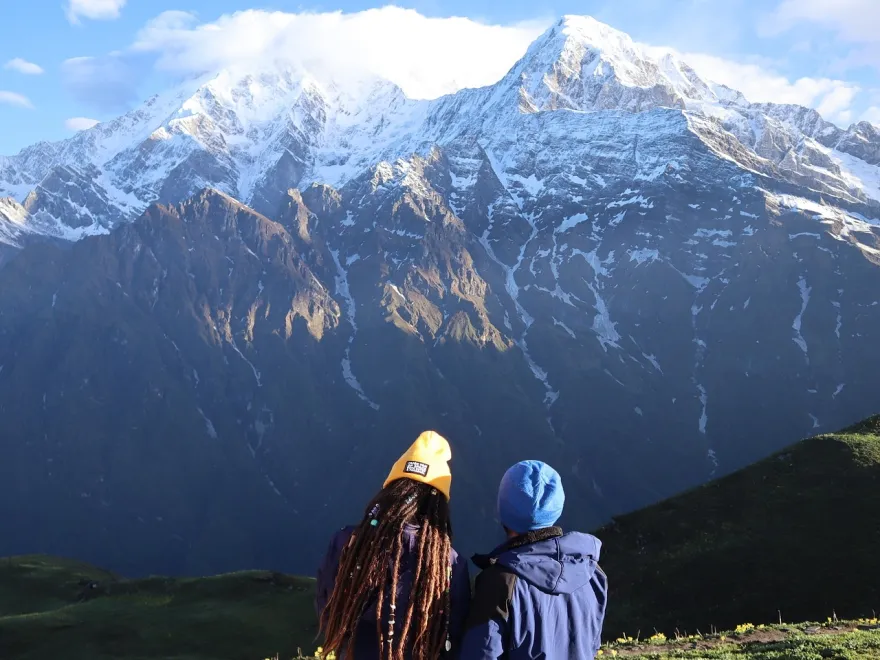
The Khopra Danda Ridge Trek is a spectacular 12-day Himalayan adventure offered by Everest Extreme Adventure, combining breathtaking mountain panoramas, peaceful forest trails, traditional villages, and authentic Nepalese culture. Beginning in Kathmandu, the journey continues to Pokhara before exploring the beautiful Annapurna region through charming settlements such as Ghandruk, Tadapani, Dobato, and Swanta. The highlight is Khopra Danda Ridge, where trekkers can enjoy magnificent views of Annapurna South, Dhaulagiri, and surrounding Himalayan peaks.
The adventure also includes an optional high-altitude excursion to the sacred Khayer Lake and an unforgettable sunrise hike to Poon Hill. With comfortable teahouse accommodation, experienced guides, and scenic trekking routes, Everest Extreme Adventure provides a rewarding experience for nature lovers seeking a quieter alternative to Nepal's busier trekking trails.
Upon your arrival at Tribhuvan International Airport in Kathmandu, a representative from Everest Extreme Adventure will warmly welcome you and transfer you to your hotel in a private vehicle. After checking in, you can take some time to relax and recover from your journey. Depending on your arrival time, you may explore the nearby streets of Thamel, a lively tourist hub known for its shops, restaurants, trekking stores, and traditional handicrafts. In the evening, you will meet your trekking guide for a briefing about the Khopra Danda Ridge Trek, including the itinerary, necessary equipment, safety precautions, and upcoming mountain adventures. You will spend the night at a hotel in Kathmandu.
After breakfast, you will travel from Kathmandu to Pokhara by a comfortable tourist bus, enjoying a scenic drive through Nepal's beautiful countryside. The journey follows winding highways alongside rivers, terraced hillsides, traditional villages, and green valleys, offering a glimpse into rural Nepalese life. Along the way, the bus will stop for refreshments, lunch, and short breaks. As you approach Pokhara, the landscape opens toward the Annapurna mountain region, creating an exciting introduction to the Himalayas. Upon arrival, you will check into your hotel and have free time to explore the lakeside area of Phewa Lake, enjoy the peaceful waterfront atmosphere, or prepare for the trek ahead. Your guide from Everest Extreme Adventure will help ensure that your trekking arrangements are ready. Overnight at a hotel in Pokhara.
After breakfast in Pokhara, you will drive to Nayapul, the starting point of your trek into the Annapurna region. From here, you will begin walking along village trails, stone staircases, and pathways that pass through terraced farmland and traditional settlements. The trail gradually introduces you to the rural mountain lifestyle, with local farmers tending their fields and villagers going about their daily activities. As you continue toward Ghandruk, you will enjoy beautiful views of the surrounding hills and, when the weather is clear, impressive glimpses of the Annapurna South and Machhapuchhre mountain ranges. Ghandruk is a charming Gurung village famous for its traditional stone houses, rich cultural heritage, and spectacular mountain scenery. After reaching the village, you can explore its narrow lanes and enjoy the welcoming atmosphere of the local community. Overnight at a teahouse in Ghandruk.
Following breakfast in Ghandruk, you will continue your journey toward Tadapani, walking through beautiful forests and picturesque mountain landscapes. The trail initially passes through traditional village paths before entering lush woodlands filled with oak, rhododendron, and other native trees. During spring, the rhododendron forests can become especially colorful, adding vibrant shades of red, pink, and white to the hillside. Along the way, you will climb stone steps and follow forest trails that offer occasional clearings with views of the surrounding Himalayan peaks. The route gradually gains elevation, so you should maintain a comfortable pace and take short breaks to enjoy the peaceful natural surroundings. Upon reaching Tadapani, you will settle into a local teahouse and enjoy the fresh mountain air. On clear days, the area provides wonderful views of
After breakfast, you will leave Tadapani and follow a quieter trail toward Dobato, entering a more remote and less crowded section of the Annapurna region. The route winds through dense rhododendron and oak forests, with occasional uphill sections and narrow paths that require careful footing. As you gain altitude, the surrounding vegetation and mountain atmosphere gradually change, and the trail becomes increasingly peaceful. You may encounter local herders, grazing livestock, and a variety of birdlife along the way. The journey offers a wonderful opportunity to experience the natural beauty of the Himalayas away from the busier trekking routes. Depending on the weather and visibility, you may catch glimpses of surrounding ridgelines and distant snow-covered peaks through openings in the forest. After several hours of walking, you will reach Dobato, a small mountain settlement known for its scenic location and proximity to the famous Muldai Viewpoint. You will rest at a local teahouse and prepare for the next day's journey toward Khopra Danda.
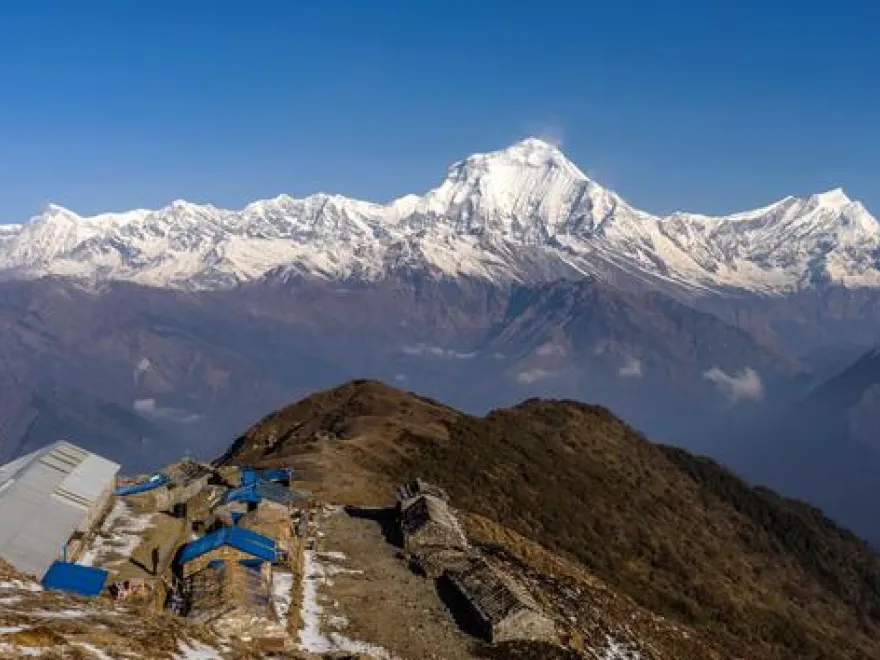
Today is one of the highlights of your Khopra Danda Ridge Trek as you make your way toward the spectacular Khopra Ridge. After breakfast in Dobato, you will follow mountain trails that gradually lead away from the forested slopes and toward more open alpine landscapes. The route includes uphill and downhill sections, with beautiful views of the surrounding valleys and Himalayan peaks becoming more prominent as you progress. On clear days, you may see impressive mountain scenery featuring Annapurna South, Nilgiri, Dhaulagiri, and other peaks of the Annapurna and Dhaulagiri ranges. As you approach Khopra Danda, the landscape opens onto a dramatic ridge with sweeping views of deep valleys and towering snow-covered mountains. Upon arrival, you will settle into a community-managed teahouse and enjoy the peaceful atmosphere of this remote mountain destination. The rest of the afternoon is ideal for relaxing, taking photographs, and appreciating the changing colors of the Himalayan landscape. Overnight at a teahouse on Khopra Danda.
Today, you will embark on an adventurous day hike from Khopra Danda to the sacred Khayer Lake, one of the most remarkable destinations in this trekking region. After an early breakfast, you will begin walking along a challenging high-altitude trail that climbs through rugged mountain terrain, open slopes, and rocky sections. As you gain elevation, you will enjoy increasingly impressive views of the surrounding Himalayan peaks and remote valleys. Khayer Lake is an important pilgrimage site for Hindu devotees, particularly during the Janai Purnima festival, and is revered for its spiritual significance and beautiful natural setting. Reaching the lake offers a rewarding experience, combining Himalayan scenery with a glimpse into Nepal's religious traditions. You will spend some time enjoying the peaceful surroundings, taking photographs, and resting before retracing your route to Khopra Danda. Because of the altitude and the demanding nature of this excursion, a steady walking pace and proper hydration are essential. Your guide from Everest Extreme Adventure will monitor the group's condition and advise whether it is appropriate to continue. Overnight at a teahouse in Khopra Danda. The hike is weather-dependent, and the actual walking time may vary with trail conditions and individual fitness.
After breakfast, you will leave Khopra Danda and begin descending toward the traditional village of Swanta. The trail gradually takes you away from the high alpine ridge and into lower mountain landscapes, with changing vegetation and increasingly green surroundings. Along the way, you will enjoy beautiful views of terraced hillsides, forested slopes, and distant Himalayan peaks. The descent includes uneven paths and stone steps, so it is important to walk carefully and use trekking poles if needed. As you approach Swanta, you will encounter traditional homes, cultivated fields, and small settlements that reflect the everyday lifestyle of mountain communities in Nepal. Swanta is a peaceful village known for its agricultural landscape and welcoming local atmosphere. Upon arrival, you can relax at your teahouse, enjoy a freshly prepared meal, and interact with local residents if opportunities arise. After several days in the higher mountains, this stop provides a pleasant chance to experience village life and recover before continuing toward Ghorepani. Overnight at a teahouse in Swanta.
Today, you will continue from Swanta toward Ghorepani, a well-known mountain village situated along the popular Annapurna trekking routes. After breakfast, you will follow village trails through cultivated fields, small settlements, and forested hillsides. The route includes a combination of descents and climbs as you make your way toward Ghorepani, passing through beautiful landscapes and enjoying occasional views of the surrounding mountains. You will experience the region's distinctive combination of natural scenery and traditional mountain culture, with opportunities to observe local farming practices and daily village activities. As you approach Ghorepani, the trail gradually leads into a lively trekking settlement surrounded by rhododendron forests. Ghorepani is particularly famous for its proximity to Poon Hill, one of the most popular sunrise viewpoints in the Annapurna region. After arriving, you will check into your teahouse, enjoy a warm meal, and prepare your clothing and camera for an early start the following morning. Your guide will explain the sunrise hike and the expected trail conditions. Overnight at a teahouse in Ghorepani.
You will begin the day early with a pre-dawn hike to Poon Hill, situated at approximately 3,210 meters, to witness the spectacular sunrise over the Annapurna and Dhaulagiri mountain ranges. As the first rays of sunlight illuminate the snow-covered peaks, the Himalayan landscape transforms into shades of gold, orange, and pink, creating unforgettable photographic opportunities. After enjoying the panoramic views, you will return to Ghorepani for breakfast before continuing your descent toward Nayapul. The trail passes through beautiful forests, traditional villages, terraced farmland, and sections of stone steps, offering a final opportunity to appreciate the natural beauty of the Annapurna region. Upon reaching Nayapul, your vehicle will be waiting to transfer you to Pokhara. After checking into your hotel, you can relax, enjoy dinner at a lakeside restaurant, or take a leisurely walk beside Phewa Lake. This marks the completion of your trekking adventure with Everest Extreme Adventure. Overnight at a hotel in Pokhara.
After breakfast, you will travel from Pokhara back to Kathmandu, either by tourist bus or by domestic flight, depending on your preference and travel arrangements. If you choose the road journey, you will enjoy another scenic drive through Nepal's river valleys, green hills, terraced fields, and countryside settlements. Although the journey can take approximately six to seven hours or longer depending on traffic and road conditions, it offers another opportunity to appreciate Nepal's diverse landscapes. Alternatively, a domestic flight takes around 25 minutes in the air and may provide beautiful aerial views of the Himalayan region when weather conditions permit. Upon arrival in Kathmandu, you will transfer to your hotel and have time to relax or explore the city. You may visit nearby markets, browse for souvenirs, or enjoy a farewell dinner featuring traditional Nepali cuisine. The team at Everest Extreme Adventure can assist with coordinating your transfer and departure preparations. Overnight at a hotel in Kathmandu.
Today marks the conclusion of your memorable Khopra Danda Ridge Trek with Everest Extreme Adventure. Depending on your international flight schedule, you will have breakfast at your hotel and some free time to prepare your luggage or enjoy a final stroll around Kathmandu. A representative from the company will arrange your transfer to Tribhuvan International Airport, allowing sufficient time for check-in and other departure formalities. As you leave Nepal, you will take home wonderful memories of Himalayan mountain views, peaceful forest trails, traditional Gurung and Magar villages, the sacred Khayer Lake, and the magnificent sunrise from Poon Hill. The trek offers a rewarding combination of natural beauty, cultural encounters, and remote mountain experiences away from some of the busier Annapurna trails. Everest Extreme Adventure thanks you for choosing its services and wishes you a safe onward journey, hoping to welcome you back to Nepal for another exciting trekking or mountaineering adventure in the future.
The Khopra Danda Ridge Trek is a scenic trekking adventure in Nepal's Annapurna region, offering spectacular views of the Annapurna and Dhaulagiri mountain ranges. Unlike some of the busier trekking routes, this trail takes you through peaceful forests, traditional Gurung and Magar villages, terraced farmland, and remote mountain landscapes. Organized by Everest Extreme Adventure, the trek combines natural beauty, cultural experiences, and the opportunity to explore Khopra Ridge and the sacred Khayer Lake.
The standard itinerary offered by Everest Extreme Adventure takes 12 days, including arrival and departure in Kathmandu, travel to Pokhara, trekking in the Annapurna region, and returning to Kathmandu. The itinerary includes destinations such as Ghandruk, Tadapani, Dobato, Khopra Danda, Swanta, and Ghorepani, along with a hike to Poon Hill. The duration may vary depending on your travel schedule, walking pace, weather conditions, and whether you choose to include additional acclimatization days.
The highest point of the itinerary is Khayer Lake, located at approximately 4,660 meters (15,289 feet) above sea level. The main overnight destination, Khopra Danda Ridge, stands at around 3,660 meters (12,008 feet). Reaching these elevations requires proper pacing, hydration, and awareness of altitude-related symptoms. Everest Extreme Adventure recommends following your guide's advice, taking sufficient rest, and reporting any unusual symptoms promptly to help maintain your safety throughout the trek.
The Khopra Danda Ridge Trek is generally considered a moderate to challenging trek because of its steep ascents and descents, uneven trails, long walking days, and high-altitude sections. The excursion to Khayer Lake is particularly demanding due to the elevation and extended walking time. Previous trekking experience is beneficial but not essential for every reasonably fit traveler. Everest Extreme Adventure recommends preparing with regular walking, stair climbing, and cardiovascular exercise before departure to improve endurance and make the journey more enjoyable.
The 12-day itinerary described by Everest Extreme Adventure includes a planned day hike from Khopra Danda to Khayer Lake and back. Located at approximately 4,660 meters, the lake is a sacred destination surrounded by impressive Himalayan scenery. The excursion typically takes around seven to nine hours, depending on weather, trail conditions, and individual fitness. Because the hike is physically demanding and reaches a high altitude, your guide will assess the conditions and your well-being. The hike may need to be shortened, postponed, or omitted if safety conditions are unfavorable.
Yes, altitude sickness is a potential concern because the itinerary reaches elevations above 4,000 meters, particularly during the hike to Khayer Lake. Symptoms can include headache, nausea, dizziness, unusual fatigue, and loss of appetite. Walking slowly, staying hydrated, avoiding alcohol, and allowing sufficient time for acclimatization can help reduce risk, but they cannot eliminate it. Inform your guide immediately if symptoms develop, and never continue ascending when altitude sickness is suspected. Everest Extreme Adventure emphasizes responsible trekking and recommends appropriate travel insurance covering high-altitude trekking and emergency evacuation.
Everest Extreme Adventure offers travelers the opportunity to explore the Annapurna region with organized logistics, local trekking guidance, and an itinerary designed to combine mountain scenery with cultural experiences. From transportation and accommodation coordination to trekking permits and route planning, the company can help simplify the preparation process. Travelers should confirm the exact package inclusions, guide and porter arrangements, accommodation standards, insurance responsibilities, and cancellation policies before booking. Choosing a well-organized trekking service helps you focus on enjoying the landscapes, welcoming villages, and unforgettable Himalayan views along the Khopra Danda Ridge route.
Essential items include comfortable trekking boots, moisture-wicking clothing, warm insulating layers, a waterproof jacket, trekking trousers, gloves, a warm hat, sunglasses, sunscreen, and a suitable backpack. A sleeping bag may be useful during colder periods, even when teahouse blankets are provided. You should also carry a reusable water bottle, personal medication, basic first-aid supplies, toiletries, and any necessary travel documents. Everest Extreme Adventure can provide a detailed packing checklist before departure, helping you prepare for changing temperatures, remote accommodation, and the high-altitude excursion to Khayer Lake.
The best seasons for the Khopra Danda Ridge Trek are generally spring, from March to May, and autumn, from September to November. Spring offers blooming rhododendron forests and pleasant trekking conditions, while autumn often provides clear skies and excellent mountain visibility. Winter can bring cold temperatures and snow at higher elevations, and the monsoon season may feature rain, clouds, and slippery trails. Everest Extreme Adventure can help you select suitable travel dates based on your preferences, weather conditions, and trekking experience.
Yes, trekkers generally need the applicable permits required for the Annapurna Conservation Area. Permit requirements and procedures should be confirmed before departure because regulations may change. Your trekking company can help arrange the necessary documentation and explain what you need to carry during the trek. Everest Extreme Adventure can assist with the permit arrangements included in your package, provided you supply the required personal details and documents in advance. Carrying your permits and identification as advised is important throughout the journey.
Accommodation during the Khopra Danda Ridge Trek is primarily in local teahouses and mountain lodges, offering a simple and welcoming place to rest after each day's walk. Rooms typically have basic beds, mattresses, pillows, and blankets, although facilities vary by village and altitude. Bathrooms may be shared, and hot showers or charging facilities may cost extra. In Kathmandu and Pokhara, accommodation is generally in hotels according to your selected package. Everest Extreme Adventure will coordinate the planned overnight stays and advise you about facilities along the route.
During the trekking portion, meals commonly include breakfast, lunch, and dinner at local teahouses, depending on your package arrangements. Typical options include dal bhat, noodles, rice, soups, potatoes, eggs, vegetables, and other locally available dishes. Vegetarian meals are usually available, and some lodges offer additional choices depending on their supplies. Food options may become more limited in remote locations. Everest Extreme Adventure recommends informing the company about dietary requirements, food allergies, or special meal preferences before the trek so suitable arrangements can be discussed.