Group Adventure Dates.  4.9 of 489 reviews
 4.8 of 232 reviews
4.9 of 489 reviews 4.8 of 232 reviews 
Chulu Far East Peak Climbing with Everest Extreme Adventure combines thrilling Himalayan mountaineering with the Annapurna Circuit. Trek through picturesque villages, acclimatize in the Manang Valley, summit the 6,059-meter peak, cross Thorong-La Pass, and experience Nepal’s spectacular landscapes and rich mountain culture.
Annapurna is one of the beloved trekking regions of Nepal. Filled with beautiful flora, fauna, and heart-warming cultures of the local people, the diverse routes offer many chances to witness the true beauty of Nepal. Along with it, the peaks lying in the Annapurna region have started to gain attention as it is the perfect getaway for those who seek adrenaline.Among the many peaks in the region, the Chulu Far East Peak is considered as the most accessible peak to climb, but one should not underestimate the journey. It is the best peak to climb, especially if it is your first time. This is your perfect chance to enjoy the best views of the Annapurna region.The trip starts with your arrival at Kathmandu, where you get the permits for the climb. Then, you drive to Chame via Besisahar. The trek begins from Chame as you walk through the Marsyangdi Valley, enjoying the views of the Annapurna range. You walk past various rustic villages and towns like Pisang, Ngawal, Manang, and Jomsom.Once you arrive at Yak Kharka, you then start to ascend to Chulu East Base Camp and then proceed to the High Camp. From there, you start the climb early in the morning, so that by midday, you reach the top. The summit provides excellent views of the landscape with sceneries of mountains like Annapurna, Dhaulagiri, and Machhapuchhre. Next, you head to Thorong La via Manang and Ledar, which is another highlight of the region. The trip nears to an end as you head to Muktinath, a holy place for both Hindus and Buddhists.
At Everest Extreme Adventure, you can choose your transportation and accommodation facilities. We strive to provide you with quality services so that your trip will be stress-free. We have the best and experienced staff who can speak your mother tongue if you’re not comfortable with English.
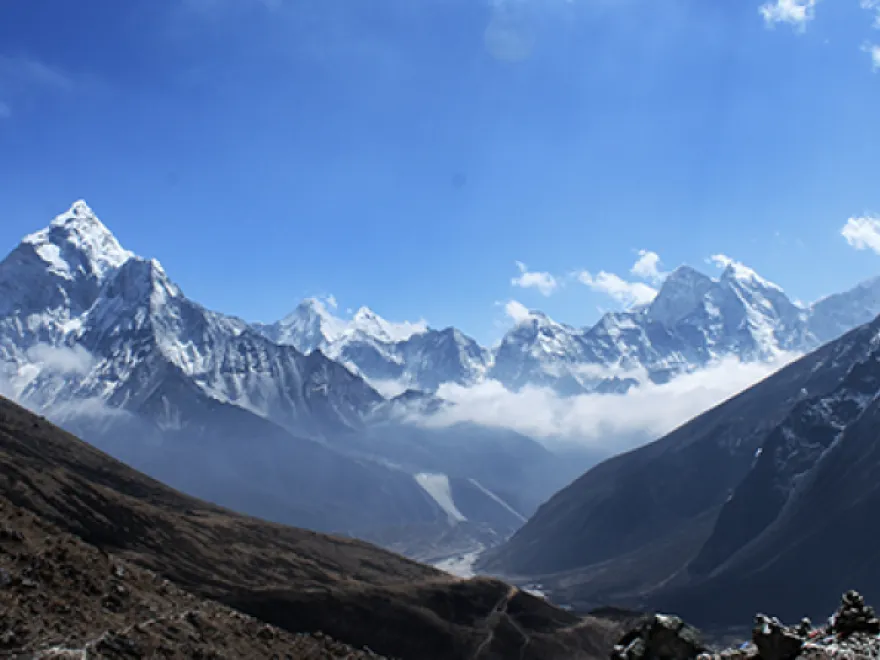
Chulu Far East Peak Climbing with Everest Extreme Adventure is an exciting Himalayan adventure that combines the classic Annapurna Circuit with the ascent of Chulu Far East Peak, reaching approximately 6,059 meters (19,874 feet). The journey begins in Kathmandu and follows the road toward Besisahar and Chame before entering the spectacular Manang Valley. As the trail rises, trekkers experience dramatic changes in landscape, from green hills and pine forests to dry alpine valleys, rugged cliffs, glaciers, and magnificent Himalayan panoramas. The itinerary includes Upper Pisang, Ngawal, Yak Kharka, Chulu Far East Base Camp and High Camp before the summit attempt.
The summit day is the major highlight of the expedition. Starting from High Camp, climbers make an early-morning ascent toward the summit, where appropriate acclimatization, physical preparation, weather conditions, and professional climbing support are essential. After reaching the summit, the itinerary descends toward Yak Kharka and continues through Manang before crossing the spectacular Thorong-La Pass at 5,416 meters and descending to Muktinath and Jomsom. The adventure concludes with a flight to Pokhara and a scenic drive back to Kathmandu. Everest Extreme Adventure can organize the logistical arrangements, guides, climbing support, permits, accommodation, transportation, and trekking services required for this demanding Himalayan journey.
The best seasons for Chulu Far East Peak Climbing are generally spring (March to May) and autumn (September to November). These periods are favored because the Himalayan weather is usually more stable, visibility is often excellent, and trekking and climbing conditions are generally more suitable. Autumn, particularly October and November, offers crisp mountain views after the monsoon, while spring provides comparatively warmer conditions and beautiful vegetation at lower elevations. However, conditions on a 6,000-meter peak can change rapidly even during the preferred seasons, so summit plans should always remain flexible.
The monsoon months can bring rainfall, wet trails, landslides, and transportation difficulties in the lower sections of the Annapurna region. Winter can bring severe cold, snowfall, icy trails, and difficult conditions around the high camps and summit route. For that reason, Everest Extreme Adventure recommends planning the climb around favorable weather windows rather than relying solely on fixed calendar dates. Recent trekking information also indicates that traditional seasonal boundaries can vary from year to year, making current weather and mountain-condition assessment important.
For the summit attempt, the weather at high altitude is much more important than conditions in Kathmandu or Pokhara. Clear skies, manageable winds, stable snow conditions, and good visibility can significantly improve the summit experience. Everest Extreme Adventure's climbing team can monitor conditions and adjust the summit schedule when necessary.
Chulu Far East Peak is a challenging high-altitude mountaineering objective, rather than an ordinary trekking peak. The itinerary involves long trekking days, significant elevation gain, cold and potentially snowy terrain, and a summit above 6,000 meters. Climbers need good cardiovascular fitness, endurance, mental determination, and the ability to function safely at altitude. Previous trekking experience at high elevations is highly beneficial, while familiarity with crampons, an ice axe, harness, fixed ropes, and basic mountaineering techniques can make the climbing section considerably more manageable. Proper acclimatization is particularly important because the itinerary progressively moves from Kathmandu at 1,400 meters to the Chulu climbing camps and ultimately the 6,059-meter summit.
Transportation is an important part of this itinerary because the journey combines road travel, trekking, and domestic air travel. The initial route travels by road from Kathmandu to Besisahar and onward to Chame. From Chame, the journey continues on foot through Upper Pisang, Ngawal, Yak Kharka and the Chulu Far East climbing area. After the peak ascent, the route continues through Manang and across Thorong-La Pass before descending to Muktinath and driving toward Jomsom. The itinerary then includes a short flight from Jomsom to Pokhara followed by a road journey from Pokhara to Kathmandu. Road conditions and travel times can vary, so the stated durations should be treated as approximate.
Food and accommodation are important components of a successful Chulu Far East expedition because the body needs sufficient energy to cope with long trekking days and high-altitude climbing. During the trekking portion, meals are generally provided through local teahouses and lodges, where trekkers can expect familiar Nepalese and basic international-style dishes. Typical meals may include dal bhat, rice, noodles, pasta, potatoes, vegetables, soup, eggs, bread, porridge, and other simple carbohydrate-rich foods. Dal bhat is particularly useful on long trekking days because it provides a substantial combination of rice, lentils, vegetables, and other side dishes.
Accommodation becomes more basic as the route moves farther into the high mountains. In Kathmandu and other developed destinations, travelers can stay in comfortable hotels, while teahouses and lodges are normally used along the Annapurna trekking route. At Chulu Far East Base Camp and High Camp, camping-style accommodation may be required depending on the climbing logistics and prevailing conditions. At these higher elevations, facilities are limited, and climbers should be prepared for cold temperatures and simple sleeping arrangements. Everest Extreme Adventure coordinates the necessary accommodation and camping logistics according to the climbing itinerary and local conditions.
Adequate hydration is equally important. Climbers should drink regularly and carry a reusable water bottle or hydration system. Hot drinks such as tea and soup can also be useful in cold environments. Because appetite can decrease at altitude, easily digestible, energy-rich snacks such as chocolate, nuts, dried fruit, energy bars, and other personal favorites are useful additions.
Chulu Far East Peak Climbing requires appropriate trekking and mountaineering documentation because the itinerary passes through the Annapurna Conservation Area and includes a regulated climbing peak. The Annapurna Conservation Area entry permit is relevant to the Annapurna Circuit section of the journey. The National Trust for Nature Conservation's current online permit system specifically lists the Annapurna Circuit/Round Annapurna Trek and surrounding Annapurna areas among the destinations covered by its ACAP permit system.
In addition to the conservation-area entry permit, climbers require the applicable mountaineering/peak climbing permit for Chulu Far East through the authorized Nepalese authorities. Permit requirements and applicable fees can change, so Everest Extreme Adventure should confirm the current regulations, fees, and documentation requirements at the time of booking. The Department of Tourism's published mountain statistics demonstrate that Nepal's permitted climbing peaks are administered through the country's formal mountaineering-permit system.
Depending on the current regulations and the specific itinerary, trekking documentation such as the applicable trekking registration/TIMS requirements may also need to be arranged. Travelers should provide accurate passport information and other required documents well before departure. The official ACAP online system states that permits are non-transferable and non-refundable and must be carried throughout the trip.
Everest Extreme Adventure can assist with the permit processing and administrative arrangements so climbers can concentrate on preparation, acclimatization, and the mountain experience.
Choosing Everest Extreme Adventure for Chulu Far East Peak Climbing gives travelers an opportunity to experience much more than a standalone mountain ascent. The itinerary combines one of Nepal's most celebrated trekking routes with a demanding 6,000-meter Himalayan climbing objective. Instead of traveling directly to a climbing camp, participants gradually journey through the Annapurna region, experiencing traditional villages, Buddhist culture, dramatic mountain landscapes, alpine valleys, and the changing environment of the Manang region. The combination of Chulu Far East Peak and Thorong-La Pass creates a particularly diverse Himalayan adventure.
Professional organization is especially valuable on a climb of this altitude. A well-planned itinerary needs careful attention to acclimatization, camp logistics, equipment, food, accommodation, transportation, permits, weather, and emergency planning. Everest Extreme Adventure can coordinate these elements while providing experienced trekking and climbing support throughout the journey. The itinerary also includes an acclimatization day at Ngawal before moving toward the higher Chulu region, helping create a more gradual progression toward the climbing section.
The journey is also suitable for travelers who want a combination of adventure, culture, trekking, and mountaineering rather than only a summit experience. From the road journey to Besisahar and Chame to the high-altitude landscapes around Manang, the Chulu climbing camps, Thorong-La Pass, Muktinath, Jomsom, and Pokhara, every stage offers a different Himalayan perspective.
The 19-day Chulu Far East Peak Climbing itinerary with Everest Extreme Adventure combines the classic Annapurna Circuit with an exciting 6,059-meter Himalayan summit. The journey begins in Kathmandu before driving to Besisahar and Chame, followed by trekking through Upper Pisang, Ngawal, and Yak Kharka. An acclimatization day in Ngawal helps prepare for increasing elevations before heading toward Chulu Far East Base Camp and High Camp.
The major highlight is the summit attempt on Chulu Far East Peak, followed by a descent to Yak Kharka and Manang. The adventure continues toward Thorong-La Pass at 5,416 meters before descending to Muktinath and Jomsom. A scenic flight to Pokhara and drive back to Kathmandu complete this remarkable journey through Nepal’s diverse landscapes, mountain communities, and Himalayan culture.
The first day of the trek starts with your arrival at the land of Himalayas, Nepal. As per your scheduled flight, you arrive at Tribhuvan International Airport, located in the heart of the capital city, Kathmandu. Our representatives are eagerly waiting to welcome you warmly. After introductions, it’s time to head to the hotel where you rest and refresh. You join our representatives again at dinner for a formal welcome. You can discuss the details of the trek with them.
It is essential to prepare your body for the climb, especially if this is your first time. After filling in necessary documents for the permit, you head to exercise your body and boost your stamina. There are bouldering spaces at Thamel, near your hotel where you can practice your skills. If you want, we can also arrange meetings with expert mountaineers who can give you tips on climbing.
You wake up early and have breakfast. Then, you board the vehicle that will take you to Besisahar. En route, you get to enjoy the views of lush hills and forests of the hilly region. By late afternoon, you arrive at the lodge where you’ll be staying overnight.
You start your day early and board the same vehicle you used to arrive at Besisahar. Your destination for today is Chame. You drive slowly to higher elevations and reach Dharapani, where you have your lunch. Continuing the drive, the road gradually starts to get steep and rough. En route, you get to enjoy the pristine surroundings and views of mountains like Annapurna II and Lamjung. Before sunset, you arrive at Chame for overnight stay.
The trek begins with a steep and almost vertical route, which takes you through the lush green forests of the region. Enjoying the fresh surroundings, you make your way through the hills. Along the trail, you will start to see amazing views of Annapurna, Dhaulagiri, and other neighbouring mountain ranges. After walking for a while, you start to see Pisang Peak, and then finally reach Pisang village for overnight stay.
After enjoying a hearty breakfast, you ascend to the higher elevations and enjoy the views of the terrain. You head to the green forests and follow a stream. Passing by various small settlement areas, you arrive at Ngawal for an overnight stay at the lodge.
Since you’ll be heading to higher elevations, it is important to take a day for acclimatization. The best way to acclimatize is to walk as resting or sitting will not help. After breakfast, you head to explore the local markets. Also, visit the local monasteries, where you can discover the lifestyle of the monks.
Today, you start the trek as you head to the grazing lands of yaks. The trek continues after breakfast, and you gradually ascend. Passing by several small settlement areas, you slowly start to see the grazing lands. If you are lucky, you may also get to see yak herders and yaks. Then, you find a suitable spot where you can set up camps for overnight stay.
Finally, you start to head towards the summit. The trail today is rocky and steep, so you have to be careful. Leaving the pastureland, you ascend to a snowy and moraine filled region. You will get to see the breathtaking glimpses of Annapurna. You need to find a suitable flat place where you can set up tents for overnight stay.
Today, you head to the High Camp from the main base camp. The trail starts to get steeper and harder to trek. The moraines, snow, and sharp rocks make this route strenuous. Enjoying the views of the mountains, you arrive at the high camp. Then, you need to find a suitable place where you can set up tents for overnight stay.
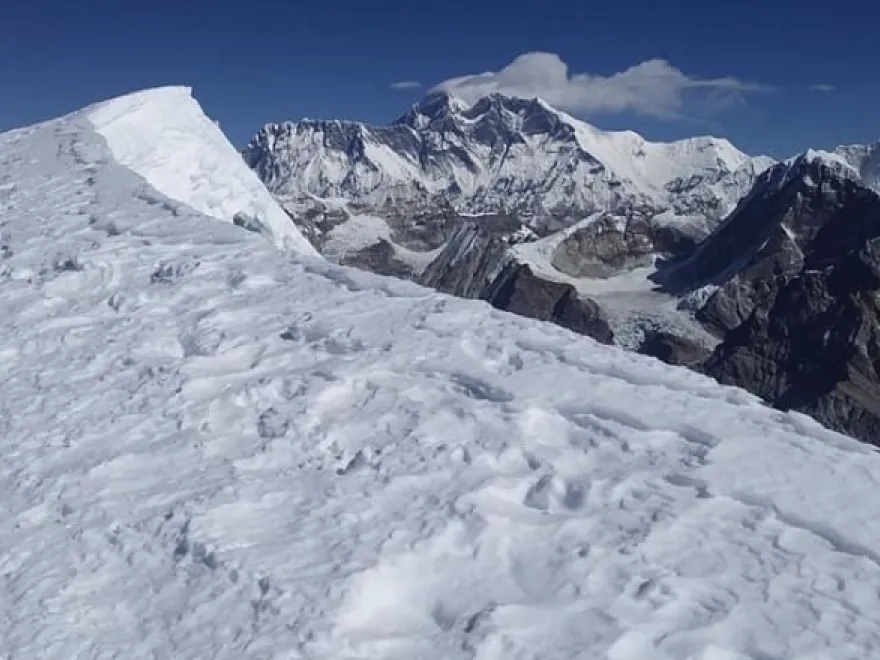
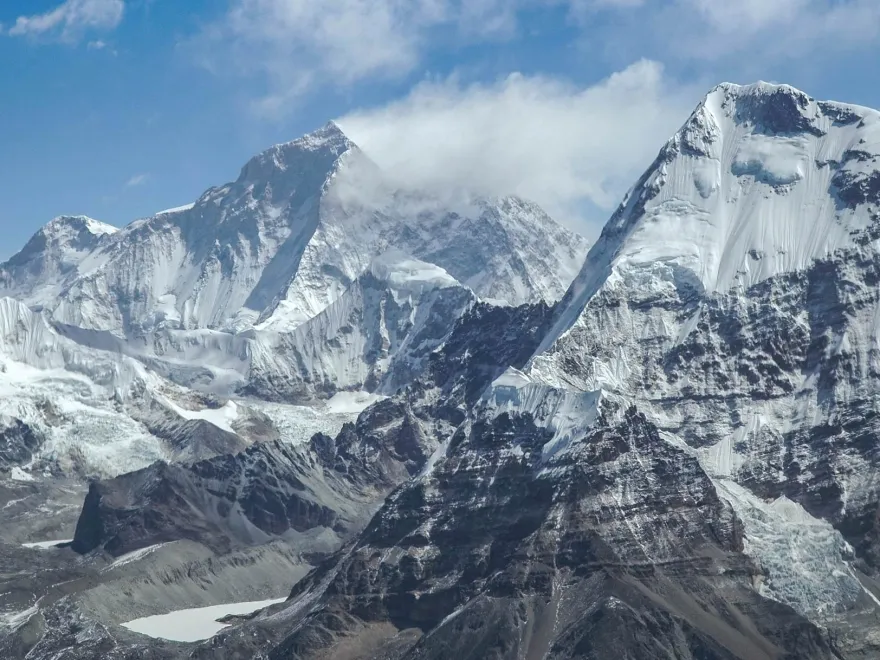
You need to start early, so you wake up around 1-2 a.m., and start to prepare for the climb. It is best to go as early as possible because the midday winds make it difficult to climb. From the top, you can enjoy the panoramic views of mountains like Dhaulagiri, Nilgiri, and Tilicho Himal. After enjoying the views, you descend back to Yak Kharka for an overnight stay.
After the tiring yet exciting climb to the summit, it’s time to head back. After packing and having breakfast, you hit the trail that descends the valley. The trail then goes through a lush forest filled with rhododendron, pine, and oak. Then, you start to trek along the Julu Khola. After passing a few settlement areas, you arrive at Manang, a beautiful village inhabited by the Gurung and Thakali people. Overnight stay at a lodge.
The trail today ascends to higher elevations. You trek through the valley of Jarsang Khola, and the vegetation starts to get scarce. En route, you encounter a lot of wild yaks and blue sheep. As you head further, the elevation increases gradually, and you start to feel the lack of air. During this time, you need to be careful. Otherwise, you may get altitude sickness. Once you reach Ledar, the fantastic views of the Annapurna range and Chulu West Peak reward you. Overnight stay at a lodge.
The trek continues after breakfast, and you make your way down to the banks of the Chulu Khola. After crossing the river, you again ascend to reach Phedi. From here onwards, the forest vegetation starts to get lush again with rhododendron, oak, and pine trees in view. You pass by many small villages and settlement areas. Finally, you arrive at High Camp for an overnight stay.
Today, you’ll be ascending to one of the high passes of the region, the Thorong-La Pass. En route, you get to see amazing views of the landscape and the mountain ranges in the backdrop. Once you reach the top of the pass, you get to see breathtaking sceneries of the mountains like Annapurna, Dhaulagiri, and Tilicho Peak, Manaslu, Machhapuchhre and other neighbouring mountains. Then, you head down to Muktinath after soaking in the view. Overnight stay at a lodge.
You wake up early and visit the temple and pay your respects. After exploring the temple, you have your breakfast and board the vehicle that will take you to Jomsom. En route, you see amazing views of the valley and drive past rustic villages. The road goes along the banks of the Kali Gandaki River. Overnight stay at the lodge.
After an early breakfast, you head to the airport and catch the first flight back to Pokhara. En flight, enjoy the scenic views of the landscape for the last time. You arrive at Pokhara airport, and from there, you head to the hotel to rest and refresh. In the evening, you join the staff for a farewell dinner.
You need to reach the bus stop before 7 a.m., so have a light breakfast. You board the bus and drive along the Prithivi Highway again. En route, you get to enjoy the serene views of the landscape and the blue rivers. By late afternoon, you arrive at Kathmandu, and from there, you head to the hotel. At the hotel, you join our representatives and guides for dinner.
Sadly, the trek has come to an end, and it’s time for you to return. Before heading to the airport, make sure that you have all your belongings with you. As per your scheduled flight, our staff will drop you off at the airport. Thank you for traveling with us, and hope to see you again. Have a safe flight!
Chulu Far East Peak Climbing is a challenging Himalayan mountaineering adventure that reaches approximately 6,059 meters (19,874 feet). With Everest Extreme Adventure, the journey combines trekking along the Annapurna Circuit with a technical peak ascent. The itinerary passes through Chame, Pisang, Ngawal, Manang, and Yak Kharka before reaching the climbing base camp and high camp.
Chulu Far East Peak is considered a challenging high-altitude climbing adventure requiring good physical fitness, endurance, determination, and basic mountaineering knowledge. Climbers must cope with long trekking days, steep terrain, cold temperatures, and thin air above 5,000 meters. Previous high-altitude trekking or climbing experience is highly recommended, although Everest Extreme Adventure provides professional guidance and climbing support.
Chulu Far East Peak stands at approximately 6,059 meters (19,874 feet) above sea level. Reaching this elevation presents significant challenges because oxygen levels are much lower than at sea level. The itinerary therefore includes gradual elevation gain and an acclimatization day at Ngawal. Proper acclimatization, hydration, pacing, and experienced climbing support are essential for a safe and successful summit attempt.
Previous mountaineering experience is strongly recommended but the exact requirements depend on your individual skills and preparation. Climbers should be comfortable with steep mountain terrain and be prepared to learn or use equipment such as crampons, harnesses, ropes, and ice axes. Everest Extreme Adventure provides experienced climbing support and guidance, helping participants understand the techniques required for the expedition.
Acclimatization is an important part of the itinerary because the route progresses to more than 6,000 meters. The planned acclimatization day at Ngawal allows the body to adjust to increasing altitude before moving toward Yak Kharka and the Chulu Far East climbing camps. Everest Extreme Adventure also emphasizes gradual ascent, appropriate pacing, hydration, and careful monitoring of altitude-related symptoms throughout the expedition.
The expedition offers a combination of mountaineering, trekking, culture, and Himalayan scenery. Major highlights include climbing Chulu Far East Peak, exploring Pisang and Manang, experiencing Tibetan-influenced mountain culture, crossing Thorong-La Pass at 5,416 meters, visiting sacred Muktinath, and enjoying the scenic Jomsom–Pokhara flight. The itinerary provides a diverse experience through forests, valleys, alpine landscapes, and high Himalayan terrain.
Everest Extreme Adventure provides organized trekking and mountaineering services designed to make the Chulu Far East expedition more manageable and enjoyable. The company can assist with permits, transportation, accommodation, meals, climbing logistics, acclimatization planning, and professional trekking and climbing support. Its itinerary also combines the Chulu Far East summit with the Annapurna Circuit and Thorong-La Pass, creating a comprehensive Himalayan adventure.
The best seasons are generally spring (March to May) and autumn (September to November). These months typically provide more stable weather, clearer mountain views, and favorable trekking and climbing conditions. Everest Extreme Adventure carefully considers weather and mountain conditions when planning the summit attempt because conditions at 6,000 meters can change rapidly even during the most favorable seasons.
The itinerary combines road transportation, trekking, and domestic air travel. The journey begins with a drive from Kathmandu to Besisahar and continues by road toward Chame. From Chame, the route proceeds mainly on foot through the Annapurna region and Chulu Far East climbing area. After descending to Jomsom, travelers take a flight to Pokhara before returning to Kathmandu by road.
The expedition requires appropriate permits for both trekking and climbing in the Annapurna region. These generally include the Annapurna Conservation Area Permit and the applicable Chulu Far East climbing permit, along with any required trekking registration documentation. Everest Extreme Adventure assists with the necessary permit arrangements and documentation so climbers can focus on preparation and the mountain journey.
Accommodation varies according to the location. In Kathmandu, comfortable hotel accommodation is normally arranged, while teahouses and lodges are commonly used during the Annapurna Circuit trekking section. At Chulu Far East Base Camp and High Camp, camping-style accommodation may be required because facilities become extremely limited at high altitude. Everest Extreme Adventure organizes accommodation according to the itinerary and mountain conditions.
Meals during the trekking section generally include nutritious Nepalese and basic international dishes such as dal bhat, rice, noodles, pasta, potatoes, vegetables, soup, eggs, bread, and porridge. Food becomes simpler at higher elevations. Climbers are also encouraged to carry personal energy snacks such as chocolate, nuts, dried fruits, and energy bars for demanding trekking and summit days.
| No of people | Price per person |
|---|---|
| 1 - 1 | $2,595 |
| 2 - 4 | $2,455 |
| 5 - 9 | $2,435 |
| 10 - 15 | $2,415 |
| 16 - 20 | $2,395 |
| No of people | Price per person |
|---|---|
| 1 - 1 | $2,395 |
| 2 - 4 | $2,270 |
| 5 - 9 | $2,250 |
| 10 - 15 | $2,230 |
| 16 - 20 | $2,210 |