Group Adventure Dates.  4.9 of 489 reviews
 4.8 of 232 reviews
4.9 of 489 reviews 4.8 of 232 reviews 
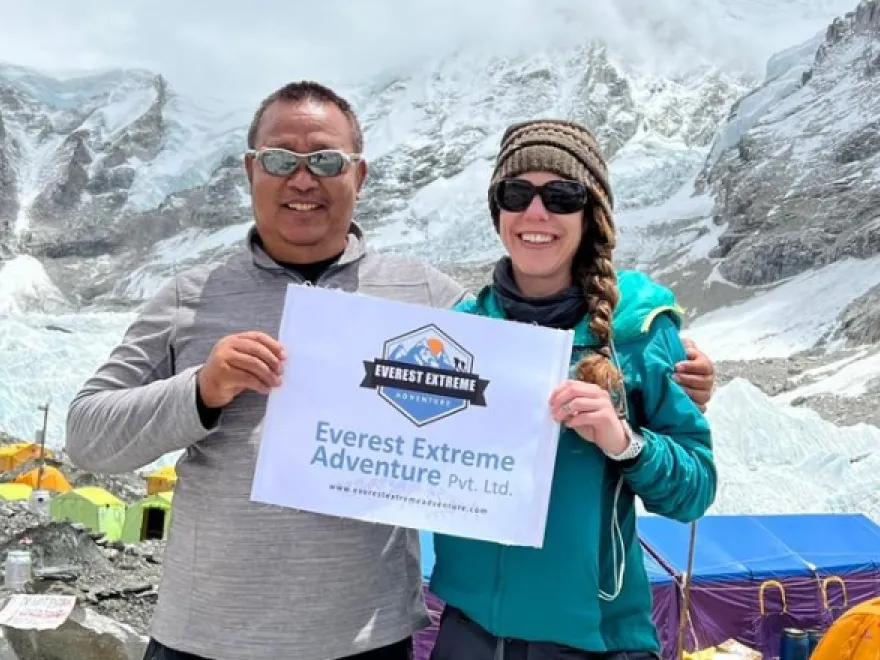
Everest Extreme Adventure presents an unforgettable 16-day Everest Base Camp Trek through breathtaking Himalayan landscapes, vibrant Sherpa villages, ancient monasteries, and high-altitude trails. Experience Namche, Tengboche, Dingboche, Everest Base Camp, and Kala Patthar while embracing unforgettable mountain adventures.
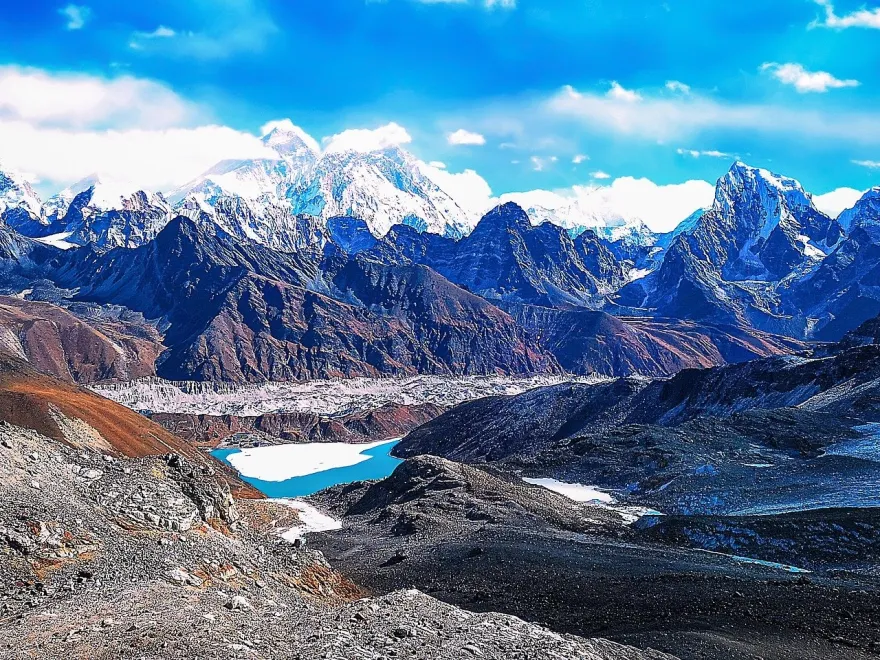
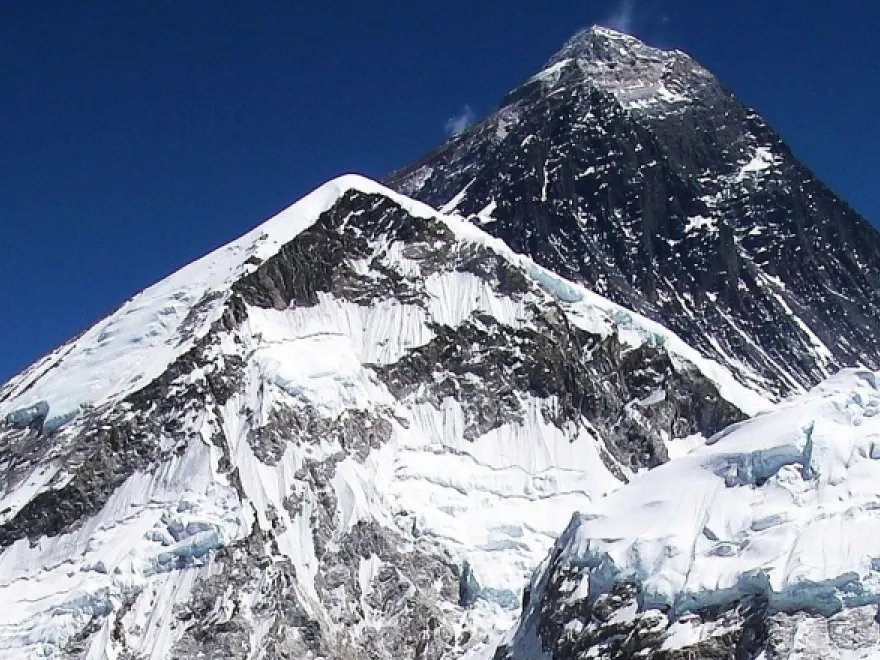
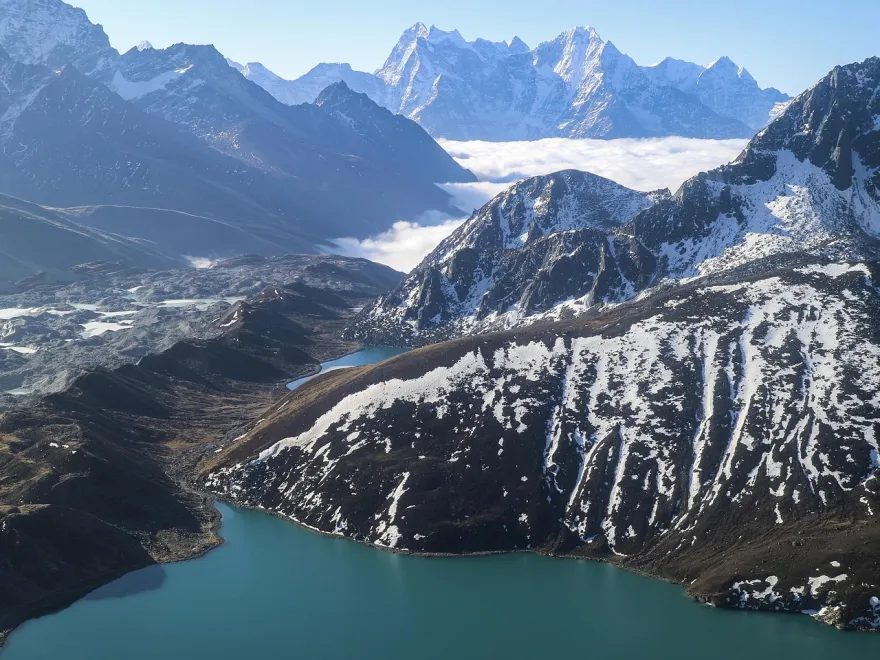
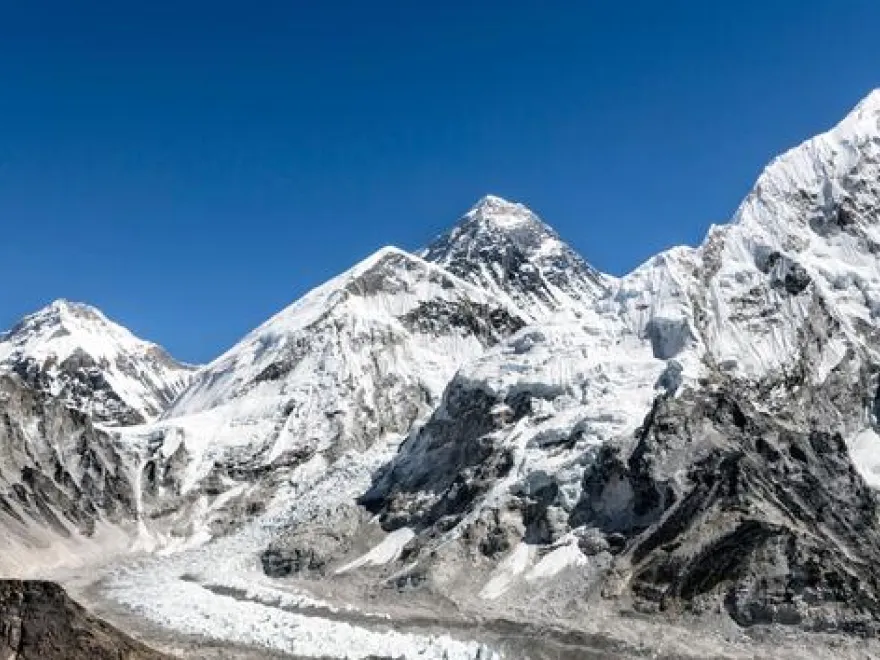
Of the many natural beauties of Nepal, some of the notable ones lie on the northern side, which homes the mighty Himalayas. A trek to the base camp of the world’s highest peak is an opportunity that will seldom pass by. The majestic views of the Everest, Cho Oyu, Lhotse, Makalu, and other neighboring peaks along the trail will take your breath away.
Along the way, you meet the charming and hospitable community of the Sherpa people and come to know about their way of life and culture. Everest Base Camp trek gives you the opportunity to trek and stays at the most amazing villages experiencing the warmth of the Sherpa community.
You begin your trip from the capital, Kathmandu, where you will meet your guide and shop for supplies and gears for the trek. On the second day, you catch a flight to Lukla to embark towards Namche Bazaar via Phakding. Namche Bazaar is a popular destination of the Khumbu (Everest) region. It is the commercial hub of the Khumbu region, and the town is always bustling with traders and trekkers.
Explore the marketplace and spend a rest day in Namche Bazaar. This will also help in acclimatization. You will begin a steep trek towards Tyangboche and Dingboche before arriving at Gorakshep, the entry point towards Everest Base Camp.
Kala Patthar is the highest point of the trek, where you’ll get a peek into the marvelous views of the Himalayas. You then pass through numerous suspension bridges, Mani walls, Chortens, and monasteries along the way. It is recommended that you trek in this region during spring (March-May) and autumn (September-November). It is best to avoid monsoon and winter as the snow and rainfall will be obstacles to your trek.
With Everest Extreme Adventure, you get to travel to the best destinations of Nepal at affordable prices. Services like transportation and accommodation will be all of your choices. To make the trip meaningful, we have the best and experienced staff to accompany you on your desired trip.
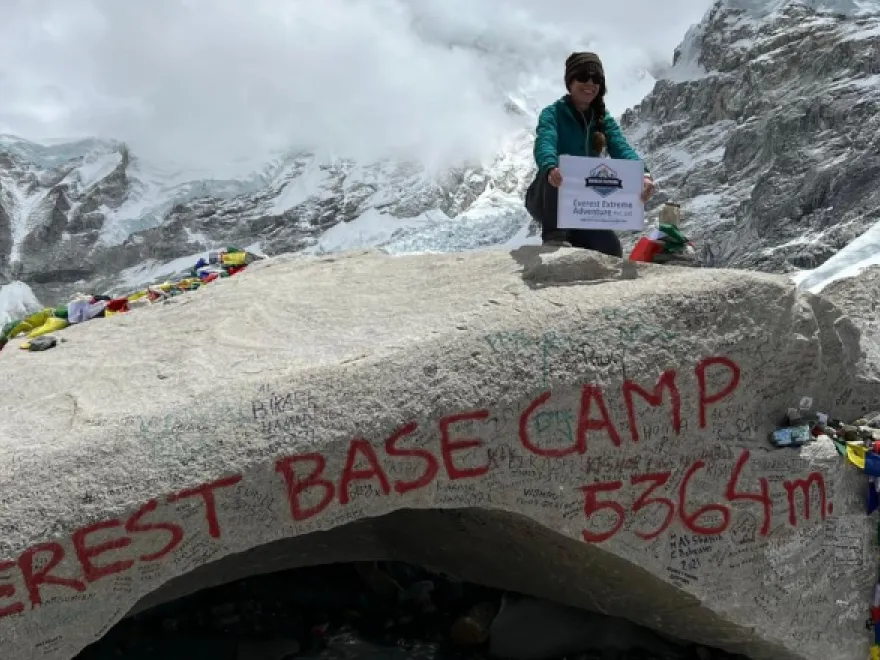
The Everest Base Camp Trek with Everest Extreme Adventure is a spectacular 16-day Himalayan journey through Nepal’s legendary Khumbu region. The adventure begins with arrival and hotel transfer in Kathmandu, followed by a scenic flight to Lukla and a trek toward Phakding. From there, the trail gradually climbs through Namche Bazaar, Tengboche, Dingboche, Lobuche, and Gorakshep before reaching the iconic Everest Base Camp at 5,364 meters. The itinerary includes acclimatization days at Namche Bazaar and Dingboche, helping trekkers adjust to the increasing elevation.
After visiting Everest Base Camp, the journey continues with an early-morning hike to Kala Patthar at approximately 5,545 meters, one of the finest viewpoints for panoramic Himalayan scenery. The return route passes through Lobuche, Pangboche, Namche Bazaar, and Lukla before flying back to Kathmandu. A dedicated spare day provides useful flexibility in case of Lukla flight delays or changing mountain weather.
The best seasons for the Everest Base Camp Trek are generally spring (March to May) and autumn (September to November). During these periods, the weather is usually more favorable for trekking, mountain visibility is often excellent, and the trails provide spectacular views of Everest, Lhotse, Nuptse, Ama Dablam, Pumori, and numerous other Himalayan peaks. Spring also brings colorful rhododendron forests, while autumn offers crisp mountain air and clear landscapes following the monsoon.
Winter trekking is possible for experienced and well-prepared travelers, although temperatures can become extremely cold at higher elevations and some facilities may operate with limited services. The monsoon months, particularly from mid-June to mid-September, can bring rain, clouds, wet trails, and flight disruptions. Everest Extreme Adventure can help travelers select a suitable departure period according to their preferences, experience, and tolerance for weather conditions.
3. Everest Base Camp Trek Difficulty and Transportation
The Everest Base Camp Trek is considered a moderate to challenging high-altitude trek. It does not normally require technical mountaineering skills, but trekkers should be prepared for long walking days, steep ascents and descents, rocky terrain, suspension bridges, thin air, and changing temperatures. The itinerary reaches more than 5,500 meters at Kala Patthar, making proper acclimatization especially important. Everest Extreme Adventure includes rest and acclimatization days at Namche Bazaar and Dingboche to support gradual adaptation to altitude.
Transportation mainly involves a domestic flight between Kathmandu and Lukla at the beginning and end of the trekking route. The flight takes around 30–45 minutes depending on operating conditions and weather. Since Lukla flights are highly weather-dependent, the itinerary includes a spare day in Kathmandu. During the trekking portion, transportation is replaced by walking, allowing travelers to experience villages, mountain trails, forests, rivers, monasteries, and dramatic Himalayan scenery at a natural pace.
Accommodation during the Everest Base Camp Trek is primarily provided in traditional teahouses and mountain lodges. These accommodations offer a simple and authentic Himalayan experience, generally with twin-sharing rooms and shared bathroom facilities. As the elevation increases, facilities become more basic, but trekkers can expect a warm dining area where they can relax after a day on the trail. Everest Extreme Adventure works with suitable lodges along the route to provide comfortable overnight stays according to availability.
Meals are generally served at the teahouses and include a mixture of Nepalese, Tibetan-influenced, and familiar international dishes. Popular choices include dal bhat, rice, noodles, pasta, potatoes, soups, vegetables, eggs, bread, and other simple energy-rich foods. Staying hydrated and eating sufficiently is important at high altitude. Trekkers should also carry personal snacks such as chocolate, energy bars, dried fruit, or nuts for additional energy during longer walking days.
The Everest Base Camp Trek requires the necessary permits and registrations for entering and trekking through the protected and local areas of the Khumbu region. Depending on current regulations, trekkers generally need a Sagarmatha National Park permit along with the required local area entry documentation. Permit requirements, fees, and procedures can change, so travelers should always follow the latest regulations applicable to their departure date.
Everest Extreme Adventure assists trekkers with the necessary permit arrangements and provides guidance regarding required travel documentation. Travelers should carry a valid passport and relevant copies, visa documentation, travel insurance information, flight details, and other important papers. Keeping digital and physical copies of essential documents is also recommended. Proper permits not only ensure compliance with local regulations but also support responsible travel and conservation within the Everest region.
Choosing the Everest Base Camp Trek means experiencing one of the world’s most iconic mountain journeys while exploring the remarkable landscapes and communities of the Khumbu region. The trail combines dramatic Himalayan scenery with meaningful cultural encounters, from the lively mountain town of Namche Bazaar to the peaceful surroundings of Tengboche Monastery and traditional Sherpa villages. Reaching Everest Base Camp and watching the sunrise from Kala Patthar creates unforgettable highlights for adventure travelers.
With Everest Extreme Adventure, the journey is structured around gradual acclimatization, experienced trekking support, practical planning, and flexibility for mountain conditions. The 16-day itinerary balances challenging trekking days with rest and acclimatization, while the spare day provides additional flexibility for Lukla flight disruptions. From Kathmandu to Lukla, through the heart of the Khumbu, and back again, the trek offers an immersive Himalayan experience filled with natural beauty, culture, adventure, and personal achievement.

Trekking Mode: Lodge and guesthouse accommodation from Lukla to Lukla.
Trek Grade: Moderate to adventurous due to high altitude.
Trekking Area: Khumbu–Everest region, Far North Mid-East Nepal.
Highest Point: Kala Patthar 5,545m / 18,192ft; Everest Base Camp 5,364m / 17,598ft.
People & Culture: Home to Sherpa communities following Tibetan Buddhist traditions.
Trekking Duration: 12 nights / 13 days from Lukla to Lukla.
Total Trip: 15 nights / 16 days, including arrival and departure.
Best Seasons: Spring (March–May) and autumn (September–November).
Monsoon: Mid-June to mid-September is generally wet and less suitable.
Winter Trek: Possible during Christmas and New Year, with cold temperatures but generally clear, sunny days and shorter daylight hours.
Everest Extreme Adventure’s 16-day Everest Base Camp Trek takes you deep into Nepal’s spectacular Khumbu region, combining scenic flights, rewarding mountain trails, Sherpa culture, and breathtaking Himalayan landscapes. After arriving in Kathmandu, the adventure begins with a flight to Lukla and a gradual trek through Phakding, Namche Bazaar, Tengboche, and Dingboche, allowing essential acclimatization along the way.
Continuing through Lobuche and Gorakshep, you’ll reach the legendary Everest Base Camp at 5,364m and enjoy an early-morning hike to Kala Patthar for magnificent views of Everest and surrounding peaks. The return journey passes through Pangboche, Namche, and Lukla before flying back to Kathmandu. A spare day provides flexibility for possible flight delays, making this carefully planned itinerary an unforgettable Himalayan adventure.
The trip begins with your arrival in the land of the majestic Himalayas. As per your scheduled flight, you land at Tribhuvan International Airport, located in Kathmandu, the capital of Nepal. At the airport, our staff will be waiting to welcome you, and after brief introductions, you head to the hotel and refresh. You join our team again to welcome dinner and discuss the details of the trek.
 Accommodation Hotel
 Meals Welcome Dinner
 Max. altitude 1,350m / 4,429ft.
After an early breakfast, you head to the airport and catch the first flight to Lukla. During the flight, you get to enjoy fantastic sceneries of the hills and mountains like Everest, Makalu, Cho Oyu, Kanchenjunga, etc. At Lukla, you meet the local team who will accompany you during this trek. After resting for a while, you start to trek. The trail goes up and down along the Dudh Koshi River. You pass by beautiful villages like Chauri Kharka and finally arrive at Phakding for overnight stay.
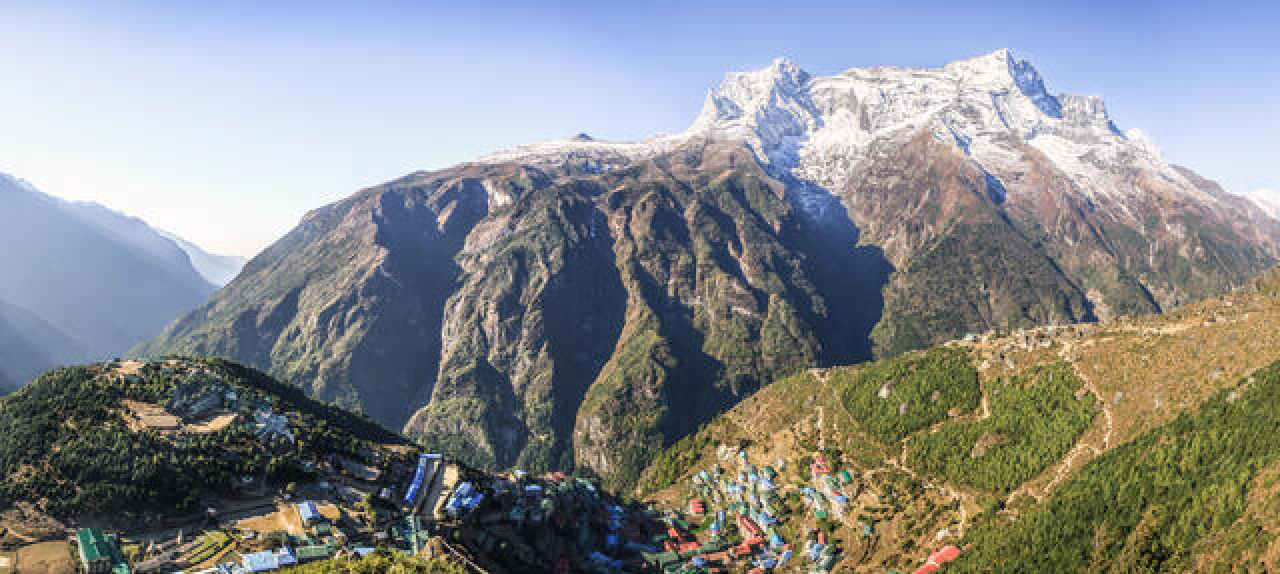
Accommodation Tea House / Lodge Meals Breakfast, Lunch and Dinner Max. altitude 2,610m / 8,563ft. After breakfast, you hit the trail that goes through the pine forest. After crossing various beautiful villages, you arrive at Monjo, where you need to show your permits to enter the Sagarmatha National Park. After completing the official procedures, you continue to walk through the forests and cross suspension bridges. Finally, you arrive at Namche Bazaar, the largest Sherpa town in the region for overnight stay.
Accommodation Tea House / Lodge Meals Breakfast, Lunch and Dinner Max. altitude 3,440m / 11,286ft. Since you’ll be trekking to more than 5,000m, it is crucial to acclimatize to avoid altitude sickness. So, we recommend you to keep your body active and do light exercises. After breakfast, you head to explore the Sherpa Culture Museum to learn more about the culture of the Sherpa people. Then, you head to the nearby beautiful village of Khumjung. Before dinner, you can roam around the market area.
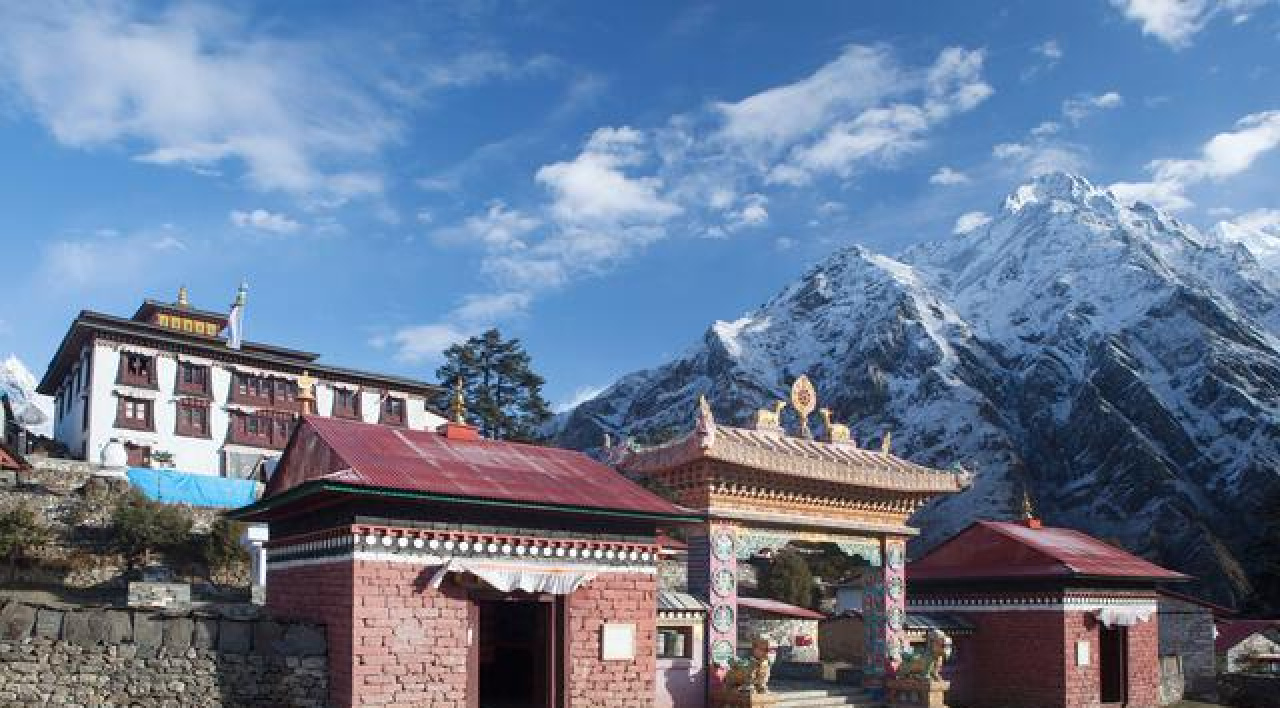
Accommodation Tea House / Lodge Meals Breakfast, Lunch and Dinner Max. altitude 3,440m / 11,286ft. The trek resumes after breakfast. You first ascend to Mong La Pass via stone steps. From the top, you get to see spectacular views of mountains like Ama Dablam and Thamserku. Then, you descend to the village of Sansa. The trail then takes to Phungi Tenga from where the trail ascends, and you arrive at Tengboche. Once you arrive, you head to explore the Tengboche Monastery after refreshing.
Accommodation Tea House / Lodge Meals Breakfast, Lunch and Dinner Max. altitude 3,867m / 12,687ft. The trek begins with the trail going through the dense pine forest. The trail then goes past several villages, and you arrive at Debouche. Continue the trek to arrive at Pangboche after crossing several Chortens. En route, you get to see incredible views of Ama Dablam, Thamserku, and Nuptse. You slowly ascend to Dingboche, where you stay overnight at a lodge.
Accommodation Tea House / Lodge Meals Breakfast, Lunch and Dinner Max. altitude 4,410m / 14,469ft. This is the second time you acclimatize so that your body can get used to the high elevations. After breakfast, you’ll hike to nearby places. The first place you visit is the beautiful Imja Valley, where you get to see amazing views of the landscape. Then, you head to Dingboche Ri, where you can see more spectacular views of the mountains and countryside.
Accommodation Tea House / Lodge Meals Breakfast, Lunch and Dinner Max. altitude 4,410m / 14,469ft. The trail starts with a descent to Pheriche village. The trail then takes you to Dughla. To reach there, you follow the river formed by the Khumbu Glacier. En route, you get to see amazing views of Lobuche Peak, Pumori, and Nuptse. After arriving at Dughla, the views of the mountains get more magnificent. Then, you ascend through the rugged terrain and arrive at Lobuche for the overnight stay. The village is located at the foothills of Lobuche Peak.
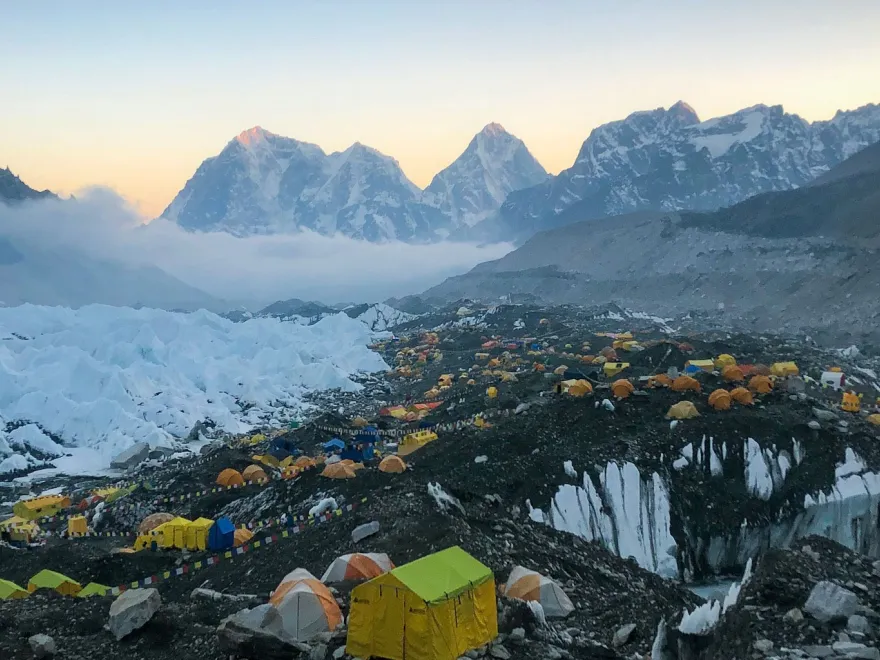
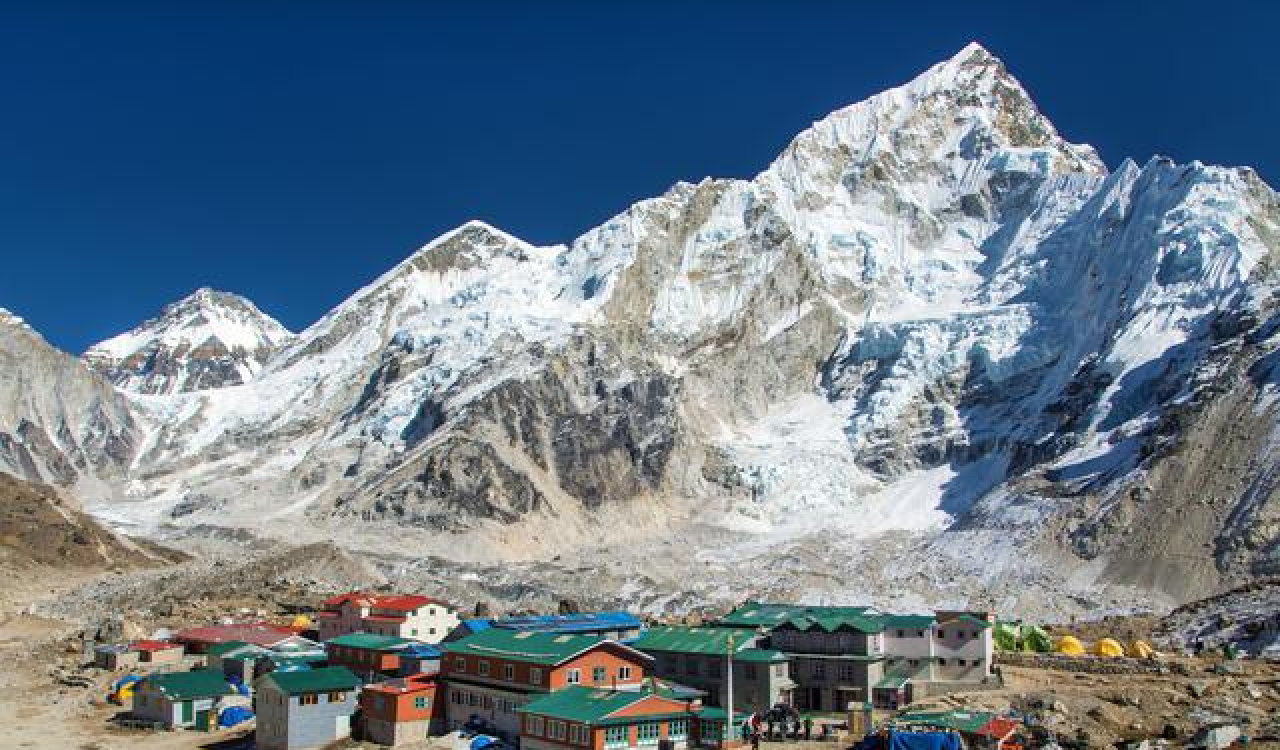
Accommodation Tea House / Lodge Meals Breakfast, Lunch and Dinner Max. altitude 4,900m / 16,076ft. After breakfast, you head to Gorakshep. The route is relatively easy and short. Once you reach Gorakshep, you steeply ascend to the Everest Base Camp. The Khumbu Glacier becomes more prominent as you gain elevation. Slowly, you also start to see the Khumbu Icefall and finally arrive at the base camp. You explore the region for a while and then descend back to Gorakshep for overnight stay.
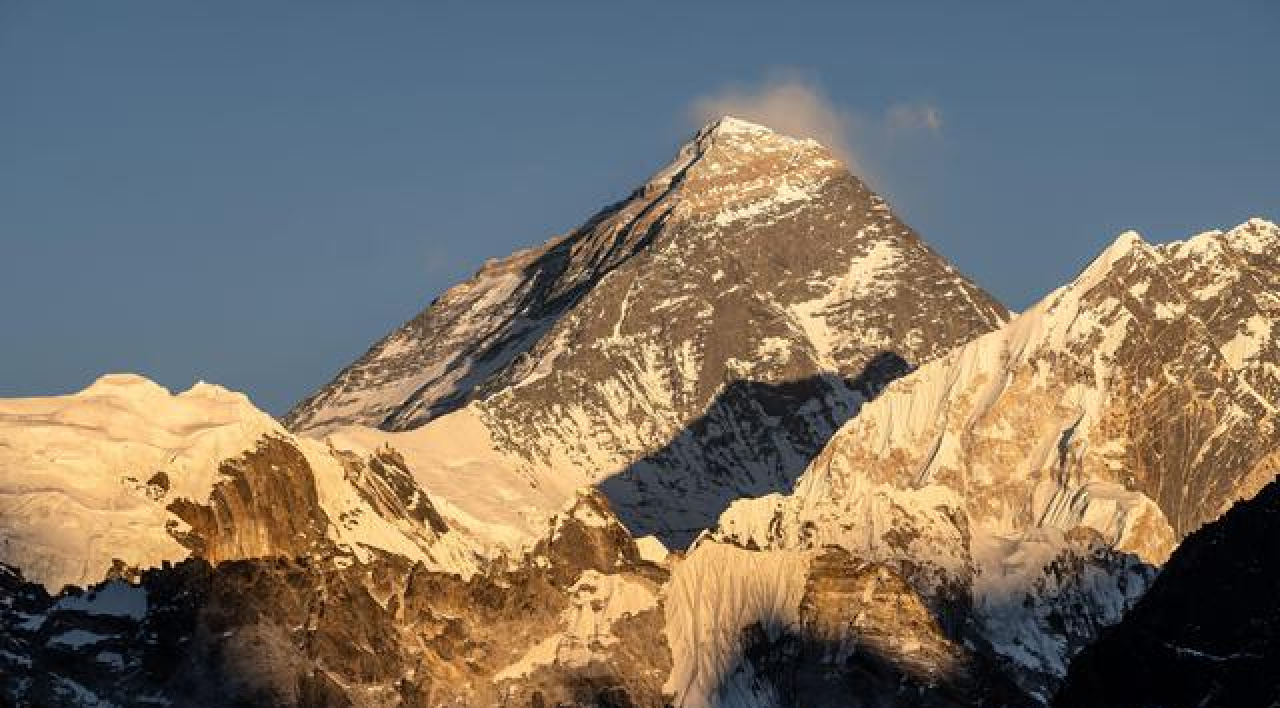
Accommodation Tea House / Lodge Meals Breakfast, Lunch and Dinner Max. altitude 5,130m / 16,831ft. You wake up before dawn and hike to Kalapatthar, one of the best viewpoints of the region. Walking along the narrow and steep path, you reach the top where the breathtaking views of Everest, Cho Oyu, Ama Dablam, Lhotse, Nuptse, and many more reward you. The sunrise makes the look more incredible. After soaking in the view, you head back to Gorakshep and have breakfast. The trek then continues as you retrace your steps back to Lobuche.
Accommodation Tea House / Lodge Meals Breakfast, Lunch and Dinner Max. altitude 4,920m / 16,142ft. Today, the trail goes all downhill till Pangboche. You pass by various rustic villages filled with farmlands. As you descend, the vegetation starts to grow back. En route, you get to see amazing views of Everest, Ama Dablam, Lhotse, Nuptse, and many more. Once you reach Pangboche, you refresh and head to explore the Pangboche Monastery. Overnight stay at the lodge.
Accommodation Tea House / Lodge Meals Breakfast, Lunch and Dinner Max. altitude 3,860m / 12,664ft. The trail continues to go downhill today as well. At specific points, you need to climb steep parts. You need to cross several suspension bridges as you walk through rhododendron forests. The views of the mountains are still magnificent, and you arrive at Namche Bazaar while admiring the views. You can rest among the many restaurants and cafes located in Namche
Accommodation Tea House / Lodge Meals Breakfast, Lunch and Dinner Max. altitude 3,440m / 11,286ft. Today is the last day of trekking in the Khumbu region. You climb a series of ups and downs as you walk through the rhododendron forests. Enjoy the views of the mountains as much as you can. You arrive at Lukla and celebrate the success of the trek. Enjoy a farewell dinner with the local team.
Accommodation Tea House / Lodge Meals Breakfast, Lunch and Dinner Max. altitude 2,840m / 9,318ft. You head to the airport early in the morning and catch the first flight back to Kathmandu. During the flight, enjoy the panoramic aerial views of the mountains and landscape one last time. From the airport, our staff will pick you up and take you to the hotel where you rest. During the free time before dinner, you can head to buy souvenirs. You join our staff for a farewell dinner in the evening.
Accommodation Hotel Meals Breakfast, Lunch and Dinner Max. altitude 1,350m / 4,429ft. If the flight got delayed due to bad weather or other technical issues, you head back to Kathmandu this day. Otherwise, you can enjoy your rest day in Kathmandu. You can head to explore the streets and markets on your own. You can also opt to relax at a cafe or head to the spa to treat your tired body.
Accommodation Hotel Meals Breakfast, Lunch and Dinner Max. altitude 1,350m / 4,429ft. The trip has come to an end after your successful trek to the Everest Base Camp. With this achievement, it’s now time for you to head back home. Before you depart for the airport, make sure that you have all your belongings with you. As per your scheduled flight, our staff will drop you off at the airport. Thank you for making unforgettable memories with us, and we hope you have a safe flight!
Accommodation NA Meals Breakfast Max. altitude 1,350m / 4,429ft. Everest Extreme Adventure recommends preparing carefully for your Everest Base Camp Trek, from flights and mountain accommodation to permits, insurance, health, safety, and local customs. The following key points will help you enjoy a safe, comfortable, and memorable Himalayan adventure.

Transportation: Domestic flights connect Kathmandu and Lukla; flights may be delayed or cancelled due to unpredictable mountain weather.

Accommodation & Meals: Stay in comfortable teahouses/lodges with basic facilities. Enjoy local and international meals, with plenty of water and nutritious food during the trek.

Money, Payments & Insurance: Carry sufficient Nepalese cash, as card and ATM services can be limited in remote areas. Budget extra for personal expenses, Wi-Fi, charging, hot showers, and tips. Comprehensive travel insurance covering high-altitude trekking, emergency evacuation, medical treatment, flight delays, and trip cancellation is strongly recommended.

Travel Documents: Carry a valid passport, Nepal visa, travel insurance details, permits, flight documents, and copies of important documents.

Sightseeing & Culture: Explore Namche Bazaar, Tengboche Monastery, traditional Sherpa villages, Buddhist prayer wheels, mani stones, and spectacular Himalayan viewpoints while respecting local traditions.

Off the Beaten Path: Enjoy quieter trails, traditional villages, peaceful monasteries, and less-crowded viewpoints along selected sections of the Khumbu region.

Travel Advisory: Follow your guide’s instructions, check weather and flight conditions, respect local regulations, and maintain flexibility because mountain conditions can change quickly.

Health & Safety: Acclimatize gradually, stay hydrated, walk at a comfortable pace, protect yourself from cold and sun, and immediately inform your guide about symptoms of altitude sickness.
Your Start Date is the day you land in Nepal, and your End Date is when you fly home.
If the set Everest Base Camp Trek group dates don’t suit your schedule, we can offer alternative dates upon request.
Everest Extreme Adventure offers a 16-day Everest Base Camp Trek itinerary, including arrival and departure days. The trekking portion begins with a flight from Kathmandu to Lukla and continues through Phakding, Namche Bazaar, Tengboche, Dingboche, Lobuche, and Gorakshep before reaching Everest Base Camp. The return route passes through Pangboche, Namche, and Lukla, with a spare day included for possible flight delays or additional rest.
The highest point of the itinerary is Kala Patthar, at approximately 5,545 meters, which provides spectacular views of Mount Everest, Lhotse, Nuptse, Pumori, and surrounding peaks. Everest Base Camp itself is situated at around 5,364 meters. Everest Extreme Adventure plans the route with acclimatization days to help trekkers gradually adjust to the increasing altitude.
The Everest Base Camp Trek is generally considered a moderate to challenging adventure because of the high altitude, long walking days, steep sections, rocky trails, and changing mountain weather. Previous trekking experience is helpful but not essential for reasonably fit travelers. Everest Extreme Adventure provides experienced guides and follows a gradual itinerary designed to support safe and comfortable progress.
Previous high-altitude trekking experience is not mandatory, but you should have a reasonable level of fitness and be comfortable walking for several hours on consecutive days. Training with regular walking, hiking, stairs, and cardiovascular exercise before the trip can be beneficial. Everest Extreme Adventure’s experienced guides provide practical support and help trekkers maintain a suitable pace throughout the journey.
The best approach is gradual acclimatization, a comfortable walking pace, adequate hydration, nutritious meals, and avoiding excessive alcohol. Pay attention to symptoms such as headache, dizziness, unusual tiredness, nausea, or difficulty breathing. Everest Extreme Adventure includes acclimatization days at Namche Bazaar and Dingboche. If symptoms become serious or worsen, inform your guide immediately and follow professional medical advice.
The Everest Base Camp route passes through communities strongly associated with Sherpa culture and Tibetan Buddhism. Trekkers can experience traditional villages, monasteries, prayer wheels, mani stones, colorful prayer flags, and local mountain lifestyles. Places such as Namche Bazaar, Tengboche, Dingboche, and Pangboche provide opportunities to interact respectfully with local communities and learn about their Himalayan traditions.
Yes, physically prepared beginners can join the trek, provided they understand the challenges of high-altitude walking and prepare adequately beforehand. The journey requires several hours of walking on uneven terrain each day, but technical climbing skills are generally not required. Everest Extreme Adventure provides experienced trekking guides who assist with route management, pacing, acclimatization, and general support throughout the adventure.
Essential items include warm layered clothing, a waterproof jacket, trekking trousers, sturdy hiking boots, warm socks, gloves, a hat, sunglasses, sunscreen, a sleeping bag suitable for cold conditions, a water bottle, personal medications, toiletries, and a headlamp. Everest Extreme Adventure can provide a more detailed packing checklist based on the season and current trekking conditions.
Comprehensive travel insurance is strongly recommended for the Everest Base Camp Trek. Your policy should ideally cover high-altitude trekking, medical treatment, emergency evacuation, trip cancellation, and travel delays. Mountain weather can also affect domestic flights between Kathmandu and Lukla. Everest Extreme Adventure recommends checking the policy carefully before departure to ensure that it specifically covers your planned trekking altitude and activities.
The best trekking periods are generally spring, from March to May, and autumn, from September to November. These seasons usually offer favorable trekking conditions, clearer mountain views, and more stable weather. Winter trekking is also possible but brings colder temperatures and shorter daylight hours, while the monsoon period can produce rain, clouds, and challenging trail conditions.
The traditional route begins with a short domestic flight from Kathmandu to Lukla, taking approximately 30–45 minutes depending on operating conditions. Lukla is the main gateway to the Everest trekking region. Flights are highly dependent on mountain weather, so Everest Extreme Adventure recommends keeping some flexibility in your schedule and using the included spare day for potential flight disruptions.
Mountain weather can occasionally cause Lukla flights to be delayed or cancelled. For this reason, the Everest Extreme Adventure itinerary includes a spare day that can provide flexibility for unexpected flight disruptions. If weather conditions affect your schedule, your trekking team will help coordinate the necessary arrangements and advise you about the best available alternatives.
Trekkers need the appropriate permits and registrations required for traveling through the Everest/Khumbu region. These commonly include the Sagarmatha National Park permit and the local area entry permit. Requirements can change, so Everest Extreme Adventure handles or advises on the necessary arrangements before and during the trek to help ensure that all required documentation is properly prepared.
Accommodation during the Everest Base Camp Trek is primarily in traditional teahouses and mountain lodges. Rooms are generally simple, clean, and comfortable, usually featuring twin beds and shared bathroom facilities. Facilities become more basic at higher elevations. Everest Extreme Adventure selects suitable available lodges along the route so trekkers can rest comfortably after each day’s hike.
Meals are generally available at teahouses and lodges, with options such as dal bhat, noodles, rice, pasta, soups, vegetables, eggs, bread, and other local or international dishes. Eating nutritious meals and drinking plenty of water is important at high altitude. Everest Extreme Adventure can also help travelers communicate dietary preferences or restrictions with accommodation providers along the route.