Group Adventure Dates.  4.9 of 489 reviews
 4.8 of 232 reviews
4.9 of 489 reviews 4.8 of 232 reviews 
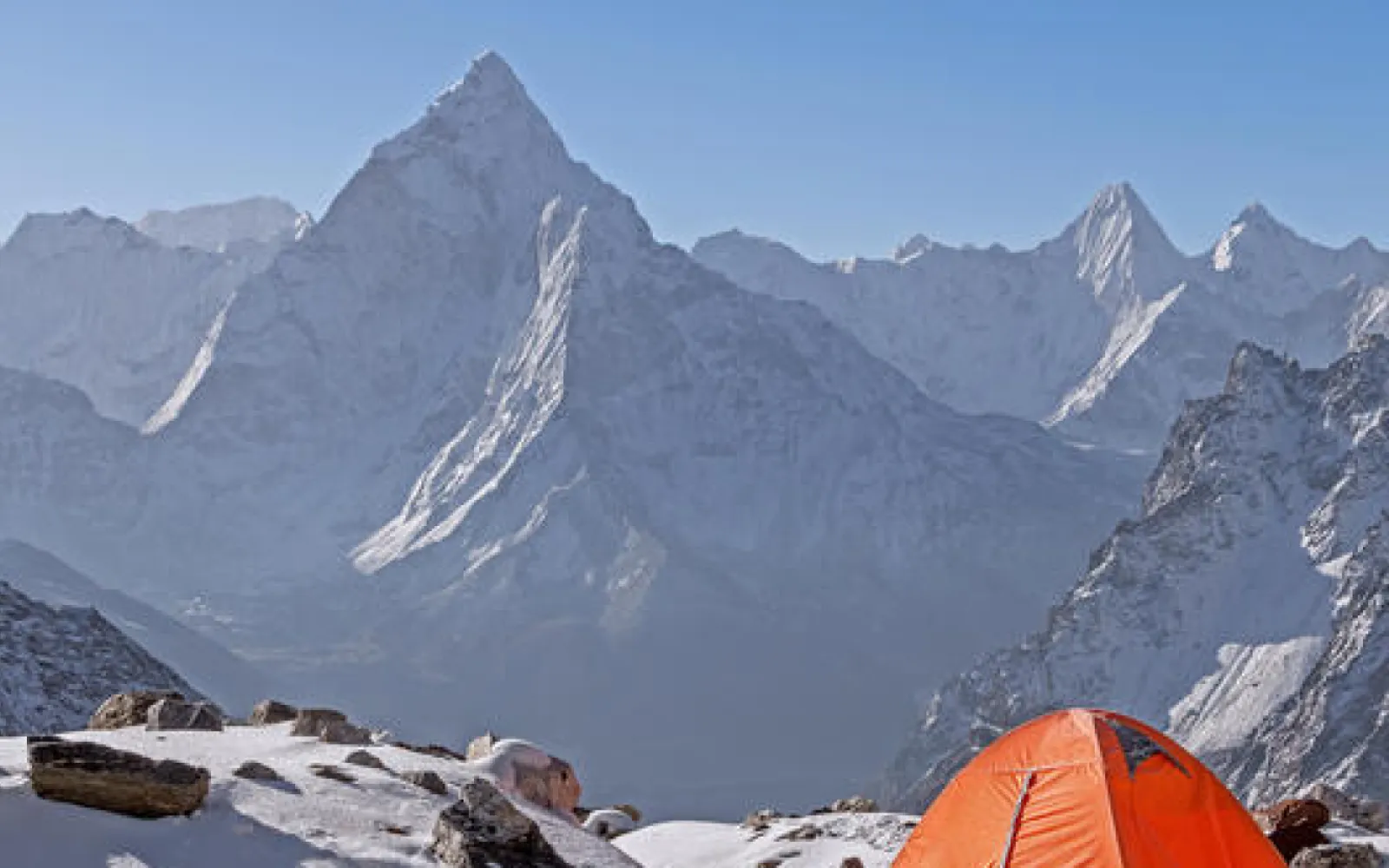
The Ama Dablam Expedition is one of the most iconic mountaineering adventures in the Nepal Himalayas, attracting experienced climbers from around the world. Located in the Everest region, Ama Dablam stands at 6,812 meters (22,349 feet) and is renowned for its dramatic ridges, steep rock faces, technical climbing sections, and spectacular Himalayan scenery. The mountain's distinctive shape and hanging glacier make it one of the most recognizable peaks in Nepal.
Everest Extreme Adventure offers a carefully planned Ama Dablam Expedition designed to help climbers experience the challenges and beauty of high-altitude mountaineering. The expedition combines a scenic flight to Lukla, trekking through traditional Sherpa villages, acclimatization in the Khumbu region, technical climbing preparation, and an attempt to reach the summit. With proper planning, experienced mountain guides, and suitable equipment, climbers can prepare for this demanding Himalayan adventure.
The Ama Dablam Expedition is an excellent objective for mountaineers seeking a challenging technical climb in the Himalayas. Unlike many trekking peaks, Ama Dablam requires more than physical fitness and endurance. Climbers need experience with crampons, ice axes, fixed ropes, ascenders, descenders, and technical movement on steep mountain terrain. The expedition involves long days, changing weather, high-altitude exposure, and demanding climbing sections that require concentration and sound decision-making.
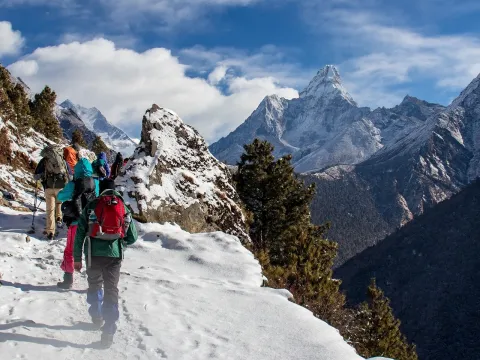
Everest Extreme Adventure organizes the expedition around gradual acclimatization, technical preparation, and a structured climbing schedule. After arriving in Kathmandu, climbers prepare their equipment and travel to Lukla before trekking through the Everest region. The route passes through well-known Sherpa settlements and provides opportunities to adjust to increasing altitude before reaching Ama Dablam Base Camp. Several days are allocated for acclimatization and pre-climb training, helping participants prepare for the technical challenges ahead.
A typical 30-day itinerary includes the following stages:
The exact schedule may change because of weather, flight delays, acclimatization requirements, route conditions, or the need for additional summit preparation. A summit attempt is never guaranteed, and climbers must be prepared to follow their expedition leader's safety decisions.
Ama Dablam is situated in the Khumbu region of Nepal's Himalayas, within the wider Everest trekking area. The mountain lies in the vicinity of the traditional Sherpa settlements of Pangboche and Dingboche and is visible from several sections of the Everest Base Camp trekking route. Its name is commonly translated as “Mother's Necklace,” referring to the mountain's distinctive shape and the hanging glacier that resembles a traditional pendant.
At 6,812 meters, Ama Dablam is significantly lower than Mount Everest, but its technical difficulty makes it a serious mountaineering objective. The mountain features steep rock walls, exposed ridges, snow-covered slopes, and sections of ice climbing. The standard South West Ridge route is the most commonly used climbing route and involves technical terrain where appropriate equipment, experience, and professional guidance are essential.
The surrounding landscape includes spectacular views of Everest, Lhotse, Nuptse, Thamserku, and other Himalayan peaks. The approach trek also introduces climbers to Sherpa culture, Buddhist monasteries, suspension bridges, alpine forests, and traditional mountain villages. These experiences make the expedition more than a summit attempt; it is also an opportunity to explore one of Nepal's most celebrated mountain regions.
Important mountain facts:
Choosing the right season is one of the most important decisions when planning an Ama Dablam Expedition. Weather conditions influence climbing safety, summit opportunities, route stability, and the overall experience. The two main climbing seasons are spring and autumn, when conditions in the Everest region are generally more suitable for Himalayan mountaineering.
The spring season (April–May) is a popular period for climbing Ama Dablam. Temperatures gradually become warmer, daylight hours are favorable, and climbers can benefit from a longer period of settled weather between storms. However, conditions can still change rapidly at high elevations, and snow accumulation, strong winds, and avalanche risks must be assessed throughout the expedition.
Autumn season (October–November) is another favored period because the monsoon has usually cleared, providing clearer skies and excellent mountain views. Cooler temperatures and strong winds can affect exposed ridges and higher camps, so climbers need appropriate clothing and careful weather planning. The exact timing of favorable conditions varies each year, and neither season guarantees safe summit weather.
Best time at a glance:
Everest Extreme Adventure can help climbers plan their departure around the expected climbing window and prepare for seasonal conditions. Before moving above base camp, the team should assess the forecast, snow and ice stability, route conditions, and climbers' acclimatization. The final summit schedule should remain flexible to allow a safe turnaround when conditions deteriorate.
The cost of an Ama Dablam Expedition depends on the expedition operator, group size, guiding arrangements, climbing support, accommodation standards, and the services included in the package. Because Ama Dablam is a technical mountain, the overall budget generally includes more than the cost of trekking in the Everest region. Climbers must account for climbing permits, experienced guides, high-altitude support, technical equipment, base camp logistics, food, transportation, and insurance.
When booking with Everest Extreme Adventure, climbers should request a detailed quotation that clearly separates included services from additional expenses. This makes it easier to compare expedition packages and understand what is required before departure. The final price should be confirmed directly with the company because permit charges, operational expenses, equipment arrangements, and support services can change between seasons.
Main cost components:
The expedition cost should also be evaluated in terms of safety and service quality. A package offering experienced technical guides, reliable communications, appropriate group ratios, well-organized base camp support, and a clear emergency response plan may provide greater value than a cheaper package with limited services.
For an accurate Ama Dablam Expedition price, contact Everest Extreme Adventure and ask for the current seasonal quotation, payment schedule, cancellation policy, inclusions, exclusions, and required personal equipment list. A specific price should not be assumed without confirmation from the company.
The Ama Dablam Expedition begins in Kathmandu and follows the classic trekking approach through the Khumbu region before reaching Ama Dablam Base Camp. The journey gradually increases in altitude, allowing climbers to experience the Himalayan landscape while preparing their bodies for the demands of technical climbing. The itinerary combines trekking, acclimatization, pre-climb training, climbing rotations, and a planned descent after the summit attempt.
Everest Extreme Adventure can coordinate the approach trek and climbing schedule around the group's experience, weather conditions, and acclimatization needs. The following route provides a general overview of the 30-day itinerary. Walking times are approximate and can vary with fitness, trail conditions, weather, and rest stops.
Day 1: Arrival in Kathmandu (1,400 m)
Arrive in Kathmandu, Nepal's capital, and transfer to your hotel. The first day allows time to recover from international travel, meet the expedition team, and review the general schedule. Depending on your arrival time, you may also explore the surrounding area or rest before the expedition briefing.
Day 2: Trip Preparation Day
Spend the day preparing for the expedition. The team can check climbing equipment, review essential clothing and personal gear, confirm travel arrangements, and discuss safety procedures. This is also an important opportunity to review the itinerary, insurance arrangements, and any outstanding permit or documentation requirements.
Day 3: Fly to Lukla (2,800 m) and Trek to Phakding (2,652 m)
Take a scenic flight to Lukla, the principal gateway to the Everest region. After meeting the local trekking team and organizing your equipment, begin the trek toward Phakding through mountain villages, forested trails, and suspension bridges.
The walk generally takes around three to four hours, depending on conditions and the starting point. Although the distance is relatively short, the first trekking day provides an opportunity to adjust to the trail and begin the gradual transition to higher elevations.
Day 4: Trek from Phakding to Namche Bazaar (3,440 m)
Continue along the Dudh Koshi River, crossing suspension bridges and passing through villages such as Monjo and Jorsale. The trail enters Sagarmatha National Park before climbing steeply toward Namche Bazaar, the main trading and acclimatization center of the Khumbu region.
Expect approximately five to six hours of trekking, although the steep ascent can take longer. Namche Bazaar provides accommodation, shops, bakeries, and opportunities to check equipment and prepare for the higher elevations ahead.
Day 5: Acclimatization in Namche Bazaar (3,440 m)
Spend a day acclimatizing in Namche Bazaar to help your body adjust to the reduced oxygen availability at altitude. An acclimatization day does not necessarily mean complete inactivity; a short hike to a higher viewpoint followed by a return to Namche can support gradual adaptation when appropriate.
Use the day to drink enough fluids, eat well, rest, and monitor how you feel. Persistent headaches, nausea, unusual fatigue, dizziness, or worsening breathlessness should be reported to the expedition leader, as these may indicate altitude-related illness.
Day 6: Trek from Namche Bazaar to Debuche (approximately 3,860 m)
Leave Namche Bazaar and follow the trail toward Tengboche, enjoying panoramic views of the surrounding Himalayan peaks. The route passes through forested sections and traditional settlements before reaching the famous Tengboche Monastery area. Continue toward Debuche for the night's accommodation.
The trek generally takes around five to six hours, depending on the route and pace. As the elevation increases, maintain a steady walking rhythm and take regular breaks rather than pushing too hard.
Day 7: Trek from Debuche to Dingboche (4,240 m)
Continue through the Khumbu landscape, passing Pangboche and following trails with views of Ama Dablam and neighboring peaks. The terrain gradually changes as the trail moves above the forest line toward the more open alpine environment around Dingboche.
Allow approximately five hours or more for the day's trek, depending on conditions. Dingboche is an important acclimatization stop where climbers can rest, assess their health, and prepare for the approach to Ama Dablam Base Camp.
Day 8: Acclimatization Day
Spend another day acclimatizing in the Dingboche area before proceeding to higher elevations. A suitable acclimatization hike may be organized according to the group's condition, weather, and the expedition leader's recommendations.
The focus is on gradual adaptation, nutrition, hydration, and recovery. Acclimatization is particularly important before a technical climb, where physical exertion, cold temperatures, and limited oxygen can increase the risk of altitude-related problems.
Day 9: Trek from Dingboche to Ama Dablam Base Camp (approximately 4,570 m)
Continue toward Ama Dablam Base Camp, following the approach trail through the alpine terrain of the Khumbu region. The route offers increasingly impressive views of Ama Dablam's ridges and surrounding glaciers as the mountain comes closer.
The trek may take around five to six hours, depending on the exact route and camp location. On arrival, the team will establish or organize camp, review the immediate environment, and prepare for the technical training and acclimatization period ahead.
Day 10: Acclimatization and Pre-Climb Training at Ama Dablam Base Camp
Use the day to become familiar with base camp and begin structured technical preparation. Training may cover crampon use, ice-axe techniques, fixed-rope travel, ascending and descending on ropes, clipping into protection, and safe movement on exposed terrain.
The climbing team should also inspect personal and group equipment, review communication procedures, and explain the planned climbing route. Climbers should use this time to identify any gaps in their technical skills before moving onto more demanding sections of the mountain.
Days 11–25: Acclimatization, Technical Training, and Climbing Period
This extended period is dedicated to acclimatization, technical training, climbing rotations, route preparation, and potential summit attempts. Depending on conditions and the expedition plan, climbers may practice on suitable nearby terrain, travel to higher camps, and return to lower elevations to support acclimatization and recovery.
The standard South West Ridge route involves technical rock, snow, and ice sections, as well as exposed ridges and fixed-rope climbing. Depending on route conditions and the team's assessment, climbing commonly involves Camp 1 at approximately 5,700 m, Camp 2 at approximately 5,900 m, and Camp 3 at around 6,300 m. Actual camp locations and the use of higher camps may vary.
The summit attempt depends on weather, route stability, individual health, and the team's progress. Not every day in this period will be a climbing day; rest, recovery, equipment checks, and waiting for suitable weather are essential parts of a responsible expedition.
Main activities during Days 11–25:
Day 26: Trek from Ama Dablam Base Camp to Tengboche
After completing the climbing period, pack your equipment and begin descending from Ama Dablam Base Camp toward Tengboche. The descent returns you to lower elevations and offers another opportunity to appreciate the Khumbu landscape after the expedition's demanding technical phase.
The day's duration depends on the exact base camp location, trail conditions, and pace. On reaching Tengboche, rest, enjoy the mountain surroundings, and prepare for the return journey through the main trekking route.
Day 27: Trek from Tengboche to Namche Bazaar
Continue descending toward Namche Bazaar along established trails through forested areas and traditional Sherpa settlements. The route includes several changes in elevation, so trekking poles can help reduce strain on the knees during the descent.
Namche Bazaar offers an opportunity to relax, enjoy a warm meal, and reflect on the expedition. It is also a convenient place to organize belongings and prepare for the final trek to Lukla.
Day 28: Trek from Namche Bazaar to Lukla
Begin the final trekking stage toward Lukla, retracing the route along the Dudh Koshi River and passing through villages and suspension bridges. Although the route is mostly downhill overall, several uphill sections can make the day physically demanding.
After reaching Lukla, settle into your accommodation and confirm the next day's flight arrangements. Flight schedules in the Everest region can change because of weather, so maintaining flexibility is important.
Day 29: Flight from Lukla to Kathmandu
Take the scheduled flight from Lukla back to Kathmandu, subject to weather and operational conditions. Once in the capital, transfer to your hotel and enjoy time to rest after the trek and climbing expedition.
If flight delays occur, additional nights may be necessary. Climbers should therefore maintain some flexibility in their international travel plans and consider contingency arrangements when budgeting for the expedition.
Day 30: Final Departure
Transfer to Tribhuvan International Airport for your international departure, according to your flight schedule. This marks the end of the planned Ama Dablam Expedition itinerary with Everest Extreme Adventure.
Before leaving, confirm that all personal belongings, travel documents, and equipment have been collected. The expedition concludes with memories of the Khumbu region, its mountain scenery, and the technical challenges of one of Nepal's most recognizable peaks.
Important route and safety note: This itinerary is a general planning outline, not a guarantee of summit success or a substitute for an individualized climbing plan. Ama Dablam is a serious technical mountain, and the expedition schedule, climbing camps, route conditions, and summit window must be determined by qualified mountain professionals. Climbers should have suitable prior mountaineering experience, appropriate insurance, and the fitness and skills required for sustained high-altitude technical climbing.
Ama Dablam is considered one of the most challenging technical mountains in Nepal because of its steep rock faces, exposed ridges, snow slopes, and sections of ice climbing. Although its elevation of 6,812 meters is lower than Mount Everest, the mountain demands advanced mountaineering skills, strong physical fitness, and the ability to make safe decisions in difficult high-altitude conditions. Climbers must be comfortable working with fixed ropes, using technical equipment, and moving securely across exposed terrain while carrying out a demanding expedition schedule.
Everest Extreme Adventure recommends that climbers gain substantial mountaineering experience before attempting Ama Dablam. Previous experience on high-altitude mountains, familiarity with crampons and ice axes, and confidence using ascenders and descenders are important preparation. Climbers should also understand how altitude affects physical performance and recognize symptoms of acute mountain sickness. Professional guidance and training are essential, but they do not replace the technical experience required to climb safely.
Skills and experience required for the Ama Dablam Expedition:
Climbers who have limited technical experience should consider gaining additional training and completing appropriate mountaineering objectives before attempting Ama Dablam. Everest Extreme Adventure can help prospective participants understand the expedition's demands and identify the preparation required for their experience level. The final decision to participate should be based on an honest assessment of fitness, technical ability, and previous climbing experience.
The Ama Dablam Expedition itinerary is designed to provide time for trekking, acclimatization, technical preparation, climbing rotations, and a potential summit attempt. The journey begins in Kathmandu, where climbers meet the expedition team, check equipment, and complete essential preparations. After traveling to Lukla, the team follows the classic Khumbu trekking route through Phakding, Namche Bazaar, Debuche, and Dingboche before approaching Ama Dablam Base Camp.
Everest Extreme Adventure plans the expedition around a gradual increase in altitude and a flexible climbing schedule. Acclimatization days allow climbers to adjust to thinner air, while the extended period at base camp provides opportunities to practice technical skills and prepare for higher camps. Weather, route conditions, and individual health determine when a summit attempt can safely take place, so the itinerary may change during the expedition.
Typical 30-day Ama Dablam Expedition itinerary:
The climbing phase may involve Camp 1, Camp 2, and Camp 3, depending on the selected route, conditions, and the expedition leader's assessment. Summit attempts are generally planned during suitable weather windows, but reaching the summit is never guaranteed. Additional rest days or schedule changes may be necessary because of snowfall, strong winds, altitude-related symptoms, or transportation delays.
For a successful expedition, climbers should remain flexible and prioritize safety over a fixed timetable. Everest Extreme Adventure can coordinate the trekking and climbing arrangements while adjusting the operational schedule to changing mountain conditions. Participants should also allow extra time in their international travel plans in case flights to or from Lukla are delayed.
Climbing Ama Dablam offers an intense Himalayan adventure that combines trekking through traditional mountain villages with technical mountaineering on exposed ridges and steep slopes. The journey begins with scenic views of the Khumbu region, where climbers pass suspension bridges, Buddhist monasteries, alpine forests, and Sherpa settlements. As the trail climbs higher, the landscape becomes more rugged, and the distinctive profile of Ama Dablam dominates the surrounding mountain scenery.
The experience changes considerably after reaching base camp. Climbers must adapt to colder temperatures, reduced oxygen levels, and a more demanding daily routine. Training sessions, equipment checks, weather briefings, and acclimatization rotations become central to expedition life. The higher sections of the mountain require careful footwork, secure rope techniques, and sustained concentration, particularly on exposed ridges where weather and snow conditions can change quickly.
What climbers can expect during the expedition:
Everest Extreme Adventure aims to organize a structured expedition in which preparation, communication, and responsible decision-making remain priorities. Experienced mountain professionals can provide guidance on climbing techniques, acclimatization, and route conditions, while climbers remain responsible for following safety instructions and reporting health concerns promptly.
It is important to understand that the Ama Dablam climbing experience involves real risks. Strong winds, avalanches, falling ice or rock, crevasse hazards, altitude illness, and sudden weather changes can affect progress. The expedition leader may delay or cancel a summit attempt when conditions are unsafe. A responsible climbing experience is measured not only by reaching the summit but also by making sound decisions and returning safely.
Ama Dablam Base Camp, located at approximately 4,570 meters depending on the camp arrangement, serves as the main operational center for the climbing expedition. After trekking from Dingboche, climbers settle into camp, organize their personal equipment, and become familiar with the surrounding terrain. The base camp environment is more remote than the villages along the approach route, so climbers should expect simpler facilities, colder conditions, and limited access to everyday conveniences.
Facilities vary according to the expedition package and the operator's arrangements. A supported expedition may provide sleeping tents, communal dining facilities, prepared meals, basic washing arrangements, and a designated area for storing and checking climbing equipment. Communication systems, charging options, medical supplies, and emergency equipment should be confirmed with Everest Extreme Adventure before departure rather than assumed to be included.
Base camp facilities and services to confirm:
Acclimatization is one of the most important aspects of preparing for the climb. The approach trek includes rest days in Namche Bazaar and Dingboche before the group reaches base camp. Once at base camp, the team may organize additional acclimatization activities and climbing rotations according to individual health, weather, and the planned route. Moving higher gradually and allowing sufficient recovery time can reduce the risk of altitude-related illness, although acclimatization does not eliminate that risk.
Pre-climb preparation typically includes checking harnesses, helmets, crampons, ice axes, ascenders, descenders, carabiners, and other technical equipment. Climbers may also practice fixed-rope techniques, review communication signals, and discuss emergency procedures. Everest Extreme Adventure should provide clear information about the facilities and training available under its specific package so participants can prepare appropriately.
Having the correct equipment is essential for the Ama Dablam Expedition because climbers encounter cold temperatures, high winds, steep snow and ice, and exposed technical terrain. Equipment must be suitable for high-altitude mountaineering rather than ordinary trekking. Proper layering, well-fitting boots, reliable technical gear, and appropriate protection from the cold help climbers manage the conditions encountered during the approach trek and climbing phase.
Everest Extreme Adventure can provide an expedition-specific equipment checklist and clarify which items are supplied by the company and which must be brought or rented by each participant. Climbers should check all equipment before leaving Kathmandu and ensure that technical gear fits properly and is compatible with the ropes and systems used by the expedition team. Damaged, unfamiliar, or unsuitable equipment should be replaced before the climb begins.
Essential clothing and personal equipment:
Technical climbing equipment:
Health, safety, and personal essentials:
The final equipment list should be reviewed with the expedition organizer before departure because exact requirements depend on the route, weather forecast, climbing style, and services included in the package. Some group equipment, such as ropes, tents, and other shared technical supplies, may be provided, while personal climbing equipment may remain the responsibility of each participant.
Climbers should avoid carrying unnecessary items that add weight without improving safety or comfort. At the same time, essential protective equipment should never be omitted simply to reduce baggage. Careful preparation, suitable clothing, properly fitted technical gear, and familiarity with every piece of equipment help participants approach the Ama Dablam Expedition with greater confidence.
With appropriate training, reliable equipment, and professional logistical support from Everest Extreme Adventure, climbers can prepare for the physical and technical demands of Ama Dablam while maintaining a strong focus on safety throughout the expedition.
Climbing Ama Dablam requires the appropriate mountaineering permits and compliance with Nepal's expedition regulations. As Ama Dablam reaches 6,812 meters and involves technical alpine climbing, climbers must arrange the necessary permissions before attempting the mountain. Permit requirements, government fees, documentation, and administrative procedures may change depending on the season and current regulations, so it is important to verify the latest requirements before departure.
Everest Extreme Adventure can help climbers understand the permit process and coordinate the necessary expedition arrangements. Depending on the applicable rules and the services included in the package, arrangements may cover the climbing permit, required local documentation, national park entry permissions, and other relevant administrative formalities. Climbers should confirm which permits are included in their package and which costs, if any, must be paid separately.
Important permit and regulatory considerations:
Permit costs should be confirmed using current official information rather than relying on outdated online quotations. The total expedition budget may also include national park entry fees, local charges, administrative services, and other required payments. Everest Extreme Adventure should provide a clear breakdown of the relevant charges and explain which arrangements are handled by the company.
Climbers must also respect environmental and safety regulations throughout the expedition. Responsible waste disposal, proper use of climbing camps, compliance with route restrictions, and cooperation with the expedition team help protect the fragile Himalayan environment. Completing the required paperwork before the trip can reduce unnecessary delays and allow climbers to concentrate on preparation and acclimatization.
Ama Dablam is a demanding technical mountain where climbers face a combination of high altitude, steep terrain, exposed ridges, and unpredictable Himalayan weather. Although the mountain is famous for its striking appearance, it should not be underestimated because of its elevation being lower than Mount Everest. The standard South West Ridge includes challenging rock, snow, and ice sections that require technical proficiency, concentration, and appropriate safety equipment.
Everest Extreme Adventure emphasizes the importance of preparation, professional mountain leadership, and responsible decision-making throughout the expedition. Even experienced climbers can encounter unexpected difficulties caused by strong winds, snowfall, falling ice, fatigue, or altitude-related illness. A well-organized expedition should include regular weather assessments, communication procedures, emergency planning, and a willingness to delay or abandon a summit attempt when conditions become unsafe.
Major risks and challenges on Ama Dablam include:
Safety begins well before reaching base camp. Climbers should disclose relevant health concerns to their medical professionals, obtain suitable mountaineering insurance, maintain adequate fitness, and ensure that their technical skills match the route. During the expedition, it is essential to report symptoms early, follow the guide's instructions, stay within the agreed climbing system, and avoid taking unnecessary risks to maintain a schedule.
Acclimatization must be treated as a priority rather than a formality. Symptoms that worsen at altitude should never be ignored, and suspected serious altitude illness requires prompt assessment and descent when indicated. Confusion, difficulty walking straight, breathlessness at rest, or other severe symptoms require urgent action. Supplemental oxygen, medication, and evacuation arrangements should be managed according to an appropriate medical and emergency plan.
A successful expedition is not defined solely by reaching the summit. Everest Extreme Adventure and its climbers should prioritize returning safely, even when that means changing the itinerary or abandoning a summit attempt. Careful preparation and professional support can help manage risk, but no guide or operator can eliminate the inherent dangers of high-altitude mountaineering.
Physical preparation is essential for the Ama Dablam Expedition because the journey combines several days of trekking with demanding technical climbing at elevations above 5,000 meters. Climbers must be able to sustain effort over long periods, recover between demanding days, carry appropriate equipment, and maintain concentration while moving through challenging terrain. Good fitness also supports the approach trek and can make it easier to manage the physical demands of acclimatization.
Everest Extreme Adventure recommends beginning a structured training program several months before departure, with the precise duration depending on the climber's current fitness and experience. Training should develop cardiovascular endurance, leg and core strength, balance, mobility, and the ability to move efficiently with a loaded backpack. Physical preparation should be combined with technical mountaineering practice because general fitness alone does not provide the skills required for Ama Dablam's steep and exposed sections.
Key areas of physical preparation:
A practical training schedule can include three to four aerobic sessions each week, one or two strength sessions, and regular hiking sessions that gradually increase in duration and elevation gain. As the expedition approaches, training should become more specific to mountain conditions, with longer hikes, controlled descents, and appropriate backpack loads. The schedule should be adjusted to the individual's experience and recovery capacity rather than followed rigidly.
Technical preparation is equally important. Climbers should be confident using crampons on steep terrain, managing an ice axe, ascending and descending fixed ropes, operating their personal safety equipment, and moving efficiently while wearing gloves and a helmet. These skills should be practiced before the expedition, not learned for the first time on a difficult section of Ama Dablam.
Nutrition, hydration, and recovery are essential parts of preparation. Eat a balanced diet, maintain consistent sleep habits, and avoid suddenly increasing training intensity. Anyone with significant health concerns or a long period of inactivity should seek medical advice before beginning a demanding program. With structured training and suitable technical experience, climbers can arrive better prepared for the challenges of Ama Dablam.
Ama Dablam and Island Peak are both popular mountaineering objectives in Nepal's Khumbu region, but they offer substantially different climbing experiences. Island Peak, also known as Imja Tse, reaches approximately 6,189 meters and is frequently selected by trekkers who want an introduction to Himalayan mountaineering. Ama Dablam rises to 6,812 meters and requires a higher level of technical competence because of its sustained exposed ridges, steep climbing sections, and more complex route.
For many climbers, Island Peak can be a suitable step toward developing high-altitude mountaineering experience, provided they have appropriate preparation and professional support. Ama Dablam is generally better suited to experienced mountaineers who already possess strong technical skills and have completed demanding alpine or high-altitude climbs. Neither mountain should be considered easy, and both require careful acclimatization, suitable equipment, and respect for changing mountain conditions.
Ama Dablam vs. Island Peak:
Elevation:
General Difficulty:
Technical Demands:
Recommended Experience:
Typical Expedition Style:
Main Appeal:
Preparation:
Which mountain should you choose?
Choose Ama Dablam if:
Consider Island Peak if:
Everest Extreme Adventure can help climbers compare expedition requirements, logistics, and preparation needs before selecting a mountain. Your choice should depend on demonstrated technical ability, previous altitude experience, available time, and comfort with exposure rather than summit elevation alone.
Climbers should also remember that Island Peak is not simply a trekking destination. Glacier travel, steep snow, fixed ropes, crevasse hazards, and rapidly changing weather can all create serious challenges. For either mountain, the right preparation and an honest assessment of experience are essential to making a responsible choice.
A successful Ama Dablam Expedition begins with realistic preparation, a flexible schedule, and a strong commitment to safety. The mountain's technical terrain and high altitude mean that climbers must be ready to adjust their plans when weather, route conditions, or individual health make progress unsafe. Rather than focusing exclusively on reaching the summit, climbers should concentrate on preparing thoroughly, improving their skills, acclimatizing appropriately, and making good decisions throughout the journey.
Everest Extreme Adventure can assist with expedition planning, trekking logistics, climbing support, and preparation for the standard South West Ridge route. Climbers should communicate openly with the expedition team, understand the itinerary, and confirm the services included in their package. They should also be prepared for delays, additional rest days, or a summit attempt being postponed or canceled because of mountain conditions.
Expert tips for preparing for Ama Dablam:
One of the most important principles is to avoid treating the summit as a deadline. Strong winds, unstable snow, falling ice, or deteriorating health can make an otherwise achievable objective unsafe. Climbers should agree on clear turnaround criteria with their guide and understand that reaching a particular altitude is never more important than returning safely.
Mental preparation is also valuable. High-altitude expeditions involve discomfort, uncertainty, demanding routines, and periods of waiting for suitable weather. Patience, teamwork, honest communication, and the willingness to adapt can make a substantial difference to the expedition experience. Climbers should avoid comparing their progress with other teams or taking unnecessary risks to keep pace with a schedule.
Finally, work closely with Everest Extreme Adventure to confirm the current permit requirements, package inclusions, equipment list, emergency arrangements, and planned climbing strategy before departure. With suitable experience, careful preparation, responsible leadership, and a flexible approach to changing conditions, climbers can give themselves a stronger foundation for attempting Ama Dablam while keeping safety at the center of the expedition.
Our travel experts are ready to assist you with any questions.
Send us a message.
A Mount Everest Expedition in Nepal is one of the most challenging and rewarding adventures in the world. Standing at 8,848.86 meters (29,031.7 feet) above sea level, Mount Everest attracts experienced mountaineers from across the globe who dream of reaching the highest point on Earth. However, climbing Everest requires much more than determination.
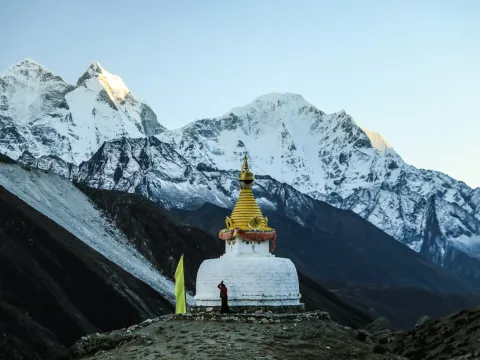
Nepal is a remarkable year-round destination offering Himalayan trekking, mountain tours, cultural experiences, wildlife adventures, scenic journeys, and exciting outdoor activities. However, the best time to explore Nepal depends on the type of adventure you are planning, the destination you want to visit, and the weather conditions you prefer. Each season brings its own beauty, from blooming rhododendrons in spring and clear mountain views in autumn to lush landscapes during monsoon and snowy scenery in winter.
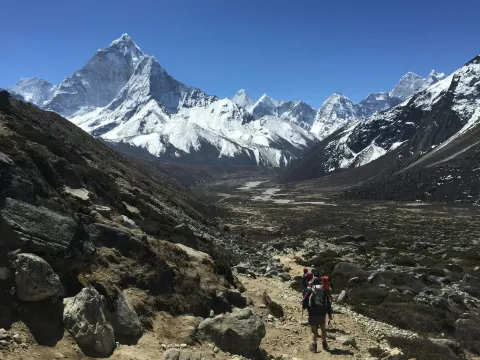
Nepal is one of the world’s most spectacular destinations for trekking, offering an extraordinary combination of towering Himalayan peaks, ancient mountain communities, diverse landscapes, and rich cultural traditions. From the legendary trails of Everest to the peaceful valleys of Langtang and the remote wilderness of Kanchenjunga, Nepal has trekking routes for both experienced adventurers and travelers seeking their first Himalayan experience.
Have a question before you book? Send your enquiry below and our travel experts will get back with the required information.