Group Adventure Dates.  4.9 of 489 reviews
  4.8 of 232 reviews
4.9 of 489 reviews 4.8 of 232 reviews 
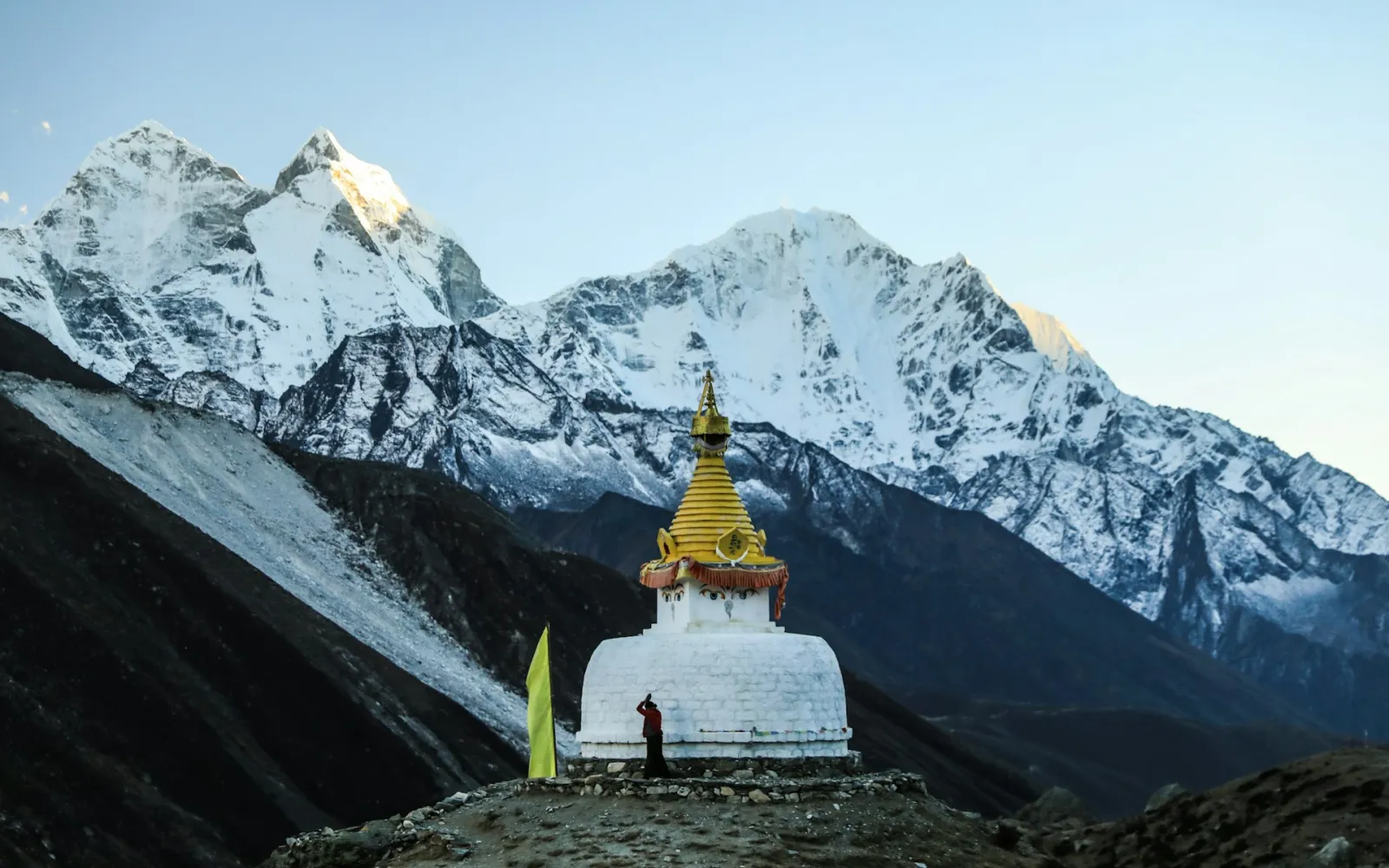
Nepal is a remarkable year-round destination offering Himalayan trekking, mountain tours, cultural experiences, wildlife adventures, scenic journeys, and exciting outdoor activities. However, the best time to explore Nepal depends on the type of adventure you are planning, the destination you want to visit, and the weather conditions you prefer. Each season brings its own beauty, from blooming rhododendrons in spring and clear mountain views in autumn to lush landscapes during monsoon and snowy scenery in winter.
For travelers planning their journey with Everest Extreme Adventure, understanding Nepal's seasonal conditions is an important part of creating the right itinerary. Spring and autumn are generally considered the most favorable seasons for many high-altitude treks, while winter can be excellent for lower-altitude adventures and cultural tours. Monsoon also offers unique opportunities, particularly in rain-shadow regions and for travelers seeking greener landscapes and fewer crowds.
Choosing the right season can make your Nepal adventure more comfortable, enjoyable, and memorable. Everest Extreme Adventure helps travelers select suitable trekking routes, tours, and adventure activities according to their travel dates, interests, and experience level.
Nepal is a destination that can be explored throughout the year, offering something different in every season. From spectacular Himalayan trekking routes and mountain viewpoints to ancient heritage sites, peaceful villages, wildlife parks, and vibrant cultural experiences, the country provides a wide range of adventures for every type of traveler. However, choosing the right season is important because weather, temperature, trail conditions, visibility, and accessibility can vary considerably between regions and elevations.
At Everest Extreme Adventure, we help travelers select the most suitable time and itinerary according to their interests, available vacation days, trekking experience, and preferred destinations. Spring and autumn are particularly popular for Himalayan trekking, while summer and monsoon can be rewarding for rain-shadow destinations and cultural tours. Winter is ideal for travelers who enjoy crisp weather, snowy landscapes, and quieter trails.
Nepal experiences four distinct seasons: spring, summer/monsoon, autumn, and winter. Because the country ranges from lowland plains to some of the world's highest mountains, weather conditions can differ significantly from one region to another. A warm day in Kathmandu or the Terai may contrast sharply with freezing conditions at high Himalayan elevations.
Understanding seasonal weather allows travelers to prepare appropriate clothing, equipment, transportation, and itineraries. Everest Extreme Adventure considers seasonal conditions when planning trekking, tours, and adventure programs so travelers can enjoy their journey safely and comfortably.
The best overall periods for trekking in Nepal are generally spring and autumn. Spring brings pleasant conditions, colorful rhododendron forests, and increasingly warm temperatures at lower elevations. Autumn follows the monsoon season and is known for generally clear skies, comfortable trekking temperatures, and excellent mountain visibility.
Although spring and autumn are the most popular, trekking is not limited to these months. Certain lower-altitude trails can be enjoyable during winter, while rain-shadow destinations can be suitable during the monsoon. Everest Extreme Adventure can help travelers choose a trekking region that matches the conditions of their planned travel dates.
For many of Nepal's famous trekking routes, March, April, May, October, and November are among the most sought-after months. October and November generally offer clear post-monsoon conditions, while March through May brings pleasant spring weather and beautiful flowering landscapes.
The ideal month can still vary according to altitude and route. High mountain passes may have different accessibility compared with lower valleys, and weather can change quickly in the Himalayas. Travelers should therefore select their trek based on both the calendar and the specific route.
Spring, from March to May, is one of the most attractive seasons for exploring Nepal's mountains. As temperatures become more comfortable, trekking trails come alive with blooming flowers and greenery. Rhododendron forests are especially beautiful during this period, creating colorful scenery along several Himalayan routes.
Spring is also an excellent season for mountain photography and outdoor adventures. Clear mornings can provide impressive views of snow-covered peaks, while moderate conditions make long trekking days more enjoyable. With Everest Extreme Adventure, travelers can experience popular routes as well as carefully selected alternative trails.
Autumn, particularly September to November, is widely considered one of the best seasons for adventure travel in Nepal. After the summer monsoon, landscapes remain fresh and green while the atmosphere often becomes clearer. This creates favorable conditions for trekking and spectacular views of the Himalayan ranges.
Autumn is also a busy travel period, so popular trails and accommodations can become crowded. Nevertheless, the combination of weather, mountain visibility, cultural experiences, and reliable trekking infrastructure makes it a favorite season for many visitors traveling with Everest Extreme Adventure.
The summer and monsoon season generally runs from June to August, bringing regular rainfall to much of Nepal. Rain can make some trekking trails muddy and slippery, and clouds may occasionally obscure mountain views. However, the season also transforms Nepal into a lush and vibrant landscape filled with green hills, forests, rivers, and waterfalls.
Monsoon does not mean that Nepal is closed to adventure. Travelers can explore cultural destinations, lower-altitude areas, and rain-shadow regions where rainfall is considerably lower. Everest Extreme Adventure can recommend suitable routes and activities for travelers who plan to visit Nepal during this quieter season.
Winter lasts from December to February and brings cold temperatures, especially at higher elevations. Some high-altitude trekking routes and mountain passes can become difficult because of snow and freezing conditions. However, lower-altitude trekking and sightseeing can be highly rewarding during this season.
Winter also offers a quieter travel experience. On clear days, crisp air can provide beautiful views of the Himalayan peaks, while popular tourist areas may feel more peaceful than during peak seasons. Everest Extreme Adventure can help travelers select routes appropriate for winter conditions and their experience level.
Cultural tours in Nepal can be enjoyed throughout the year because many major attractions, heritage sites, temples, monasteries, and traditional communities remain accessible across seasons. Kathmandu Valley, Pokhara, Lumbini, and numerous historic towns offer opportunities to experience Nepal's architecture, history, spirituality, and everyday culture.
Spring and autumn are particularly comfortable for combining cultural sightseeing with outdoor activities. However, travelers visiting during winter or monsoon can also enjoy cultural tours while benefiting from different scenery and potentially fewer visitors. Everest Extreme Adventure can combine sightseeing with trekking, village visits, scenic drives, and other experiences.
Nepal's wildlife and nature experiences extend far beyond the Himalayas. National parks and conservation areas provide opportunities to explore forests, wetlands, grasslands, and diverse ecosystems. Activities can include jungle safaris, nature walks, birdwatching, canoeing, and wildlife observation.
The ideal season depends on the destination and the type of wildlife experience you want. The cooler and drier months can be comfortable for many jungle activities, while different seasons bring different landscapes and birdlife. Everest Extreme Adventure can help combine wildlife experiences with trekking or cultural tours for a more complete Nepal itinerary.
Nepal's festivals add another dimension to a visit, with celebrations taking place throughout the year according to lunar and traditional calendars. Major festivals such as Dashain, Tihar, Holi, Buddha Jayanti, and various local celebrations provide opportunities to witness traditional rituals, music, food, decorations, and community gatherings.
Festival dates change from year to year, so travelers who specifically want to experience a particular celebration should check the dates before finalizing their itinerary. Everest Extreme Adventure can help travelers coordinate cultural experiences with trekking and sightseeing schedules where practical.
Traveling during the off-season can be an excellent option for visitors who prefer quieter destinations and more flexible itineraries. Monsoon and winter can offer different experiences from the busy spring and autumn periods, including fewer travelers on some routes and a more peaceful atmosphere at popular attractions.
However, off-season travel also requires greater flexibility. Rain, snow, cold temperatures, transportation delays, or changing trail conditions may affect plans. Travelers should select destinations carefully and remain prepared for changes. Everest Extreme Adventure can recommend alternative routes and activities when seasonal conditions make an original plan less suitable.
Weather is one of the most important factors affecting Himalayan adventures. Rain can make trails slippery, snow can affect high passes, and cloud cover can reduce mountain visibility. At higher elevations, temperatures can change quickly, making proper preparation essential even during generally favorable seasons.
Adventure activities such as trekking, mountain flights, rafting, and scenic tours can also be affected by weather conditions. Everest Extreme Adventure monitors the seasonal characteristics of destinations and plans itineraries with appropriate flexibility to provide a safer and more enjoyable travel experience.
Planning your Nepal adventure starts with deciding what you want to experience. If your priority is a high-altitude trek with spectacular mountain views, spring or autumn may be the best choice. If you prefer cultural sightseeing, wildlife, or lower-altitude experiences, you have greater flexibility throughout the year.
It is also important to prepare according to the destination rather than simply the season. Check your trekking route, altitude, expected temperatures, accommodation availability, permits, and equipment requirements before departure. Everest Extreme Adventure can assist travelers in creating a seasonal itinerary that balances adventure, comfort, and available travel time.
There is no single perfect time for every Nepal traveler. Spring and autumn are excellent choices for many Himalayan trekking adventures, while summer and monsoon can be rewarding for lush landscapes, cultural tours, and rain-shadow destinations. Winter offers snowy scenery, peaceful trails, and excellent opportunities for lower-altitude adventures.
Ultimately, the best time to visit Nepal depends on your destination, preferred activities, tolerance for different weather conditions, and travel priorities. With thoughtful planning and local expertise, every season can offer memorable experiences. Everest Extreme Adventure is ready to help travelers choose the right season, route, and adventure for an unforgettable journey through Nepal.
Our travel experts are ready to assist you with any questions.
Send us a message.Have a question before you book? Send your enquiry below and our travel experts will get back with the required information.