Group Adventure Dates.  4.9 of 489 reviews
 4.8 of 232 reviews
4.9 of 489 reviews 4.8 of 232 reviews 
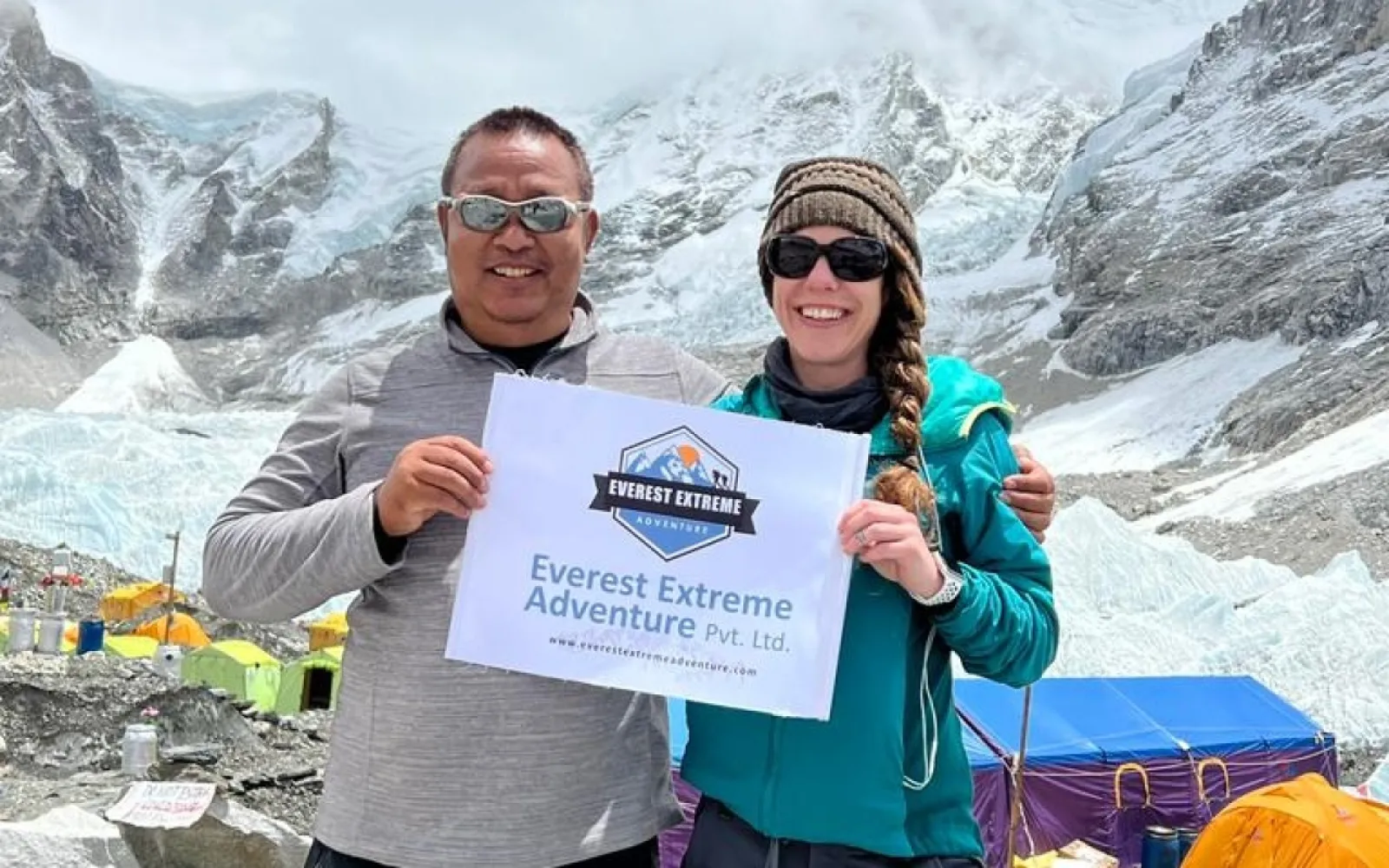
The Everest Base Camp Trek in Nepal is one of the world's most famous and rewarding trekking adventures. Located in the beautiful Khumbu region of northeastern Nepal, this incredible journey takes you through traditional Sherpa villages, ancient Buddhist monasteries, beautiful forests, suspension bridges, and spectacular Himalayan landscapes. The trek offers an unforgettable chance to experience the Everest region's natural beauty and unique mountain culture as you walk toward the base of the world's highest mountain, Mount Everest (8,848.86m).
Organized by Everest Extreme Adventure, the Everest Base Camp Trek is designed for adventure seekers, nature lovers, and mountain enthusiasts who want to explore the Himalayas with experienced local guides and professional trekking support. The standard itinerary takes approximately 16 days, including arrival and departure, acclimatization days, trekking to Everest Base Camp (5,364m), and a memorable sunrise hike to Kala Patthar (5,545m).
The Everest Base Camp Trek is a dream adventure for trekkers from around the world. It provides an incredible opportunity to walk through the heart of the Himalayas and experience the spectacular mountain scenery of the Everest region. Starting with a scenic mountain flight from Kathmandu to Lukla, the trekking route follows the Dudh Koshi River through beautiful villages, green forests, and high-altitude landscapes before reaching Everest Base Camp.
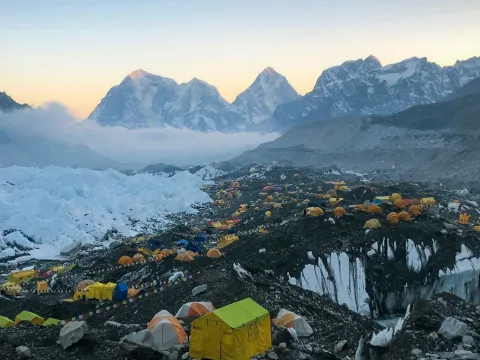
During the journey, trekkers experience the traditional lifestyle of the Sherpa people, visit ancient monasteries, cross exciting suspension bridges, and enjoy breathtaking views of some of the world's highest mountains. The route passes through popular destinations such as Phakding, Namche Bazaar, Tengboche, Dingboche, Lobuche, and Gorakshep before reaching Everest Base Camp.
The trek is not only about reaching the base of Mount Everest but also about enjoying the journey, discovering Himalayan culture, and experiencing the peaceful atmosphere of the mountains. With proper acclimatization, preparation, and guidance from experienced trekking professionals, this adventure can become a lifetime memory.
Why the Everest Base Camp Trek is special:
With Everest Extreme Adventure, trekkers can enjoy a well-organized journey with professional local guides, carefully planned acclimatization, and personalized trekking assistance.
Everest Base Camp is located in the Khumbu region of northeastern Nepal, within Sagarmatha National Park in the Solukhumbu District. Situated at an elevation of approximately 5,364 meters above sea level, it lies at the foot of Mount Everest on the southern side of the mountain. The base camp serves as the main starting point for climbers attempting to summit Mount Everest from Nepal.
The Everest Base Camp trekking route begins with a scenic flight to Lukla, a small mountain town famous for its airport surrounded by Himalayan landscapes. From Lukla, trekkers follow the Dudh Koshi River valley, passing through Phakding and Namche Bazaar before gradually ascending toward the higher settlements of the Khumbu region.
The route continues through Tengboche, Dingboche, Lobuche, and Gorakshep before reaching Everest Base Camp. Along the way, trekkers enjoy spectacular views of Everest, Lhotse, Nuptse, Ama Dablam, Pumori, and other Himalayan peaks.
Important locations along the Everest Base Camp route:
Sagarmatha National Park protects the entire trekking region and is a UNESCO World Heritage Site known for its exceptional mountain landscapes, wildlife, glaciers, and unique Himalayan culture.
The Everest Base Camp Trek is one of the most rewarding trekking experiences in Nepal because it combines adventure, natural beauty, cultural exploration, and personal achievement. Unlike many other trekking destinations, the Everest region offers an opportunity to walk through the legendary landscapes surrounding the world's highest mountain while experiencing the traditional lifestyle of the Sherpa community.
One of the biggest reasons to choose this trek is its incredible mountain scenery. Throughout the journey, trekkers can enjoy breathtaking views of Mount Everest, Ama Dablam, Lhotse, Nuptse, Thamserku, and other magnificent Himalayan peaks. The changing landscapes, from green forests and river valleys to rocky mountain trails and glaciers, make every day of the trek unique.
Another important attraction is the rich Sherpa culture. Visitors can explore traditional villages, Buddhist monasteries, prayer wheels, colorful prayer flags, and ancient cultural traditions that have been preserved for generations. Namche Bazaar and Tengboche are particularly popular places to experience the local culture and mountain lifestyle.
Top reasons to choose this trek:
Choosing Everest Extreme Adventure means having local trekking support and a carefully planned itinerary designed to make your Himalayan adventure enjoyable, organized, and safer.
The Everest Base Camp Trek offers many unforgettable highlights, from spectacular mountain scenery to traditional Himalayan villages and beautiful Buddhist monasteries. Every section of the journey provides something different, making this trek an exceptional adventure for people who want to explore the natural and cultural beauty of Nepal.
The journey begins with an exciting mountain flight to Lukla, followed by trekking through beautiful landscapes and traditional Sherpa settlements. As trekkers gain elevation, the scenery changes from green forests and river valleys to alpine terrain, rocky trails, and massive glaciers. The final approach to Everest Base Camp and the sunrise hike to Kala Patthar are among the most memorable experiences of the entire adventure.
Major highlights and attractions include:
The combination of these attractions makes the Everest Base Camp Trek more than just a hiking adventure. It is a complete Himalayan experience that allows visitors to discover the mountains, culture, and traditions of Nepal.
Choosing the right season is important for enjoying the Everest Base Camp Trek. Weather conditions, visibility, temperature, and trail conditions can significantly influence the overall trekking experience. The two most popular trekking seasons are spring (March to May) and autumn (September to November), when the weather is generally more favorable and mountain views are often clearer.
Spring is an excellent season for trekking because the weather gradually becomes warmer, the trails become lively, and the lower forests are decorated with blooming rhododendron flowers. Autumn is another popular season because the monsoon rains have usually cleared, providing excellent mountain visibility and comfortable daytime trekking conditions.
Best seasons for the Everest Base Camp Trek:
Spring Season (March to May)
Spring is one of the best times to visit Everest Base Camp. The temperature becomes more comfortable, the weather is generally stable, and the lower trekking trails are filled with beautiful blooming flowers.
Major advantages of spring trekking include:
Autumn Season (September to November)
Autumn is considered one of the best seasons for the Everest Base Camp Trek. After the monsoon season, the atmosphere often becomes clearer, offering spectacular views of the Himalayan mountains.
Major advantages of autumn trekking include:
Winter Season (December to February)
Winter trekking is possible for experienced and well-prepared trekkers, but temperatures can become extremely cold, especially at higher elevations. Snowfall and icy trails may also affect trekking conditions.
Winter trekking offers:
However, trekkers should prepare for freezing temperatures, shorter daylight hours, and possible weather-related disruptions.
Monsoon Season (June to August)
The monsoon season is generally the least recommended period for the Everest Base Camp Trek because heavy rainfall, clouds, and poor visibility can affect the journey. Flights to and from Lukla may also experience delays or cancellations due to unfavorable weather.
Possible challenges include:
Our recommendation: Everest Extreme Adventure recommends spring (March–May) and autumn (September–November) for the best overall Everest Base Camp trekking experience. However, weather in the Himalayas can change quickly, so proper preparation and a flexible itinerary are always important.
The Everest Base Camp Trek is considered a moderate to challenging high-altitude trekking adventure in Nepal. The trek involves walking for approximately 4–7 hours per day through mountain trails, rocky paths, suspension bridges, steep uphill sections, and high-altitude landscapes. Although no technical climbing skills are required, trekkers should have good physical fitness, endurance, and mental preparation to complete the journey comfortably.
The biggest challenge of the Everest Base Camp Trek is the altitude rather than the walking distance. As trekkers gradually ascend from Lukla (2,840m) to Everest Base Camp (5,364m) and Kala Patthar (5,545m), the oxygen level in the air decreases, making physical activities more demanding. Proper acclimatization, adequate hydration, a gradual walking pace, and sufficient rest are essential for reducing the risk of altitude sickness.
With Everest Extreme Adventure, the itinerary includes acclimatization days at Namche Bazaar and Dingboche to help trekkers adjust to the increasing altitude. Experienced trekking guides also provide guidance and monitor trekkers' well-being throughout the journey.
Difficulty level and physical requirements:
Physical preparation should ideally begin 8–12 weeks before departure. Regular exercise helps improve cardiovascular fitness, leg strength, balance, and endurance, making the long trekking days easier.
Recommended preparation activities include:
Important altitude safety tip: Altitude sickness can affect anyone, regardless of age or fitness. Never ignore symptoms such as headaches, nausea, dizziness, unusual fatigue, or loss of appetite. Inform your guide immediately, and do not continue ascending if symptoms suggest altitude illness. Descending is essential if serious symptoms develop.
The Everest Base Camp Trek itinerary organized by Everest Extreme Adventure is a 16-day Himalayan adventure that combines trekking, cultural exploration, mountain scenery, and proper acclimatization. The journey begins in Kathmandu, followed by a scenic flight to Lukla, where the trekking adventure officially starts.
During the trek, you will explore beautiful Sherpa villages, ancient monasteries, mountain valleys, and spectacular Himalayan landscapes. The itinerary includes acclimatization days at Namche Bazaar and Dingboche before continuing toward Lobuche, Gorakshep, Everest Base Camp, and Kala Patthar.
16-Day Everest Base Camp Trek Itinerary
Day 1: Arrival in Kathmandu (1,350m) and Transfer to Hotel
Arrive at Tribhuvan International Airport in Kathmandu, where a representative from Everest Extreme Adventure will welcome you and transfer you to your hotel. After checking in, you can relax and recover from your journey.
Depending on your arrival time, you can explore nearby attractions or enjoy a short walk around the lively streets of Kathmandu. Your guide will provide a briefing about the trek and check your trekking equipment.
Day 2: Kathmandu to Lukla Flight (45 Minutes) and Trek to Phakding (2,610m) – 3–4 Hours
After an early breakfast, travel to the airport for your scenic flight to Lukla. Enjoy spectacular views of the Himalayan mountains during this exciting flight. After landing, meet the trekking crew and begin walking toward Phakding.
The trail follows the beautiful Dudh Koshi River, passing through small Sherpa settlements, prayer wheels, suspension bridges, and green forests before reaching Phakding.
Day 3: Trek from Phakding to Namche Bazaar (3,440m) – 4–5 Hours
After breakfast, continue trekking along the Dudh Koshi River through beautiful villages and forested trails. Cross several suspension bridges, including the famous Hillary Suspension Bridge, before reaching the entrance of Sagarmatha National Park.
The trail becomes steeper as you approach Namche Bazaar. On a clear day, you may enjoy your first distant view of Mount Everest along the route. Namche is an important Sherpa trading town and a major acclimatization destination.
Day 4: Rest Day and Acclimatization at Namche Bazaar (3,440m)
Spend the day acclimatizing to the increasing altitude. Although it is a rest day, a short hike to a higher elevation is recommended to help your body adjust to the thinner mountain air.
You can explore Namche Bazaar, visit local markets, enjoy mountain viewpoints, and hike toward the Everest View Hotel area. Return to Namche for an overnight stay.
Day 5: Trek from Namche Bazaar (3,440m) to Tengboche – 5–6 Hours
Leave Namche Bazaar and follow a beautiful mountain trail offering spectacular views of Everest, Ama Dablam, Lhotse, and other Himalayan peaks. The trail passes through forests and traditional settlements before descending toward the river.
After crossing the river, climb gradually toward Tengboche, one of the most beautiful destinations in the Everest region. Visit the famous Tengboche Monastery and enjoy breathtaking views of Ama Dablam.
Day 6: Trek from Tengboche to Dingboche (4,410m) – 4–5 Hours
After breakfast, continue toward Dingboche through traditional Sherpa villages, including Pangboche. The trail passes beautiful landscapes, Buddhist monuments, and alpine vegetation.
As you gain altitude, the scenery becomes more rugged and dramatic. Enjoy spectacular views of Ama Dablam and surrounding Himalayan peaks before reaching Dingboche, a popular acclimatization stop.
Day 7: Rest Day and Acclimatization at Dingboche (4,410m)
Today is another important acclimatization day. You can explore the beautiful surroundings of Dingboche and enjoy a short uphill hike to a nearby viewpoint, such as the lower slopes of Nagarjun Hill or Dingboche Ri, depending on conditions and your guide's recommendation.
This day helps your body adjust before continuing toward the higher elevations of Lobuche and Gorakshep. Rest, drink plenty of fluids, and avoid strenuous activities.
Day 8: Trek from Dingboche to Lobuche (4,900m) – 5–6 Hours
Continue trekking toward Lobuche through high-altitude landscapes with spectacular mountain views. The trail passes through Dughla and gradually climbs toward the Thukla Pass memorial area, where memorials honor climbers who lost their lives on Everest.
After the challenging uphill section, continue along the rocky mountain trail toward Lobuche. The surrounding landscape becomes increasingly dramatic as you approach the Khumbu Glacier.
Day 9: Trek from Lobuche (4,920m) to Gorakshep (5,130m) and Visit Everest Base Camp (5,364m) – 6–7 Hours
Today is one of the most exciting days of the entire adventure. After breakfast, trek from Lobuche toward Gorakshep along the rocky trail beside the Khumbu Glacier. After reaching Gorakshep, take a short break and prepare for the journey to Everest Base Camp.
Continue toward Everest Base Camp, where you can experience the incredible atmosphere of the world's most famous mountaineering destination. Enjoy views of the Khumbu Icefall and surrounding mountains before returning to Gorakshep for an overnight stay.
Day 10: Early Morning Hike to Kala Patthar (5,545m) and Trek Back to Lobuche (4,920m) – 5–6 Hours
Wake up early for the memorable hike to Kala Patthar, one of the best viewpoints in the Everest region. The early morning climb rewards trekkers with spectacular sunrise views of Mount Everest, Nuptse, Pumori, and other Himalayan peaks, weather permitting.
After enjoying the mountain scenery and taking photographs, descend to Gorakshep for breakfast. Continue trekking back toward Lobuche, following the familiar rocky trail.
Day 11: Trek from Lobuche (4,920m) to Pangboche (3,860m) – 5–6 Hours
Begin descending through the beautiful Khumbu landscape, passing Dughla and Dingboche before continuing toward Pangboche. The descent offers a welcome change after several days at higher elevations.
Pangboche is a traditional Sherpa village known for its cultural heritage and beautiful mountain surroundings. Enjoy the peaceful atmosphere and overnight stay in a local teahouse.
Day 12: Trek from Pangboche (3,860m) to Namche Bazaar (3,440m) – 5–6 Hours
After breakfast, continue descending through traditional villages and beautiful forest trails. The route passes through Tengboche, where you can enjoy the monastery surroundings and mountain views once again.
Cross the river and climb toward Namche Bazaar. Enjoy the comfortable atmosphere of this lively mountain town after completing the challenging high-altitude section.
Day 13: Trek from Namche Bazaar (3,440m) to Lukla (2,840m) – 5–6 Hours
Today is the final trekking day. Follow the Dudh Koshi River through Phakding and several small villages, crossing suspension bridges and enjoying the beautiful landscapes.
Continue toward Lukla, where you can celebrate the successful completion of your Everest Base Camp adventure with your trekking crew.
Day 14: Flight from Lukla to Kathmandu (45 Minutes)
After breakfast, travel to Lukla Airport for your return flight to Kathmandu, subject to weather and flight operations. Enjoy the final aerial views of the Himalayan mountains before arriving in the capital.
After reaching Kathmandu, transfer to your hotel and enjoy some free time to relax, explore the city, or celebrate your trekking achievement.
Day 15: Spare Day for Lukla Flight Delays or Rest Day in Kathmandu (1,350m)
This additional day is included as a buffer for possible flight delays or cancellations caused by mountain weather. If your flight operates as scheduled on Day 14, you can use this day to relax or explore Kathmandu.
You may visit cultural attractions such as Pashupatinath Temple, Boudhanath Stupa, Swayambhunath, or Kathmandu Durbar Square.
Day 16: Final Departure
Enjoy breakfast at your hotel before preparing for your international departure. A representative from Everest Extreme Adventure will arrange your airport transfer according to your flight schedule.
Your memorable Everest Base Camp Trek comes to an end, leaving you with unforgettable memories of the Himalayan mountains, Sherpa culture, and the incredible journey to Everest Base Camp.
The cost of the Everest Base Camp Trek depends on several factors, including trekking duration, group size, accommodation standards, guide and porter services, domestic flights, permits, meals, and personal expenses. The total budget can vary depending on whether you choose a budget trekking package, a standard package, or a more comfortable private trekking experience.
With Everest Extreme Adventure, trekkers can choose a package according to their travel preferences and budget. The package generally includes essential trekking arrangements such as airport transfers, accommodation during the trek, meals, experienced trekking guides, required permits, and transportation according to the agreed itinerary.
Estimated Everest Base Camp Trek Cost
The following prices are general planning estimates in USD, not confirmed company quotations.
Actual prices depend on group size, season, flight arrangements, accommodation, and included services.
What Is Included in the Everest Base Camp Trek Cost?
Most standard trekking packages include:
What Is Not Included in the Trek Cost?
Trekkers should also prepare a separate budget for personal expenses and services that may not be included in the package.
Common exclusions include:
Additional Budget for the Everest Base Camp Trek
It is advisable to carry some additional money for unexpected expenses during the trek. Remote mountain areas generally have higher prices for food, drinks, hot showers, and other services because supplies must be transported from lower elevations.
Our recommendation: Contact Everest Extreme Adventure for an updated, detailed quotation based on your travel dates, group size, and preferred trekking services.
Trekkers visiting Everest Base Camp must obtain the necessary permits to enter and trek through the protected areas and local administrative regions of the Khumbu. These permits help regulate tourism, support local communities, and protect the natural environment of the Everest region.
The two main permits required for the standard Everest Base Camp trekking route are the Sagarmatha National Park Entry Permit and the Khumbu Pasang Lhamu Rural Municipality Permit. Both are important for accessing the regular trekking route from Lukla to Everest Base Camp.
1. Sagarmatha National Park Entry Permit
Sagarmatha National Park is a UNESCO World Heritage Site located in the Everest region of Nepal. The national park protects Mount Everest, surrounding Himalayan peaks, glaciers, forests, wildlife, and traditional mountain settlements.
Trekkers must obtain the national park entry permit before entering the protected area. The permit supports conservation activities and the management of the park.
2. Khumbu Pasang Lhamu Rural Municipality Permit
The Khumbu Pasang Lhamu Rural Municipality Permit is a local entry permit required for trekkers traveling through the Everest region. It contributes to local infrastructure, tourism management, and community development.
The permit is generally obtained at the designated local checkpoint along the trekking route.
Important Permit Information
Permit fees and regulations can change, so confirm the latest requirements before departure. A standard Everest Base Camp trek does not generally require a separate TIMS card under the current local permit arrangements, but trekkers should verify applicable rules when booking.
Accommodation and food are important parts of the Everest Base Camp Trek experience. Along the trekking route, trekkers generally stay in traditional teahouses and mountain lodges operated by local Sherpa families. These lodges provide basic but comfortable facilities, allowing visitors to rest, enjoy warm meals, and experience local Himalayan hospitality.
In popular destinations such as Lukla, Phakding, and Namche Bazaar, accommodation options are generally more developed. As you move toward higher elevations such as Dingboche, Lobuche, and Gorakshep, facilities become simpler because of the remote mountain environment and limited transportation access.
Accommodation During the Everest Base Camp Trek
Most teahouses provide twin-sharing rooms with basic beds, mattresses, pillows, and blankets. Bathrooms may be shared or private depending on the location and accommodation category.
At higher elevations, facilities are more basic, and rooms can become very cold at night. A good-quality sleeping bag is recommended, even when blankets are provided by the teahouses.
Common accommodation facilities include:
Food During the Everest Base Camp Trek
Food along the Everest Base Camp trekking route is generally a combination of traditional Nepalese meals, Tibetan-inspired dishes, and international food options. Most teahouses offer freshly prepared meals to provide trekkers with enough energy for daily walking.
Dal Bhat is one of the most popular meals during the trek. It typically consists of rice, lentil soup, vegetables, and sometimes additional side dishes. It is a nutritious and filling option for trekkers.
Popular food options during the trek include:
Food and Accommodation Tips
To enjoy a comfortable trekking experience, follow these practical recommendations:
Everest Extreme Adventure works with local teahouses and lodges along the trekking route to arrange suitable accommodation and meals according to the selected package. Although facilities become more basic at higher elevations, the warm hospitality of the local mountain communities makes the experience special.
Altitude sickness, also known as Acute Mountain Sickness (AMS), is one of the most important challenges during the Everest Base Camp Trek. It can affect trekkers when they ascend to higher elevations too quickly, where the oxygen level in the air is lower. Since the trek reaches Everest Base Camp (5,364m) and Kala Patthar (5,545m), understanding altitude sickness and following proper acclimatization practices are essential for a safe and successful journey.
Common symptoms of altitude sickness include headaches, dizziness, nausea, vomiting, fatigue, loss of appetite, and difficulty sleeping. Symptoms can develop after reaching elevations above 2,500m, although the severity varies from person to person. Good physical fitness does not guarantee protection against altitude sickness, so every trekker should take the necessary precautions.
The Everest Extreme Adventure itinerary includes acclimatization days at Namche Bazaar (3,440m) and Dingboche (4,410m). These rest days allow trekkers to adjust gradually to the increasing altitude before continuing toward Lobuche, Gorakshep, and Everest Base Camp.
Common Symptoms of Altitude Sickness
Important Acclimatization Tips
Proper acclimatization helps your body adapt to the lower oxygen levels at higher elevations. Follow these recommendations during your trek:
What to Do If You Experience Altitude Sickness
If you develop symptoms of altitude sickness, inform your trekking guide immediately. Do not continue ascending while experiencing symptoms. Mild symptoms may require rest and medical assessment, while worsening symptoms require immediate descent.
Severe altitude illness can develop into high-altitude pulmonary edema (HAPE) or high-altitude cerebral edema (HACE), both of which are medical emergencies.
Important safety advice: Descending to a lower elevation is essential when serious altitude sickness is suspected. Do not rely on medication or oxygen as a substitute for descent and medical care. Everest Extreme Adventure recommends that trekkers carry suitable travel insurance covering high-altitude trekking and emergency helicopter evacuation.
Packing the right equipment is essential for enjoying a comfortable and successful Everest Base Camp Trek. The weather in the Everest region can change quickly, with warm daytime temperatures at lower elevations and freezing conditions at higher altitudes. Therefore, trekkers should prepare appropriate clothing, footwear, personal equipment, and essential accessories.
The key to packing for Everest Base Camp is wearing multiple layers that can be adjusted according to changing weather conditions. A good-quality down jacket, thermal clothing, waterproof outer layers, comfortable trekking boots, and a warm sleeping bag are particularly important.
Everest Extreme Adventure recommends preparing your trekking equipment before arriving in Nepal to avoid last-minute shopping and ensure that everything fits comfortably.
1. Clothing and Layering System
The weather can vary significantly throughout the trek, so proper layering is important.
Recommended clothing includes:
2. Footwear and Trekking Accessories
Comfortable footwear is essential because you will walk for several hours every day over rocky and uneven mountain trails.
Recommended items include:
3. Personal Items and Toiletries
Personal hygiene becomes increasingly important during a long trekking journey. Carry basic toiletries and personal care products.
4. Electronic Equipment and Documents
Electronic devices and travel documents should be packed carefully and protected from moisture and cold temperatures.
5. Recommended Trekking Bag
For a standard Everest Base Camp Trek, a comfortable backpack is important for carrying daily essentials.
Essential Packing Tips
A properly packed backpack will make your journey more comfortable and enjoyable. Everest Extreme Adventure can also provide equipment guidance before your trekking departure.
The Kathmandu to Lukla flight is one of the most exciting parts of the Everest Base Camp Trek. Lukla is the traditional gateway to the Everest region, and its airport is surrounded by beautiful Himalayan mountains. The flight provides spectacular aerial views of green hills, deep valleys, and snow-covered Himalayan peaks.
The flight from Kathmandu to Lukla generally takes approximately 35–45 minutes, depending on weather and operating conditions. During busy trekking seasons, some Lukla flights may operate from Ramechhap Airport instead of Kathmandu. In that situation, trekkers need to travel by road from Kathmandu to Ramechhap, which generally takes around 4–5 hours, depending on traffic and road conditions.
Kathmandu to Lukla Flight Details
What to Expect During the Lukla Flight
The Lukla flight is a memorable experience because it offers impressive views of the Himalayan landscape. As the aircraft approaches the Everest region, passengers can enjoy views of mountains, forests, rivers, and traditional settlements.
Lukla Airport is famous for its short mountain runway and challenging operating environment. Flights are conducted by experienced pilots under applicable aviation safety requirements and weather restrictions.
Lukla Flight Delays and Cancellations
Weather conditions in the Himalayas can change quickly, especially during the monsoon and winter seasons. Fog, strong winds, poor visibility, and other unfavorable conditions may cause flight delays or cancellations.
For this reason, the 16-day Everest Base Camp Trek itinerary organized by Everest Extreme Adventure includes a spare day after the planned return flight to Kathmandu.
Important flight tips:
Alternative Transportation Options
If regular flights are disrupted, helicopter services may sometimes be available, depending on weather, safety conditions, and operational permissions. However, helicopter transportation usually costs significantly more than regular flights.
Everest Extreme Adventure assists trekkers with transportation arrangements and provides guidance when flight schedules change.
The Everest Base Camp Trek is an unforgettable adventure, but proper preparation is important to enjoy the journey safely and comfortably. From choosing the right trekking season to preparing physically, understanding local culture, and arranging travel insurance, every detail contributes to a successful Himalayan experience.
Trekkers should understand that the Everest region is remote, and facilities become more limited as they gain altitude. Weather conditions can change quickly, communication may be limited in some locations, and medical assistance may not always be immediately available. Therefore, following your guide's instructions and maintaining a flexible trekking schedule are essential.
Everest Extreme Adventure recommends the following practical travel tips to help trekkers prepare for their Himalayan adventure.
1. Choose the Right Trekking Season
Spring and autumn are generally the best seasons for the Everest Base Camp Trek. These seasons offer favorable trekking conditions and good opportunities for enjoying spectacular mountain views.
2. Prepare Your Physical Fitness
Begin preparing at least 8–12 weeks before departure. Regular hiking, walking, stair climbing, cycling, and strength training will help improve endurance.
3. Book with an Experienced Trekking Company
Choose a registered and experienced trekking company that provides professional guides, proper itinerary planning, accommodation arrangements, and necessary permits.
Everest Extreme Adventure provides local trekking support and assistance to help organize your Everest Base Camp adventure.
4. Get Proper Travel Insurance
Travel insurance is extremely important for high-altitude trekking in Nepal. Your insurance should specifically cover trekking at elevations above 5,500m if you plan to hike Kala Patthar, along with emergency helicopter evacuation and medical expenses.
5. Carry Enough Cash
Although some teahouses and businesses accept digital payments, cash remains important in remote mountain villages. Carry sufficient Nepalese rupees for snacks, drinks, charging, hot showers, and other personal expenses.
6. Respect Local Culture and Traditions
The Everest region is home to the Sherpa community, whose culture and traditions are closely connected to Tibetan Buddhism.
Remember to:
7. Stay Hydrated and Eat Properly
Drink sufficient safe water throughout the trek and eat regular meals to maintain energy. Avoid alcohol and smoking, particularly at higher elevations.
8. Protect Yourself from the Sun
Sun exposure becomes stronger at high elevations. Use sunscreen, UV-protection sunglasses, a sun hat, and lip balm to protect your skin.
9. Keep Your Trekking Schedule Flexible
Mountain weather can cause unexpected changes, especially during Lukla flight operations. Allow extra time for delays and avoid scheduling your international departure too close to your planned return flight.
10. Follow Your Guide's Instructions
An experienced trekking guide can help with route navigation, daily walking arrangements, acclimatization, and emergency communication. Always communicate honestly about your physical condition and any symptoms you experience.
Additional essential travel tips:
Following these recommendations will help make your Everest Base Camp Trek safer, more enjoyable, and more memorable.
Yes! The Everest Base Camp Trek is absolutely worth experiencing for anyone who dreams of exploring the world's highest mountain region. It is one of the most rewarding trekking adventures in Nepal, offering a unique combination of spectacular Himalayan scenery, traditional Sherpa culture, beautiful mountain villages, ancient monasteries, and unforgettable personal achievements.
From the exciting flight to Lukla to the beautiful trails of Namche Bazaar, Tengboche, and Dingboche, every stage of the journey offers something special. Reaching Everest Base Camp at 5,364m and witnessing the magnificent Himalayan sunrise from Kala Patthar at 5,545m are experiences that many trekkers remember for the rest of their lives.
Although the trek requires physical preparation, proper acclimatization, and a willingness to face challenging mountain conditions, the rewards are truly extraordinary. With a well-planned itinerary, experienced guidance, and suitable preparation, trekkers can enjoy an incredible journey through the heart of the Everest region.
Why Choose Everest Extreme Adventure for Your Everest Base Camp Trek?
Everest Extreme Adventure is committed to organizing memorable Himalayan trekking experiences with professional local support and carefully planned trekking arrangements. Our goal is to help travelers discover the natural beauty, culture, and adventure of the Everest region while prioritizing responsible tourism and trekking safety.
By choosing Everest Extreme Adventure, you can benefit from:
Book Your Everest Base Camp Trek in Nepal
Are you dreaming of standing at the foot of Mount Everest and experiencing the breathtaking beauty of the Himalayas? Make your dream adventure a reality with Everest Extreme Adventure.
Whether you are traveling alone, with friends, as a couple, or in a group, we can help organize your Everest Base Camp Trek according to your travel dates, budget, and preferences.
Join Everest Extreme Adventure and experience the legendary journey to Everest Base Camp – an unforgettable adventure in the heart of the Himalayas!
Our travel experts are ready to assist you with any questions.
Send us a message.Have a question before you book? Send your enquiry below and our travel experts will get back with the required information.