Group Adventure Dates.  4.9 of 489 reviews
 4.8 of 232 reviews
4.9 of 489 reviews 4.8 of 232 reviews 
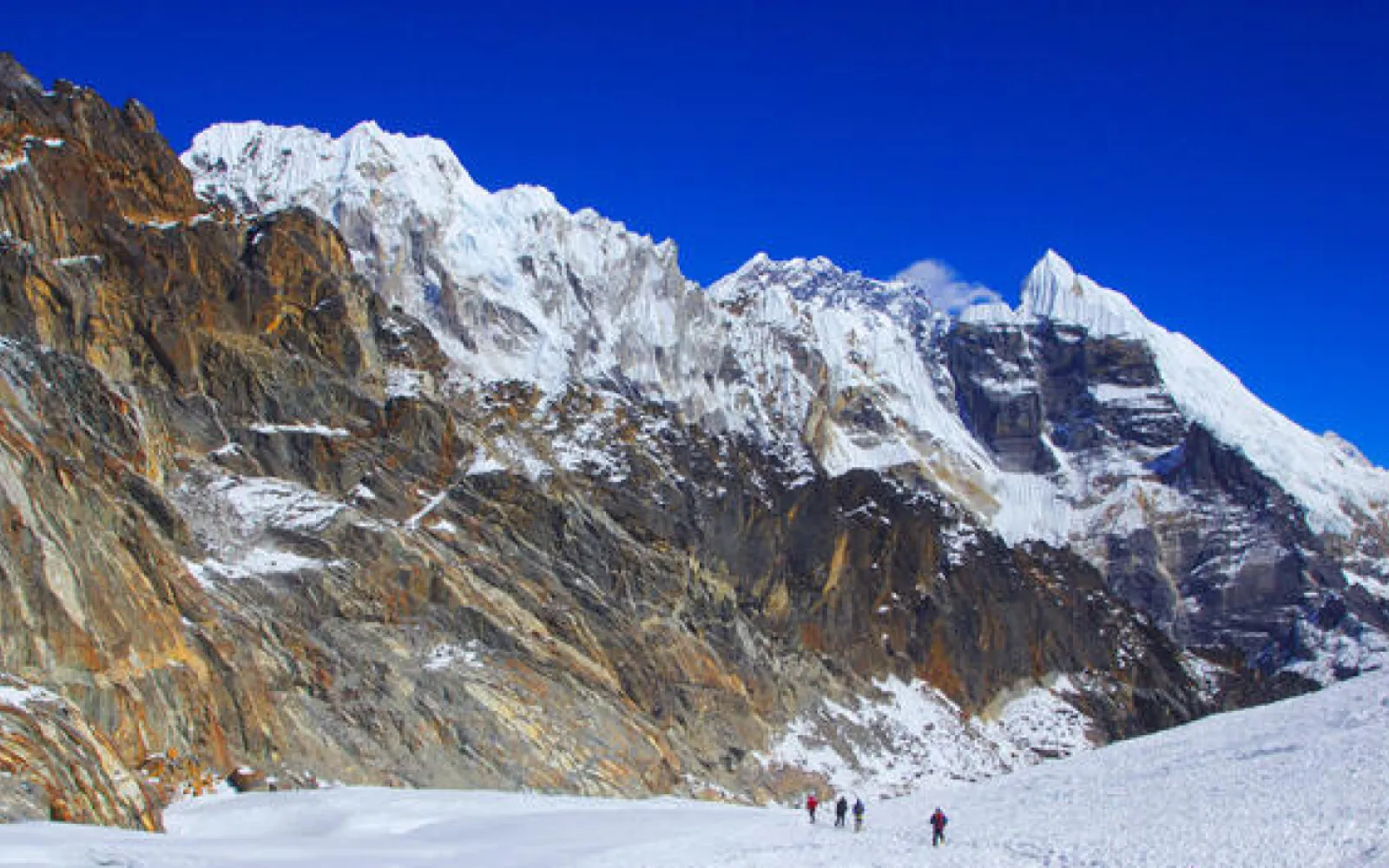
The Everest Base Camp with Cho La Pass Trek is one of the most exciting and rewarding trekking adventures in Nepal, offering an unforgettable journey through the heart of the Khumbu region. This incredible Himalayan adventure combines the world-famous Everest Base Camp (5,364m), the spectacular viewpoint of Kala Patthar (5,545m), the challenging Cho La Pass (5,360m), and the beautiful turquoise Gokyo Lakes. It is an excellent choice for adventure enthusiasts who want to experience the natural beauty, traditional Sherpa culture, and breathtaking mountain scenery of the Everest region in one remarkable journey.
Organized by Everest Extreme Adventure, this 19-day itinerary provides a wonderful combination of trekking, sightseeing, cultural exploration, and high-altitude adventure. The journey begins in Kathmandu, followed by a scenic flight to Lukla and a gradual trek through charming mountain villages, suspension bridges, forests, and traditional Sherpa settlements. With designated acclimatization days in Namche Bazaar and Dingboche, trekkers have time to adjust to the increasing altitude before continuing toward Everest Base Camp and Cho La Pass.
Highlights of the Trek:
The Everest Base Camp with Cho La Pass Trek is a spectacular high-altitude trekking adventure that takes you beyond the traditional Everest Base Camp route into the beautiful Gokyo Valley. This combined trekking experience offers an opportunity to explore two of the most famous destinations in the Everest region while crossing one of its most exciting mountain passes. Throughout the journey, trekkers experience dramatic landscapes, towering Himalayan peaks, glacial valleys, traditional villages, and peaceful alpine lakes.
The adventure starts in Kathmandu, Nepal's vibrant capital, where trekkers can explore ancient temples, historic monuments, and traditional Newari architecture. After completing the necessary preparations, you take a scenic flight to Lukla, the gateway to the Everest region. From Lukla, the trail follows the Dudh Koshi River through Phakding and Namche Bazaar before ascending toward Tengboche, Dingboche, Lobuche, and Everest Base Camp. After reaching the iconic base camp and enjoying the sunrise views from Kala Patthar, the journey continues toward Dzongla and across Cho La Pass to Thangnak and Gokyo.
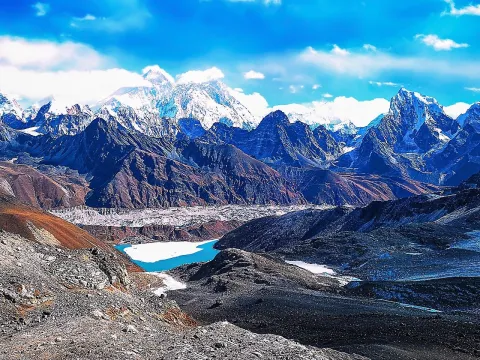
With Everest Extreme Adventure, trekkers receive professional guidance, organized trekking arrangements, and support throughout the journey. The itinerary is designed to balance challenging walking days with essential acclimatization opportunities, making the adventure more comfortable and enjoyable.
What Makes This Trek Special?
Choosing the Everest Base Camp and Cho La Pass Trek means experiencing more than just a journey to the base of the world's highest mountain. Unlike the standard Everest Base Camp itinerary, this combined route takes you through the spectacular Gokyo Valley and across Cho La Pass, providing a more diverse Himalayan experience. You can explore the legendary Everest Base Camp, enjoy magnificent mountain views from Kala Patthar, and discover the peaceful beauty of the Gokyo Lakes within a single trekking adventure.
Another major reason to choose this trek is the opportunity to experience the authentic culture of the Sherpa community. Along the route, you pass through traditional settlements where Buddhist monasteries, prayer flags, mani walls, and colorful chortens reflect the region's deep spiritual traditions. Namche Bazaar offers an excellent opportunity to experience local markets and mountain hospitality, while Tengboche Monastery provides a peaceful cultural experience surrounded by spectacular Himalayan scenery.
The Cho La Pass crossing adds an exciting challenge to the adventure. At approximately 5,360 meters, this high mountain pass connects the Everest Base Camp trail with the Gokyo Valley. Although physically demanding, reaching the pass rewards trekkers with magnificent views of glaciers, snow-covered mountains, and dramatic alpine landscapes.
Top Reasons to Choose This Adventure:
This trek is particularly suitable for adventure lovers with good physical fitness, previous hiking experience, and a strong interest in exploring remote Himalayan landscapes. However, the high altitude and demanding mountain pass require proper preparation and a flexible approach to the journey.
Choosing the right season is essential for enjoying a successful Everest Base Camp with Cho La Pass Trek. Weather conditions, visibility, trail conditions, and temperatures can significantly influence the overall trekking experience, especially when crossing Cho La Pass at an elevation of approximately 5,360 meters. The two most popular trekking seasons in the Everest region are spring and autumn, when weather conditions are generally more favorable, and mountain views are often spectacular.
Spring Season (March to May)
Spring is one of the best times to explore the Everest region. During this season, temperatures gradually become warmer, rhododendron forests bloom, and the weather generally offers good opportunities for mountain views. The trails become lively with trekkers from around the world, and the landscapes are particularly beautiful as winter snow begins to melt at lower elevations.
Spring is also an attractive season for crossing Cho La Pass, although snow and ice can remain at higher elevations. Conditions should always be checked before attempting the pass.
Autumn Season (September to November)
Autumn is another excellent season for the Everest Base Camp and Cho La Pass Trek. Following the summer monsoon, the skies generally become clearer, visibility improves, and the surrounding Himalayan mountains appear particularly impressive. Comfortable daytime trekking conditions and relatively stable weather make this period popular among international trekkers.
October and November are especially popular months because of their favorable trekking conditions. However, accommodation along the route can become busy, so planning is recommended.
Other Seasons
Winter (December to February): Extremely cold temperatures, snowfall, icy trails, and possible Cho La Pass closures make winter trekking more challenging. Only well-prepared and experienced trekkers should consider this period.
Monsoon (June to August): Heavy rainfall, cloudy conditions, slippery trails, and possible flight disruptions can affect the journey. This is generally the least favorable season for this particular itinerary.
Recommended Trekking Months:
For the best overall experience, Everest Extreme Adventure generally recommends planning this adventure during spring or autumn. Nevertheless, weather conditions in the Himalayas can change quickly, so crossing Cho La Pass should always depend on current conditions and the guidance of an experienced trekking professional.
The Everest Base Camp with Cho La Pass Trek follows a spectacular circular trekking route through the Khumbu region, combining the classic Everest Base Camp trail with the less-traveled landscapes of the Gokyo Valley. The 19-day itinerary begins with arrival in Kathmandu and cultural sightseeing before continuing with a scenic flight to Lukla. From there, the trekking adventure gradually follows the Dudh Koshi River toward Namche Bazaar, the main trading center of the Everest region.
The first part of the journey includes trekking through Phakding, Namche Bazaar, Tengboche, Dingboche, and Lobuche. Two important acclimatization days are scheduled at Namche Bazaar and Dingboche to help your body adjust to the increasing elevation. After reaching Gorakshep, you continue to Everest Base Camp at 5,364 meters, where you can experience the incredible atmosphere of the world's most famous mountaineering destination.
The adventure then continues with an early-morning hike to Kala Patthar, one of the finest viewpoints in the Everest region. From there, the trail descends toward Dzongla before crossing the challenging Cho La Pass to reach Thangnak and the beautiful Gokyo Valley. A hike to Gokyo Ri provides magnificent views of the surrounding Himalayan peaks and turquoise glacial lakes. Finally, the route descends through Dole and Namche Bazaar before reaching Lukla for the return flight to Kathmandu.
19-Day Trekking Itinerary Overview
Major Highlights Along the Route:
The trekking durations mentioned above are approximate and may vary depending on weather, trail conditions, individual fitness, and acclimatization requirements. The Cho La Pass crossing can be particularly demanding because of snow, ice, and steep sections. A flexible schedule and appropriate safety arrangements are important.
Before starting the Everest Base Camp with Cho La Pass Trek, it is important to arrange the necessary permits and travel documents. The Everest region is a protected trekking destination, and trekkers must follow the local entry regulations and conservation requirements. Having the correct documents ready helps ensure a smooth journey through checkpoints along the trekking route.
For this adventure, the main required permits generally include the Sagarmatha National Park Entry Permit and the Khumbu Pasang Lhamu Rural Municipality Entry Permit. These permits allow trekkers to access the protected Everest region and support local conservation, infrastructure, and community development. Regulations and permit fees can change, so it is advisable to confirm the latest requirements before departure.
Essential Trekking Permits:
Important Travel Documents:
In addition to trekking permits, international visitors should prepare the following documents before arriving in Nepal:
Why Are These Permits Important?
The permits are essential for legal access to the trekking region and help support the protection of the Himalayan environment. Permit checkpoints may be located along the route, so trekkers should keep their permits and identification documents accessible throughout the journey.
Permit Assistance with Everest Extreme Adventure
Everest Extreme Adventure assists trekkers with the necessary permit arrangements and trekking documentation as part of the trip preparation. Our team can help explain the current permit requirements, organize the required paperwork, and guide before you depart from Kathmandu.
We recommend arranging the necessary permits before starting the trek to avoid unnecessary delays along the route. With proper documentation, professional guidance, and careful preparation, you can focus on enjoying the spectacular Himalayan landscapes and unforgettable experiences of the Everest Base Camp with Cho La Pass Trek.
The Everest Base Camp with Cho La Pass Trek is a challenging high-altitude adventure that requires good physical fitness, mental preparation, and proper endurance. During this 19-day journey, trekkers walk for approximately 5–8 hours daily across different types of terrain, including steep uphill trails, rocky paths, suspension bridges, glacier sections, and high mountain passes. The trek reaches an altitude of 5,545 meters at Kala Patthar and involves crossing Cho La Pass at approximately 5,360 meters. Therefore, preparing your body before arriving in Nepal is essential for enjoying a safe and successful Himalayan adventure.
Everest Extreme Adventure recommends starting physical training at least 8–12 weeks before the trek. Regular cardiovascular exercises, strength training, and hiking practice can help improve stamina and prepare your muscles for long walking days. If possible, practice hiking on uneven terrain while carrying a backpack similar to the one you will use during the trek. Gradually increase your walking distance and elevation gain to build confidence and endurance.
Recommended Physical Training Activities:
It is also important to understand that physical fitness does not completely prevent altitude sickness. Even experienced athletes can experience altitude-related problems when trekking above 3,000 meters. Proper acclimatization, gradual ascent, hydration, and listening to your body are equally important. With appropriate preparation and professional guidance from Everest Extreme Adventure, you can improve your readiness for this unforgettable Himalayan journey.
Packing the right equipment is one of the most important preparations for the Everest Base Camp with Cho La Pass Trek. The weather in the Khumbu region can change quickly, and temperatures become extremely cold at higher elevations, especially around Lobuche, Gorakshep, Kala Patthar, and Cho La Pass. Trekkers may experience sunshine, strong winds, snowfall, and freezing temperatures during the same journey. Having suitable clothing and reliable trekking equipment helps maintain comfort, safety, and confidence throughout the adventure.
Everest Extreme Adventure recommends choosing lightweight, durable, and weather-resistant equipment. Layered clothing is particularly important because it allows you to adjust your outfit according to changing temperatures and activity levels. Good-quality trekking boots, warm sleeping equipment, waterproof clothing, and suitable accessories are essential for the high-altitude sections of the trek.
Essential Clothing:
Essential Trekking Equipment:
Personal and Health Essentials:
One important recommendation is to avoid carrying unnecessary items because excessive backpack weight can make high-altitude trekking more difficult. Pack only essential belongings and organize your equipment before departure. Everest Extreme Adventure can guide trekking equipment, rental options, and suitable clothing for the expected mountain conditions.
Accommodation during the Everest Base Camp with Cho La Pass Trek is mainly provided by traditional mountain teahouses and lodges. These establishments are available in popular villages such as Phakding, Namche Bazaar, Tengboche, Dingboche, Lobuche, Gorakshep, Dzongla, Thangnak, Gokyo, and Dole. Most teahouses offer basic but comfortable facilities, including twin-sharing bedrooms, blankets, shared bathrooms, and communal dining areas. Some lodges in larger villages provide additional facilities such as hot showers, Wi-Fi, charging services, and attached bathrooms, depending on availability.
As you climb higher into the Everest region, accommodation facilities become more basic due to the remote mountain environment and difficult transportation conditions. In places such as Lobuche and Gorakshep, rooms are generally simple, and heating is usually available only in the dining area. During busy trekking seasons, accommodation can become limited, so planning and reservations are recommended.
Accommodation Facilities Along the Route:
Food and Meals During the Trek
One of the enjoyable aspects of trekking in the Everest region is experiencing traditional Nepalese meals alongside international dishes. Most teahouses offer a variety of freshly prepared meals, providing energy for long walking days. Dal Bhat, a traditional Nepalese meal consisting of rice, lentil soup, vegetables, and sometimes pickles, is particularly popular among trekkers because it provides a filling and nutritious source of energy.
You can also find different breakfast, lunch, and dinner options throughout the trekking route. Food choices may become more limited at higher elevations, but basic meals are generally available.
Popular Food Options:
Everest Extreme Adventure recommends eating balanced meals, drinking sufficient fluids, and choosing freshly prepared food throughout the journey. At higher elevations, it is generally advisable to avoid alcohol and limit excessive caffeine consumption. Maintaining good nutrition and hydration helps support your energy levels during this demanding Himalayan adventure.
Altitude sickness, also known as Acute Mountain Sickness (AMS), is one of the most important health concerns during the Everest Base Camp with Cho La Pass Trek. As trekkers gradually ascend above 3,000 meters, the amount of available oxygen decreases, making it more difficult for the body to adjust to the mountain environment. Common symptoms include headaches, nausea, dizziness, tiredness, loss of appetite, and difficulty sleeping. These symptoms can affect anyone, regardless of age, physical fitness, or previous trekking experience.
The 19-day itinerary organized by Everest Extreme Adventure includes two important acclimatization days: one at Namche Bazaar (3,440m) and another at Dingboche (4,410m). These rest days allow trekkers to adjust to increasing elevations before continuing toward Lobuche and Everest Base Camp. During acclimatization, gentle activities and short hikes to higher elevations followed by returning to sleep at a lower altitude can help the body adapt.
Essential Altitude Sickness Prevention Tips:
Recognizing Serious Altitude Sickness
It is important to recognize that altitude sickness can become life-threatening if ignored. Severe symptoms may indicate high-altitude pulmonary edema (HAPE) or high-altitude cerebral edema (HACE), both of which require urgent medical attention.
Warning signs include:
If serious symptoms develop, do not continue ascending. Immediate medical assessment and descent are essential. Your trekking guide should coordinate emergency assistance when necessary. Medication such as acetazolamide should only be used following appropriate medical advice.
Everest Extreme Adventure emphasizes responsible acclimatization and regular communication between trekkers and guides. The most important rule of high-altitude trekking is to listen to your body and never sacrifice safety to follow a fixed itinerary.
Crossing Cho La Pass (approximately 5,360m) is one of the most exciting and challenging sections of the Everest Base Camp with Cho La Pass Trek. This spectacular mountain pass connects the Everest Base Camp trekking route with the beautiful Gokyo Valley. The journey from Dzongla to Thangnak takes approximately 6–7 hours under favorable conditions, passing through rugged mountain terrain, rocky paths, steep ascents, and potentially icy or snow-covered sections.
The crossing is physically demanding because of its high elevation, unpredictable weather, and challenging trail conditions. Depending on the season, trekkers may encounter snow, ice, loose rocks, and slippery sections, particularly near the higher parts of the pass. The final ascent can be strenuous, and the descent toward Thangnak requires careful attention and stable footing. However, reaching the top of Cho La Pass is an unforgettable achievement, rewarding trekkers with incredible views of the surrounding Himalayan peaks and glaciers.
Major Challenges of Crossing Cho La Pass:
Important Safety Tips for Cho La Pass:
The Cho La Pass crossing should always be assessed according to current weather, snow conditions, and individual health. If conditions become unsafe, delaying the crossing or changing the itinerary is the responsible decision. Everest Extreme Adventure prioritizes trekker safety and recommends crossing the pass with an experienced guide familiar with the local terrain and seasonal conditions.
Although challenging, Cho La Pass is one of the most rewarding highlights of the entire journey. Standing at the top of the pass and witnessing the spectacular Himalayan surroundings creates memories that remain unforgettable long after returning home.
The Gokyo Lakes are among the most beautiful natural attractions in the Everest region and represent one of the major highlights of the Everest Base Camp with Cho La Pass Trek. Located in the stunning Gokyo Valley within Sagarmatha National Park, these high-altitude glacial lakes are famous for their brilliant turquoise and emerald-colored waters, surrounded by dramatic snow-covered mountains and rugged alpine landscapes. The peaceful atmosphere and spectacular scenery make Gokyo one of the most memorable destinations along the trekking route.
After crossing Cho La Pass from Dzongla, trekkers descend toward Thangnak before continuing to Gokyo village at approximately 4,790 meters. The trail passes through beautiful glacial landscapes and offers incredible views of the surrounding mountains. Gokyo is situated beside the third lake, known as Dudh Pokhari, and provides a wonderful opportunity to relax and explore the peaceful mountain environment. The region is also famous for its proximity to the Ngozumpa Glacier, one of the largest glaciers in the Nepal Himalayas.
Major Attractions of the Gokyo Valley:
Gokyo Ri: A Spectacular Himalayan Viewpoint
One of the most rewarding activities in the Gokyo Valley is hiking to Gokyo Ri, which stands at approximately 5,360 meters. The ascent is steep and physically demanding, but reaching the summit provides one of the finest panoramic views in the Everest region. From the top, trekkers can admire the turquoise Gokyo Lakes, the massive Ngozumpa Glacier, and several of the world's highest mountain peaks.
The early morning hike is particularly popular because clear weather can provide excellent mountain visibility and beautiful lighting across the surrounding Himalayan landscape. After enjoying the spectacular scenery from Gokyo Ri, the itinerary descends toward Dole, following a scenic trail through the beautiful Gokyo Valley.
Tips for Exploring Gokyo Lakes:
With its spectacular lakes, impressive glaciers, and unforgettable mountain views, Gokyo Valley offers a peaceful and rewarding experience after the challenging Cho La Pass crossing. Everest Extreme Adventure invites adventure lovers to explore this extraordinary Himalayan destination and discover the natural beauty of the Everest region beyond the traditional Everest Base Camp route.
Reaching Everest Base Camp (5,364m) is the dream of many adventure enthusiasts and one of the most unforgettable highlights of the Everest Base Camp with Cho La Pass Trek. Located at the foot of the world's highest mountain, Everest Base Camp offers a unique opportunity to experience the incredible atmosphere of the Himalayan mountaineering world. The journey to base camp takes trekkers through dramatic mountain landscapes, rocky trails, glacial valleys, and traditional Sherpa settlements. After trekking from Dingboche to Lobuche, you continue toward Gorakshep (5,140m), the final overnight settlement before reaching Everest Base Camp.
From Gorakshep, the trail follows a challenging route across rocky and glacial terrain toward Everest Base Camp. The walk generally takes several hours, depending on weather, trail conditions, and individual fitness. Upon reaching base camp, trekkers can enjoy spectacular views of the surrounding mountains, including Nuptse, Pumori, and other impressive Himalayan peaks. During the spring climbing season, you may also see colorful expedition tents and mountaineering activities. Although Mount Everest's summit is not always directly visible from base camp, the experience of standing at this legendary destination is truly extraordinary.
Highlights of Reaching Everest Base Camp:
Climbing Kala Patthar (5,545m)
After visiting Everest Base Camp, another major highlight is the early-morning hike to Kala Patthar. Located above Gorakshep, Kala Patthar is widely regarded as one of the best viewpoints for enjoying close-up views of Mount Everest. The ascent is steep and physically demanding because of the high altitude, but the spectacular Himalayan panorama makes the effort worthwhile. On clear mornings, trekkers can witness the first sunlight illuminating Mount Everest, Lhotse, Nuptse, and the surrounding snow-covered peaks.
The hike usually begins before sunrise to reach the viewpoint during the early morning hours. After enjoying the mountain scenery, the trail descends toward Gorakshep before continuing to Dzongla, where the journey toward Cho La Pass begins. Everest Extreme Adventure recommends walking slowly, carrying sufficient warm clothing, and following your guide's instructions during this high-altitude excursion.
Tips for Everest Base Camp and Kala Patthar:
Planning your budget is an important part of preparing for the Everest Base Camp with Cho La Pass Trek. The total cost depends on several factors, including the trekking season, group size, accommodation preferences, transportation arrangements, guide and porter services, permit fees, and personal spending habits. Since this is a 19-day Himalayan adventure involving high-altitude trekking and a challenging mountain pass, it is important to consider both the package price and additional personal expenses before booking.
Everest Extreme Adventure offers trekking arrangements designed to provide a balance between comfort, safety, and affordability. A typical trekking package may include airport transfers, Kathmandu accommodation, domestic flights, trekking permits, professional guide services, porter arrangements, and selected meals and accommodation during the trekking period. However, the exact inclusions and exclusions depend on the selected package and service level.
Main Factors Affecting the Trekking Budget:
Estimated Personal Expenses
Apart from the main trekking package, trekkers should keep additional money for personal expenses. Prices in the mountains are generally higher than in Kathmandu because supplies must be transported to remote villages.
Some common additional expenses include:
It is also wise to keep an emergency financial reserve because unexpected weather conditions can cause flight delays, additional accommodation requirements, or changes to transportation arrangements.
Budget Planning Tips:
Book your trek with a reliable trekking company.
For an accurate quotation, Everest Extreme Adventure can provide a customized package based on your travel dates, group size, accommodation preferences, and required services. This allows you to plan your Everest adventure with a clear understanding of the overall budget.
Hiring an experienced trekking guide and porter can make your Everest Base Camp with Cho La Pass Trek safer, more comfortable, and more enjoyable. The Everest region features challenging mountain terrain, high-altitude trails, changing weather conditions, and remote settlements. A professional guide provides valuable knowledge about the route, local culture, mountain conditions, and acclimatization, while a porter helps carry your main trekking luggage so that you can concentrate on walking and enjoying the scenery.
A knowledgeable guide is particularly important when crossing Cho La Pass because the trail can become difficult due to snow, ice, and poor visibility. Guides familiar with the region can help assess trail conditions, monitor your health, coordinate accommodation, and make appropriate decisions when weather or altitude conditions change. They also provide valuable cultural information about the Sherpa community, Buddhist traditions, and the history of mountaineering in the Everest region.
Benefits of Hiring a Professional Trekking Guide:
Benefits of Hiring a Porter:
Important Things to Consider Before Hiring:
Everest Extreme Adventure provides professional trekking guides and porter arrangements to support trekkers throughout their Himalayan adventure. Our team focuses on responsible tourism, fair treatment of trekking staff, and organized mountain services. With experienced local support, you can enjoy the journey with greater confidence while discovering the remarkable landscapes of the Everest region.
Health and safety should always be the highest priorities during the Everest Base Camp with Cho La Pass Trek. The journey involves walking at elevations above 5,000 meters, where reduced oxygen availability, cold temperatures, strong sunlight, and physically demanding trails can affect your overall well-being. Proper preparation, regular hydration, balanced nutrition, and responsible trekking practices are essential for completing the journey comfortably.
One of the most important considerations is maintaining good hydration throughout the trek. The combination of dry mountain air, physical exertion, and cold weather can increase fluid loss, even when you do not feel particularly thirsty. Drinking water regularly and eating nutritious meals helps maintain energy levels during long trekking days. Trekkers should also avoid rushing, take sufficient breaks, and communicate any unusual symptoms to their guide.
Important Health and Safety Tips:
Hydration and Nutrition Recommendations
Proper hydration is especially important when trekking toward Lobuche, Gorakshep, Everest Base Camp, and Cho La Pass. Carry a reusable water bottle or hydration system and refill it whenever possible. Since untreated mountain water may contain harmful microorganisms, always use appropriate purification tablets, filters, or treated water.
Recommended hydration and nutrition practices include:
Emergency and Medical Preparedness
Before departure, purchase comprehensive travel insurance that specifically covers trekking at the maximum altitude of your itinerary and emergency helicopter evacuation. Confirm that your policy covers the activities you intend to undertake, as some standard travel insurance policies exclude high-altitude trekking.
Keep emergency contact details, insurance information, and personal medical documents easily accessible. If you experience severe headache, breathing difficulties at rest, confusion, loss of coordination, or other serious symptoms, inform your guide immediately and seek urgent medical assistance.
Everest Extreme Adventure encourages every trekker to approach this journey responsibly. Good preparation, regular communication, proper hydration, and careful acclimatization are essential for a safer Himalayan experience.
The Everest Base Camp with Cho La Pass Trek is not only an adventure through spectacular mountain landscapes but also an opportunity to discover the rich culture and traditions of the Sherpa people. The Khumbu region is home to welcoming mountain communities whose lifestyles, customs, and spiritual traditions are closely connected with the Himalayan environment. As you pass through Namche Bazaar, Tengboche, Dingboche, and Gokyo, you can experience traditional villages, Buddhist monasteries, colorful prayer flags, mani walls, and ancient religious monuments.
Buddhism plays an important role in the cultural identity of the Everest region. Along the trekking route, you will encounter prayer wheels, chortens, monasteries, and stone walls decorated with sacred inscriptions. Tengboche Monastery is one of the most significant spiritual destinations in the Khumbu region, offering an opportunity to learn about Tibetan Buddhist traditions while enjoying breathtaking views of the surrounding mountains. The traditional hospitality of local families also makes the trekking experience more meaningful and memorable.
Cultural Experiences Along the Trek:
Responsible Trekking Practices
The Everest region is an environmentally sensitive destination, and responsible tourism is essential for preserving its natural beauty and cultural heritage. Increasing trekking activities can create challenges related to waste management, water resources, and pressure on local ecosystems. Every visitor has a responsibility to minimize their environmental impact and respect local traditions.
Everest Extreme Adventure encourages sustainable trekking practices throughout the journey.
Essential Responsible Trekking Guidelines:
Supporting Local Communities
Choosing local accommodation, enjoying traditional meals, purchasing locally made handicrafts, and hiring local trekking professionals are meaningful ways to support the mountain economy. Responsible tourism helps create employment opportunities and contributes to the long-term preservation of Sherpa culture and the Himalayan environment.
By trekking responsibly with Everest Extreme Adventure, you can enjoy an extraordinary Himalayan adventure while helping protect the natural and cultural heritage of the Everest region for future generations.
The Everest Base Camp with Cho La Pass Trek is an extraordinary Himalayan journey that combines adventure, natural beauty, cultural exploration, and personal achievement. From the exciting mountain flight to Lukla and the traditional Sherpa villages of the Khumbu region to the legendary Everest Base Camp, spectacular Kala Patthar viewpoint, challenging Cho La Pass, and beautiful Gokyo Lakes, every stage offers a unique and unforgettable experience. This 19-day adventure provides an opportunity to discover some of the most impressive landscapes in Nepal while experiencing the authentic lifestyle and hospitality of the Himalayan communities.
One of the most rewarding aspects of this trek is the variety of experiences it offers. You can witness the breathtaking beauty of Mount Everest, explore the dramatic Khumbu Glacier, cross a high-altitude mountain pass, and enjoy the peaceful surroundings of the turquoise Gokyo Lakes. Along the way, acclimatization days, professional trekking support, and careful preparation help make the adventure more manageable. Although the trek is physically demanding, reaching these extraordinary destinations creates a sense of accomplishment that stays with you for a lifetime.
Why This Himalayan Adventure Is Worth Experiencing:
Why Trek with Everest Extreme Adventure?
Choosing a reliable trekking company is an important part of planning a successful Everest adventure. Everest Extreme Adventure is dedicated to organizing memorable trekking experiences through professional local guidance, personalized services, and carefully planned itineraries. Our team understands the challenges of high-altitude trekking and emphasizes proper preparation, responsible tourism, and trekker safety.
We aim to make your journey comfortable and memorable by assisting with essential trekking arrangements, including permits, accommodation coordination, transportation, professional guides, and porter services according to your selected package.
Our Commitment to Your Himalayan Adventure:
Whether you are an experienced trekker or an adventure enthusiast looking for a challenging Himalayan experience, the Everest Base Camp with Cho La Pass Trek offers an incredible opportunity to explore the heart of the world's highest mountain region.
Let Everest Extreme Adventure help you turn your Himalayan dream into reality. Prepare yourself for breathtaking mountain views, unforgettable cultural encounters, challenging trails, and lifelong memories on this remarkable Everest adventure.
Our travel experts are ready to assist you with any questions.
Send us a message.Have a question before you book? Send your enquiry below and our travel experts will get back with the required information.