Group Adventure Dates.  4.9 of 489 reviews
 4.8 of 232 reviews
4.9 of 489 reviews 4.8 of 232 reviews 
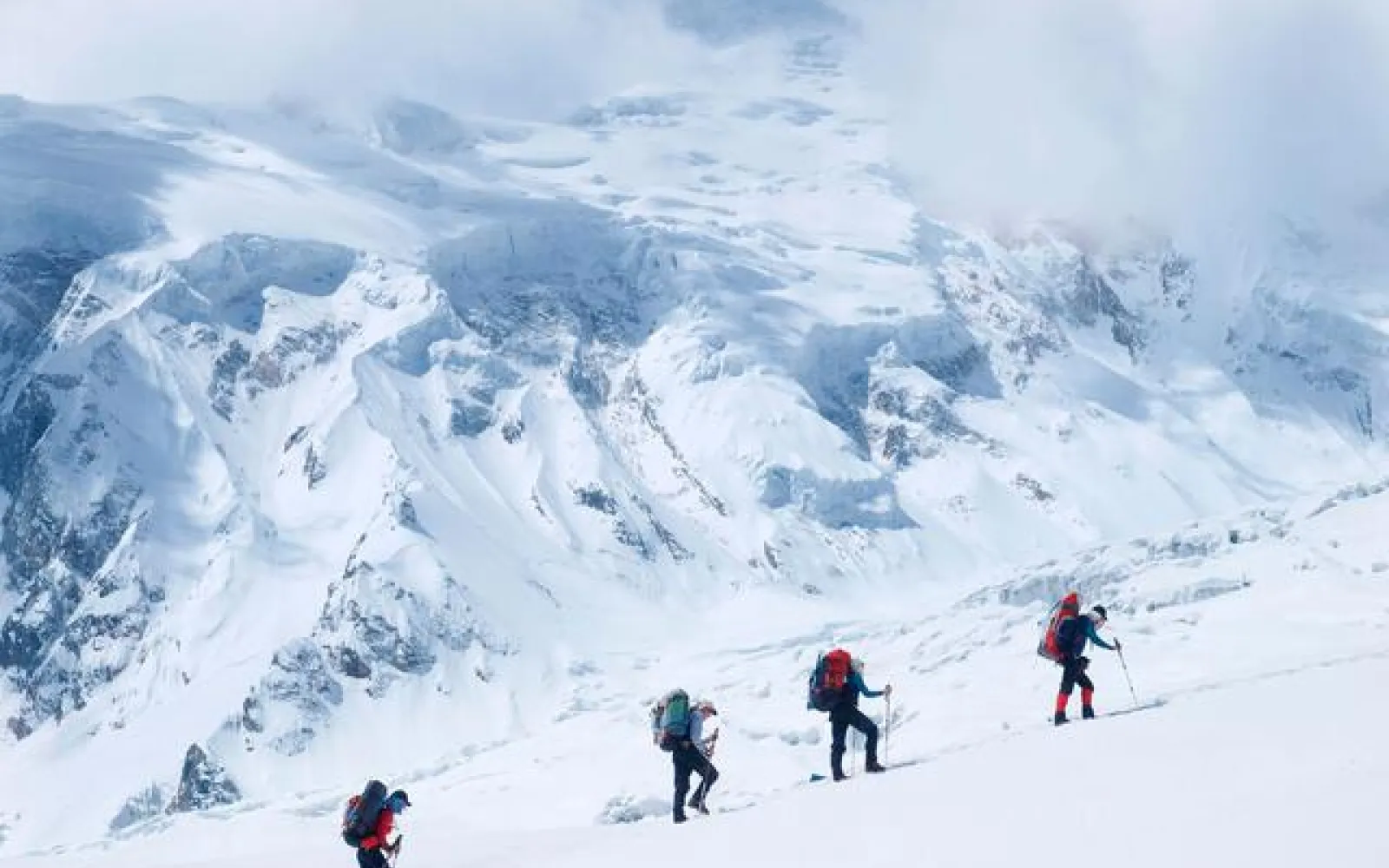
The Mount Manaslu Expedition is one of the most exciting and rewarding high-altitude mountaineering adventures in Nepal. Standing at an impressive elevation of 8,163 meters (26,781 feet), Mount Manaslu is the eighth-highest mountain in the world and one of the most sought-after 8,000-meter peaks among experienced climbers. Located in the beautiful Mansiri Himal range of the Nepalese Himalayas, Manaslu offers an extraordinary combination of challenging mountaineering, spectacular mountain scenery, traditional Himalayan culture, and remote wilderness exploration.
Organized by Everest Extreme Adventure, the Manaslu Expedition is designed for climbers seeking a challenging Himalayan experience with professional logistical support, experienced climbing guides, high-altitude Sherpa assistance, and a carefully planned acclimatization schedule. The journey begins in Kathmandu, continues through the scenic Manaslu trekking region, and reaches Manaslu Base Camp at approximately 4,750 meters before the main climbing period begins.
The expedition generally takes around 41 days, including arrival, documentation, trekking, acclimatization, climbing, descent, and departure. During the climbing period, climbers follow a gradual acclimatization strategy with multiple rotations between base camp and higher camps before attempting the summit.
With Everest Extreme Adventure, climbers can experience the magnificent beauty of the Manaslu region while preparing for one of the most memorable mountaineering achievements in the Himalayas.
The Mount Manaslu Expedition is an exceptional high-altitude climbing adventure that takes mountaineers into the heart of the Nepalese Himalayas. Known as the Mountain of the Spirit, Manaslu attracts climbers from around the world because of its impressive elevation, challenging climbing conditions, and spectacular Himalayan landscapes. Although it is considered one of the more achievable 8,000-meter peaks for experienced mountaineers, climbing Manaslu still requires excellent physical fitness, technical climbing abilities, proper acclimatization, and strong mental determination.
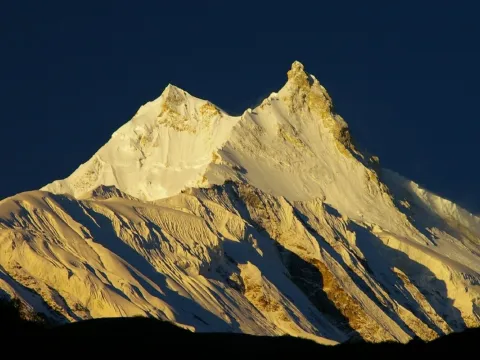
The expedition begins in Kathmandu, where climbers meet the Everest Extreme Adventure team, complete essential documentation, check climbing equipment, and prepare for the journey. After the preparation period, the team travels by road to Soti Khola, the starting point of the trekking adventure. The trail gradually follows the Budhi Gandaki River through traditional settlements, suspension bridges, lush forests, waterfalls, and beautiful mountain landscapes.
As the journey continues through Machha Khola, Jagat, Dang, and Namrung, climbers gradually gain altitude before reaching Samagaon. This traditional Himalayan village is an important acclimatization destination, offering incredible views of Manaslu and opportunities to explore the surrounding Buddhist monasteries and local culture.
After acclimatization, the team proceeds to Manaslu Base Camp, where the main expedition begins. The climbing period generally includes several acclimatization rotations, technical training, glacier travel, and preparations for the summit attempt.
The major stages of the expedition include:
With proper preparation and professional support from Everest Extreme Adventure, the Mount Manaslu Expedition provides an unforgettable opportunity to experience the challenges and beauty of climbing one of the world's highest mountains.
Mount Manaslu is located in the Gorkha District of north-central Nepal, within the Mansiri Himal mountain range of the Nepalese Himalayas. Rising to 8,163 meters above sea level, it is the eighth-highest mountain in the world. The mountain lies east of the Annapurna region and is surrounded by spectacular Himalayan landscapes, deep river valleys, glaciers, traditional villages, and dramatic mountain peaks.
Manaslu is situated within the Manaslu Conservation Area, a protected region famous for its natural biodiversity, traditional Tibetan-influenced culture, Buddhist monasteries, and remote mountain settlements. The region offers an authentic Himalayan experience, making it an attractive destination for trekkers, climbers, photographers, and adventure enthusiasts.
The main trekking approach to Manaslu Base Camp follows the beautiful Budhi Gandaki Valley. The route passes through several traditional settlements, including Soti Khola, Machha Khola, Jagat, Namrung, and Samagaon. These villages provide opportunities to experience local lifestyles, ancient monasteries, traditional architecture, and the unique cultural heritage of the region.
From Samagaon, climbers continue toward Manaslu Base Camp, located at approximately 4,750 meters. This is the primary starting point for the mountain's high-altitude climbing activities.
Important geographical information about Mount Manaslu:
The remote location and natural beauty of the Manaslu region make the expedition particularly attractive to climbers looking for an authentic Himalayan mountaineering experience away from some of Nepal's busier trekking destinations.
Mount Manaslu is an excellent choice for experienced mountaineers interested in climbing an 8,000-meter Himalayan peak. Its impressive elevation, dramatic glaciers, challenging climbing sections, and magnificent mountain scenery make it a highly rewarding expedition destination. For climbers preparing to pursue other major Himalayan summits, Manaslu can also provide valuable experience in high-altitude mountaineering, provided they have the necessary technical skills and previous climbing experience.
One of the main attractions of the Manaslu Expedition is the opportunity to experience both traditional Himalayan trekking and serious high-altitude climbing within one journey. Before reaching base camp, climbers travel through remote villages, ancient monasteries, beautiful forests, and spectacular mountain valleys. This combination of cultural exploration and mountaineering makes the expedition more than just a summit adventure.
Another reason to choose Manaslu is its relatively less crowded trekking approach compared with some other popular Himalayan regions. The Manaslu Conservation Area offers a peaceful atmosphere, impressive biodiversity, and opportunities to experience traditional mountain communities.
By choosing Everest Extreme Adventure, climbers can benefit from organized expedition logistics, experienced mountain guides, Sherpa support, climbing equipment arrangements, and assistance with expedition preparations. Proper support is particularly important when attempting an 8,000-meter mountain where weather conditions, altitude, and technical challenges require careful planning.
Top reasons to choose the Mount Manaslu Expedition:
Mount Manaslu is particularly suitable for experienced climbers who want to test their endurance, technical abilities, and determination while exploring one of Nepal's most beautiful mountain regions.
The Mount Manaslu Expedition offers a remarkable combination of high-altitude climbing, cultural exploration, and breathtaking Himalayan landscapes. From the moment climbers leave Kathmandu until they reach the summit of Mount Manaslu, the journey provides numerous memorable experiences. The trekking route itself is a major attraction, passing through traditional settlements, lush forests, deep river valleys, and beautiful mountain scenery.
One of the biggest highlights is reaching Manaslu Base Camp at approximately 4,750 meters. Surrounded by impressive Himalayan peaks and glaciers, base camp becomes the main operational center for the climbing expedition. Climbers spend time preparing equipment, participating in training sessions, and completing acclimatization rotations before moving toward higher camps.
The summit attempt is the most challenging and rewarding part of the journey. Climbers generally follow an established high-altitude route using fixed ropes and appropriate mountaineering equipment, depending on prevailing conditions. Reaching the summit at 8,163 meters offers an extraordinary sense of achievement and spectacular panoramic views of the surrounding Himalayan landscape.
Beyond the climbing experience, the expedition also introduces travelers to the cultural and natural beauty of the Manaslu region.
Major highlights and attractions include:
Summit of Mount Manaslu (8,163m)
The ultimate highlight of the expedition is reaching the summit of Mount Manaslu, the eighth-highest mountain in the world. Standing at 8,163 meters, the mountain offers an extraordinary high-altitude mountaineering challenge and breathtaking views across the Himalayan mountain ranges.
Scenic Manaslu Trekking Trail
The trekking approach to base camp is filled with natural beauty. Climbers follow the Budhi Gandaki River through green forests, suspension bridges, waterfalls, narrow valleys, and traditional mountain villages. The gradual elevation gain also provides important opportunities for acclimatization.
Traditional Himalayan Villages
Villages such as Jagat, Namrung, and Samagaon provide a fascinating introduction to the traditional lifestyles of Himalayan communities. Visitors can observe local architecture, Buddhist prayer flags, monasteries, traditional farming practices, and the hospitality of mountain residents.
Manaslu Base Camp (4,750m)
Manaslu Base Camp is the central location for expedition preparation and climbing activities. Surrounded by glaciers and dramatic mountain landscapes, it provides a unique environment for climbers to prepare for their summit attempts.
Larkya La Pass (5,100m)
After completing the climbing period, the return journey crosses Larkya La Pass, one of the most spectacular high mountain passes in Nepal. The pass offers impressive views of surrounding Himalayan peaks, glaciers, and rugged mountain terrain.
Buddhist Culture and Monasteries
The Manaslu region is strongly influenced by Tibetan Buddhist traditions. Along the trekking route, climbers can discover ancient monasteries, mani walls, prayer wheels, chortens, and colorful prayer flags that reflect the spiritual heritage of the Himalayan communities.
Together, these attractions make the Manaslu Expedition a complete Himalayan adventure, combining mountaineering achievement with cultural discovery and unforgettable natural scenery.
Choosing the right season is one of the most important factors when planning a successful Mount Manaslu Expedition. Weather conditions, snowfall, wind speed, temperature, and visibility can significantly influence climbing safety and summit opportunities. Although Manaslu can be approached during different times of the year, autumn is generally the most popular climbing season, while spring is another possible season depending on snow conditions and expedition planning.
The autumn season, particularly September and October, attracts many climbers because it generally offers favorable weather conditions after the summer monsoon. The skies often become clearer, mountain visibility improves, and the trekking approach through the Manaslu region becomes especially beautiful. However, climbers must still prepare for strong winds, freezing temperatures, and rapidly changing weather at higher elevations.
Spring, especially April and May, is another possible climbing period. During this season, temperatures gradually become warmer, and conditions can provide suitable opportunities for high-altitude climbing. Nevertheless, snow accumulation, avalanche risk, and changing weather patterns must be carefully evaluated before and during the expedition.
Everest Extreme Adventure recommends selecting the climbing period based on current mountain conditions, weather forecasts, route reports, and the experience of the expedition team.
Best seasons for the Mount Manaslu Expedition:
Autumn Season (September–October)
Spring Season (April–May)
Summer/Monsoon Season (June–August)
Winter Season (December–February)
Why autumn is a popular choice:
However, no climbing season guarantees a successful summit. High-altitude conditions can change rapidly, and the final decision to climb must always depend on weather forecasts, snow conditions, avalanche assessments, and the professional judgment of the expedition leadership.
With the right seasonal planning and experienced logistical support from Everest Extreme Adventure, climbers can prepare for a safer, more organized, and rewarding Mount Manaslu Expedition in Nepal.
Mount Manaslu, standing at 8,163 meters (26,781 feet), is one of the most challenging and rewarding mountains to climb in Nepal. As the eighth-highest mountain in the world, it requires considerable physical fitness, technical mountaineering skills, previous high-altitude experience, and strong mental determination. Although Manaslu is sometimes considered a more accessible 8,000-meter peak compared with other major Himalayan mountains, it should never be underestimated. Climbers must be prepared to face extreme altitude, freezing temperatures, unpredictable weather, steep snow slopes, glaciers, and physically demanding summit days.
One of the major challenges of the Manaslu Expedition is adapting to the decreasing oxygen levels at higher elevations. As climbers move from Samagaon to Manaslu Base Camp and higher camps, their bodies must gradually adjust to the altitude. The expedition generally follows an acclimatization strategy involving rest days and multiple rotations between base camp and higher camps. These rotations help climbers prepare for the demanding summit push while allowing the team to monitor their health and physical condition.
Technical climbing is another important aspect of the expedition. Climbers may encounter steep snow and ice slopes, crevasses, glacier sections, and exposed terrain requiring the use of fixed ropes. Proper training in crampon techniques, ice axe handling, ascending and descending fixed ropes, and glacier travel is essential. High-altitude Sherpa support and experienced expedition leadership from Everest Extreme Adventure help organize the climbing activities and manage the challenges of the mountain.
Major difficulties and challenges of climbing Mount Manaslu include:
With Everest Extreme Adventure, climbers receive expedition planning, climbing coordination, acclimatization guidance, and professional mountain support. Nevertheless, every climber must have appropriate mountaineering experience, personal responsibility, and the ability to follow safety instructions throughout the expedition.
The cost of the Mount Manaslu Expedition depends on several factors, including expedition duration, group size, climbing support, permits, accommodation, transportation, food, high-altitude equipment, and the level of services provided by the expedition company. Since Manaslu is an 8,000-meter mountain, organizing a successful expedition requires considerable logistical preparation, professional staff, specialized climbing equipment, and extensive support throughout the journey.
When booking the Manaslu Expedition with Everest Extreme Adventure, climbers should consider the overall package services rather than comparing prices alone. A professionally organized expedition generally includes Kathmandu accommodation, ground transportation, trekking arrangements, base camp services, climbing support, expedition permits, and logistical coordination. The climbing period also requires experienced Sherpa support, fixed-rope arrangements, high-altitude food, and appropriate safety equipment.
The total expedition budget can vary depending on whether a climber chooses a private expedition or joins a group. Individual preferences, additional oxygen supplies, personal Sherpa assistance, international flights, travel insurance, and personal mountaineering equipment may also affect the final cost.
Main factors affecting the Mount Manaslu Expedition cost:
Additional personal expenses may include:
Everest Extreme Adventure can provide a detailed expedition quotation based on the selected climbing season, group size, and required services. Before confirming your booking, it is important to request a clear breakdown of included and excluded services, oxygen arrangements, Sherpa support, permit fees, and emergency procedures.
Climbing Mount Manaslu requires official permits and appropriate documentation because the mountain is located within Nepal's restricted trekking and protected conservation region. Unlike ordinary trekking destinations, an 8,000-meter mountaineering expedition involves several administrative procedures, including climbing permission, conservation area entry requirements, restricted-area trekking documentation, and coordination with the relevant Nepalese authorities.
For the Mount Manaslu Expedition, climbers must obtain the applicable government climbing permit before attempting the mountain. The climbing permit requirements and fees can vary depending on the climbing season and current government regulations. In addition, the trekking approach passes through the Manaslu Conservation Area and a restricted trekking region, so the relevant entry permits and documentation must also be arranged.
Everest Extreme Adventure assists climbers with the necessary expedition documentation and permit arrangements. The company coordinates the administrative process, helps organize the required paperwork, and ensures that the expedition follows applicable Nepalese mountaineering and trekking regulations.
Main permits required for the Mount Manaslu Expedition:
Important documents required from climbers:
Important permit considerations:
Everest Extreme Adventure helps manage these administrative requirements so climbers can concentrate on their preparation and climbing objectives. Since government regulations and permit fees can change, the final requirements should always be confirmed with the company before booking the expedition.
The Mount Manaslu Expedition organized by Everest Extreme Adventure follows an approximately 41-day itinerary, combining Kathmandu preparation, trekking through the Manaslu region, acclimatization, high-altitude climbing, summit attempts, and the return journey. The itinerary is designed to provide climbers with sufficient time for gradual altitude adaptation and expedition preparation before attempting the 8,163-meter summit.
The adventure begins in Kathmandu, where climbers meet the expedition team, complete documentation, check equipment, and prepare for the journey. After the preparation period, the team drives to Soti Khola and begins trekking through the beautiful Budhi Gandaki Valley. The route passes through traditional Himalayan villages, forests, rivers, monasteries, and spectacular mountain landscapes before reaching Samagaon.
After an acclimatization day, climbers continue to Manaslu Base Camp at approximately 4,750 meters. The main climbing period generally takes place between Days 12 and 34, allowing time for acclimatization rotations, technical preparation, and summit attempts depending on weather and mountain conditions.
41-Day Mount Manaslu Expedition itinerary
Climbing Mount Manaslu requires excellent physical conditioning, technical mountaineering skills, and strong mental preparation. At 8,163 meters, the mountain presents demanding physical and environmental challenges that require climbers to maintain endurance and concentration throughout the expedition. The approximately 41-day journey involves several weeks of trekking, acclimatization, high-altitude climbing, and demanding summit activities.
Before joining the Manaslu Expedition with Everest Extreme Adventure, climbers should develop a structured training routine that improves cardiovascular endurance, leg strength, core stability, balance, and overall stamina. Previous experience trekking at high altitude and climbing snow-covered mountains is highly beneficial. Ideally, climbers should also have experience using crampons, ice axes, harnesses, ascenders, and fixed ropes.
Physical training should begin several months before departure. A combination of hiking, running, cycling, stair climbing, strength exercises, and loaded backpack training can help prepare the body for the expedition. Training should gradually increase in difficulty to build endurance without causing unnecessary injuries.
Essential physical fitness requirements for Mount Manaslu:
Recommended training activities
1. Hiking and trekking
Practice long-distance hikes with a backpack to develop endurance and prepare for extended days on mountain trails.
2. Cardiovascular exercises
Running, cycling, swimming, and brisk walking help improve aerobic fitness and stamina.
3. Strength training
Include squats, lunges, step-ups, planks, and other exercises to strengthen the legs and core.
4. Technical mountaineering practice
Develop practical skills in crampon walking, ice axe use, fixed-rope climbing, rappelling, and glacier travel under qualified instruction.
5. Stair climbing and uphill training
Practice sustained uphill movement and stair climbing to prepare for steep Himalayan trails and high-altitude ascents.
Suggested preparation timeline
Previous climbing experience
Previous experience on high-altitude mountains is strongly recommended before attempting Manaslu. Climbers should ideally have experience on technically demanding snowy peaks and understand the physical and psychological challenges of climbing above 6,000 meters.
Important skills and experience include:
Important health and safety consideration: Physical fitness alone does not guarantee successful acclimatization or prevent altitude sickness. Climbers should complete an appropriate medical assessment before departure, obtain suitable high-altitude mountaineering insurance, and follow the expedition team's acclimatization and safety instructions.
With proper physical preparation, technical training, previous mountaineering experience, and professional logistical support from Everest Extreme Adventure, climbers can approach the Mount Manaslu Expedition with greater confidence and readiness for the challenges of the world's eighth-highest mountain.
Climbing Mount Manaslu at 8,163 meters requires specialized mountaineering equipment designed to withstand extreme cold, strong winds, heavy snowfall, and challenging high-altitude conditions. Having the correct climbing gear is essential for maintaining warmth, safety, comfort, and performance throughout the expedition. Since climbers spend several weeks trekking, acclimatizing, and climbing above 4,750 meters, they must be properly equipped for both trekking conditions and technical high-altitude mountaineering.
During the Mount Manaslu Expedition, climbers travel through different climatic zones, from warm lower river valleys to freezing high-altitude glaciers and exposed mountain slopes. Therefore, a proper layering system, insulated clothing, technical climbing equipment, and personal accessories are necessary. Everest Extreme Adventure guides essential equipment and helps coordinate shared expedition gear, depending on the selected package.
Climbers should prepare their equipment well before arriving in Nepal and ensure that all personal climbing gear fits properly. Technical equipment such as mountaineering boots, crampons, harnesses, helmets, ice axes, and ascenders should be tested before the expedition begins.
Essential clothing and personal gear
Sunglasses and goggles: Glacier glasses and protective goggles for snow and strong sunlight.
Technical climbing equipment
Sleeping and camping equipment
Personal accessories and useful items
Important equipment considerations: Some shared equipment, such as expedition tents, kitchen supplies, fixed ropes, and base camp facilities, may be provided by Everest Extreme Adventure according to the package arrangement. Climbers should confirm which items are included and which must be brought personally.
Proper equipment preparation is an important part of a successful Manaslu Expedition. Everest Extreme Adventure recommends checking all climbing equipment before departure to ensure that climbers are ready for the demanding conditions of the Himalayas.
Altitude sickness is one of the most important health concerns during the Mount Manaslu Expedition. As climbers ascend above 3,000 meters, the amount of available oxygen decreases, making it increasingly difficult for the human body to function normally. At 8,163 meters, Mount Manaslu presents extreme physiological challenges, and climbers must understand the risks associated with high-altitude exposure.
The symptoms of altitude sickness can range from mild headaches and nausea to serious and potentially life-threatening medical conditions. Acute Mountain Sickness (AMS), High Altitude Pulmonary Edema (HAPE), and High Altitude Cerebral Edema (HACE) are the major altitude-related conditions that climbers need to understand. Proper acclimatization, hydration, rest, and careful monitoring are essential throughout the expedition.
Everest Extreme Adventure plans the Manaslu Expedition with gradual altitude gain, acclimatization opportunities, and climbing rotations. The trekking route passes through several villages before reaching Samagaon at approximately 3,530 meters. Climbers spend an additional day acclimatizing before proceeding to Manaslu Base Camp at approximately 4,750 meters.
Common symptoms of altitude sickness
1. Acute Mountain Sickness (AMS)
AMS is a common altitude-related condition that can occur when someone ascends too quickly.
Common symptoms include:
2. High Altitude Pulmonary Edema (HAPE)
HAPE is a serious condition involving fluid accumulation in the lungs. It requires immediate medical attention and descent.
Warning signs include:
3. High Altitude Cerebral Edema (HACE)
HACE is a life-threatening condition involving swelling of the brain at high altitude.
Warning signs include:
HAPE and HACE are medical emergencies. Immediate descent, oxygen where available, and urgent medical assistance are essential. Never wait for symptoms to improve at the same altitude.
Acclimatization during the Manaslu Expedition
Acclimatization allows the body to gradually adjust to lower oxygen availability at higher elevations. The Manaslu trekking route is structured to provide gradual altitude progression before climbers reach base camp.
Important acclimatization practices include:
Why climbing rotations are important
During the main climbing period, climbers generally complete several rotations between Manaslu Base Camp and higher camps. These rotations help the body adapt to higher elevations while allowing climbers to become familiar with the climbing route and mountain conditions.
The exact rotation schedule depends on weather, route conditions, individual health, and expedition planning. Supplemental oxygen may also be used according to the climbing strategy, but it does not eliminate the risks of altitude-related illness.
Everest Extreme Adventure emphasizes gradual acclimatization, communication, and careful health monitoring throughout the expedition. Climbers must understand that reaching the summit is never more important than personal safety.
Food and accommodation are important parts of the Mount Manaslu Expedition because climbers need sufficient nutrition, rest, and recovery throughout the approximately 41-day journey. The expedition combines comfortable hotel accommodation in Kathmandu, traditional teahouses during the trekking approach, and organized camping facilities at Manaslu Base Camp and higher climbing camps.
During the trekking period, climbers stay in local teahouses and lodges located in villages along the Manaslu route. These accommodations provide basic but comfortable facilities, including sleeping rooms, dining areas, and shared bathrooms in many locations. The facilities become more basic as the trekking route moves toward remote Himalayan settlements.
At Manaslu Base Camp, the accommodation arrangement changes from teahouses to expedition-style camping. Climbers stay in designated expedition tents, while the support team organizes meals, kitchen facilities, dining arrangements, and other essential base camp services according to the expedition package.
Food during the Manaslu trekking journey
Teahouses along the Manaslu trekking route offer a variety of local and international meals. The food is generally prepared using locally available ingredients, with traditional Nepalese dishes being especially popular.
Common meals include:
A balanced diet containing carbohydrates, proteins, and healthy fats helps maintain energy during long trekking days.
Accommodation during the trekking period
During the trekking section, climbers generally stay in locally operated teahouses and mountain lodges. Accommodation usually consists of simple twin-sharing rooms with beds, mattresses, pillows, and blankets.
Facilities may include:
Facilities vary considerably between villages, and hot showers, electricity, and internet access may become limited at higher elevations.
Food and accommodation at Manaslu Base Camp
At Manaslu Base Camp, Everest Extreme Adventure coordinates expedition-style camping facilities depending on the selected package. Climbers generally stay in personal or shared sleeping tents, while the support team manages dining and kitchen arrangements.
Base camp food is planned to provide sufficient energy and nutrition for high-altitude climbing. Meals may include rice, pasta, noodles, soups, vegetables, potatoes, porridge, and other suitable expedition foods. Hot drinks are also important for hydration and comfort in cold conditions.
Typical base camp facilities may include:
Accommodation and food at higher camps
Above base camp, climbers generally stay in high-altitude tents at designated climbing camps. Facilities become increasingly basic as the elevation increases, and food is usually limited to lightweight, energy-rich meals that can be prepared in challenging mountain conditions.
High-altitude climbing camps may provide:
Everest Extreme Adventure coordinates food and accommodation throughout the expedition according to the itinerary and selected package. Climbers should confirm the exact accommodation standards, meal arrangements, drinking water provisions, and included base camp facilities before booking.
Safety is one of the most important considerations when climbing Mount Manaslu. At 8,163 meters, the mountain presents serious challenges, including extreme altitude, freezing temperatures, avalanches, crevasses, strong winds, and unpredictable weather. A successful expedition requires careful preparation, professional leadership, appropriate climbing equipment, and a well-organized support team.
Everest Extreme Adventure focuses on organizing the expedition with experienced mountain guides, Sherpa climbing support, trekking staff, and logistical assistance. Professional support helps climbers manage the different stages of the journey, from the trekking approach and base camp preparation to high-altitude climbing and the return descent.
Before starting the expedition, climbers receive information about the route, climbing equipment, acclimatization procedures, and general mountain safety. During the climbing period, the expedition team coordinates climbing rotations, monitors mountain conditions, and evaluates summit opportunities based on weather and safety considerations.
Important safety measures during the expedition
1. Proper acclimatization
Gradual altitude gain and appropriate acclimatization days are essential for reducing altitude-related risks. Climbers should follow the planned schedule and communicate any symptoms immediately.
2. Experienced climbing guides and Sherpa support
Experienced climbing guides and Sherpa support personnel provide valuable assistance during technical climbing sections, route preparation, and high-altitude operations. Their responsibilities depend on the agreed expedition services and prevailing mountain conditions.
3. Weather monitoring
Mountain weather can change rapidly, especially above base camp. The expedition team should monitor reliable forecasts, wind speeds, snowfall, and visibility before making climbing decisions.
4. Technical climbing preparation
Climbers should be familiar with essential mountaineering equipment, including:
5. Emergency and evacuation planning
A proper emergency response plan should be established before departure. Climbers should understand the communication procedures, evacuation arrangements, and available medical support.
6. Personal health monitoring
Every climber should monitor their physical condition and report symptoms such as headaches, dizziness, nausea, breathing difficulties, and unusual fatigue.
Role of Everest Extreme Adventure during the expedition
Everest Extreme Adventure coordinates the essential services required for the Manaslu Expedition. Depending on the selected package, the support arrangements may include:
Important safety recommendations for climbers
No expedition company can guarantee a successful summit or eliminate all mountain risks. The safest approach is to combine experienced leadership, appropriate preparation, good equipment, and responsible decision-making throughout the expedition.
With Everest Extreme Adventure, climbers can receive organized logistical support and professional expedition coordination while undertaking the demanding challenge of climbing Mount Manaslu.
The Mount Manaslu Expedition is an extraordinary Himalayan adventure that combines high-altitude mountaineering, cultural exploration, challenging trekking, and the opportunity to climb the world's eighth-highest mountain. Standing at 8,163 meters, Manaslu offers a remarkable challenge for experienced climbers who want to test their physical endurance, technical abilities, and mental strength in one of the most spectacular mountain environments on Earth.
The approximately 41-day journey organized by Everest Extreme Adventure provides an opportunity to experience the complete Manaslu climbing adventure, beginning in Kathmandu and continuing through traditional Himalayan villages, beautiful forests, glaciers, and remote mountain landscapes. The expedition includes trekking through Soti Khola, Machha Khola, Jagat, Dang, Namrung, and Samagaon before reaching Manaslu Base Camp.
The main climbing period provides time for acclimatization rotations, technical preparation, and summit attempts. After the climbing phase, the journey continues through Samdo and Dharamsala, crossing the spectacular Larkya La Pass before reaching Bimthang, Dharapani, and finally returning to Kathmandu.
Who should consider climbing Mount Manaslu?
Why choose Everest Extreme Adventure for the Manaslu Expedition?
Choosing an experienced expedition organizer is an important part of preparing for a high-altitude mountain adventure. Everest Extreme Adventure helps coordinate the major arrangements required for the Mount Manaslu Expedition, including trekking logistics, climbing permits, transportation, accommodation, expedition staff, and climbing support according to the selected package.
The company's expedition planning focuses on providing climbers with organized logistical arrangements and support throughout the journey. From the initial preparation in Kathmandu to the final return, climbers can receive assistance with the essential stages of the expedition.
Reasons to consider Everest Extreme Adventure:
Is Mount Manaslu worth climbing?
Absolutely, for suitably experienced and prepared mountaineers, Mount Manaslu can be an incredibly rewarding Himalayan expedition. It offers the opportunity to climb an 8,000-meter mountain while experiencing the natural beauty, cultural traditions, and remote wilderness of Nepal's Manaslu region.
However, climbing Manaslu is a serious undertaking that requires proper mountaineering experience, physical preparation, technical skills, suitable equipment, and a responsible approach to altitude and mountain safety. Climbers should never choose this expedition solely because of its reputation as a comparatively accessible 8,000-meter peak.
Begin your Mount Manaslu adventure with Everest Extreme Adventure!
If climbing one of the world's highest mountains is your dream, the Mount Manaslu Expedition offers an unforgettable opportunity to challenge yourself in the heart of the Himalayas. Prepare well, choose the right climbing season, and work with an experienced expedition team to make your Himalayan mountaineering journey as safe and rewarding as possible.
Our travel experts are ready to assist you with any questions.
Send us a message.Have a question before you book? Send your enquiry below and our travel experts will get back with the required information.