Group Adventure Dates.  4.9 of 489 reviews
 4.8 of 232 reviews
4.9 of 489 reviews 4.8 of 232 reviews 
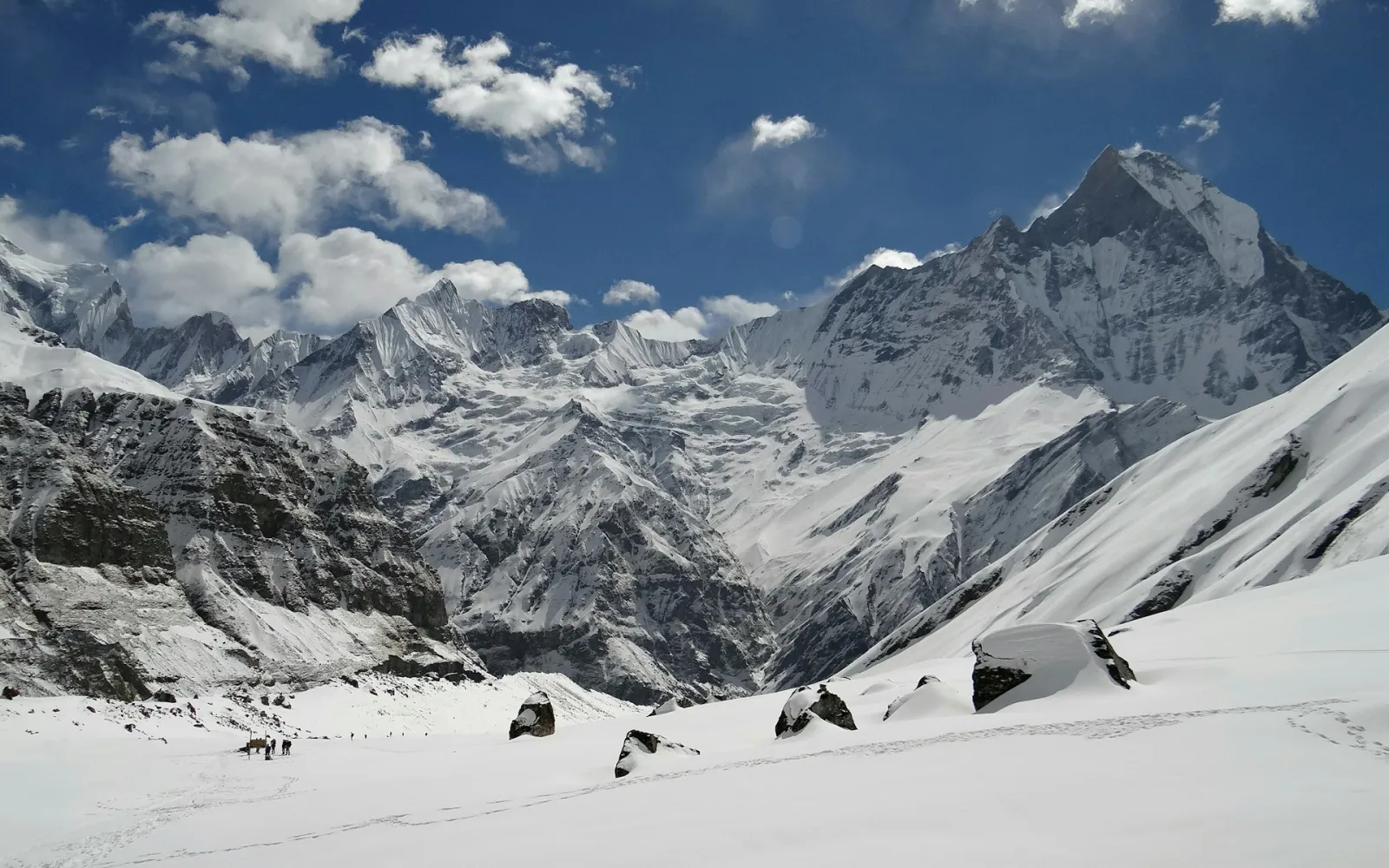
The Poon Hill to Annapurna Base Camp Trek is one of the most rewarding trekking adventures in Nepal, offering an incredible combination of Himalayan mountain scenery, natural beauty, traditional villages, and rich local culture. This 15-day journey takes you through the spectacular Annapurna region, beginning with cultural sightseeing in Kathmandu and continuing to the beautiful lakeside city of Pokhara before entering the heart of the Himalayas. Along the way, trekkers experience breathtaking landscapes, lush forests, terraced farmland, traditional Gurung and Magar settlements, and magnificent views of some of the world's highest mountains.
One of the highlights of this adventure is the opportunity to experience two famous Himalayan destinations: Poon Hill (3,210m) and Annapurna Base Camp (4,130m). Poon Hill offers an unforgettable sunrise panorama over the Annapurna and Dhaulagiri mountain ranges, while Annapurna Base Camp provides an extraordinary opportunity to stand surrounded by towering Himalayan peaks. Organized by Everest Extreme Adventure, this trek is designed for adventure seekers, nature lovers, photographers, and travelers who want to experience Nepal's spectacular mountains and authentic Himalayan hospitality.
The Poon Hill to Annapurna Base Camp Trek is an unforgettable Himalayan adventure that combines scenic trekking, cultural exploration, and breathtaking mountain experiences. Located in the beautiful Annapurna region of north-central Nepal, this trekking route is famous for its diverse landscapes and spectacular mountain views. The journey begins in Kathmandu, where travelers explore Nepal's historical and cultural attractions before driving to Pokhara, the gateway to the Annapurna trekking region.
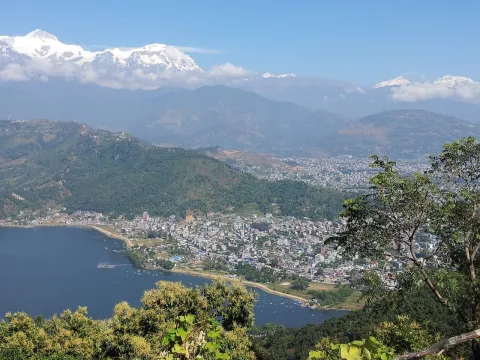
From Pokhara, the adventure continues toward Nayapul, where the trekking journey officially begins. As you walk through charming villages such as Tikhedhunga, Ghorepani, Tadapani, and Chhomrong, you will discover the natural and cultural beauty of the region. The trail gradually leads through peaceful forests, mountain settlements, suspension bridges, and beautiful river valleys. Reaching Poon Hill provides one of the most memorable moments of the trek, with spectacular sunrise views illuminating the Annapurna and Dhaulagiri ranges.
After enjoying the magnificent scenery of Poon Hill, the trekking route continues toward the Annapurna Sanctuary through Chhomrong, Dovan, and Machhapuchhre Base Camp. Finally, you reach Annapurna Base Camp at an altitude of 4,130 meters, where an incredible Himalayan panorama surrounds you. This adventure is not only about reaching a destination; it is also about experiencing the beauty of nature, discovering local traditions, and creating lifelong memories in the Himalayas.
What Makes This Journey Special?
The Poon Hill to Annapurna Base Camp Trek is a 15-day Himalayan adventure that combines cultural sightseeing, scenic road journeys, and approximately 10 days of trekking through the Annapurna region. The journey starts in Kathmandu at an elevation of approximately 1,400 meters, followed by sightseeing around the city's famous cultural and historical attractions. Afterward, travelers drive to Pokhara, a beautiful lakeside destination surrounded by green hills and Himalayan scenery.
The trekking adventure begins at Nayapul and follows a beautiful trail through Tikhedhunga, Ghorepani, and Tadapani. One of the major highlights is the early-morning hike to Poon Hill, where trekkers can witness a spectacular sunrise over the Annapurna and Dhaulagiri mountain ranges. The route then continues toward Chhomrong and Dovan, gradually entering the magnificent Annapurna Sanctuary. Passing through Machhapuchhre Base Camp, trekkers eventually arrive at Annapurna Base Camp (4,130m), the highest point of this itinerary.
After enjoying the extraordinary mountain scenery at Annapurna Base Camp, the return journey follows the trail through Bamboo and Jhinu Danda. At Jhinu Danda, trekkers can relax in the natural hot springs beside the river, providing a refreshing experience after several days of hiking. The journey concludes at Nayapul, followed by a drive back to Pokhara and Kathmandu before the final international departure.
Trek Overview at a Glance:
Choosing the Poon Hill to Annapurna Base Camp Trek means experiencing two of Nepal's most popular Himalayan trekking destinations in one incredible adventure. Unlike shorter trekking routes that focus on a single viewpoint or destination, this journey offers a combination of spectacular sunrise experiences, traditional mountain villages, diverse natural landscapes, and the unforgettable atmosphere of the Annapurna Sanctuary. It is an excellent choice for travelers who want to experience the beauty and diversity of the Himalayas within one well-organized itinerary.
Another reason to choose this trek is the opportunity to experience Nepal's cultural diversity and natural beauty together. During the journey, you will pass through traditional Gurung and Magar settlements, where local people maintain their unique lifestyles, customs, and hospitality. You will also walk through beautiful rhododendron forests, cross suspension bridges, explore peaceful valleys, and enjoy panoramic views of famous Himalayan peaks, including Annapurna I, Annapurna South, Machhapuchhre, Hiunchuli, and Dhaulagiri from suitable viewpoints.
With Everest Extreme Adventure, trekkers can enjoy a well-organized trekking experience with professional guidance, local knowledge, and support throughout the journey. Our goal is to make your Himalayan adventure comfortable, memorable, and enjoyable while helping you discover the natural and cultural wonders of Nepal.
Top Reasons to Choose This Trek:
Choosing the right season is important for enjoying the Poon Hill to Annapurna Base Camp Trek. Although trekking in the Annapurna region is possible throughout much of the year, spring and autumn are generally considered the best seasons because of their favorable weather, comfortable temperatures, and excellent mountain visibility. During these periods, trekkers can enjoy beautiful landscapes, clearer mountain views, and relatively stable weather conditions along the route.
Spring Season (March to May)
Spring is one of the most beautiful times to explore the Annapurna region. During this season, the hills and forests become colorful with blooming rhododendrons and other wildflowers. The weather is generally pleasant, making it an excellent time for trekking through Ghorepani, Tadapani, and the Annapurna Sanctuary. The colorful forests, fresh mountain air, and spectacular Himalayan scenery make spring especially attractive for nature lovers and photographers.
Autumn Season (September to November)
Autumn is another excellent season for the Poon Hill and Annapurna Base Camp Trek. Following the monsoon rains, the skies often become clearer, providing excellent visibility of the surrounding mountains. The weather is generally stable, and daytime temperatures are comfortable for walking. This season is particularly popular among international trekkers because of the beautiful mountain panoramas and favorable trekking conditions.
Winter Season (December to February)
Winter offers a quieter trekking experience with fewer crowds and beautiful snow-covered mountain landscapes. Lower sections of the trail can be pleasant during sunny days, but temperatures become very cold at higher elevations. Heavy snowfall may affect the upper trail, particularly around Machhapuchhre Base Camp and Annapurna Base Camp. Proper winter clothing, suitable equipment, and updated weather information are essential.
Monsoon Season (June to August)
The monsoon season brings heavy rainfall to many parts of the Annapurna region. The hills become exceptionally green, and waterfalls and rivers become more impressive. However, cloudy skies, slippery trails, leeches, and occasional landslides can make trekking more challenging. Mountain views may also be limited because of clouds and rain. This season is generally less recommended for this particular itinerary.
Best Months for the Trek:
For the best overall experience, Everest Extreme Adventure recommends planning this trek during spring or autumn, while remaining flexible according to weather and mountain conditions.
The Poon Hill to Annapurna Base Camp Trek follows one of the most scenic trekking routes in Nepal, combining beautiful mountain viewpoints, traditional villages, lush forests, and spectacular alpine landscapes. The journey begins in Kathmandu and continues to Pokhara before reaching Nayapul, the starting point of the trekking adventure. From there, the trail gradually ascends through Tikhedhunga to Ghorepani, where trekkers prepare for an early-morning hike to Poon Hill.
After enjoying the sunrise panorama from Poon Hill, the route continues through Tadapani and Chhomrong toward the Annapurna Sanctuary. The trail passes through beautiful forests and mountain settlements before reaching Dovan and Machhapuchhre Base Camp. From Machhapuchhre Base Camp, trekkers continue toward Annapurna Base Camp, the ultimate destination of this adventure. Surrounded by impressive Himalayan peaks, the Annapurna Sanctuary provides an unforgettable mountain experience.
The return journey follows a different sequence of mountain stops, descending through Bamboo and Jhinu Danda before reaching Nayapul. After completing the trek, travelers drive back to Pokhara and Kathmandu, bringing this remarkable Himalayan journey to an end.
Detailed 15-Day Trekking Itinerary
Day 1: Arrival in Kathmandu (1,400m)
Arrive at Tribhuvan International Airport in Kathmandu, where you will be welcomed by a representative of Everest Extreme Adventure. After completing the airport formalities, you will be transferred to your hotel. The remaining time can be spent relaxing or exploring the nearby streets of Kathmandu. In the evening, you can meet your trekking team and receive a brief introduction to the upcoming adventure.
Day 2: Sightseeing in Kathmandu
Enjoy a cultural sightseeing tour around Kathmandu Valley, exploring its famous historical and religious attractions. You may visit UNESCO World Heritage Sites such as Pashupatinath Temple, Boudhanath Stupa, Swayambhunath Stupa, and Kathmandu Durbar Square. This day provides an excellent opportunity to discover Nepalese history, architecture, religion, and traditional culture before beginning your Himalayan adventure.
Day 3: Drive from Kathmandu to Pokhara (820m) – 6–7 Hours
After breakfast, begin a scenic drive from Kathmandu to Pokhara, a beautiful lakeside city surrounded by green hills and mountain landscapes. The journey follows winding highways alongside rivers, terraced fields, and traditional settlements. Upon arrival in Pokhara, check into your hotel and enjoy the peaceful atmosphere of Phewa Lake and the surrounding mountains.
Day 4: Drive to Nayapul (1,070m) and Trek to Tikhedhunga (1,540m) – 3–4 Hours
After breakfast, drive from Pokhara to Nayapul, where your trekking adventure begins. Follow the trail through beautiful villages, terraced farmland, and riverside landscapes. Enjoy the peaceful countryside and traditional lifestyle of local communities as you gradually make your way toward Tikhedhunga, where you will spend the night in a local teahouse.
Day 5: Trek from Tikhedhunga to Ghorepani (2,850m) – 5–6 Hours
Today's trek takes you through one of the most memorable sections of the route. Begin with the famous stone staircase leading toward Ulleri village, followed by a beautiful walk through forests of rhododendron and oak. As you gain elevation, the mountain scenery becomes increasingly impressive. Continue toward Ghorepani, a charming mountain village and an important stop for trekkers visiting Poon Hill.
Day 6: Hike to Poon Hill (3,210m) and Trek to Tadapani (2,610m) – 5–6 Hours
Wake up early in the morning for a memorable hike to Poon Hill, one of Nepal's most famous Himalayan viewpoints. From the summit, enjoy breathtaking sunrise views over the Annapurna and Dhaulagiri mountain ranges. After spending time enjoying the spectacular panorama and taking photographs, return to Ghorepani for breakfast. Continue trekking through beautiful forests and scenic ridgelines toward Tadapani, where you will spend the night surrounded by mountain scenery.
Day 7: Trek from Tadapani to Chhomrong (2,170m) – 5–6 Hours
After breakfast, descend through beautiful forests and traditional villages toward the Kimrong Khola valley. The trail passes through lush vegetation, terraced fields, and peaceful mountain settlements. Gradually climb toward Chhomrong, a beautiful Gurung village offering impressive views of Annapurna South and Machhapuchhre. Chhomrong is also an important gateway to the Annapurna Sanctuary.
Day 8: Trek from Chhomrong to Dovan (2,600m) – 6–7 Hours
Today, continue your journey deeper into the Annapurna region. Descend through stone staircases toward Chhomrong Khola and cross a suspension bridge before climbing toward Sinuwa. The trail then passes through dense bamboo and rhododendron forests, offering beautiful natural scenery. Continue along the mountainside toward Dovan, a peaceful stopping point surrounded by forested landscapes.
Day 9: Trek from Dovan to Machhapuchhre Base Camp (3,700m) – 4–5 Hours
Leave Dovan after breakfast and continue through the beautiful Modi Khola valley. The trail gradually climbs through forested areas and rocky mountain terrain toward the higher alpine landscape. Along the way, enjoy impressive views of the surrounding cliffs, waterfalls, and snow-covered mountains. Eventually, reach Machhapuchhre Base Camp, where the spectacular Himalayan environment provides an unforgettable experience.
Day 10: Trek from Machhapuchhre Base Camp to Annapurna Base Camp (4,130m) – 3–4 Hours
Today is one of the most exciting highlights of the entire adventure. After breakfast, continue trekking toward Annapurna Base Camp through the magnificent Annapurna Sanctuary. As you approach the destination, towering Himalayan peaks gradually appear all around you. Upon reaching Annapurna Base Camp at 4,130 meters, enjoy breathtaking views of Annapurna I, Annapurna South, Hiunchuli, and other surrounding mountains. Spend time appreciating the extraordinary alpine landscape and celebrating the achievement of reaching this famous Himalayan destination.
Day 11: Trek from Annapurna Base Camp to Bamboo (2,310m) – 5–6 Hours
After enjoying the spectacular mountain scenery at Annapurna Base Camp, begin your descent toward Bamboo. Retrace the trail through Machhapuchhre Base Camp and Dovan, passing through beautiful alpine landscapes and forested sections. Descending gradually provides an opportunity to enjoy the scenery from a different perspective. Arrive at Bamboo and spend the night in a comfortable teahouse.
Day 12: Trek from Bamboo to Jhinu Danda (1,780m) – 4–5 Hours
Continue descending through lush forests and traditional mountain settlements toward Jhinu Danda. The trail includes beautiful natural scenery, suspension bridges, and stone staircases. One of the major attractions of this destination is its natural hot springs, located near the river. After several days of trekking, relaxing in the warm natural water provides a refreshing and memorable experience.
Day 13: Trek from Jhinu Danda to Nayapul and Drive to Pokhara – 5–6 Hours
Enjoy your final day of trekking through the beautiful lower Annapurna region. Follow the trail through traditional villages, terraced farmland, and riverside landscapes toward Nayapul. Upon reaching Nayapul, celebrate the successful completion of your trekking adventure before taking a drive back to Pokhara. After checking into your hotel, enjoy a relaxing evening around the beautiful lakeside area.
Day 14: Drive from Pokhara to Kathmandu
After breakfast, begin your scenic drive from Pokhara back to Kathmandu. Enjoy the beautiful countryside, rivers, hills, and traditional settlements along the highway. Upon arrival in Kathmandu, transfer to your hotel and enjoy your remaining free time. You can explore local markets, purchase souvenirs, or simply relax after completing your Himalayan adventure.
Day 15: Final Departure from Kathmandu
Today marks the end of your unforgettable Poon Hill to Annapurna Base Camp Trek. After breakfast, depending on your international flight schedule, a representative from Everest Extreme Adventure will transfer you to Tribhuvan International Airport for your onward journey. Take home wonderful memories of Nepal's magnificent mountains, beautiful landscapes, warm hospitality, and unique cultural experiences.
Important Trekking Route Highlights:
A Note from Everest Extreme Adventure:
The Poon Hill to Annapurna Base Camp Trek is a rewarding but physically demanding high-altitude adventure. Proper preparation, gradual acclimatization, suitable trekking equipment, and professional guidance are important for a safe and enjoyable experience. Weather conditions, trail conditions, and teahouse availability may occasionally require adjustments to the itinerary. Our experienced local team at Everest Extreme Adventure is committed to providing professional support and helping you enjoy an unforgettable journey through the beautiful Annapurna Himalayas.
The Annapurna region is one of the most naturally beautiful trekking destinations in Nepal, offering an extraordinary combination of mountains, forests, rivers, waterfalls, green hills, and traditional Himalayan villages. The Poon Hill to Annapurna Base Camp Trek takes you through a variety of landscapes, beginning with subtropical valleys and terraced farmland before gradually entering beautiful rhododendron forests and high-altitude alpine environments. Throughout the journey, trekkers can enjoy spectacular views of snow-covered Himalayan peaks, peaceful mountain streams, and dramatic valleys that make every step of the adventure memorable.
As you travel deeper into the Annapurna Conservation Area, the natural scenery becomes increasingly impressive. The forests around Ghorepani and Tadapani are especially beautiful during spring when rhododendrons bloom in different colors. Along the trail, you can discover diverse vegetation, waterfalls, suspension bridges, and fascinating wildlife habitats. The changing landscapes provide excellent opportunities for photography, nature exploration, and relaxation in the peaceful atmosphere of the Himalayas.
With Everest Extreme Adventure, you will experience the natural wonders of the Annapurna region while enjoying a carefully organized trekking journey supported by local knowledge and professional guidance.
Natural Attractions Along the Trek:
Poon Hill (3,210m) is one of the most famous Himalayan viewpoints in Nepal and a major highlight of the Poon Hill to Annapurna Base Camp Trek. Located above the beautiful village of Ghorepani, this spectacular viewpoint is especially popular for its unforgettable sunrise experience. Trekkers usually begin their hike early in the morning, walking through the quiet mountain trail under the stars to reach the viewpoint before sunrise. As the first rays of sunlight touch the Himalayan peaks, the surrounding mountains gradually glow with beautiful golden and orange colors, creating an extraordinary natural spectacle.
From Poon Hill, visitors can enjoy panoramic views of several famous Himalayan mountains, including the Annapurna range, Dhaulagiri, Annapurna South, Machhapuchhre, and Nilgiri. The magnificent mountain panorama, combined with the peaceful atmosphere of the surrounding hills, makes this viewpoint an ideal location for photography and unforgettable travel memories. The sunrise experience is one of the most rewarding moments of the entire trekking adventure.
After spending time enjoying the breathtaking scenery, trekkers return to Ghorepani for breakfast before continuing their journey toward Tadapani. This special morning experience makes the Poon Hill section an essential part of the combined Annapurna Base Camp adventure.
Highlights of the Poon Hill Sunrise Experience:
Annapurna Base Camp (4,130m) is the ultimate destination and one of the most spectacular highlights of this Himalayan adventure. Situated within the magnificent Annapurna Sanctuary, the base camp is surrounded by towering snow-covered mountains, creating an extraordinary natural amphitheater. Reaching this destination is a memorable achievement for trekkers, as the journey gradually takes you from green valleys and forested trails into the dramatic alpine environment of the high Himalayas.
As you approach Annapurna Base Camp from Machhapuchhre Base Camp, the scenery becomes increasingly impressive. Massive mountain peaks rise dramatically above the surrounding landscape, offering breathtaking views of Annapurna I, Annapurna South, Hiunchuli, and other Himalayan giants. The peaceful atmosphere, fresh mountain air, and spectacular mountain panorama create an unforgettable experience. Sunrise and sunset at the base camp can be particularly beautiful when changing sunlight illuminates the surrounding snowy peaks.
Spending time at Annapurna Base Camp allows trekkers to appreciate the incredible scale and beauty of the Himalayas. It is also an excellent opportunity to take photographs, enjoy the peaceful mountain environment, and celebrate the successful completion of one of Nepal's most rewarding trekking journeys. Everest Extreme Adventure helps you experience this remarkable destination with professional trekking support and local expertise.
Major Highlights of Annapurna Base Camp:
The Poon Hill to Annapurna Base Camp Trek is not only a mountain adventure but also a wonderful opportunity to explore the traditional cultures and lifestyles of Nepal's Himalayan communities. The Annapurna region is home to several ethnic groups, particularly the Gurung and Magar communities, who have preserved their unique traditions, languages, customs, and cultural heritage for generations. As you walk through villages such as Ghorepani, Tadapani, and Chhomrong, you can discover the traditional lifestyles of local people and experience the warm hospitality that makes trekking in Nepal so special.
The Gurung and Magar communities are well known for their rich cultural traditions, traditional clothing, folk music, dances, and delicious local food. Their cultural heritage is reflected in traditional houses, community celebrations, local festivals, and everyday village activities. Visitors may also have opportunities to experience traditional meals such as dal bhat, local vegetable dishes, homemade bread, and other Nepalese specialties. These cultural encounters provide a deeper understanding of life in the Himalayan foothills.
Traveling through these communities also helps trekkers appreciate the connection between local people and their natural environment. Agriculture, animal husbandry, tourism, and traditional occupations remain important parts of village life. With Everest Extreme Adventure, you can enjoy opportunities to interact respectfully with local communities and learn more about the cultural diversity of the Annapurna region.
Cultural Experiences Along the Route:
One of the most memorable aspects of the Poon Hill to Annapurna Base Camp Trek is the opportunity to explore traditional mountain villages and experience the simple lifestyle of Himalayan communities. Throughout the trekking journey, you will pass through beautiful settlements surrounded by green hills, terraced farmland, forests, and impressive mountain scenery. Villages such as Tikhedhunga, Ghorepani, Tadapani, and Chhomrong offer a wonderful insight into everyday life in the Annapurna region. Their traditional stone houses, narrow pathways, cultivated fields, and peaceful surroundings create an authentic Himalayan atmosphere.
Hospitality is an important part of Nepalese mountain culture, and local teahouses provide a welcoming environment for trekkers. Most teahouses offer comfortable accommodation, freshly prepared meals, warm dining areas, and opportunities to meet other travelers from around the world. After a long day of walking, enjoying a hot meal and relaxing with fellow trekkers while looking at the surrounding mountains is a special part of the Himalayan experience. The friendly nature of local hosts makes the journey even more enjoyable and memorable.
The mountain lifestyle is closely connected to nature, local traditions, and community relationships. People in these villages often depend on farming, livestock, tourism, and small local businesses for their livelihoods. Walking through these settlements gives visitors a chance to appreciate the resilience, simplicity, and cultural richness of Himalayan life. Everest Extreme Adventure encourages responsible tourism and respectful interactions with local communities throughout the trekking journey.
Village and Hospitality Highlights:
The Poon Hill to Annapurna Base Camp Trek offers an incredible opportunity to explore the rich biodiversity of the Annapurna region. As the trekking route passes through different elevations and climatic zones, trekkers can experience a wide variety of vegetation, forests, and natural habitats. The lower sections of the trail are covered with lush subtropical forests, terraced farmland, and bamboo groves, while the higher elevations feature beautiful rhododendron forests, oak trees, alpine shrubs, and open mountain landscapes. During spring, the forests around Ghorepani and Tadapani become particularly attractive as colorful rhododendrons bloom across the hillsides.
The Annapurna Conservation Area is also home to various wildlife species and birdlife. Depending on the season and location, trekkers may encounter Himalayan birds, colorful pheasants, langurs, deer, and other wildlife species. The region provides habitats for several rare and protected animals, including the Himalayan monal, Himalayan tahr, and snow leopard, although sightings of elusive wildlife are uncommon. The peaceful forests, natural waterfalls, mountain streams, and diverse plant life make this trekking adventure especially rewarding for nature lovers and wildlife enthusiasts.
Exploring the natural environment along the route provides a deeper appreciation of Nepal's ecological diversity. Everest Extreme Adventure encourages responsible trekking practices, including respecting wildlife, avoiding littering, and protecting the fragile mountain environment.
Flora and Fauna Highlights:
The Poon Hill to Annapurna Base Camp Trek is generally considered a moderate to challenging trekking adventure because of its long walking days, steep stone staircases, continuous ascents and descents, and increasing altitude. Although the route does not require technical climbing skills or mountaineering experience, trekkers should have a reasonable level of physical fitness and be prepared to walk for approximately four to seven hours on most trekking days. Some sections, particularly the ascent from Tikhedhunga toward Ulleri and the trails around Chhomrong, involve numerous stone steps that can be physically demanding.
Altitude is another important consideration during this journey. The trek gradually ascends from Nayapul and Ghorepani toward Machhapuchhre Base Camp (3,700m) and Annapurna Base Camp (4,130m). As elevation increases, the amount of available oxygen decreases, which can make physical activities more difficult. Some trekkers may experience symptoms of altitude sickness, including headaches, dizziness, nausea, fatigue, and difficulty sleeping. Proper acclimatization, gradual walking, sufficient hydration, and awareness of altitude-related symptoms are essential for a safer trekking experience.
Trekkers should maintain a comfortable walking pace, listen to their bodies, and avoid rushing toward higher elevations. If symptoms of altitude sickness develop or worsen, it is important to inform the guide immediately and descend when necessary. Everest Extreme Adventure emphasizes responsible trekking, appropriate preparation, and professional guidance to help travelers enjoy this Himalayan adventure safely.
Difficulty and Altitude Considerations:
Accommodation during the Poon Hill to Annapurna Base Camp Trek is generally provided in comfortable teahouses and mountain lodges along the trekking route. In Kathmandu and Pokhara, travelers usually stay in standard tourist hotels with facilities such as private rooms, attached bathrooms where available, hot showers, and Wi-Fi. Once the trekking journey begins, accommodation becomes simpler and more traditional, offering a genuine experience of Himalayan mountain hospitality. Most teahouses provide twin-sharing rooms with basic beds, mattresses, pillows, and blankets.
The teahouses along the trail also serve freshly prepared meals, allowing trekkers to enjoy a variety of Nepalese and international dishes. Dal bhat, a traditional Nepalese meal consisting of rice, lentil soup, vegetables, and sometimes curry, is one of the most popular options. Other commonly available foods include noodles, fried rice, soups, pasta, potatoes, eggs, pancakes, bread, and porridge. Hot beverages such as tea, coffee, ginger tea, and hot lemon are also available at most stops.
Facilities become more basic as you travel toward higher elevations, particularly around Machhapuchhre Base Camp and Annapurna Base Camp. Hot showers, charging facilities, internet access, and other services may be limited or available for additional charges. Trekkers should carry some cash and prepare for occasional changes in facilities depending on weather, availability, and seasonal conditions. Everest Extreme Adventure helps organize suitable accommodation and meal arrangements throughout the journey.
Accommodation and Food Highlights:
Proper preparation and packing are important for enjoying the Poon Hill to Annapurna Base Camp Trek comfortably and safely. Since the journey passes through different climatic conditions and elevations, trekkers should carry suitable clothing and equipment for both warm lower valleys and cold high-altitude environments. During the daytime, temperatures may be pleasant at lower elevations, while nights around Machhapuchhre Base Camp and Annapurna Base Camp can become extremely cold, especially during winter and early spring.
A good pair of waterproof trekking boots, comfortable trekking clothing, warm layers, and a suitable backpack are among the most important items to bring. Layering is recommended because weather conditions can change quickly in the mountains. A waterproof jacket, insulated down jacket, thermal clothing, gloves, warm hat, and extra socks can help maintain comfort during colder sections of the trek. Other useful items include a sleeping bag, trekking poles, sunglasses, sunscreen, reusable water bottles, and a personal first-aid kit.
Physical preparation is equally important. Before starting the journey, trekkers should practice regular walking, hiking, stair climbing, and cardiovascular exercises to improve stamina and endurance. Familiarizing yourself with your trekking boots and carrying a backpack during training can also help prepare your body for long walking days. Everest Extreme Adventure recommends preparing well in advance and checking your equipment before departure.
Essential Trekking Packing List:
Clothing and Footwear
Trekking Equipment
Personal and Health Essentials
Preparation Tips:
The Poon Hill to Annapurna Base Camp Trek is much more than an ordinary trekking adventure; it is a remarkable journey through the natural beauty, cultural richness, and spectacular mountain landscapes of Nepal. From the historical attractions of Kathmandu and the peaceful lakeside atmosphere of Pokhara to the traditional mountain villages of Ghorepani, Tadapani, and Chhomrong, every stage of this journey offers something unique. The magnificent sunrise from Poon Hill, the beautiful rhododendron forests, and the extraordinary scenery of the Annapurna Sanctuary create unforgettable memories for every traveler.
Reaching Annapurna Base Camp at 4,130 meters is undoubtedly one of the most rewarding moments of the adventure. Standing among towering Himalayan peaks, surrounded by dramatic mountain landscapes, allows trekkers to appreciate the true beauty and scale of the Himalayas. Along the way, interactions with Gurung and Magar communities, traditional teahouse hospitality, delicious Nepalese food, and relaxing natural hot springs at Jhinu Danda make the experience even more meaningful. This combination of nature, adventure, and cultural discovery makes the trek one of the most attractive trekking experiences in Nepal.
With Everest Extreme Adventure, you can explore the Annapurna region with the support of an experienced local trekking team committed to providing professional guidance, organized services, and memorable travel experiences. Whether you are an experienced trekker or an enthusiastic adventure traveler with good physical preparation, this journey offers an excellent opportunity to discover Nepal's magnificent Himalayan landscapes and cultural heritage.
Why This Journey Is Worth Experiencing:
Let the mountains inspire you, the natural landscapes refresh your spirit, and the local culture enrich your travel experience. Book your Poon Hill to Annapurna Base Camp Trek with Everest Extreme Adventure and discover the unforgettable beauty of Nepal, one step at a time.
Our travel experts are ready to assist you with any questions.
Send us a message.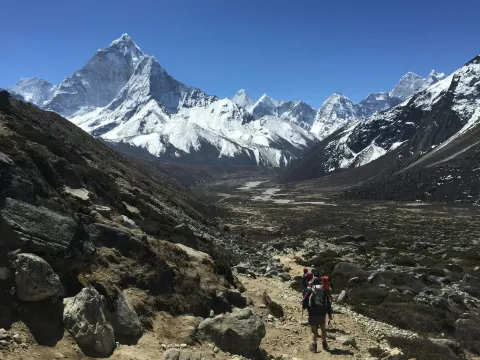
Nepal is one of the world’s most spectacular destinations for trekking, offering an extraordinary combination of towering Himalayan peaks, ancient mountain communities, diverse landscapes, and rich cultural traditions. From the legendary trails of Everest to the peaceful valleys of Langtang and the remote wilderness of Kanchenjunga, Nepal has trekking routes for both experienced adventurers and travelers seeking their first Himalayan experience.
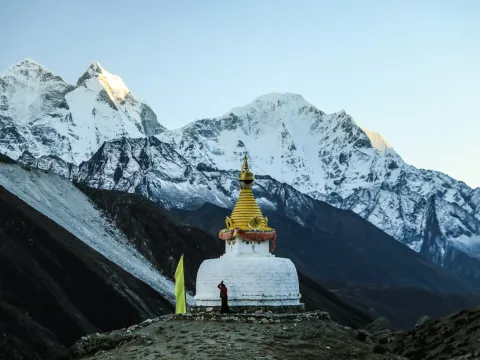
Nepal is a remarkable year-round destination offering Himalayan trekking, mountain tours, cultural experiences, wildlife adventures, scenic journeys, and exciting outdoor activities. However, the best time to explore Nepal depends on the type of adventure you are planning, the destination you want to visit, and the weather conditions you prefer. Each season brings its own beauty, from blooming rhododendrons in spring and clear mountain views in autumn to lush landscapes during monsoon and snowy scenery in winter.
Have a question before you book? Send your enquiry below and our travel experts will get back with the required information.